Fantast Castle: A Historic Residence and Estate near Bečej, Serbia
Site at a Glance
- Rating
- 3.9
- Popularity
- Very Low
- Country
- Serbia
- Primary era
- Modern
- Eras represented
- Modern
- Civilizations
- Unclassified
- Site type
- Domestic
- Remains
- Castle
On this page7 sections
History
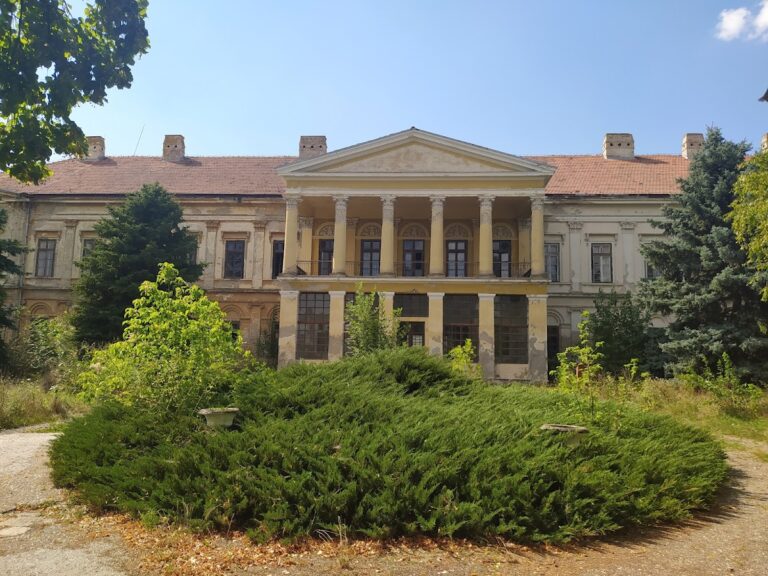
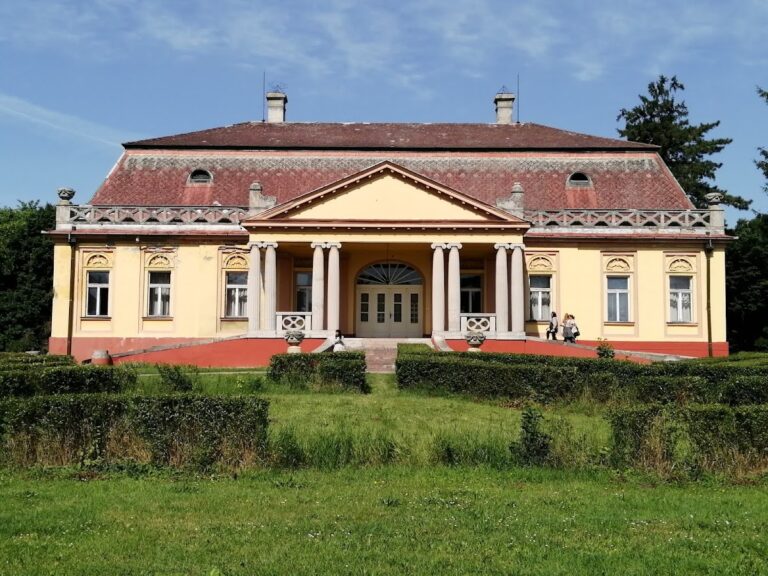
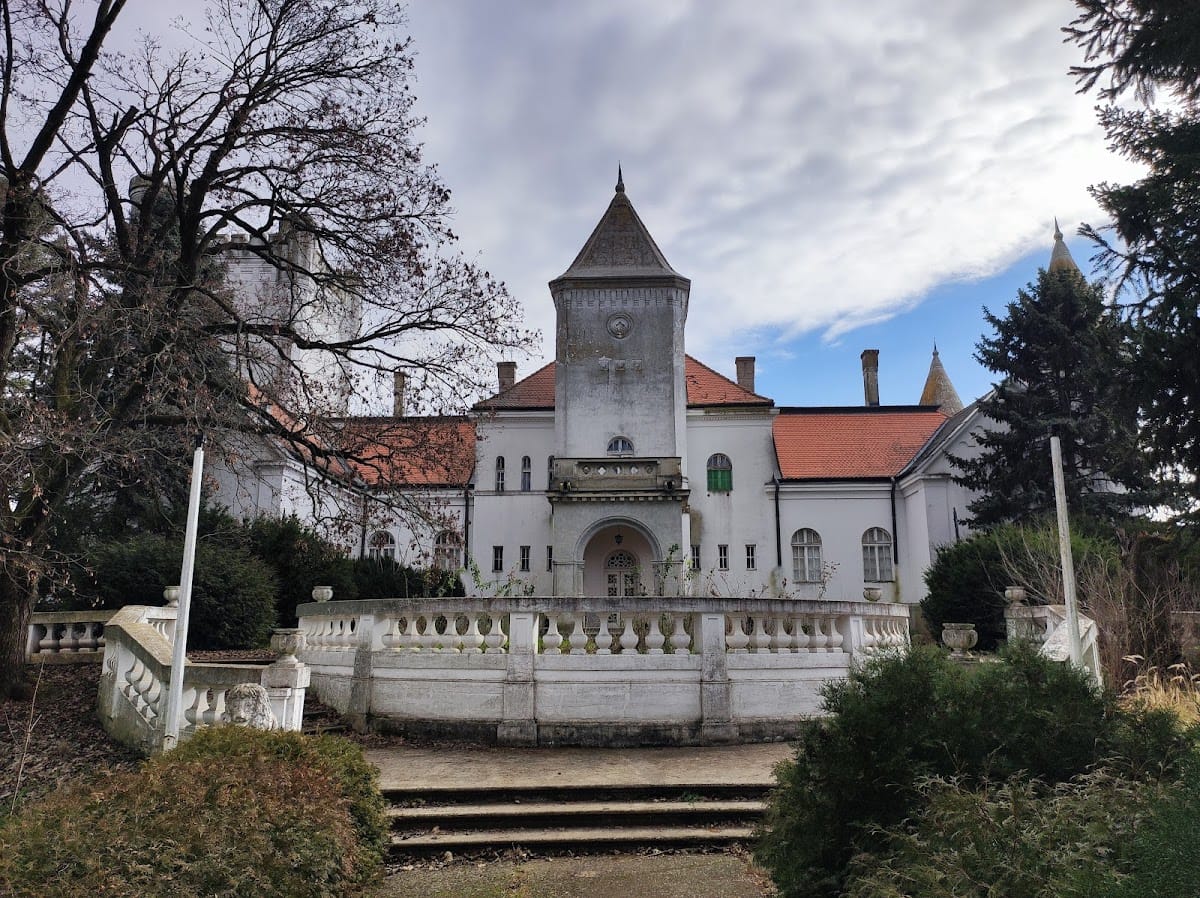
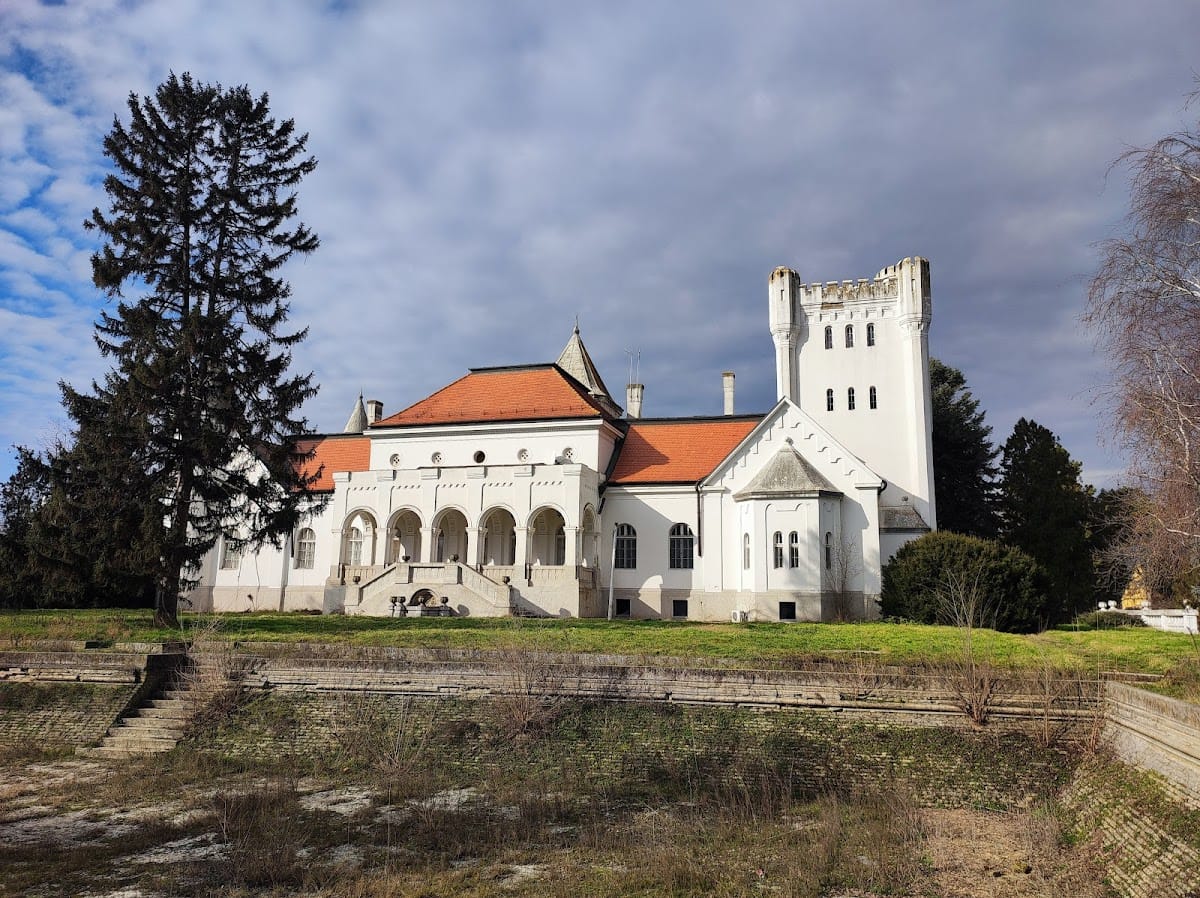
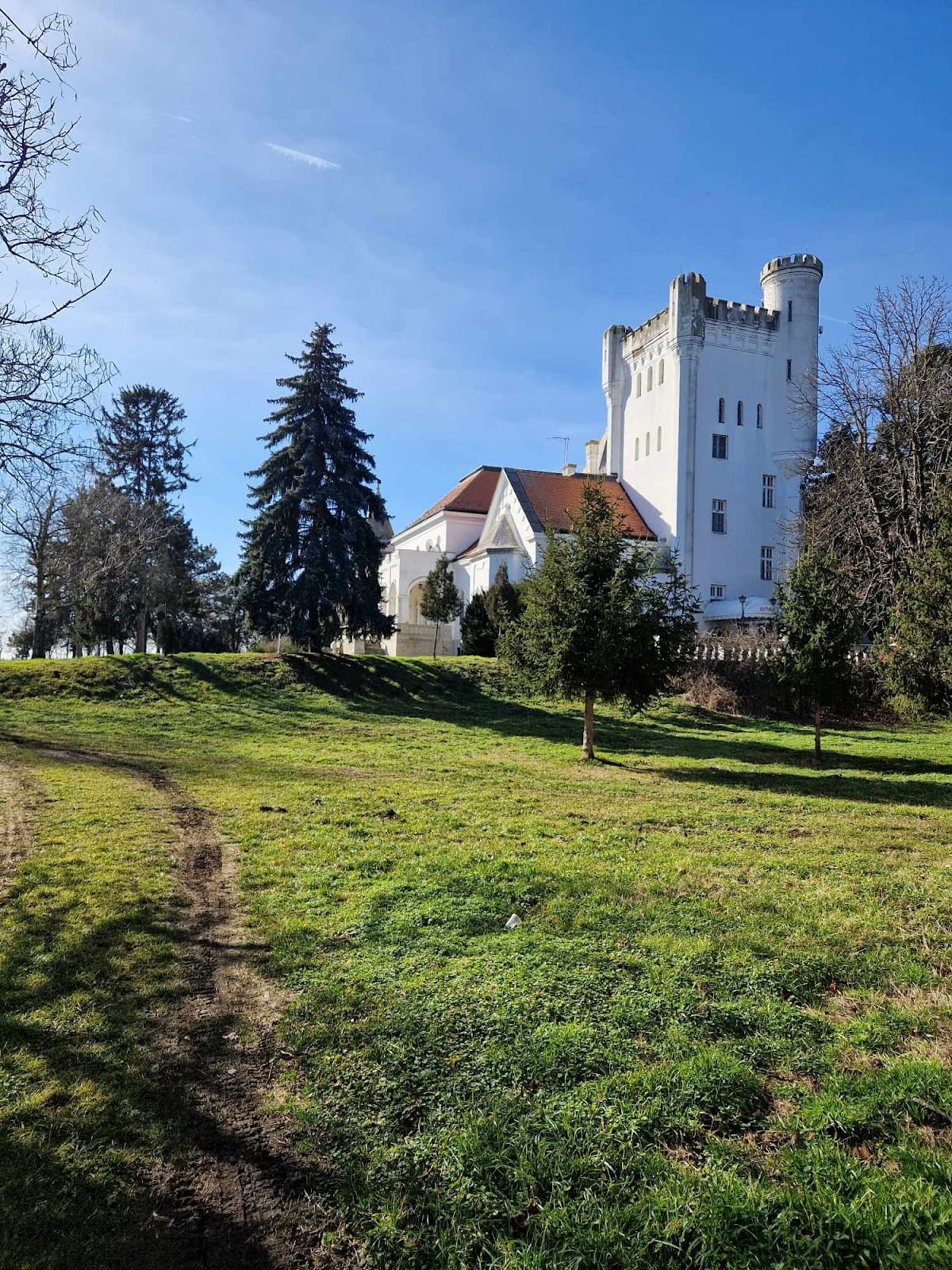
Fantast Castle, also known as Dunđerski Palace, is a historic estate in Serbia near Bečej in Vojvodina. Bogdan Dunđerski commissioned it as a private residence, and construction took place in several stages from 1919 until its completion in 1925. The castle combines Neo-Gothic architecture, which revives medieval Gothic forms, with Neo-Classical features in its reception hall and entrances.
Bogdan Dunđerski and the Estate
Bogdan Dunđerski belonged to the wealthy and influential Dunđerski family. The lavish residence was reportedly intended in part to counter rumors that he had become bankrupt. Dunđerski was also a major horse enthusiast and is said to have owned as many as 1,400 horses. His best-known horse, Fantast, won all three races and titles at the Belgrade hippodrome in 1932, when it was three years old. After the horse died, Dunđerski buried it on the estate, and the completed castle was named after the animal.
Dunđerski bequeathed the castle and its dependencies to Matica srpska of Novi Sad in 1940. Matica srpska is a major Serbian cultural and scholarly institution associated with the preservation of literature, history, and cultural heritage. In 1945, the communist state nationalized the complex and declared it state property.
War Damage and Later Use
The castle was heavily bombed in 1945. Its carpets, crystal chandeliers, silverware, jewelry, artworks, and other furnishings were removed or lost. Sheep were later kept inside the building, damaging the floor and part of a wall.
The chapel was once threatened with conversion into an electrical power station. The painter Uroš Predić, who was a friend of Dunđerski, wrote to Moša Pijade, a Yugoslav communist politician and public official, and the proposed conversion was abandoned. The chapel was locked instead. In 1983, the castle became a hotel. It is now used as a hotel and restaurant, while the chapel has been reconsecrated for baptisms and weddings.
Fantast Castle is protected as a cultural monument of the Republic of Serbia. The chapel has a separate designation as a monument of great importance. The Republic of Serbia is the stated owner, and protection is administered by the Museum of Vojvodina.
Remains
Castle Building
The castle is organized around a principal building with one main tower and four corner towers. These elements follow the Neo-Gothic style. The reception hall and two entrances use Neo-Classical forms, drawing on the architecture of ancient Greece and Rome. The walls and doors are the only parts of the castle that remain authentic. The original furnishings and artworks did not survive the losses and damage that followed the bombing and later use.
Saint George Chapel
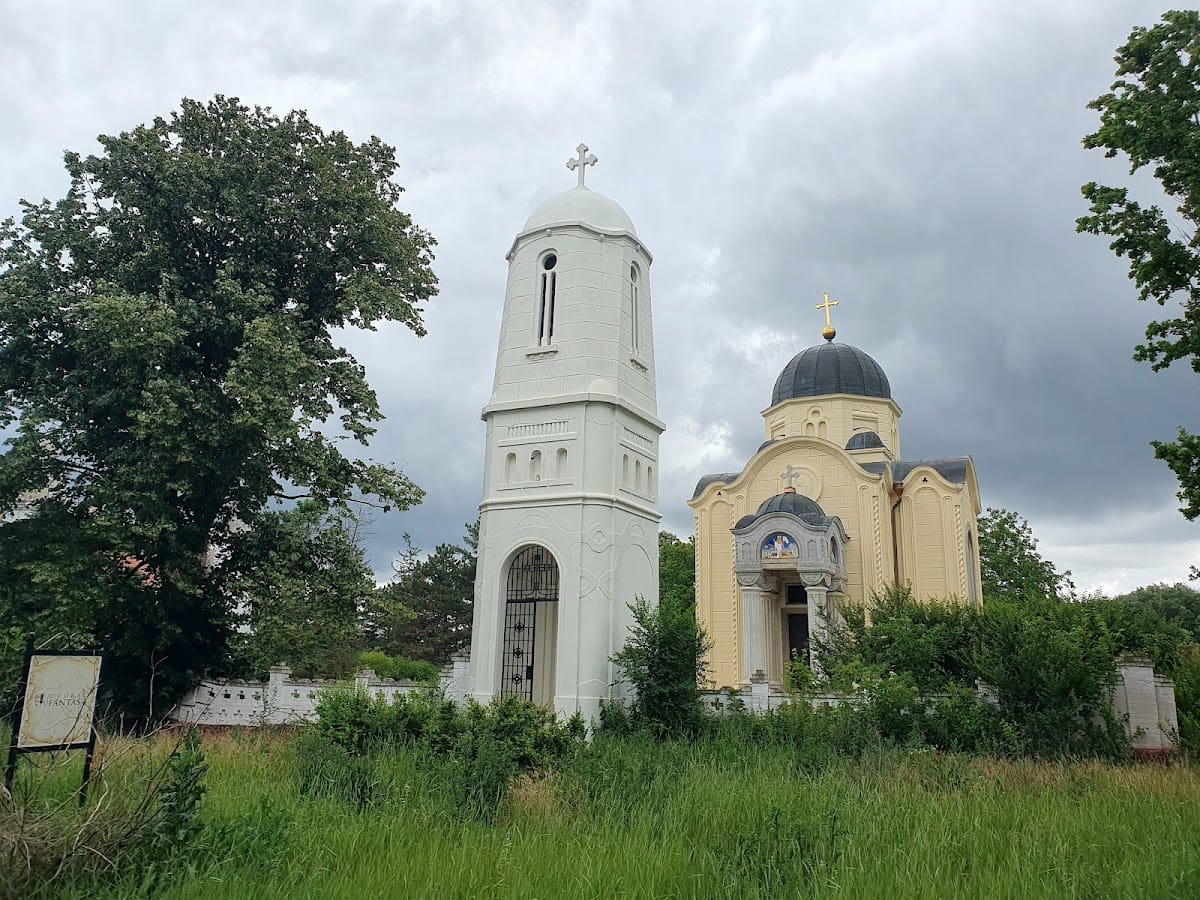
A funerary chapel dedicated to Saint George stands in the castle park. Built in the Neo-Byzantine style, which revives forms associated with Byzantine religious architecture, it was decorated by Uroš Predić. Over two years, Predić created three mosaics on the chapel portal and a depiction of the Last Supper. At Dunđerski’s request, the face of the Virgin Mary was modeled on Mara Dinjacki, the wife of a blacksmith with whom Dunđerski was said to have been in love.
Part of the chapel’s iconostasis, the screen of icons separating the sanctuary from the main worship space, was made by a Belgrade craftsman identified as Karbiner. The chapel remains a memorial building within the estate and is used for religious ceremonies.
Estate and Horse Facilities
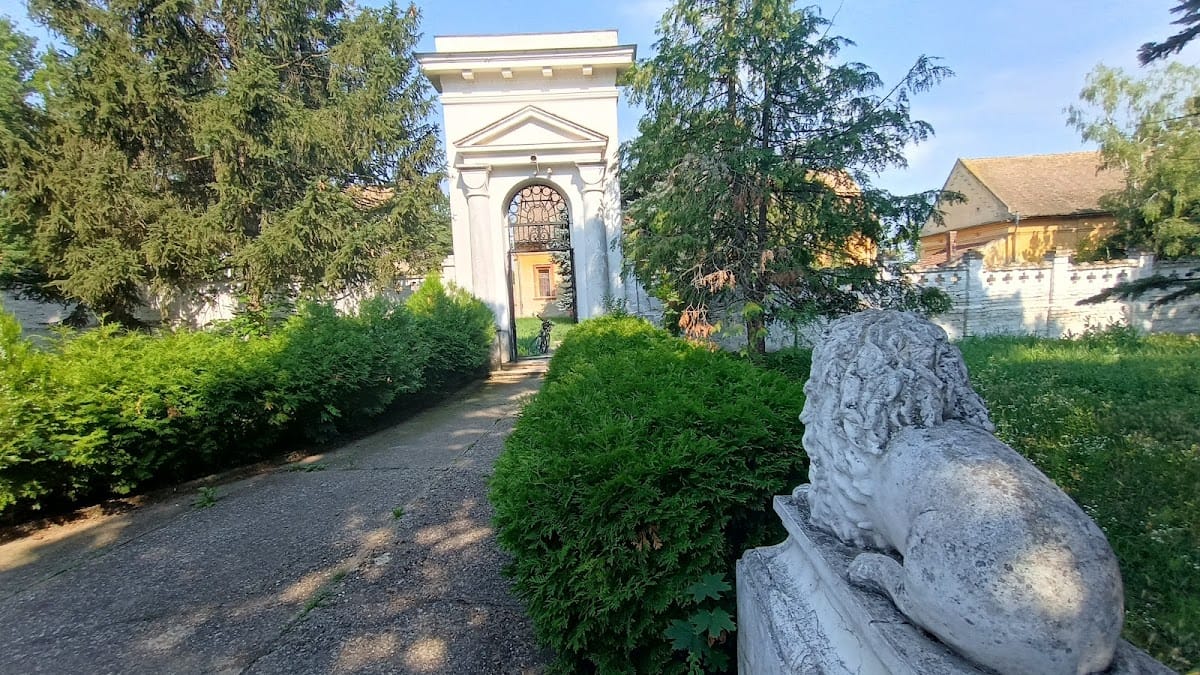
The castle grounds cover about 65 hectares of the larger estate once associated with Dunđerski, who owned approximately 1,500 hectares at one point. The surviving complex includes stables and a farm complex, a mausoleum containing the burials of former owners, tennis courts, a small-aircraft runway, and a small ostrich farm.
The stables continue to operate as a horse-breeding and training center with approximately 80 horses. A display case in the castle contains the skull and femur of Fantast, the horse after which the residence was named.
Nearby sites