Historic Sites in Serbia: Explore Ancient Settlements, Fortresses and Monasteries
Explore more than 100 historic sites in Serbia, including prehistoric settlements, Roman cities, Danube fortresses and medieval monasteries. Religious buildings form the largest group in the collection. The examples below introduce preserved house floors, Roman baths and painted tombs, towers built into cliffs and monastic churches enclosed by defensive walls.
Primary Function: All
Type: All
Civilization: All
Popularity: All
Rating: All
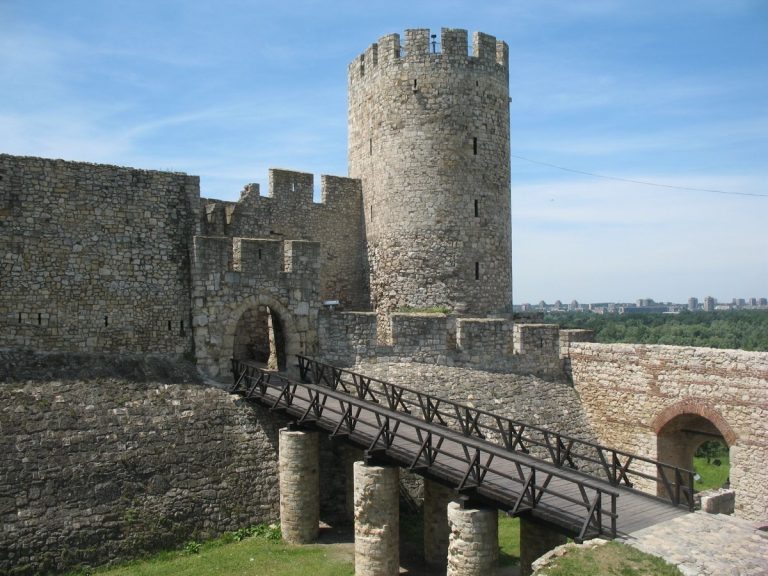
Belgrade Castle, also known as Belgrade Fortress, developed from the Celtic settlement of Singidunum into a Roman military camp and a strategically…
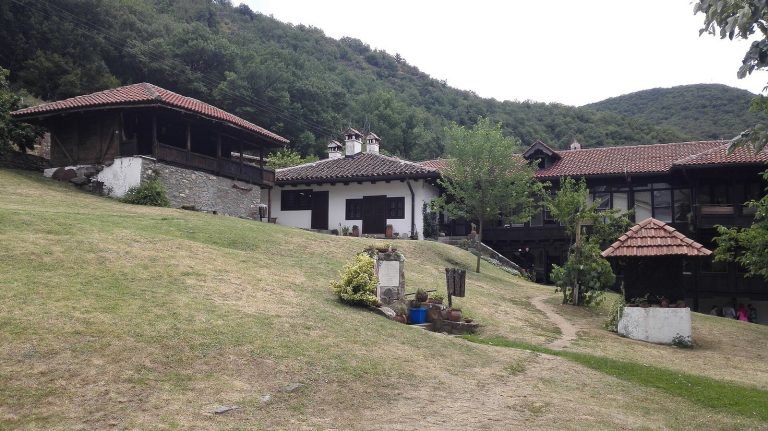
Traditionally founded in the 11th century, Prohor Pčinjski Monastery has been rebuilt and damaged across centuries of political change. Its church,…
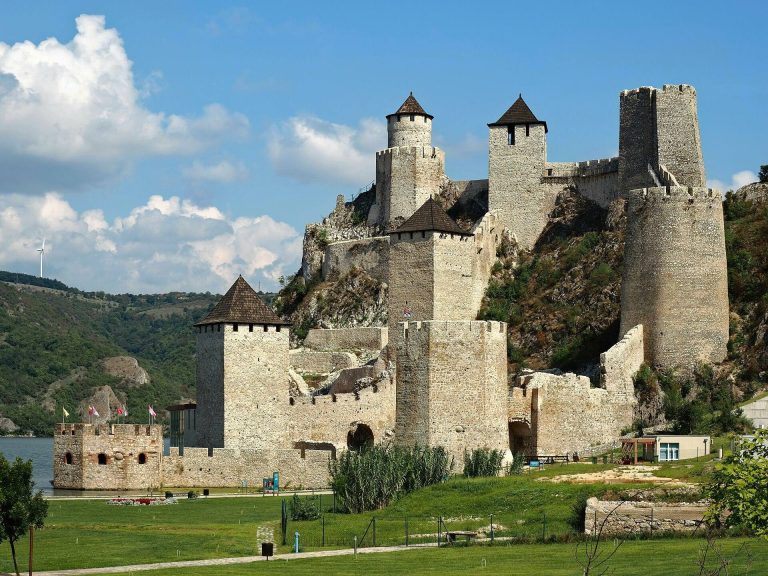
Golubac is a medieval fortress on the Danube in northeastern Serbia. Built and developed between the late 13th and early 14th centuries, it…
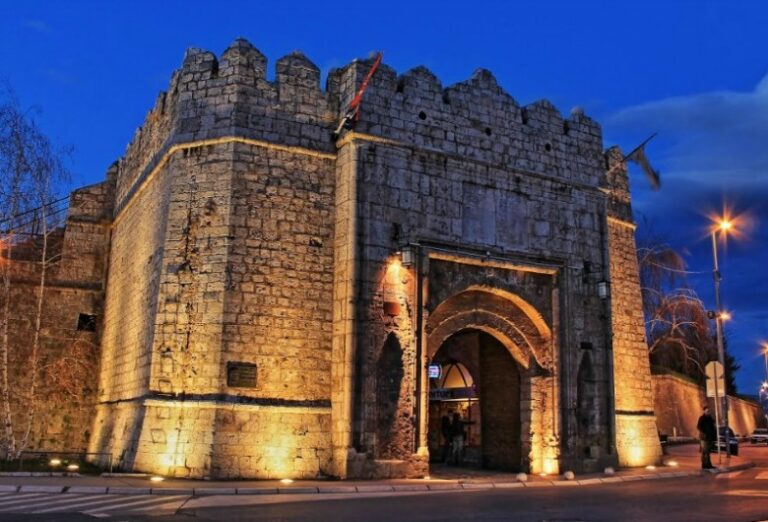
Niš Fortress in Serbia occupies a site fortified for more than two millennia. The present Ottoman fortress was built between 1719 and 1723 and…
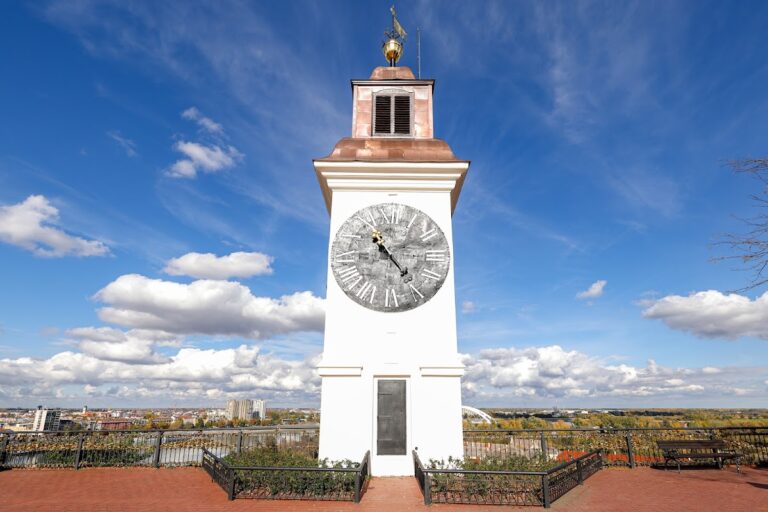
Petrovaradin Castle developed from prehistoric settlement and Roman, medieval, and Ottoman-era defenses into a major Austrian fortress on the Danube.…
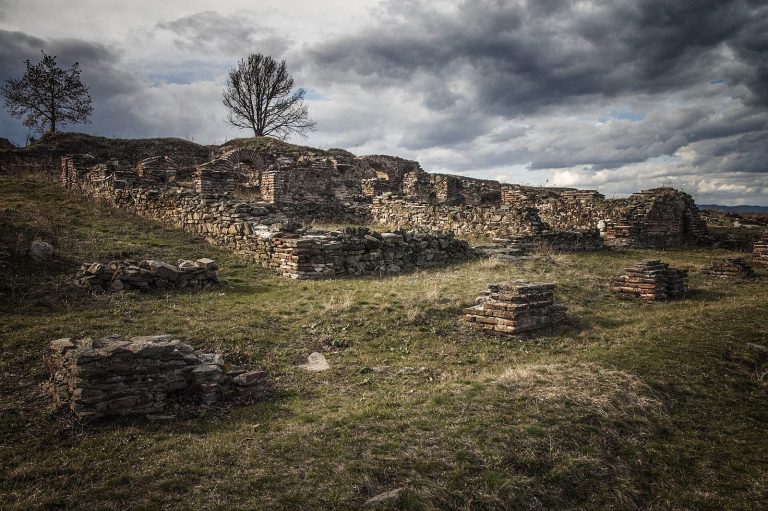
Founded in 535, Justiniana Prima became a major ecclesiastical and administrative center before its capture and abandonment in the early seventh…
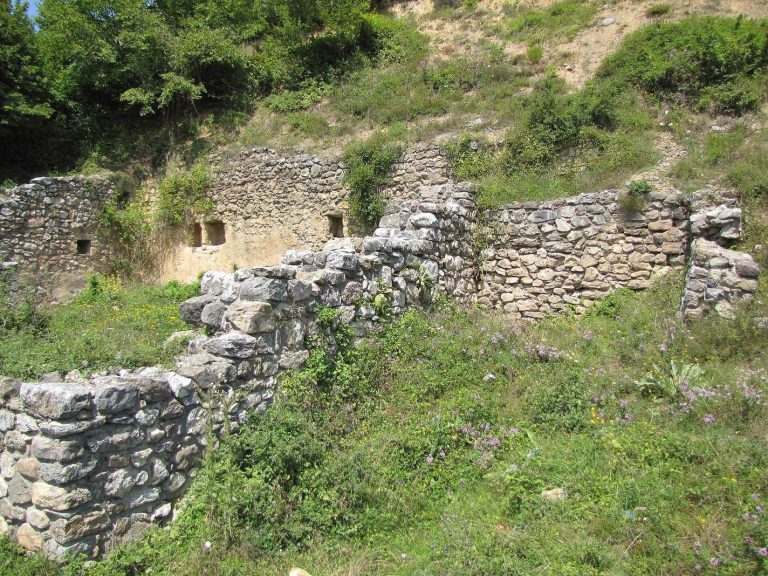
Stari Ras is a historical complex associated with the medieval Serbian center of Ras. Its fortresses, churches, monasteries, and market settlement…
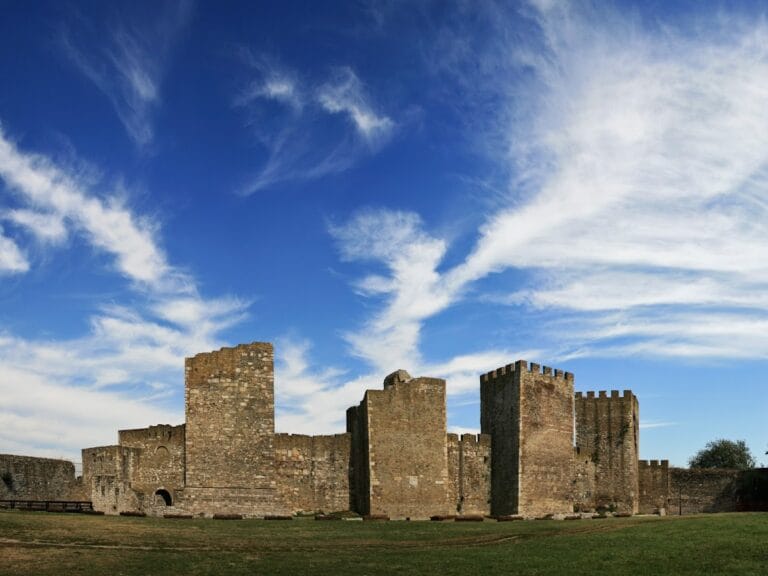
Smederevo Fortress was built on the Danube as the capital of the medieval Serbian Despotate. Its walls, towers, palace remains, sacred complex, and…
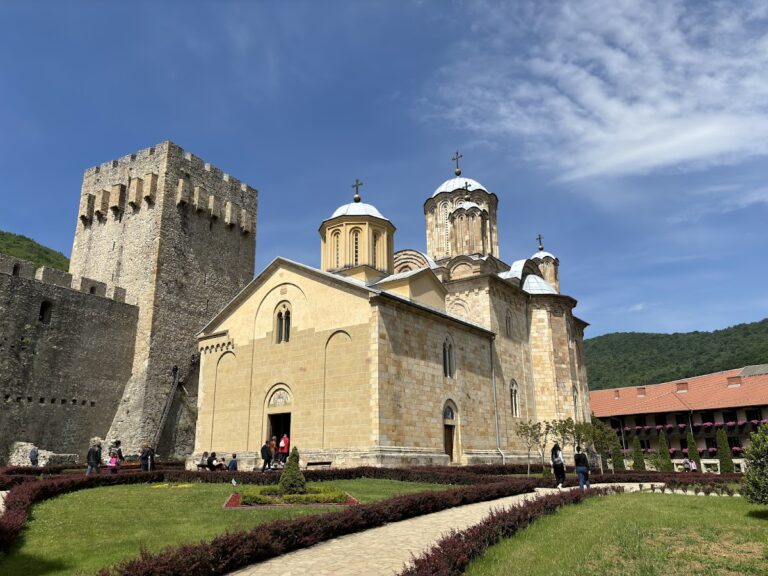
Manasija Monastery near Despotovac was founded by Despot Stefan Lazarević between 1407 and 1418 as his mausoleum. It became a cultural center of the…
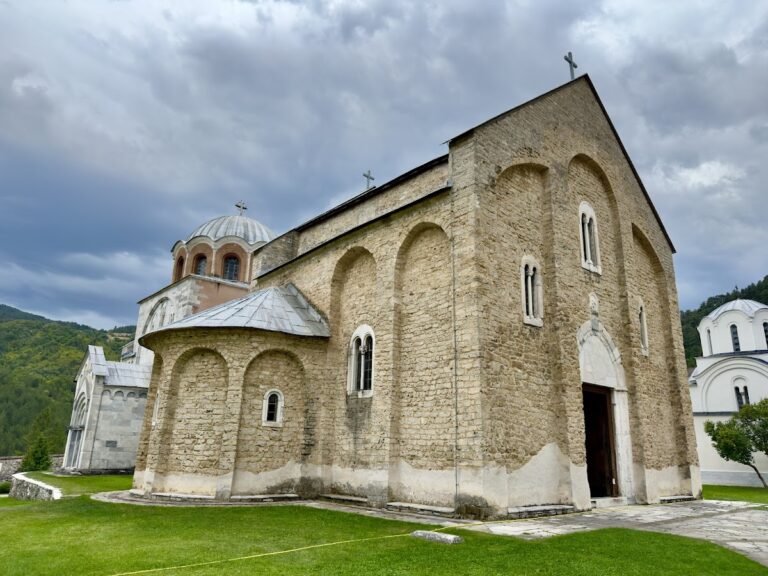
Studenica Monastery in Serbia was founded by Stefan Nemanja in the late twelfth century and became a major religious, political, cultural, and…
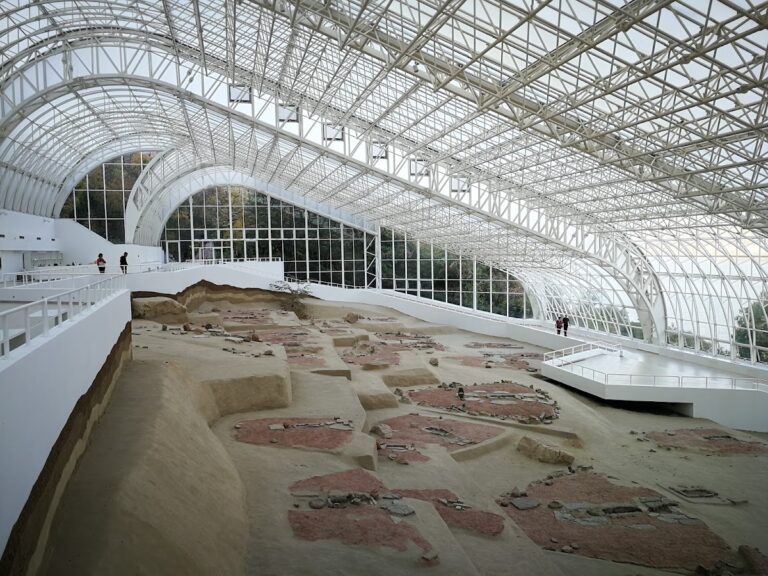
Lepenski Vir was a long-lived prehistoric settlement on the Danube whose trapezoidal houses, ritual installations, sculptures, burials, and ancient…
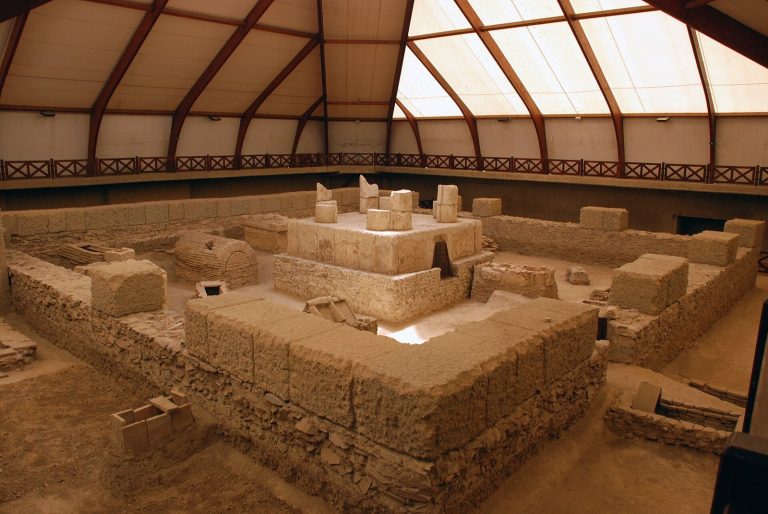
Viminacium Archaeological Park preserves the remains of a major Roman city, legionary fortress, provincial capital, cemeteries, industrial areas, and…
For details on how to use the maps, which sites are included, how popularity and ratings are determined, and how sites are classified, see the help page.
On this page5 sections
Prehistoric settlements and houses
Lepenski Vir preserves evidence of Mesolithic and Neolithic settlement beside the Danube. Its houses followed distinctive trapezoidal plans, with hard floors, hearths and carefully arranged interior spaces. Repeated alignments formed a settlement opening towards the river, rather than a group of unrelated individual huts.
Sculpted stones and altar-like objects were placed near hearths in several houses, linking domestic spaces with activities whose precise meanings remain uncertain. Much of the excavated settlement was moved to a higher location in 1971 to protect it from the reservoir created by the Iron Gate dam. The preserved floors therefore represent relocated archaeological structures, not houses surviving at their original river level.
Roman cities, baths and tombs
Viminacium was a Roman city and legionary centre near the Danube. Excavated areas include a substantial military gateway, baths and burial structures, with protective buildings covering several groups of remains. The broader ancient settlement extends well beyond the exposed monuments.
The baths preserve underfloor heating and successive construction phases, including apsidal spaces associated with warm and cold pools. Tombs retain wall paintings, including figures, animals and decorative scenes. These surviving interiors and building systems provide more detail than a city plan alone, while the gate’s paving and drainage record the practical construction of the military enclosure.
Castles and artillery fortresses
Golubac occupies cliffs beside the Danube at the entrance to the Iron Gates region. Its walls connect upper, rear and forward compounds, with towers climbing towards the citadel. The irregular plan follows the rock, and one tower contains an Orthodox chapel within its lower level. Defensive and religious spaces were therefore incorporated into the same compact structures.
Petrovaradin Fortress above Novi Sad has a later Baroque bastion system. Its extensive underground corridors and countermine passages are arranged on several levels beneath the fortifications. These works added a concealed defensive network to the surface ramparts. The site offers a different form of military architecture from Golubac’s tall masonry towers and narrow cliffside enclosures.
Monasteries and fortified churches
Manasija Monastery was founded by Despot Stefan Lazarević in the early fifteenth century. Eleven defensive towers, strong walls and a moat protected the church and communal buildings. The entrance passed through successive gates, while projecting defensive openings allowed the approaches to be covered from above. Inside, the Holy Trinity Church preserves part of its medieval painted decoration, and the large refectory records the community’s shared domestic spaces.
Studenica Monastery contains several churches within its ensemble. The principal Church of the Virgin combines a domed plan with white-marble façades and carved portals. Its Romanesque sculpture and Byzantine architectural elements belong to the medieval Raška tradition. Smaller churches add separate religious spaces around it. This group gives more emphasis to individual church buildings and their decoration than the dominating tower circuit at Manasija, while both preserve substantial monastic architecture.
Explore the collection
Explore sites on the map or in the grid. Map icons indicate each site’s primary function, helping you identify different kinds of places at a glance. Narrow the results by primary function, site type, civilization or era, with additional filters for popularity and rating. Select a map marker to view the site’s details and open its article, or open the article from its grid entry.