Castles in Croatia: Explore Adriatic Forts, Fortified Villas and Hilltop Residences
Castles in Croatia include forts guarding Adriatic harbours, a Renaissance residence protected by enclosing walls and hilltop castles reshaped during the nineteenth century. Some retain an explicitly military plan, with thick walls and gun positions, while others combine earlier defences with later residential rooms, terraces and landscaped grounds.
This collection uses the broader castle and residence group. The examples below show those differences through substantial structures, following the coast from Dubrovnik to Šibenik before turning to a fortified villa on Hvar and residences in Rijeka and northern Croatia.
Primary Function: All
Type: All
Civilization: All
Popularity: All
Rating: All
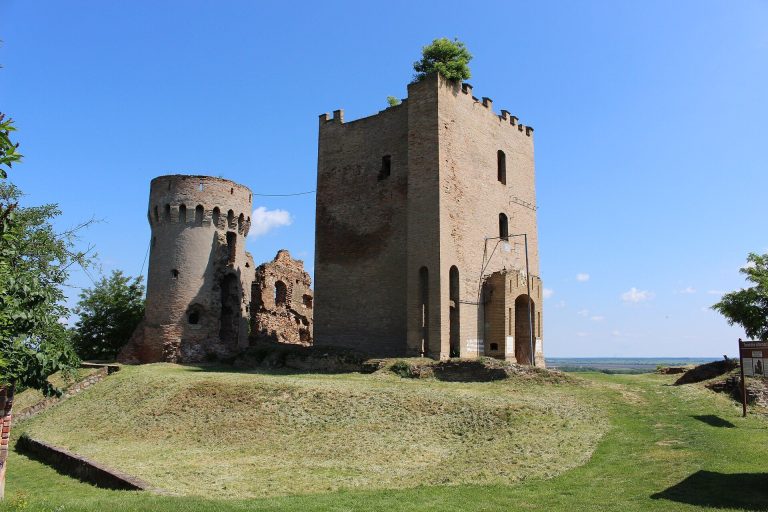
Erdut Castle is a medieval fortified residence on a 70-metre bluff above the Danube in eastern Croatia. Its history includes Hungarian, Ottoman,…
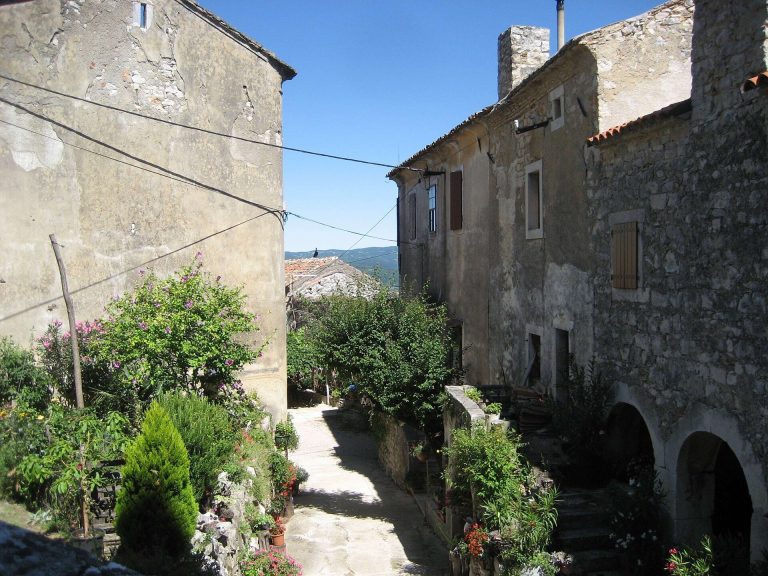
Kršan Castle is a medieval hilltop fortress in Istria, shaped by feudal rule, Gorizian and Habsburg authority, and centuries of changing ownership.…

Momjan Castle in northern Istria developed from a medieval fief into the seat of the Rota family before its abandonment in the eighteenth century.…
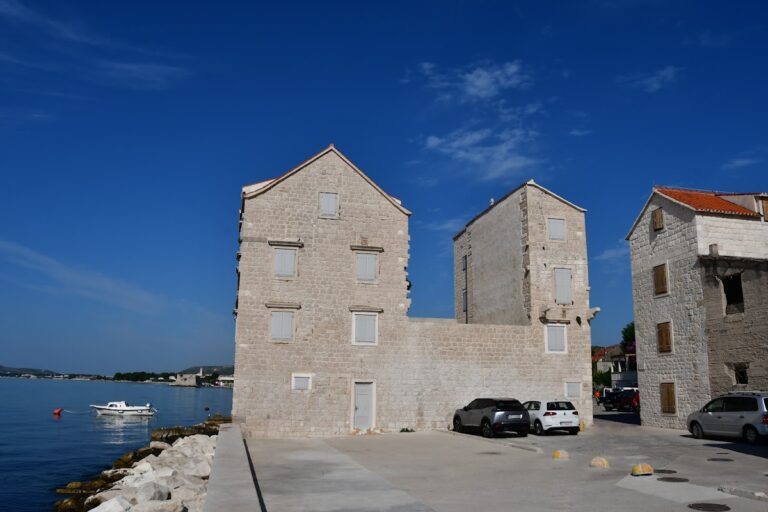
Castle Štafileo, also known as Castle Rotondo, is a sixteenth-century coastal fortress in Kaštel Štafilić, built to protect local lands and…
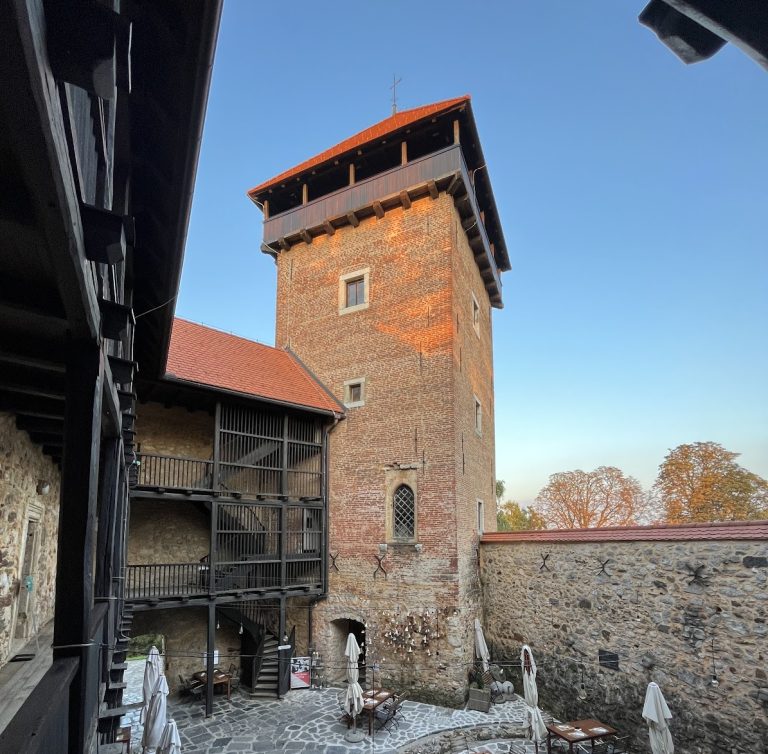
Dubovac Castle is a medieval fortified complex overlooking Karlovac, with a probable thirteenth-century tower, Renaissance rebuilding, and a long…
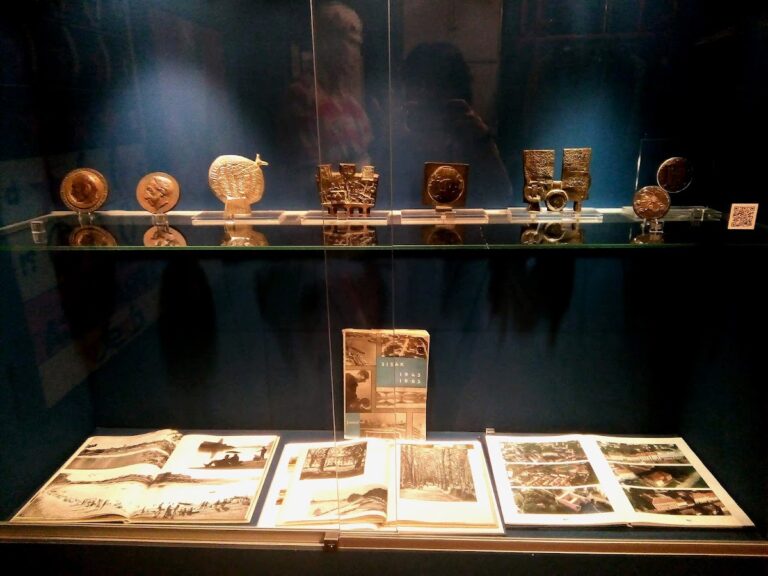
Sisak Fortress was built between 1544 and 1550 to defend the Kingdom of Croatia against Ottoman attacks. Its 1593 victory over an Ottoman army…
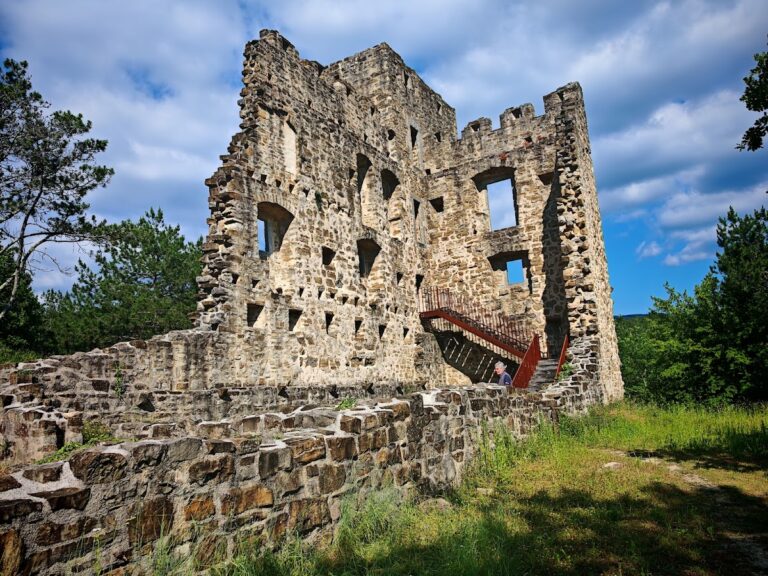
Posert Castle is a ruined medieval fortress near Belaj in Istria, Croatia. Associated with St. Martin, Posrt, and Šabec, it reflects several medieval…
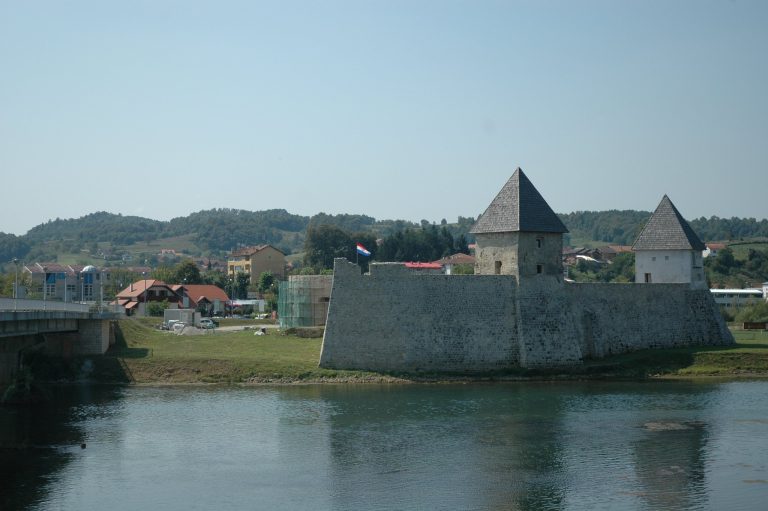
Fortress Kostajnica developed as the seat of a medieval estate on the Una and later became a contested frontier stronghold. Held by Croatian,…
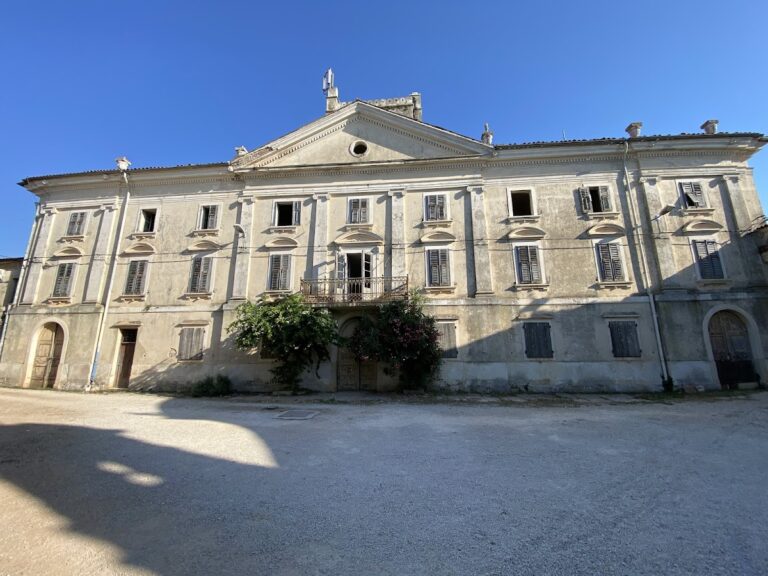
Dajla Abbey is a former Benedictine monastery near Novigrad, Croatia, whose history includes medieval private ownership, nineteenth-century monastic…
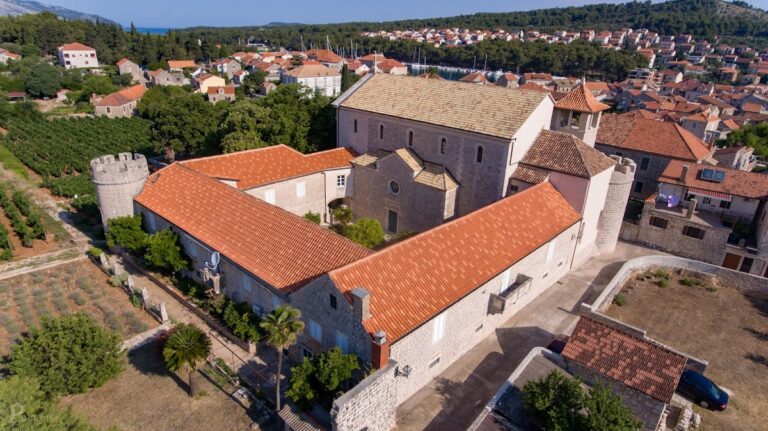
The Dominican Monastery of St. Peter Martyr in Stari Grad developed from a fifteenth-century foundation into a fortified Gothic complex, later…

Cambi Castle in Kaštel Kambelovac developed from a fortified house on a sea islet into a larger defensive complex, with a surviving cylindrical…
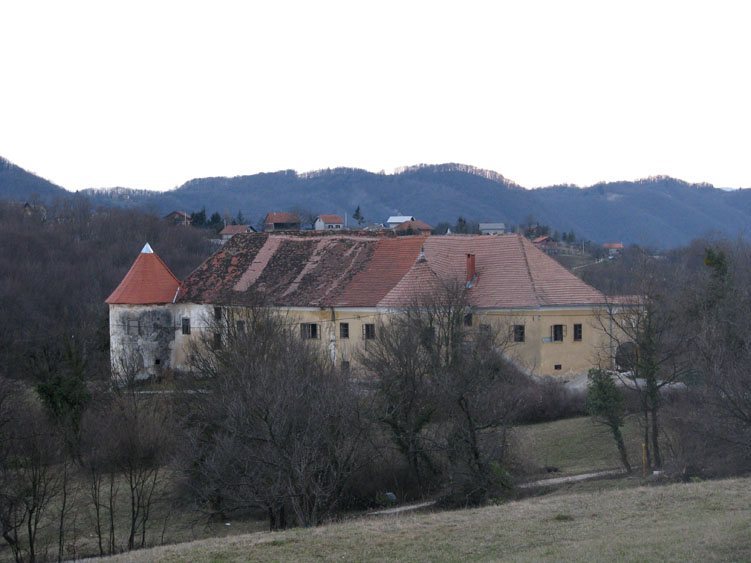
Mali Tabor is a Croatian castle whose history spans a late fifteenth-century fortress, Baroque rebuilding, nineteenth-century expansion, and…
For details on how to use the maps, which sites are included, how popularity and ratings are determined, and how sites are classified, see the help page.
On this page5 sections
Waterfront forts and harbour defences
Lovrijenac Fort stands on a steep rock outside Dubrovnik’s western walls. Its outer form follows the rock, while three terraces accommodate the different elevations. A courtyard with large vaults and arches occupies the interior, and strong parapets protect the upper positions.
The outward-facing walls are much thicker than the wall facing the city. That thinner inner side allowed the city’s defenders to threaten the fort if its commander turned against Dubrovnik. The building’s unequal wall thickness therefore relates to control from within the city as well as defence against an external attack.
Kamerlengo Castle occupies a waterfront corner of Trogir’s historic island. A large polygonal tower anchors its roughly quadrilateral enclosure, accompanied by smaller towers and walls with battlements and projecting defensive openings. The main northern gate survives. Its courtyard formerly contained garrison accommodation, a chapel and a well, allowing the Venetian stronghold to operate as a separate defended compound beside the town.
St. Nicholas Fortress: island artillery defences
St. Nicholas Fortress occupies an island position at the entrance to the St. Anthony Channel near Šibenik. Its broad triangular form brings walls and defensive platforms together into a compact artillery installation. The plan fits the limited island ground and covers the maritime approach.
Stone forms the lower masonry around sea level, while brick was used for the upper portions. This combination belongs to the fortress’s design for cannon warfare. Its broad mass and protected gun positions provide a different coastal defence from Kamerlengo’s more strongly towered outline.
Tvrdalj: fortified villa and arcaded fishpond
Tvrdalj Castle in Stari Grad on Hvar was developed as Petar Hektorović’s fortified Renaissance residence. A long closed facade faced the sea, and defensive walls protected the complex. Inside, an arcaded terrace surrounds a rectangular pond supplied with a mixture of fresh and sea water, where grey mullet were kept.
Living and service rooms opened toward the courtyard, with a tower and dovecote beside the pond and a walled garden behind the house. Carved inscriptions survive on the walls in Latin, Croatian and Italian. The villa’s protected exterior and domestic interior belong to the same design: the enclosure sheltered a household, garden and carefully arranged spaces around the water.
Medieval castles reshaped as residences
Trsat Castle stands above the Rječina gorge in Rijeka. Medieval elements survive within a complex extensively reconstructed in the nineteenth century. Round and oval towers remain part of its outline, while a temple-like mausoleum built for Laval Nugent introduces a clearly later feature. Bronze dragon figures flank its entrance.
Trakošćan Castle also combines an earlier fortified core with a nineteenth-century transformation. Its original arrangement included a residence, a small defended yard and a tall tower; later work strengthened the castle as firearms became more important. The Neo-Gothic rebuilding then altered the exterior, interior and surrounding landscape, adding features such as a tower above the entrance and a vaulted terrace.
Both castles retain the setting and parts of earlier strongholds, but their later architectural treatment is essential to their appearance. Trsat’s mausoleum and Trakošćan’s residential reconstruction give them a different character from the purpose-built coastal forts.
Explore the collection
Explore sites on the map or in the grid. Map icons reflect each site’s primary function, helping you identify different kinds of places at a glance. Narrow this collection by primary function, by a site type within the castle and residence group, or by civilization and era. Additional filters cover popularity and rating. Select a map marker to view the site’s details and open its article, or open the article from its grid entry.