Byzantine Sites in Israel: Explore Pilgrimage Churches, Synagogues and Mosaic Floors
Byzantine-period sites in Israel include Christian pilgrimage buildings, Jewish synagogues and towns with elaborate mosaic pavements. Their remains record different communities living in the eastern Roman provinces, rather than a single religious building tradition. Churches developed around places of veneration, while synagogue floors combined inscriptions, biblical subjects and decorative imagery.
The examples below focus on buildings and alterations from late antiquity. Earlier Roman houses and modern protective structures are identified separately from the Byzantine-period remains they accompany.
Primary Function: All
Type: All
Popularity: All
Rating: All
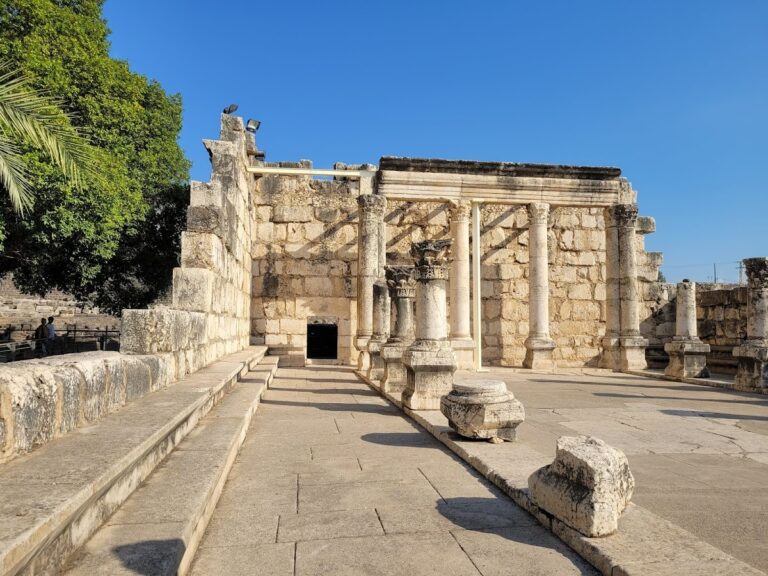
The Capernaum synagogue is a fourth- or fifth-century Jewish building erected over an earlier synagogue associated by tradition with Jesus of…
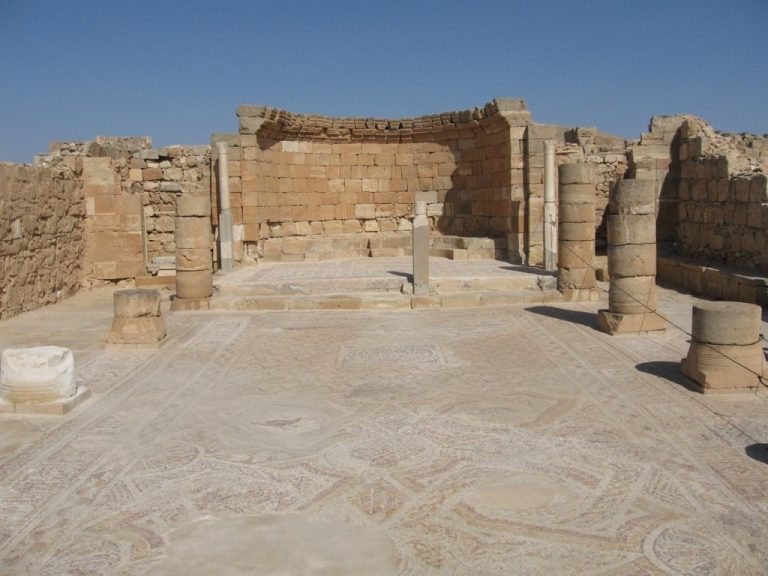
Mamshit was a Nabataean caravan station, agricultural center, and later Roman frontier settlement in the Negev. Its remains preserve fortified…
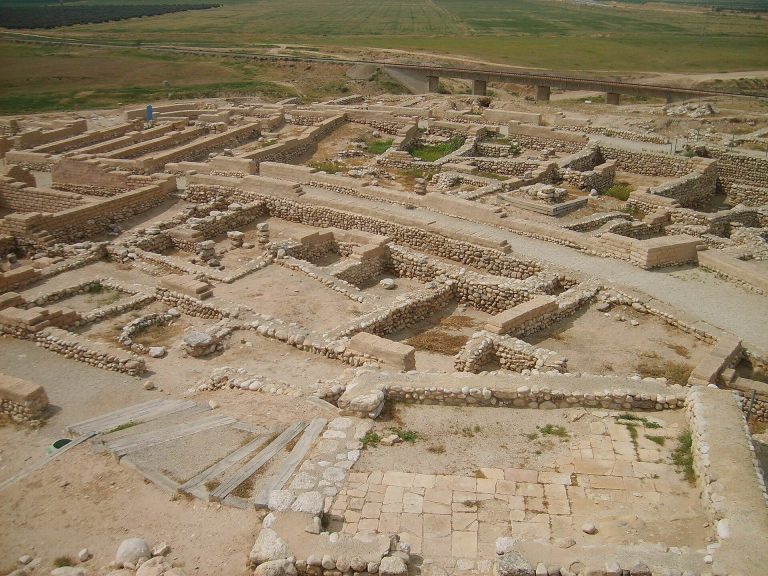
Tel Be'er Sheva preserves the remains of an ancient settlement identified with biblical Beersheba, including a fortified Iron Age city, a…
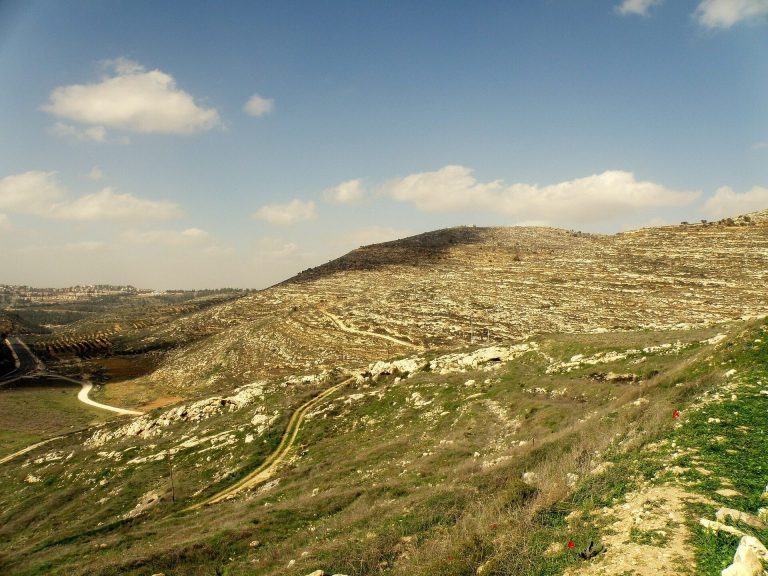
Shiloh was an ancient city and religious center in the hill country of Ephraim. Its archaeological remains trace occupation from the Bronze Age…
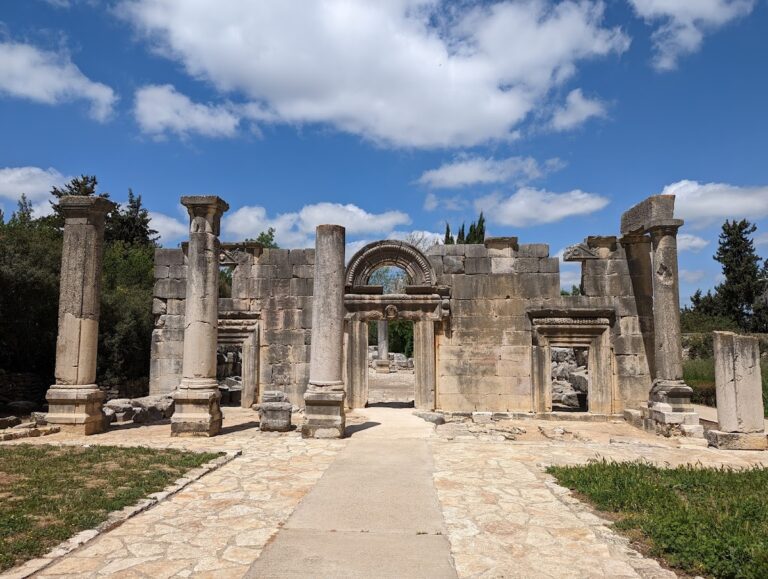
Kfar Bar'am preserves the remains of an ancient Jewish settlement in the Upper Galilee, including two synagogues, later Christian buildings,…
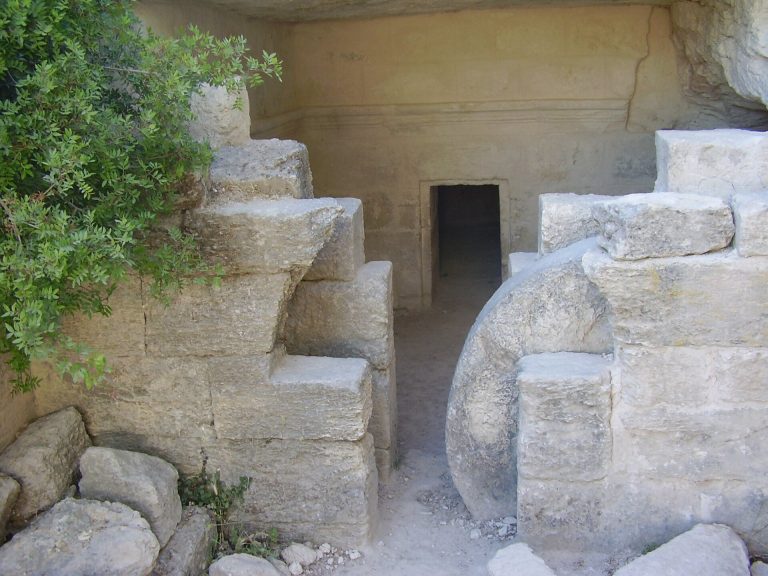
Horvat Midras was a prosperous Jewish settlement in the Judaean Lowlands that later became a Byzantine Christian village, a medieval agricultural…

David's Tomb on Mount Zion in Jerusalem is associated by Jewish, Christian, and Muslim traditions with King David, although its identification as his…
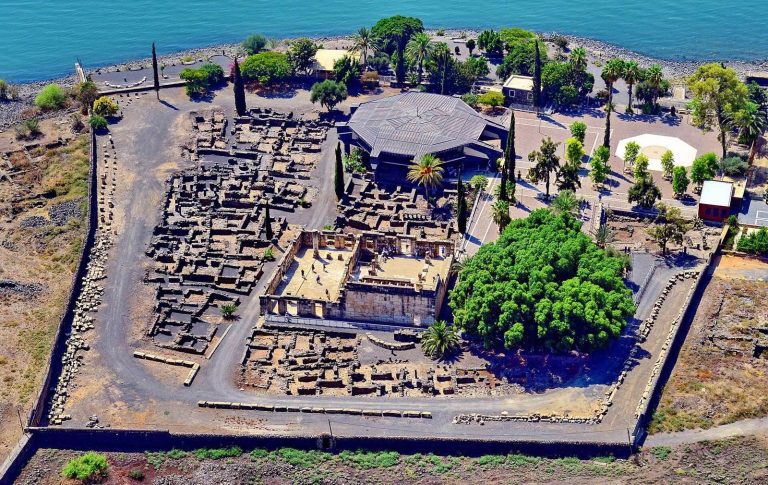
Capernaum was a Jewish fishing village on the Sea of Galilee that developed under Roman and Byzantine rule before becoming a Christian pilgrimage…
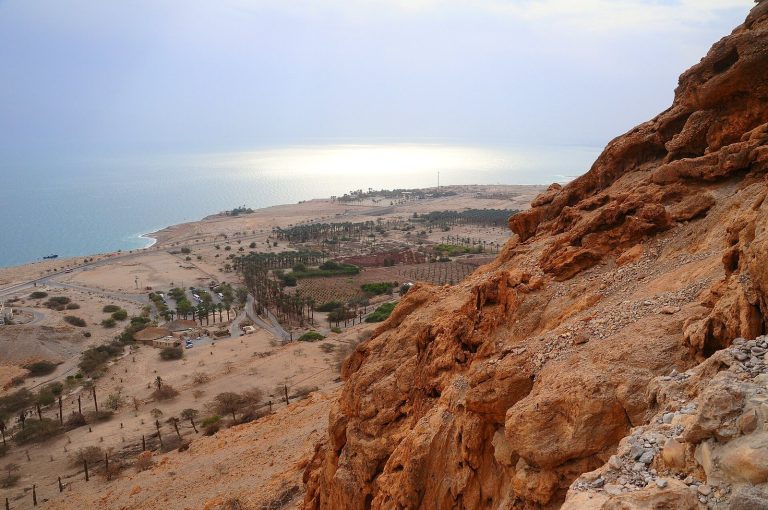
Ein Gedi was a long-lived Jewish settlement and agricultural center on the Dead Sea, known for its date palms and balsam. Its archaeological remains…
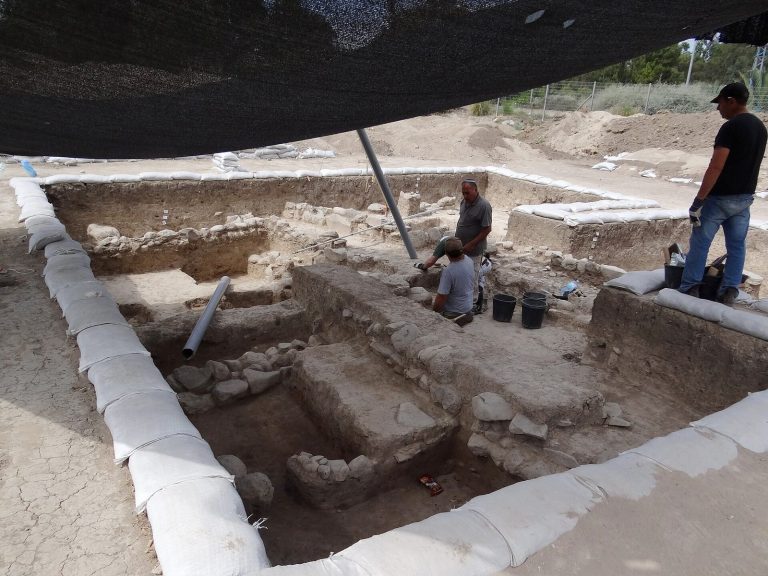
Khirbet Kerak preserves evidence of settlement from the Chalcolithic through the medieval period, including a major Early Bronze Age city, a…
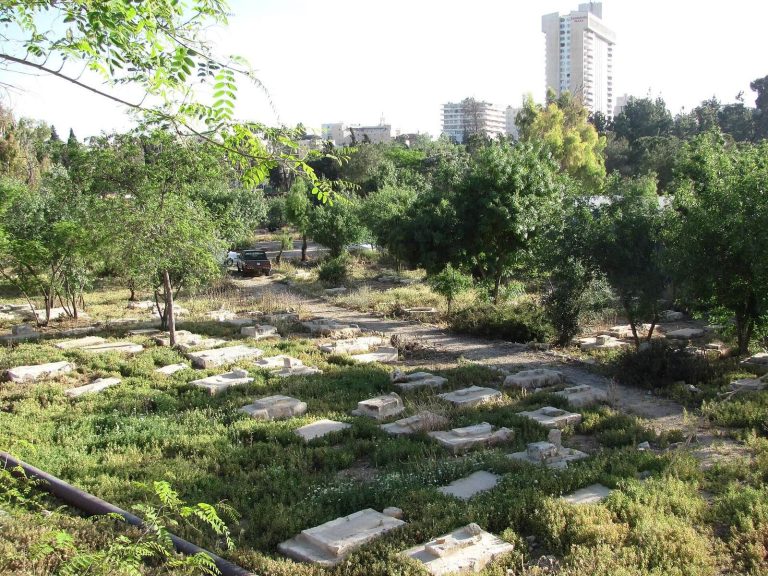
Mamilla Cemetery is a historic Muslim burial ground west of Jerusalem’s Old City, with burial traditions reaching back to the Byzantine period. Its…
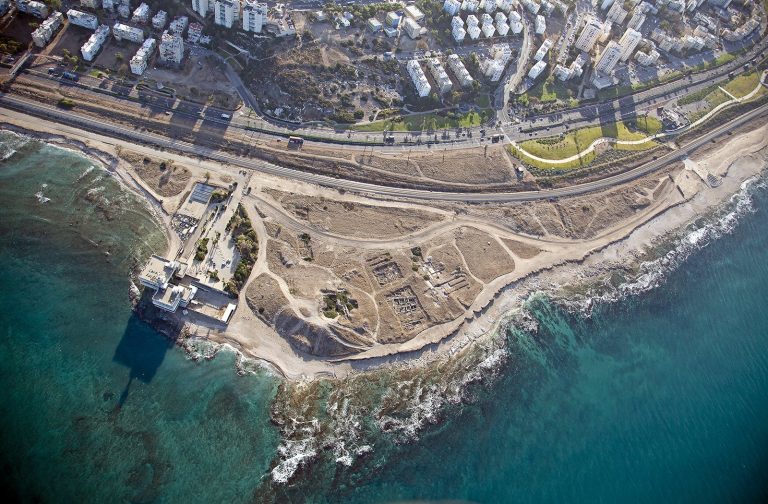
Tel Shikmona was a long-lived coastal settlement on Israel’s Carmel coast, known for maritime trade, olive-oil production, and large-scale Iron Age…
For details on how to use the maps, which sites are included, how popularity and ratings are determined, and how sites are classified, see the help page.
On this page4 sections
Capernaum: an octagonal church over a venerated house
At Capernaum, a domestic building traditionally identified with Saint Peter developed into a Christian place of worship. The identification is a religious tradition supported by evidence of early veneration, rather than a proven attribution of the original house to a named owner.
By the late fifth century, an octagonal church had replaced the earlier arrangement. Its central space marked the venerated room, while surrounding zones provided circulation and connections with adjoining rooms. The surviving walls and mosaic remains preserve the plan beneath a modern elevated church.
The modern building’s supports and enclosure protect the archaeological remains but are not part of the Byzantine church. Around the sanctuary, excavated basalt houses and courtyards preserve the settlement in which it developed. The combination makes the relationship between the pilgrimage building and the earlier domestic quarter particularly clear.
Ein Gedi: birds, plants and a community’s inscriptions
The Ein Gedi Synagogue preserves the plan of an enlarged prayer hall with benches, a Torah shrine and decorated floors. Successive renovations altered the building and replaced a simpler pavement with a more elaborate polychrome mosaic.
Geometric panels contain birds, plants and bunches of grapes. Aramaic inscriptions record names, contributions and elements of the community’s calendar and traditions. These details connect the ornament with the people who maintained the building, rather than leaving the floor as an anonymous decorative surface.
The remains belong to a Jewish place of worship used during the Byzantine period. The term describes its historical setting within the collection; it does not make the synagogue a Christian church. Its floor and prayer-hall arrangement provide a different religious interior from the pilgrimage sanctuary at Capernaum.
Sepphoris: a public building with Nile imagery
At Sepphoris, also known as Zippori, the fifth-century Nile Festival Building preserves an extensive mosaic programme associated with Egypt’s river and its inundation. Water creatures, plants and hunting scenes occupy the decorated floors. The Nile appears far from its own valley, as part of the imagery chosen for a public building in Galilee.
The installation also contains drainage channels. Suggestions that the building accommodated water-related ceremonies remain interpretations rather than a securely documented function. Its floors nevertheless preserve a substantial late antique decorative scheme, separate from the earlier Dionysus mosaic in the Roman house on the hill.
The wider town continued to develop around its paved streets during the Byzantine period. Churches and a synagogue added religious buildings to the houses and public spaces, while repeated construction changed individual plots. The individual site article brings these structures together and identifies their different phases.
Explore the collection
Explore sites on the map or in the grid. Map icons reflect each site’s primary function, helping you identify different kinds of places at a glance. Narrow the results by primary function, site type or era, with additional filters for popularity and rating. Select a map marker to view the site’s details and open its article, or open the article from its grid entry.