Bulgarian Historic Sites: Explore Medieval Churches, Monasteries and Fortresses
Explore sites connected with Bulgarian history, including the First and Second Bulgarian Empires, through fortified settlements, basilicas, decorated churches and monasteries. Most of the collection lies in Bulgaria, with further buildings in neighbouring countries and on Mount Athos. The map brings these historical associations together across present-day borders.
The surviving remains range from the excavated buildings of early religious centres to roofed medieval churches and later monastic enclosures. Stone-and-brick decoration, painted interiors and rooms cut into cliffs provide different ways to explore that architecture. Later rebuilding is distinguished from the early foundations it sometimes replaced.
Primary Function: All
Type: All
Civilization: All
Country: All
Popularity: All
Rating: All
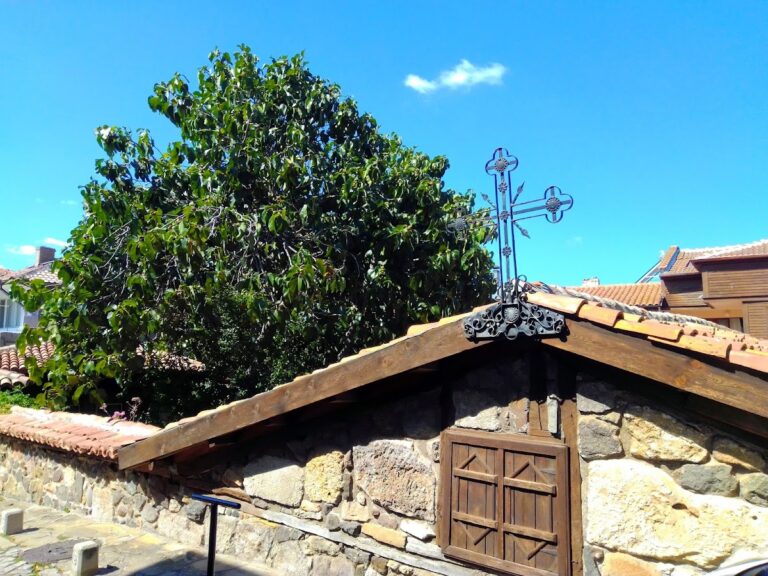
The Church of the Theotokos in Sozopol is a fifteenth-century Bulgarian Orthodox church with medieval origins, later additions, and a carved wooden…
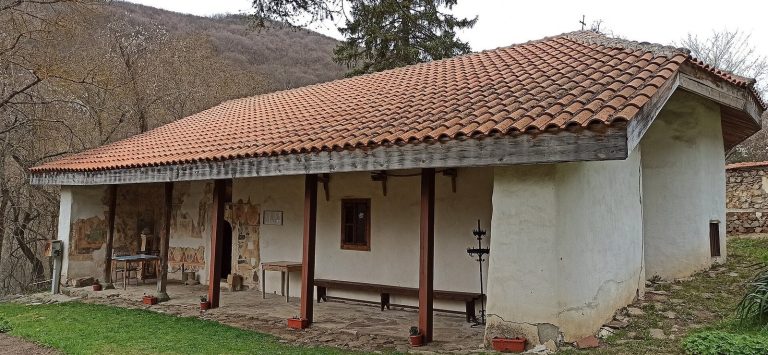
Eleshnitsa Monastery is a medieval Bulgarian Orthodox foundation near Eleshnitsa, known for its frescoes, literary tradition, wartime refuge, and…
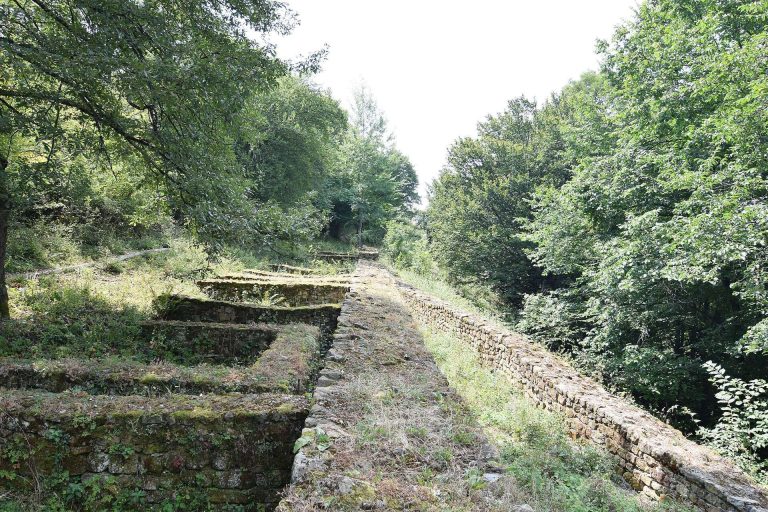
Bozhenishki Urvich is a ruined fortress on the Lakavitsa ridge, with Early Byzantine origins, medieval Bulgarian defenses, and archaeological…
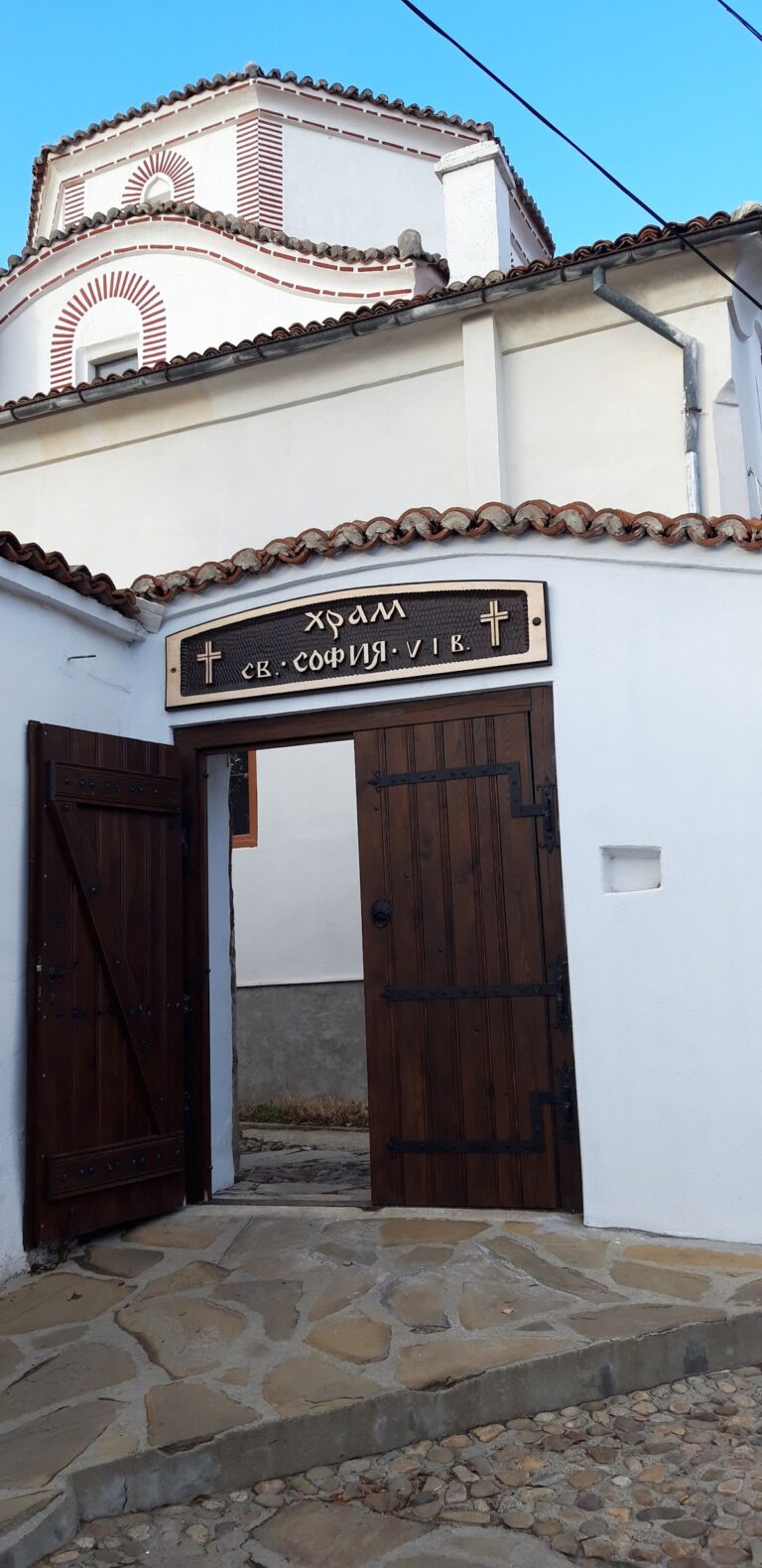
Saint Sophia Church in Sliven is a medieval Orthodox church whose origins have been dated variously to the sixth or thirteenth century. Renovated in…
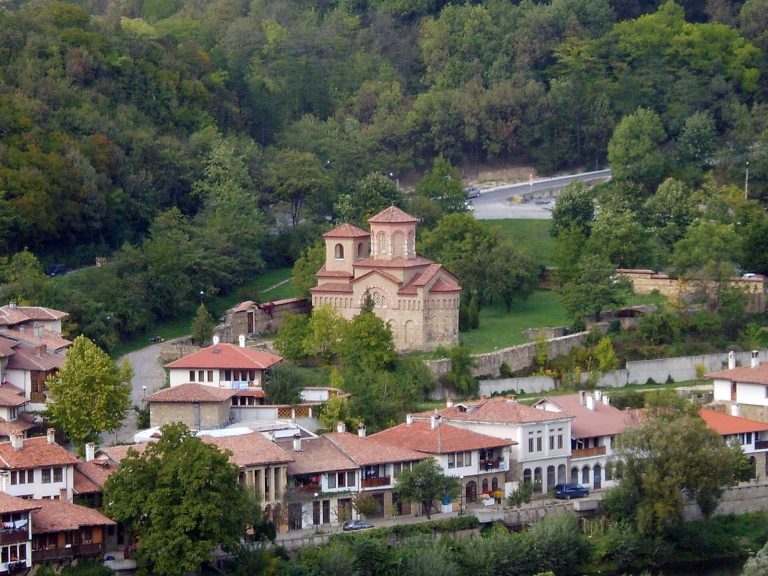
The Church of St Demetrius of Thessaloniki in Veliko Tarnovo was built in 1185 and became associated with the Asen dynasty and the restoration of the…
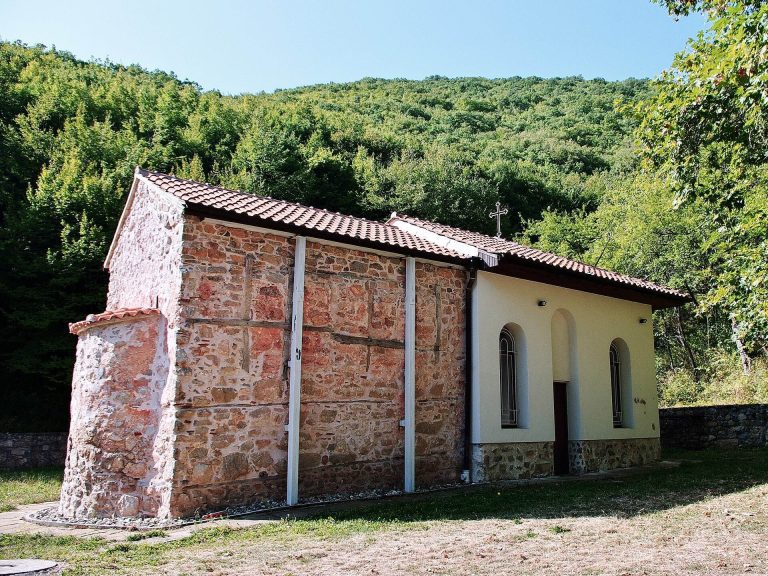
Boboshevo Monastery, dedicated to Saint Demetrius, developed into a religious, educational, and literary center during the Ottoman period. Its late…
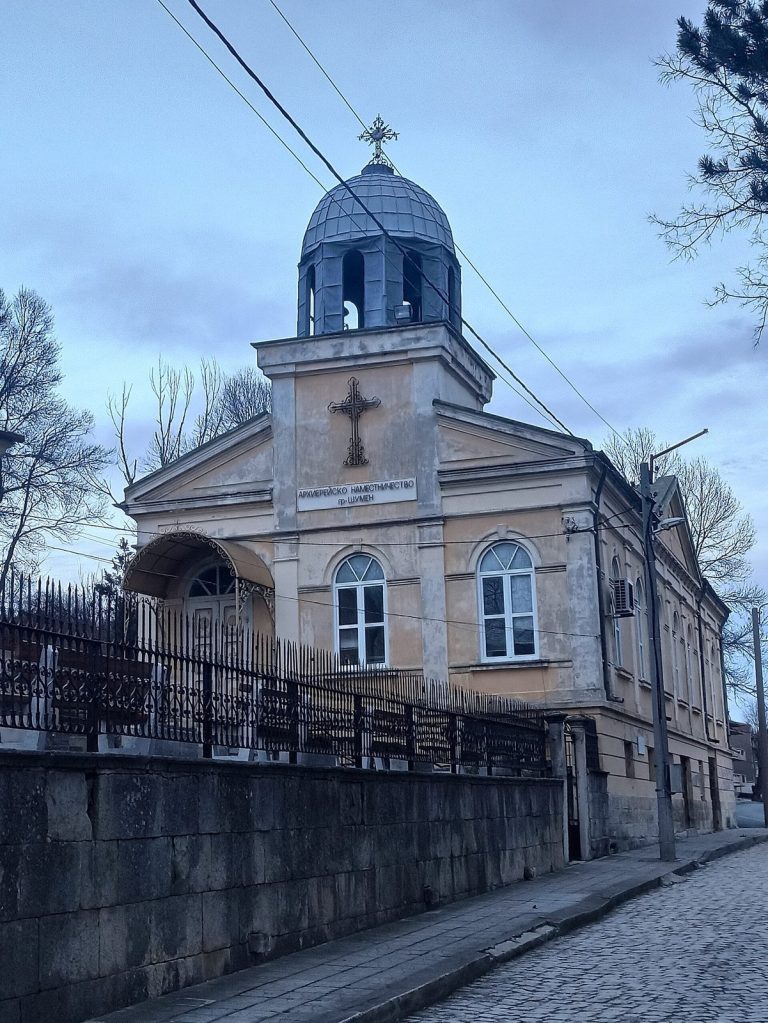
Holy Ascension of the Lord and Saint George is regarded as Shumen’s oldest Orthodox church, with medieval foundations beneath its present building…
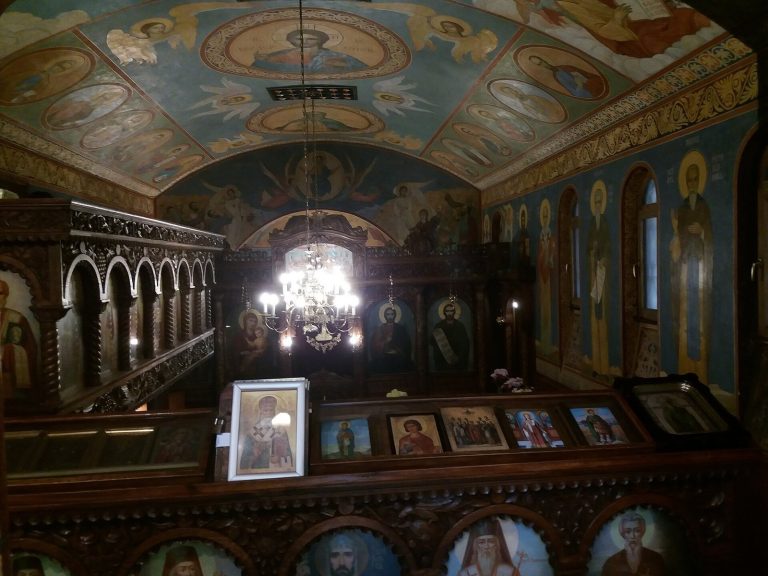
Saint Nicholas Church in Sofia preserves evidence of fourth-century palace and church remains, a thirteenth-century family chapel, and postwar…
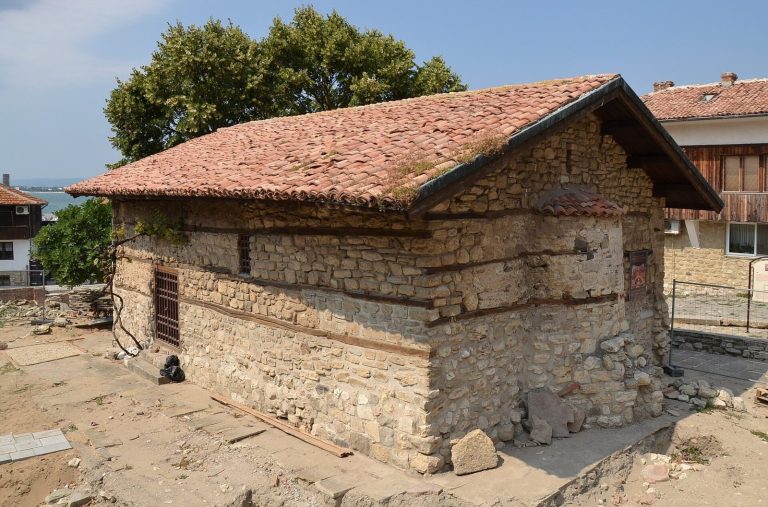
Built in 1609 under Ottoman rule, the Church of the Holy Saviour is a former Orthodox church and museum known for its seventeenth-century frescoes…
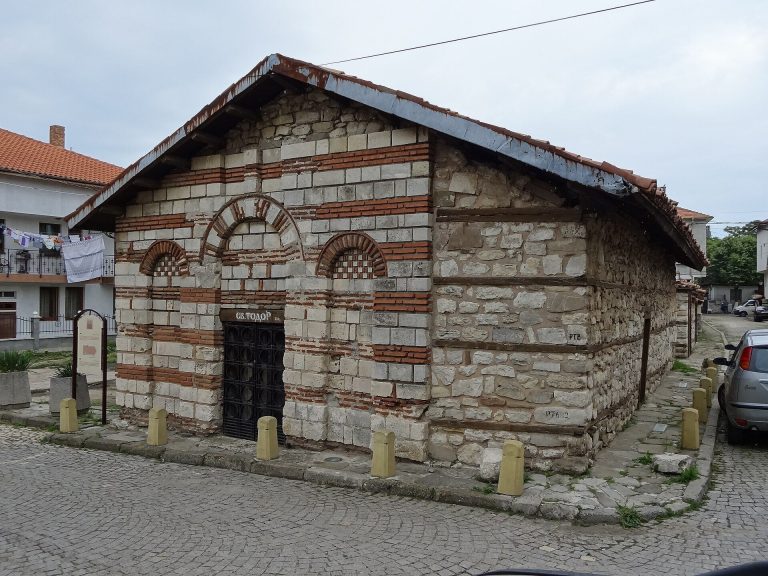
The Church of St Theodore is a thirteenth-century former Orthodox church built during the Second Bulgarian Empire in Nessebar, Bulgaria. Its…
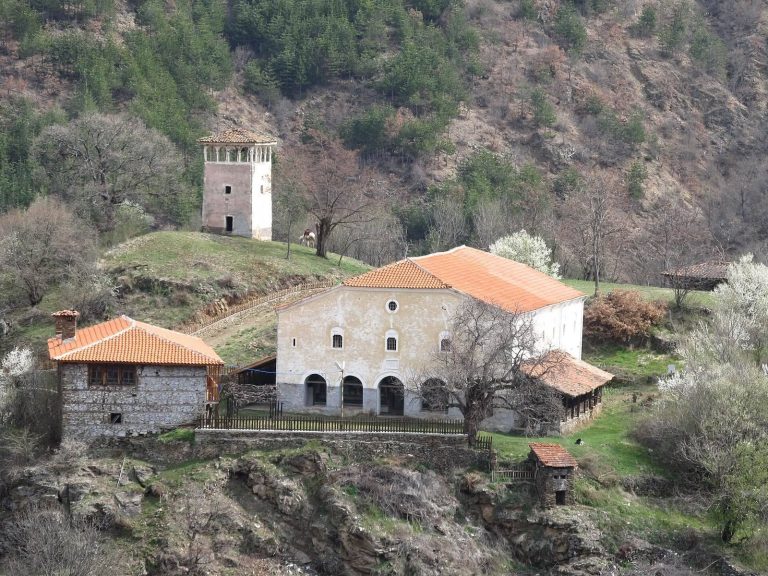
Churilovo Monastery in southwestern Bulgaria preserves a nineteenth-century church, a former Bulgarian school, and traditions linked to the religious…
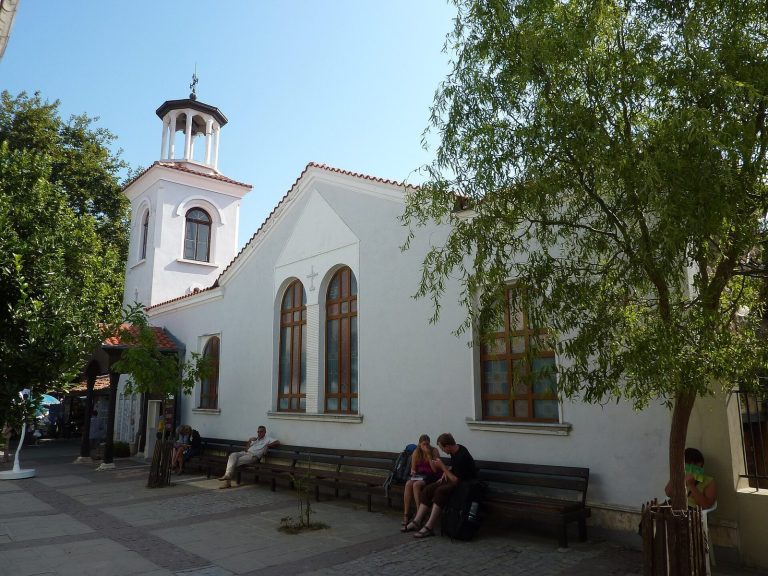
The Church of Saint George in Sozopol is a Bulgarian Orthodox church built in 1860, preserving important Christian relics and nineteenth-century…
For details on how to use the maps, which sites are included, how popularity and ratings are determined, and how sites are classified, see the help page.
On this page6 sections
Fortified settlements at Shumen
Shumen Fortress occupies a hill above the modern city. Archaeology has identified successive Roman, early Byzantine and medieval Bulgarian defensive lines, each with characteristic towers. Bulgarian builders reused earlier walls and altered some towers, while the Second Bulgarian Empire added another circuit.
The enclosed area formed part of a larger settlement whose population also occupied a suburb outside the walls. The site can therefore be read through both its changing fortifications and the remains of buildings within them. Its medieval phase developed an established stronghold on routes linking the Danube, Black Sea coast and the southern Balkans.
The basilica complex at Pliska
The Great Basilica at Pliska belonged to a religious complex at the first Bulgarian capital. Its long church stood alongside an archbishop’s residence, monastic buildings and spaces associated with education and manuscript production. Excavation also identified a bath with an underfloor heating system beside the residential area.
The extensive layout gives the site its scale. The church, courtyards and adjoining ranges reveal an institution that combined worship, residence and administration. The remains have undergone modern conservation and partial reconstruction, so raised sections should be distinguished from the excavated medieval masonry. The interpretation of an earlier structure beneath the basilica remains debated.
Decorated churches on the coast and inland
The Church of Christ Pantocrator in Nesebar uses alternating brick and stone to animate its exterior. Blind arches, geometric patterns and circular turquoise ceramic pieces cover the façades, with particularly elaborate decoration around the eastern end. An octagonal dome rises above the elongated church body.
Inside the Church of Saint Petka at Staničenje, in present-day Serbia, painted decoration carries much of the historical evidence. A founder’s inscription dates the building and painting to 1331–1332 under Bulgarian Emperor Ivan Alexander and the authority of the Vidin lord Belaur.
The church has a modest single nave, barrel vault and eastern apse. Its surviving paintings and inscriptions give a more specific connection to medieval Bulgarian history than location alone. It is now a Serbian Orthodox church, with later alterations and conservation also recorded in its fabric.
Rock-cut rooms at Aladzha
Aladzha Monastery occupies two levels of caves in a steep limestone cliff near Varna. The monastic arrangement included churches, chapels, cells, a kitchen, refectory and burial spaces. These functions were fitted into the rock instead of distributed among freestanding masonry ranges.
An altar niche remains in the principal church, while a chapel on the upper level preserves fragments of wall painting. Much of the painted decoration has disappeared, but the cut spaces retain the organization of a community living, eating and worshipping within the cliff.
Zografou’s enclosed monastic buildings
Zografou Monastery on Mount Athos in Greece continues the history of Bulgarian religious foundations beyond modern Bulgaria. Its residential and service wings form a fortified quadrangle on a wooded mountain slope.
The visible enclosure largely dates from eighteenth- and nineteenth-century rebuilding. The Bansko wing, later northern range and refectory record successive patrons and expansions. Zografou thus supplies a substantial later monastic complex within this historical collection, with the standing buildings clearly distinguished from the monastery’s medieval origins.
Explore the collection
Explore sites on the map or in the grid. Map icons reflect each site’s primary function, helping you identify different kinds of places at a glance. Refine the results by country, primary function, site type and era; civilization choices are restricted to this collection. Popularity and rating filters provide further refinements. Select a map marker to view the site’s details and open its article, or open the article from its grid entry.