Historic Sites in Syria: Explore Roman Theatres, Castles and Mosques
Explore historic sites in Syria, including Roman theatres, medieval castles, mosques and caravanserais. The examples below range from the basalt auditorium enclosed within Bosra’s later fortifications to ridge-top castles, courtyard mosques and the domed trading rooms of Damascus. Their surviving structures include Roman, Byzantine, Crusader, Islamic and Ottoman work, often within the same complex.
Primary Function: All
Type: All
Civilization: All
Popularity: All
Rating: All
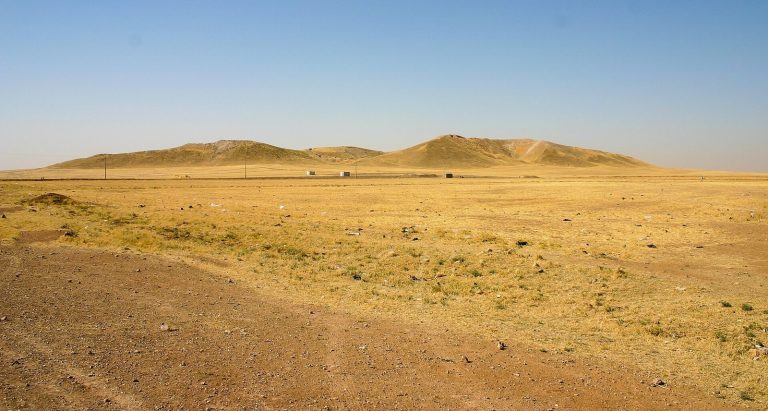
Occupied from about 6500 BC, Tell Brak grew into an early urban center and later the capital of Nagar. Its remains trace the changing communities,…
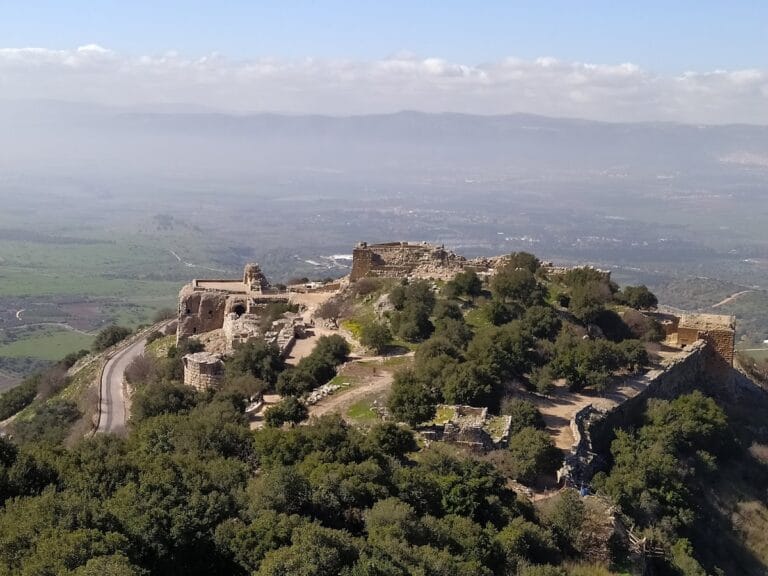
Nimrod Fortress occupies a strategic ridge on Mount Hermon and preserves evidence of Ayyubid, Mamluk, Ottoman, and modern military use, including…
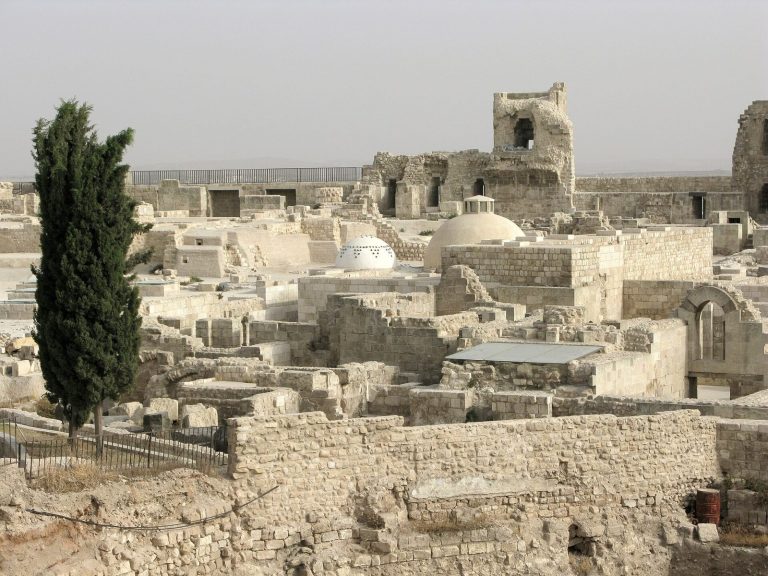
The Citadel of Aleppo is a fortified palace complex whose mound was used from the Bronze Age through the modern period. Its surviving Ayyubid and…

The Great Mosque of Aleppo is one of the city’s oldest and largest congregational mosques. Founded during the Umayyad period, it developed through…
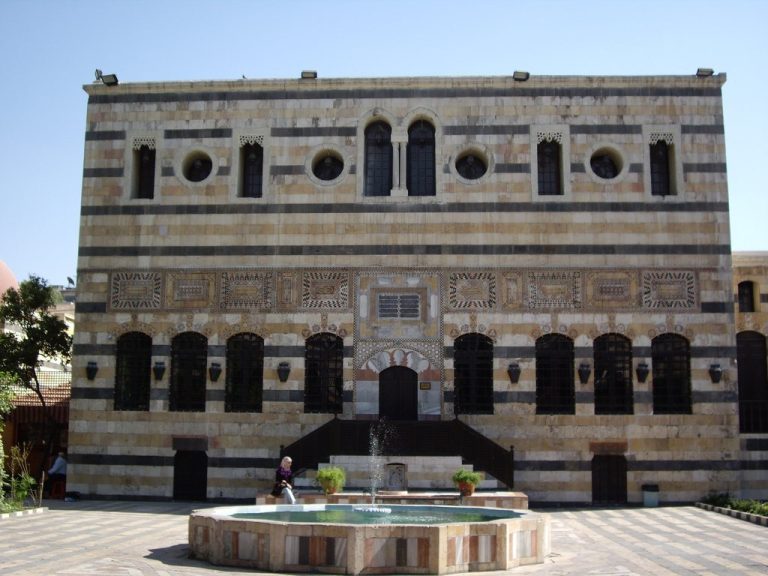
Built in 1749 for As'ad Pasha al-Azm, Al-Azm Palace served as a residence, reception centre, and administrative setting before becoming Damascus's…
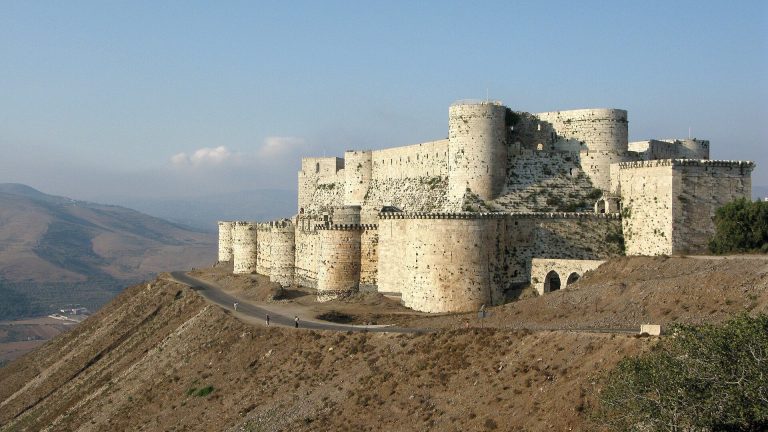
Krak des Chevaliers is a medieval fortress overlooking the Homs Gap in Syria. Developed by the Knights Hospitaller from an earlier Kurdish garrison,…
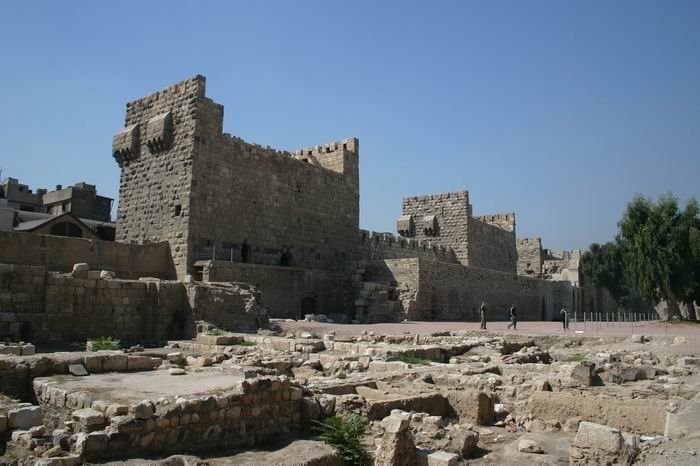
The Citadel of Damascus is a medieval fortified palace and fortress at the northwestern corner of Damascus’s walled old city. Begun in 1076, it was…
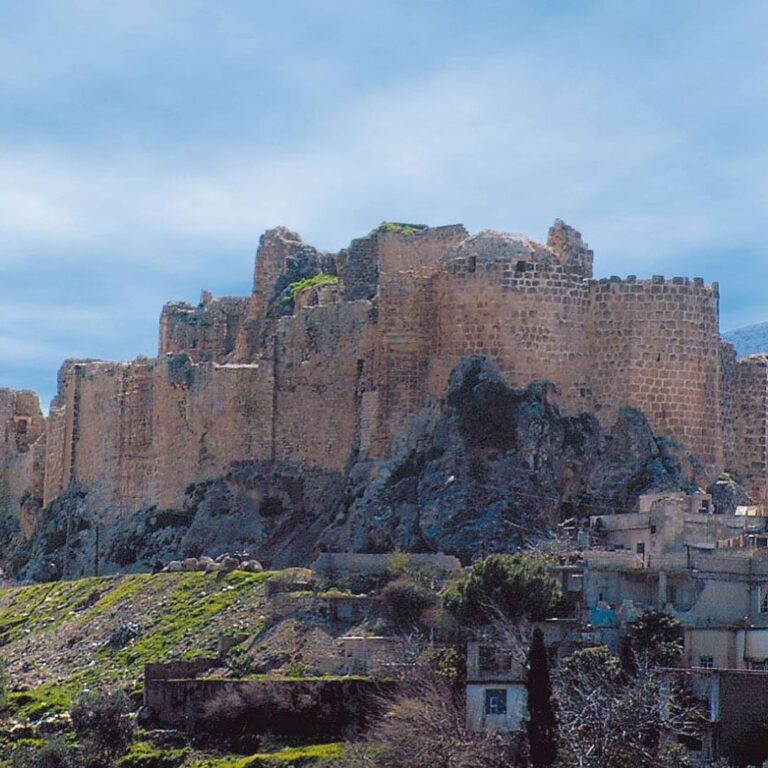
Masyaf Castle is a fortified site in western Syria whose Roman and Byzantine foundations were expanded by the Nizari Ismailis, Mamluks, and Ottomans.…
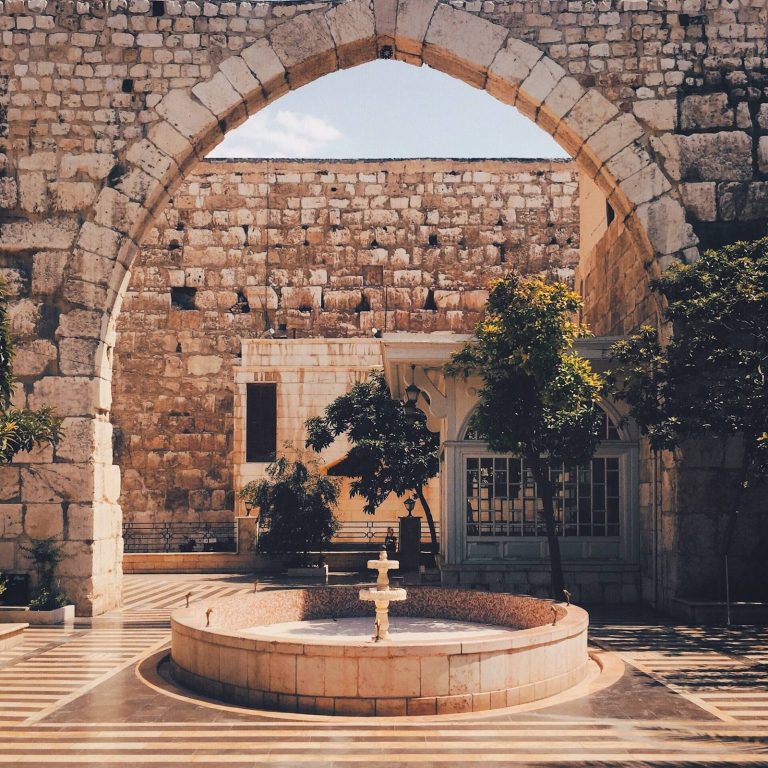
The Mausoleum of Saladin in Damascus is the burial place of the Ayyubid sultan Saladin. Built beside the Umayyad Mosque in the late twelfth century,…
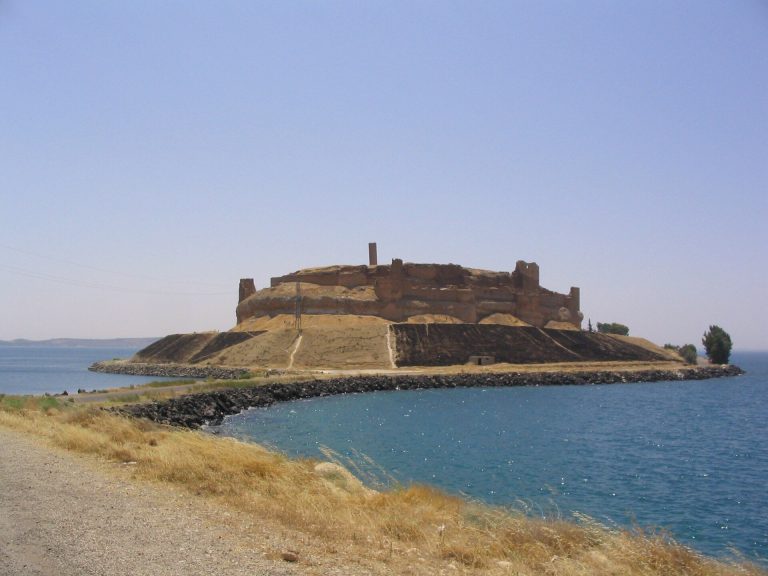
Qal'at Ja'bar is a partially restored medieval fortress whose history spans the Ghassanids, Numayrids, Zengids, Ayyubids, Mamluks, and Ottomans. Its…
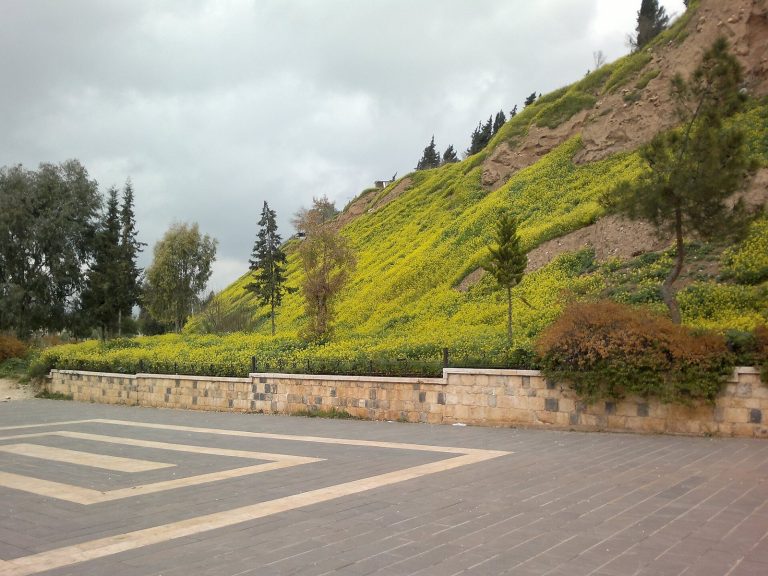
Hama Castle occupies the ancient urban mound beside the Orontes River and preserves evidence of occupation from the fifth millennium BC through the…
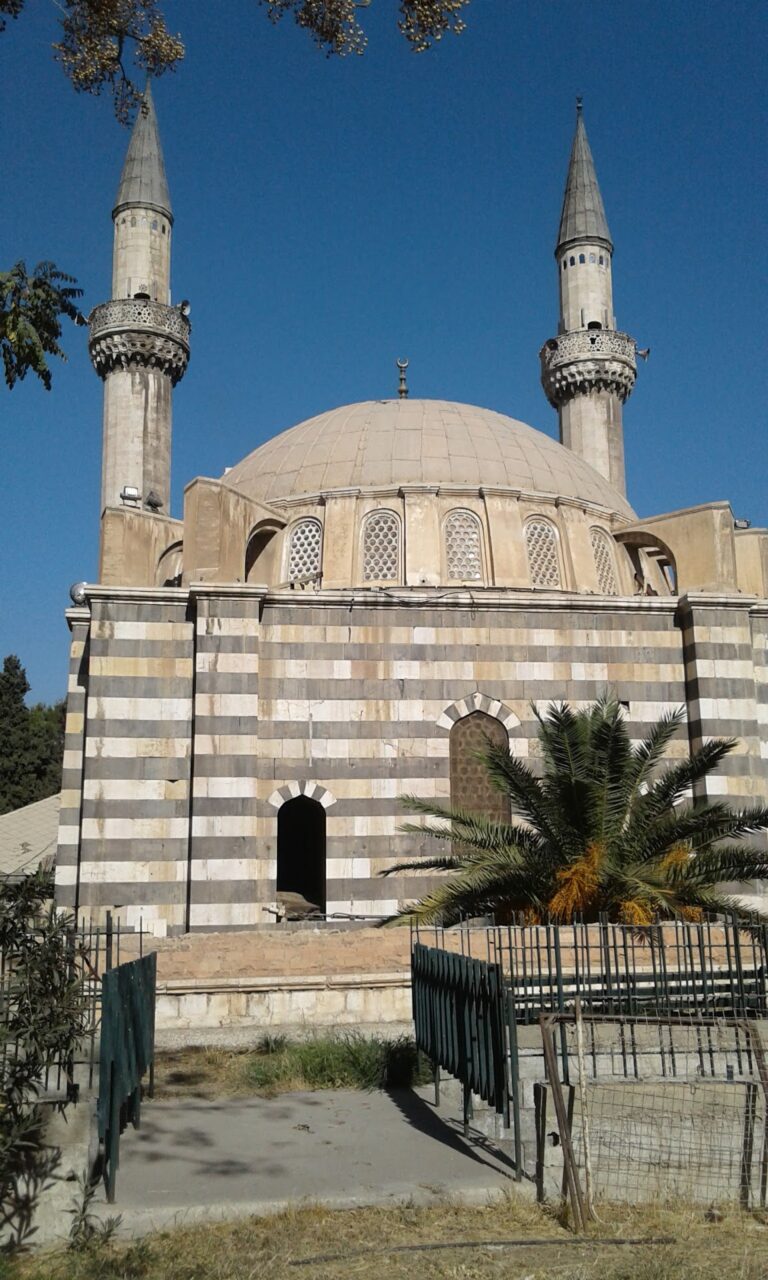
Sulaymaniyya Takiyya is a sixteenth-century Ottoman mosque and charitable complex in Damascus, built for Sultan Suleiman the Magnificent and later…
For details on how to use the maps, which sites are included, how popularity and ratings are determined, and how sites are classified, see the help page.
On this page5 sections
Roman theatres and stage buildings
At Bosra, medieval fortifications surround a Roman theatre built largely from black basalt. The semicircular auditorium was constructed on level ground, with vaulted passages supporting and serving the seating above. Horizontal walkways divide the tiers, and a substantial stage building closes the performance area. Columns also survive from the portico that once crowned the upper seating.
The theatre’s exterior is largely concealed by its later defensive enclosure. Its conversion into a fortified complex therefore left the Roman performance space inside a very different outer shell. Twentieth-century excavation and restoration removed accumulated material and later structures, recovering much of the theatre’s internal arrangement. Conflict has also affected the site, adding a further phase of repair to its conservation history.
Medieval castles and rock-cut defences
Krak des Chevaliers overlooks the Homs Gap, the route between the interior and the Mediterranean. Its Hospitaller construction developed into inner and outer defensive circuits, enclosing a courtyard and extensive vaulted chambers. The entrance follows a long, turning corridor through the outer works, exposing an approaching force to several defended points. Towers, arrow slits and projecting openings above the walls supported defence at different distances. Mamluk repairs and additions followed the capture of the castle in 1271.
The Citadel of Salah Ed-Din occupies a long ridge between deep valleys. A massive ditch cut into the bedrock separates its eastern end from the adjoining plateau. A solitary pillar of rock was left standing to support the bridge across this cut. Within the elongated enclosure are Byzantine and Crusader structures, together with later Islamic additions including a mosque and a palace with baths. The ditch, towers and changes in ground level remain central to understanding its defences.
Mosques and courtyard complexes
The Umayyad Mosque in Damascus occupies a sacred enclosure whose outer walls incorporate much of the earlier Roman temple precinct. Arcades surround a large courtyard, while the prayer hall has long rows of columns and a central transverse space beneath the Dome of the Eagle. Mosaics depict buildings, landscapes and vegetation. Fires, earthquakes and restoration have altered the fabric: the dome was replaced after the 1893 fire, and parts of the mosaic decoration were remade in the twentieth century.
The sixteenth-century Sulaymaniyya Takiyya combines a mosque with buildings intended for hospitality and food provision. Its square prayer hall is covered by a large Ottoman dome, with two slender minarets beside the entrance portico. Alternating dark and light stone courses appear on the exterior. Across the courtyard, a soup kitchen and domed hospice ranges give the complex a broader plan than the prayer building alone.
Caravanserais and covered trading rooms
Khan As’ad Pasha was built in Damascus in 1751–1752. Beyond its elaborate entrance is a courtyard surrounded by alternating black and white masonry, with eight domes around a central opening. Ground-floor shops had associated storage rooms, while arcades on the upper floor served merchants’ accommodation. The central pool, covered trading spaces and two levels of rooms preserve the arrangement of an Ottoman caravanserai within the city’s souq.
Explore the collection
Explore sites on the map or in the grid. Map icons indicate each site’s primary function, helping you identify different kinds of places at a glance. Narrow the results by primary function, site type, civilization or era, with additional filters for popularity and rating. Select a map marker to view the site’s details and open its article, or open the article from its grid entry.