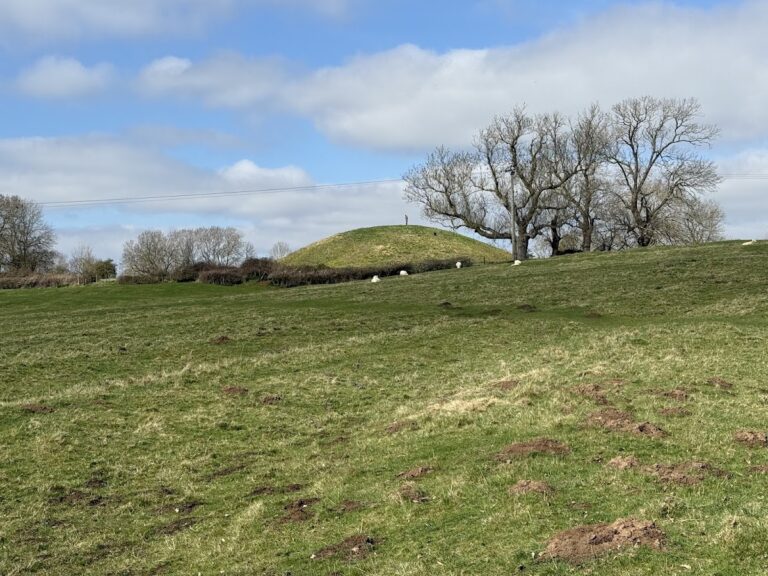
Baginton Castle: A Medieval Castle in Warwickshire
Site at a Glance
- Rating
- 4.3
- Popularity
- Low
- Country
- United Kingdom
- Primary era
- Medieval
- External website
- Open
- Eras represented
- Medieval, Early Modern
- Civilizations
- English
- Site type
- Military
- Remains
- Castle
On this page8 sections
History
Baginton Castle is a ruined medieval castle in the United Kingdom, in Baginton, Warwickshire. A motte-and-bailey castle was built there in the twelfth century during the reign of Henry I, who ruled England from 1100 to 1135. The site had earlier contained a seventh-century house, and a dwelling house was also established alongside the castle.
Twelfth-century foundation
Geoffrey Savage, a medieval English landowner, constructed the original castle at Baginton. Its motte-and-bailey form consisted of a raised earth mound carrying a fortified building and an enclosed outer area known as a bailey. The earlier seventh-century house was destroyed to make way for the castle, placing the medieval stronghold within a much older settlement history.
Rebuilding and noble imprisonment
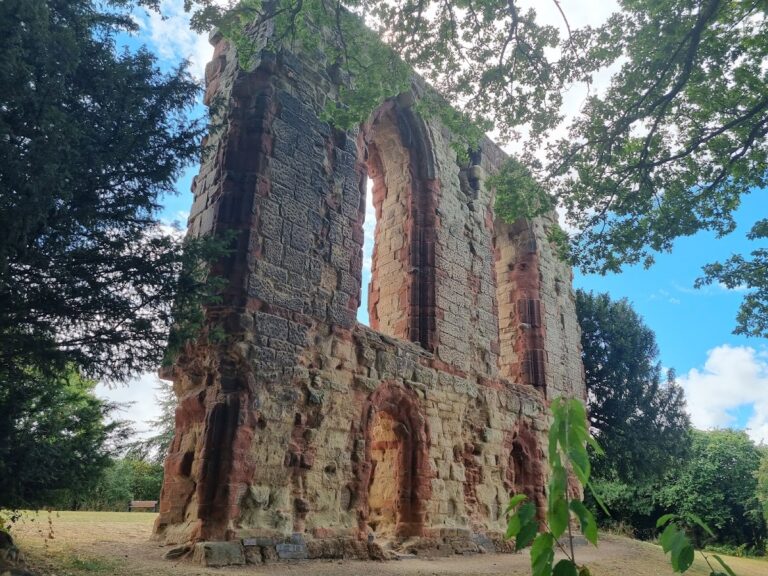
By the fourteenth century, the castle had fallen into disrepair. Around 1397, Sir William Bagot, a medieval knight and landowner, rebuilt it in stone as a keep. The surviving principal ruin is a late-fourteenth-century house associated with this rebuilding phase.
Baginton Castle later became connected with the rebellion led by Harry Hotspur. After Hotspur’s defeat at the Battle of Shrewsbury on 21 July 1403, his father, Henry Percy, 1st Earl of Northumberland, was imprisoned at the castle. Percy was a leading English nobleman involved in the rising against royal forces.
Decline and changing use
The castle was again in disrepair by the sixteenth century, and some of its stone was taken for other local buildings. In 1540, the English antiquary John Leland described the site as “desolate.” Francis Goodere purchased the castle in 1544 and later left it to his son Henry. Henry Goodere sold the castle and its surrounding land to Sir William Bromley in 1618 to raise money.
By 1706, most of the surviving earthworks of the twelfth-century motte had been levelled and replaced with a pleasure garden. During the eighteenth century, the ruins were used as a pigsty, reflecting the site’s transition from fortified residence to agricultural and ornamental use.
Excavation and protection
The fourteenth-century keep was excavated between 1933 and 1948, but shrubs later covered the ruins again. The castle was fully excavated in 2009. The remains are protected as both a Grade II listed building and a Scheduled Monument. The scheduled area includes the castle, associated settlement remains, ponds, and mill sites, while the listed-building designation places the ruins 160 yards west of the Church of St John the Baptist.
Remains
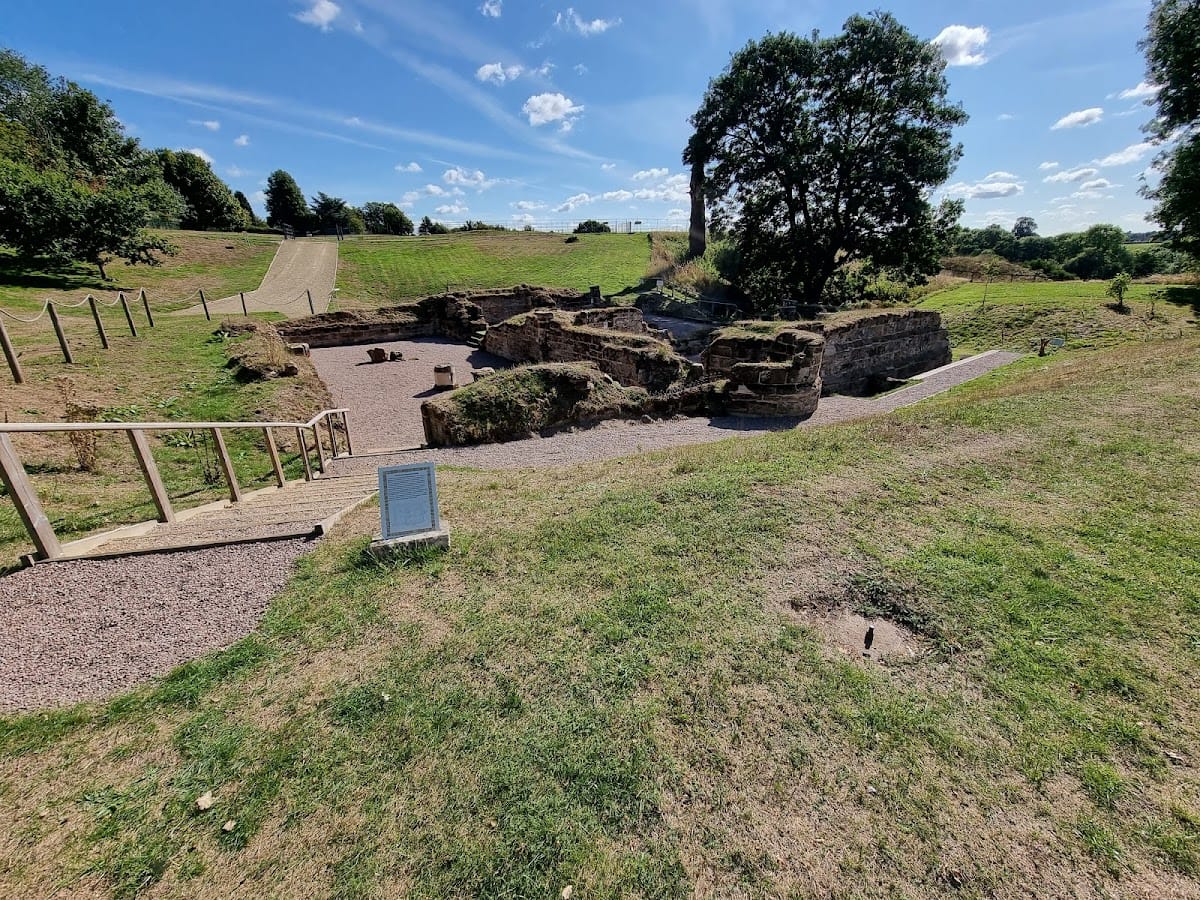
The surviving site brings together the late-fourteenth-century castle ruin, part of its eastern ditch, later village earthworks, and traces of earlier occupation. The physical remains reflect repeated changes to the castle and its surroundings, including the conversion of the former motte area into a pleasure garden.
Castle ruin and eastern ditch
The principal ruin is the late-fourteenth-century house, while the castle’s rebuilding around 1397 produced a stone keep associated with Sir William Bagot. Part of the ditch from this fourteenth-century castle survives along the eastern side. The ruins were excavated in the twentieth century, became overgrown again, and were fully excavated in 2009. In 2023, the restored ruins and the surviving eastern ditch were recorded.
Earlier settlement and village earthworks
The location of the original twelfth-century motte-and-bailey has been identified within the site, probably beneath or near the ruins of a nineteenth-century gazebo. A probable tower site from Geoffrey Savage’s original castle lies beside the gazebo ruins. The surrounding area also preserves fifteenth- and sixteenth-century village earthworks and the site of the former seventh-century house that preceded the castle.