Roman Sites in the United Kingdom: Explore Towns, Villas and Military Baths
Roman sites in the United Kingdom include town walls, mosaic-decorated houses, military bathhouses and excavated forts. Across the collection, remains range from the high bathhouse wall at Wroxeter to the sheltered floors of Fishbourne and Chedworth. Sites in England, Wales and Scotland also preserve different parts of military life, including swimming pools, latrines, barracks and the civilian settlements outside fort gates.
Primary Function: All
Type: All
Popularity: All
Rating: All
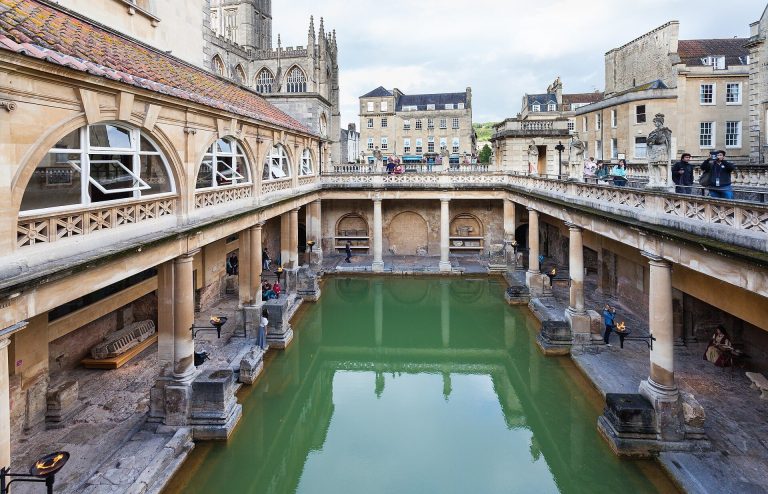
The Roman Baths preserve the sacred spring, temple, bathing buildings, drainage systems, and archaeological collections of Aquae Sulis, a Roman…
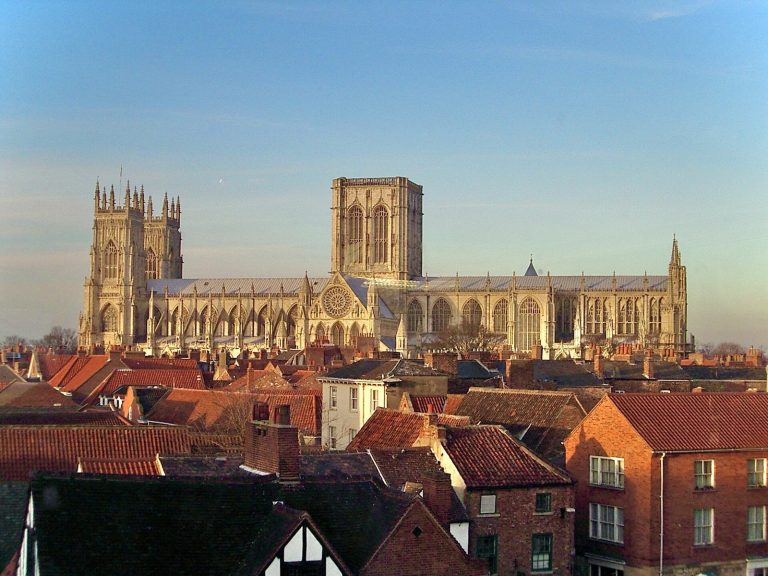
York Minster is the historic mother church of the Diocese and Province of York, developed through Anglo-Saxon, Norman, and Gothic phases and rebuilt…
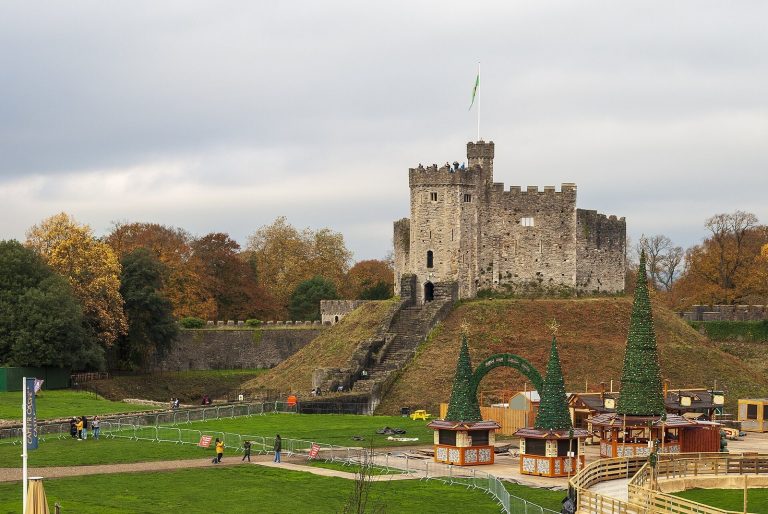
Cardiff Castle developed from a Roman defensive position into a Norman motte-and-bailey, a medieval Marcher stronghold, and a Victorian Gothic…
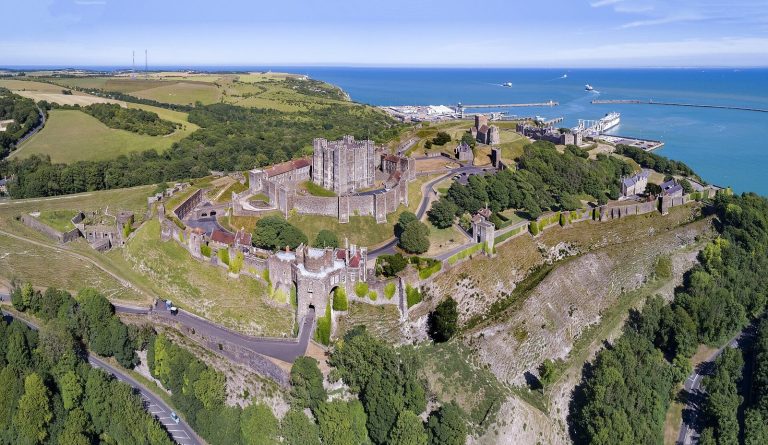
Dover Castle in Kent developed from Norman fortifications into a major medieval stronghold and later a garrison and wartime command centre,…

Founded in 1068 on the site of a Roman fortress, Lincoln Castle became a royal stronghold, medieval battlefield, county prison, court, and heritage…
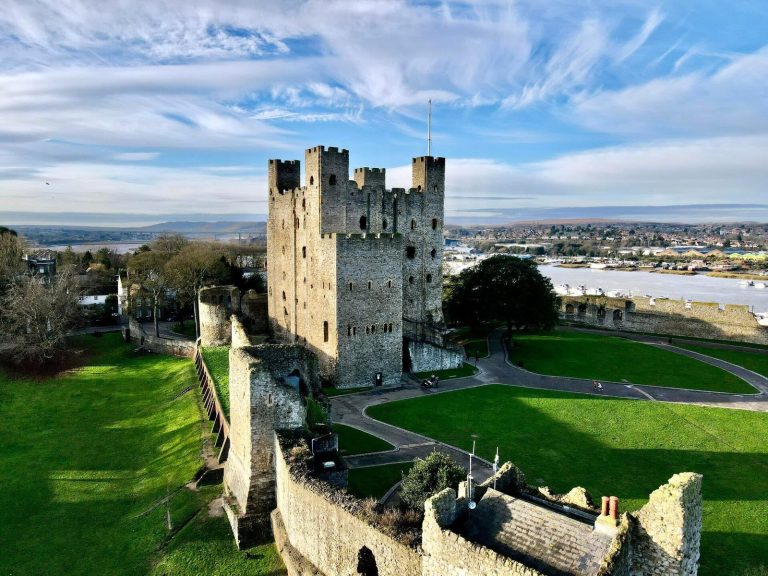
Rochester Castle developed from a post-Conquest fortification into a major stone stronghold beside the River Medway. Its twelfth-century keep, later…
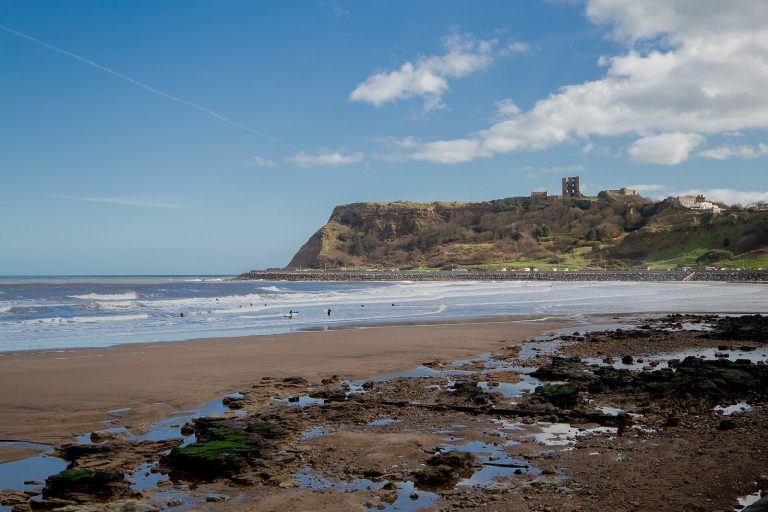
Scarborough Castle is a former royal fortress whose remains preserve Iron Age, Roman, Anglo-Scandinavian, medieval, Civil War and later military…
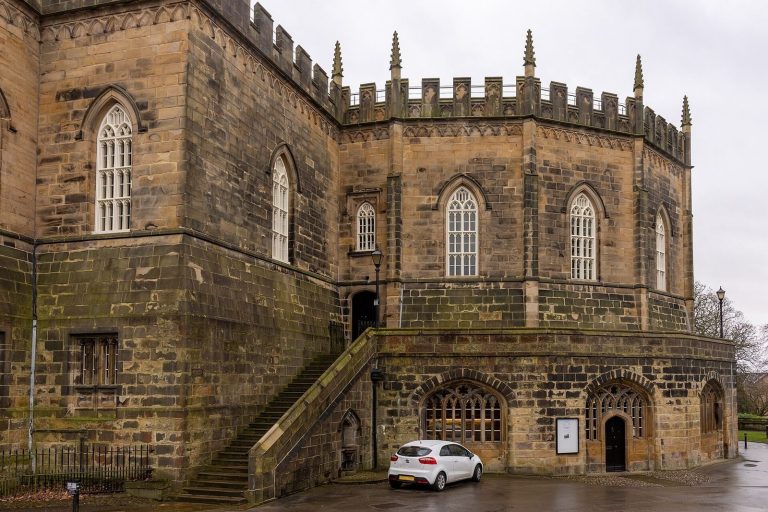
Lancaster Castle developed from a Norman fortress on the site of a Roman fort and later became a county prison, courthouse, and venue for major…
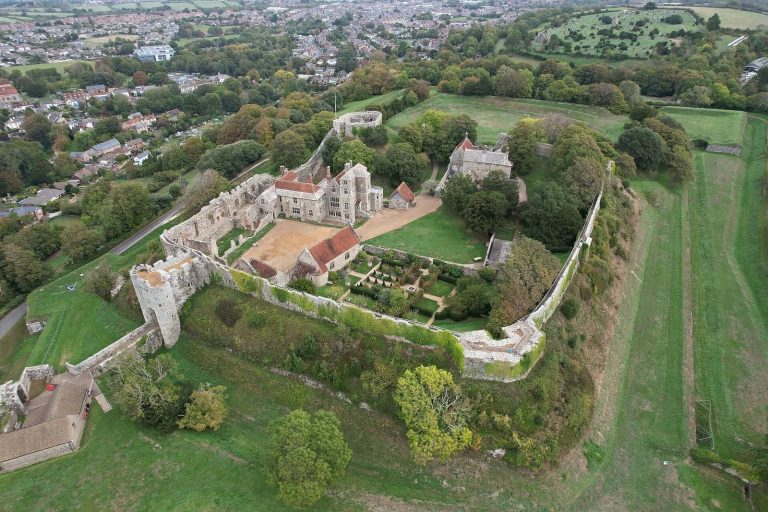
Carisbrooke Castle developed from a late tenth-century Wessex stronghold into a Norman castle, royal prison, artillery fortress, and governor’s…
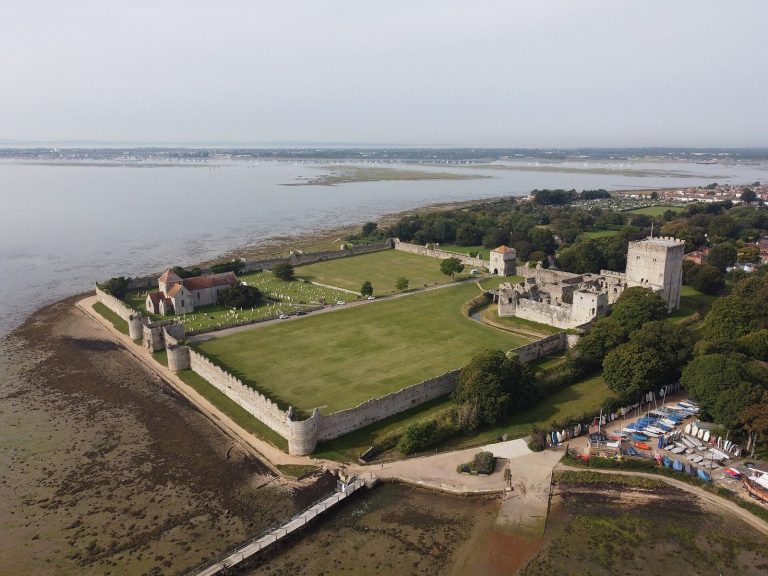
Portchester Castle developed from a Roman coastal fort into an Anglo-Saxon burh, medieval royal fortress, prison, and heritage site beside Portsmouth…
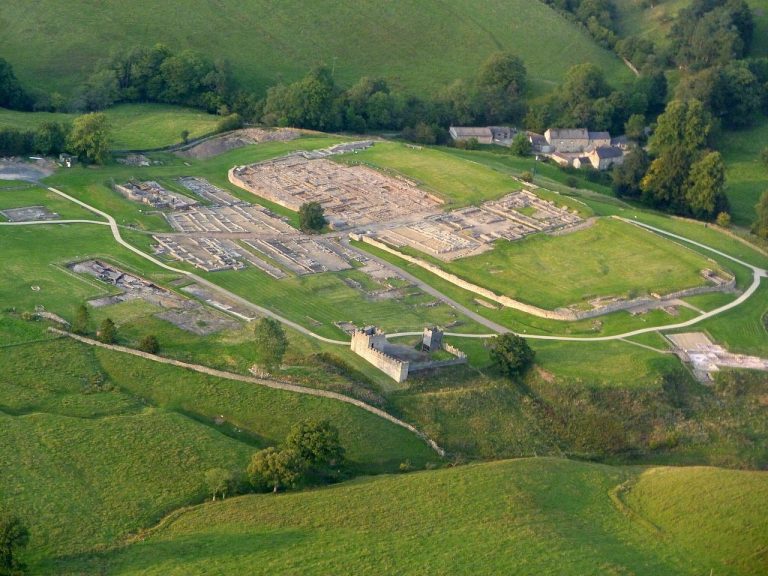
Vindolanda was a Roman frontier fort beside the Stanegate in northern Britain, occupied from the late first century until after the Roman withdrawal.…
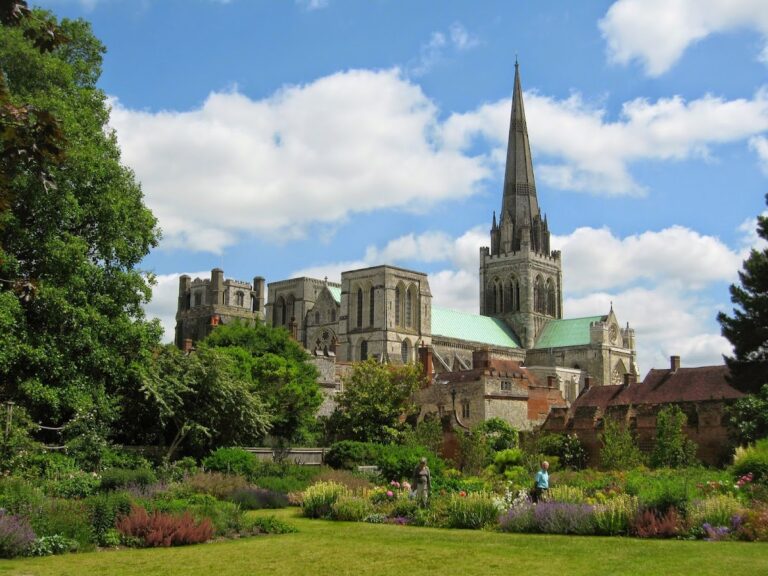
Chichester Cathedral, founded in 1075 after the episcopal seat moved from Selsey, combines Norman and Gothic architecture with a long history of…
For details on how to use the maps, which sites are included, how popularity and ratings are determined, and how sites are classified, see the help page.
On this page6 sections
Wroxeter and Silchester: buildings within Roman towns
At Wroxeter Roman City, the surviving wall known as the Old Work rises about seven metres above the bath complex. Arched openings and adjoining masonry preserve part of the division between the baths and their large exercise hall. Nearby remains include heated rooms and the market, so the excavated area covers several connected public buildings. The reconstructed Roman town house elsewhere on the site is modern, built to demonstrate construction methods.
Silchester Roman Town preserves a much longer perimeter: its walls run for roughly two and a half kilometres around the ancient settlement. Gates interrupted the circuit, and the amphitheatre stood outside it. The arena and surrounding banks preserve the shape of the entertainment building, while much of the town inside the walls is buried again following excavation. Its known street grid should therefore be distinguished from an exposed network of Roman roads.
Fishbourne and Chedworth: decorated domestic interiors
At Fishbourne Roman Palace, surviving mosaics occupy rooms in the north wing of a residence originally arranged around a large garden. Geometric designs and later figural floors record changes in decoration during the building’s occupation. The excavated rooms are protected beneath a modern cover, while the replanted garden represents an interpretation of the ancient planting layout established through archaeology.
Chedworth Roman Villa combines mosaic-decorated reception rooms with two bath suites and a spring-fed shrine. The spring was enclosed by an octagonal basin, with part of its enclosing wall still standing. Heated rooms and the dining-room floor belong to the residential complex around the courtyard. Here the water source, bathing facilities and decorated interiors can be understood within the same country house, rather than as detached exhibits.
Military baths at Caerleon and Bearsden
The Roman Baths at Caerleon served the legionary base of Isca in Wales. A long swimming pool survives alongside changing and bathing areas, with alterations showing that the pool was reduced in length during its use. Brick supports beneath heated floors reveal how hot air circulated under the rooms. The protective building encloses part of a much larger complex, portions of which extend beneath the modern town.
At Bearsden Roman Baths in Scotland, the bathhouse and adjoining latrine survive beside the site of a fort on the Antonine Wall. Their exposed plans preserve two closely related facilities used by the garrison. The remains sit among modern housing, but their separate rooms identify the bathing and sanitary buildings within what was once a military annexe.
Vindolanda: a fort and its civilian settlement
Vindolanda preserves successive phases of occupation, from earlier timber forts to the later stone enclosure visible in the excavated area. Headquarters buildings, barracks and granaries belong to the military plan, while buildings outside the walls formed a civilian settlement associated with the garrison.
The site’s writing tablets, wooden objects and leather finds largely owe their preservation to buried, waterlogged deposits. They complement the masonry but often come from earlier phases than the stone walls. Keeping those phases separate explains how the same location preserves both a legible fort plan and unusually detailed evidence of the people who lived there.
London Mithraeum: a reconstructed display of ancient masonry
The London Mithraeum preserves remains of a temple dedicated to Mithras beneath the modern city. A lowered central aisle, raised side benches and an apse define the worship space. The excavated masonry was moved after its discovery and later reassembled near its original position in a purpose-built underground setting. Ancient stones therefore survive within a modern archaeological presentation; the enclosing room and effects are not a complete Roman temple preserved in place.
Explore the collection
Explore sites on the map or in the grid. Map icons reflect each site’s primary function, helping you identify different kinds of places at a glance. Narrow the results by primary function, site type or era, with additional filters for popularity and rating. Select a map marker to view the site’s details and open its article, or open the article from its grid entry.