Castles in Lithuania: Explore Walled Enclosures, Fort Networks and Towered Residences
Castles in Lithuania include medieval stone enclosures, later country residences and the extensive military works surrounding Kaunas. The collection also covers palaces, including buildings reconstructed to explain earlier royal settings. Walls, towers, estate buildings and sheltered gun positions provide the main examples here, with later additions identified where they shape what stands today.
Primary Function: All
Type: All
Civilization: All
Popularity: All
Rating: All
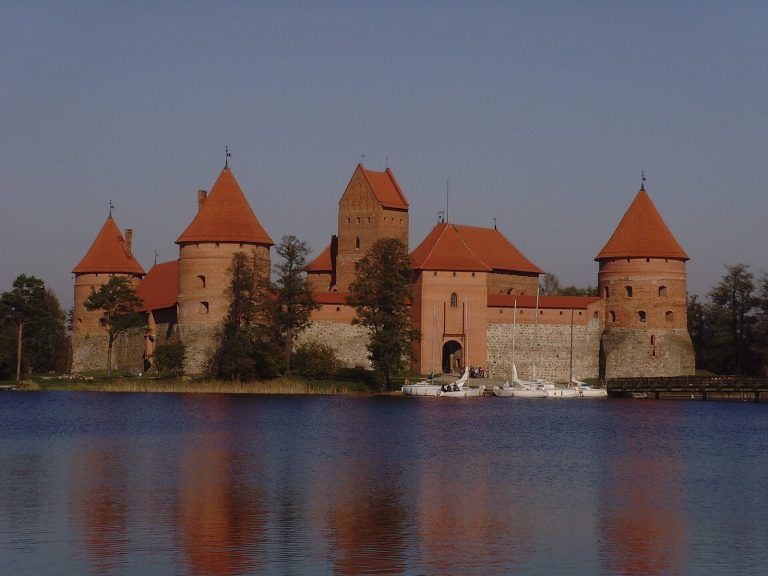
Trakai Island Castle in Lithuania developed from a fourteenth-century defensive project into a grand-ducal residence, later serving as a royal summer…
Upper Castle in Vilnius, on Castle Hill between the Neris and Vilnia rivers, developed from a medieval wooden fortress into a Brick Gothic…
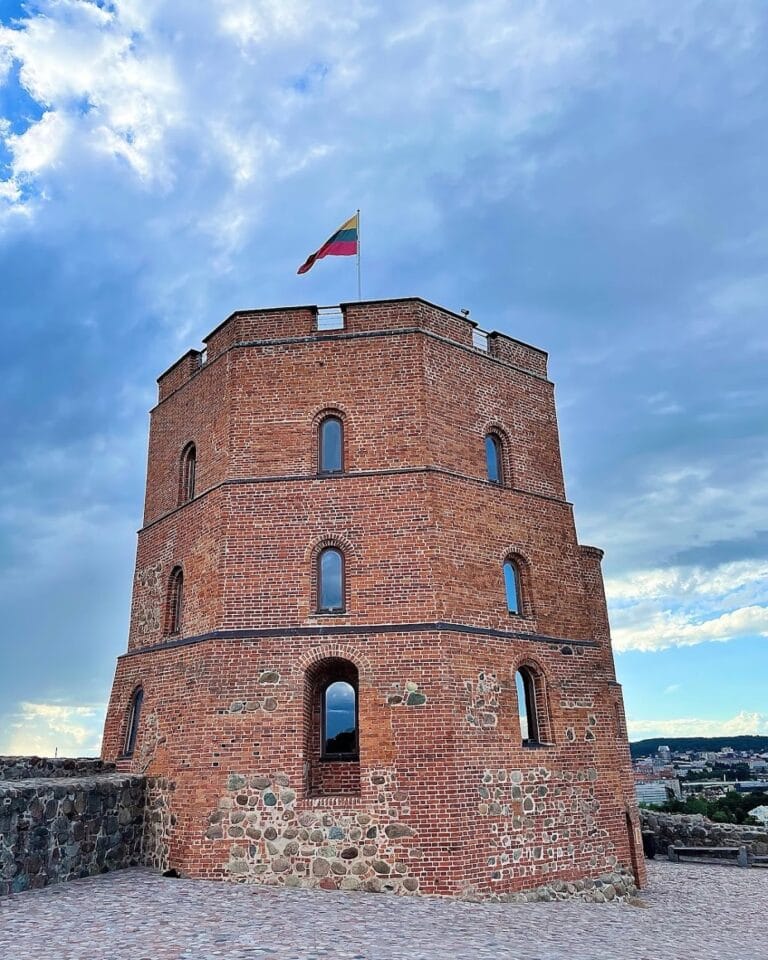
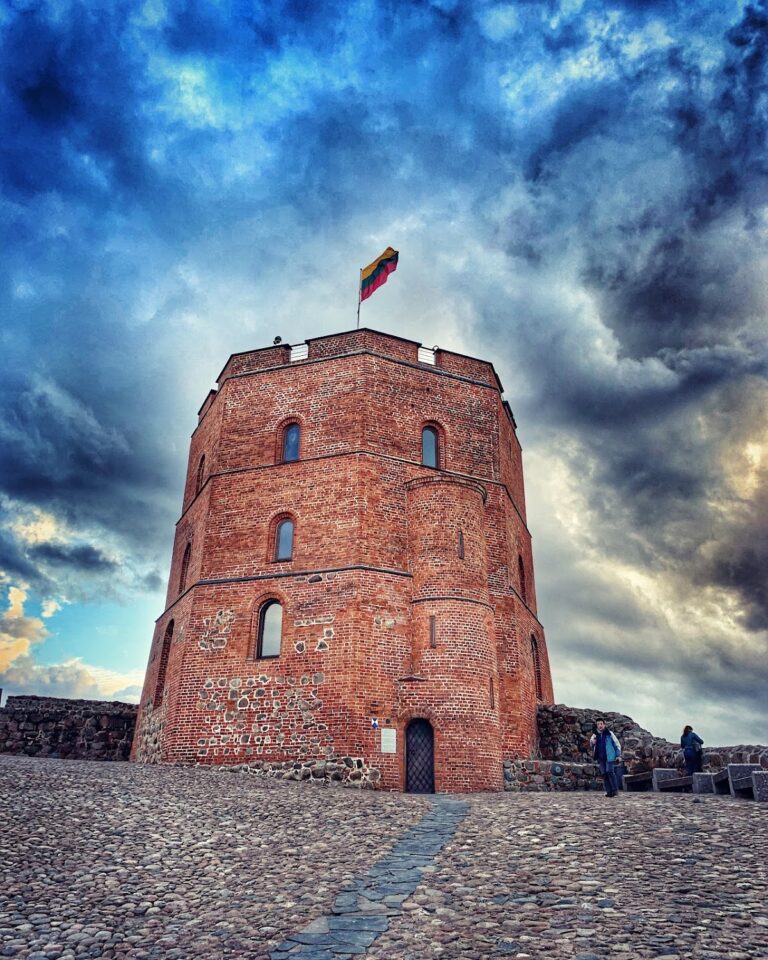
Gediminas' Tower is the surviving western defensive tower of Vilnius's Upper Castle in Lithuania. Its history spans medieval fortification, military…
Kaunas Fortress was a Russian imperial military complex built and modernized between 1882 and 1915. Its forts, batteries, infrastructure, prisons,…
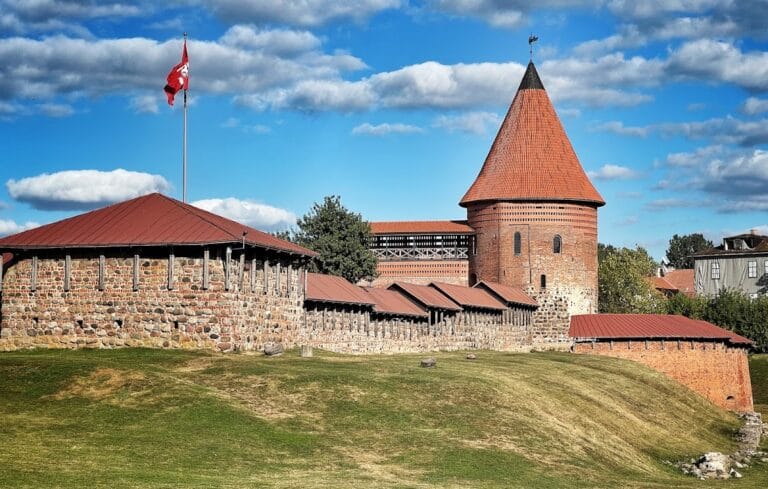
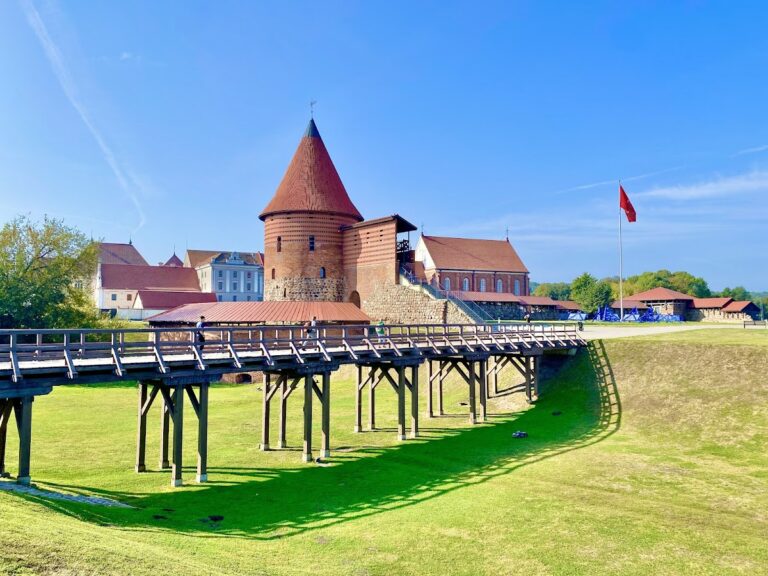
Kaunas Castle is one of Lithuania’s oldest masonry castles. Built near the confluence of the Nemunas and Neris rivers, it served as a frontier…
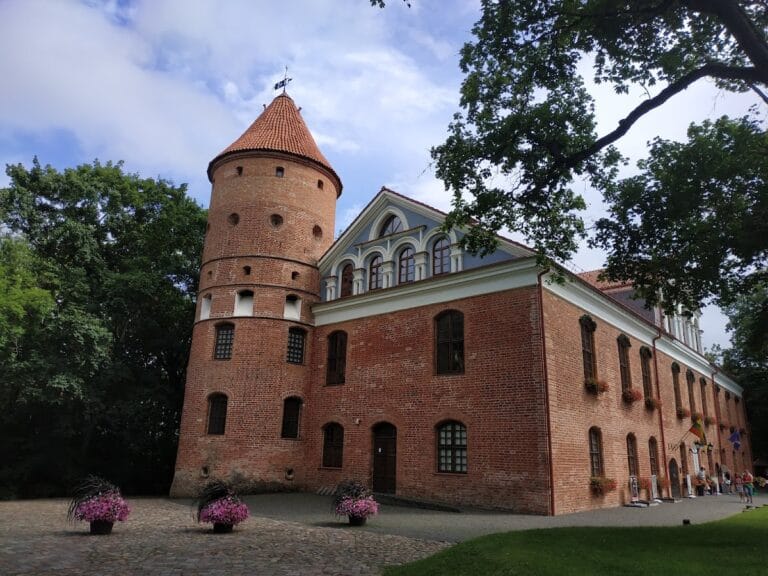
Raudondvaris Castle is a historic noble estate west of Kaunas, shaped by Radziwiłł, Zabiełło, and Tyszkiewicz ownership, nineteenth-century…
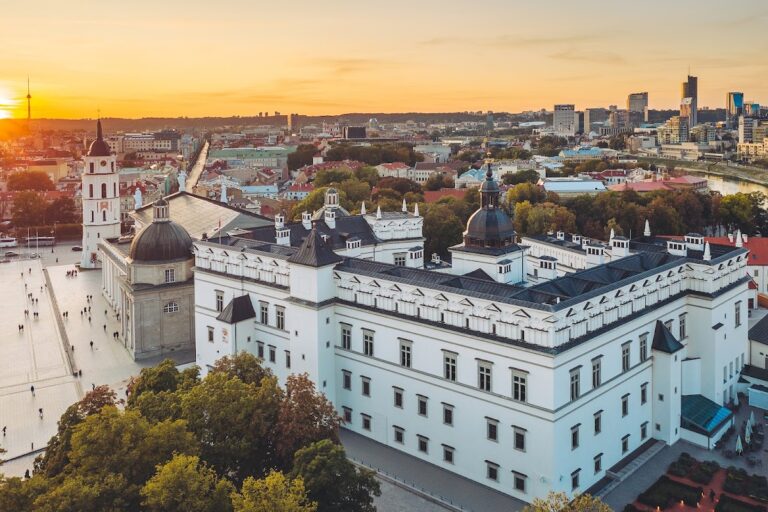
The Palace of the Grand Dukes of Lithuania in Vilnius developed from a medieval Gothic residence into a Renaissance and Early Baroque political and…
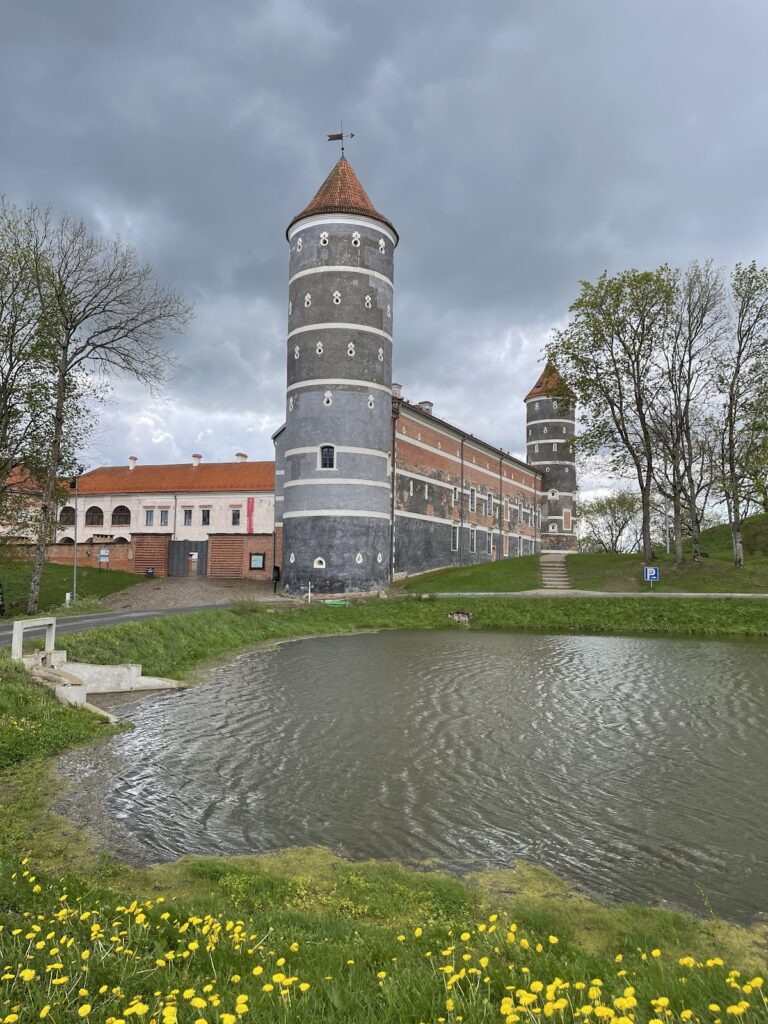
Panemunė Castle on the Nemunas River developed from a medieval Teutonic fortification into a Renaissance noble residence, later transformed by the…
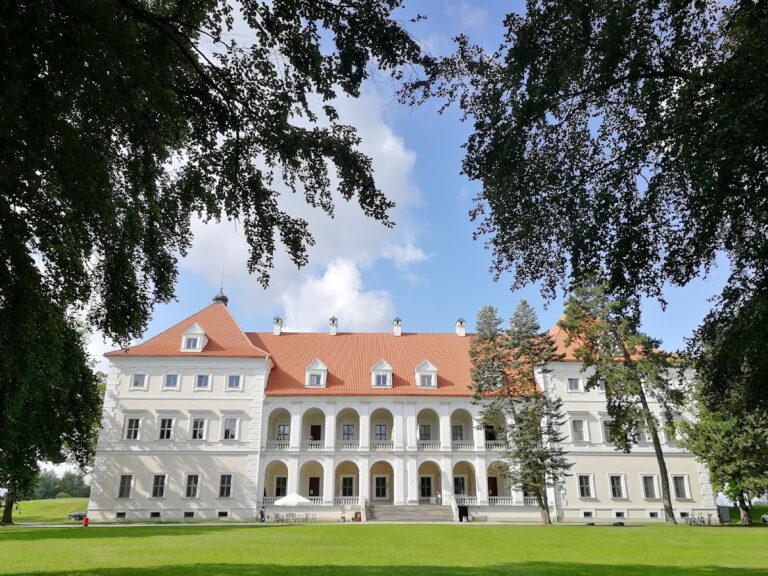
Biržai Castle was the principal residence and stronghold of the Biržai-Dubingiai branch of the Radziwiłł family. Built and rebuilt as an artillery…
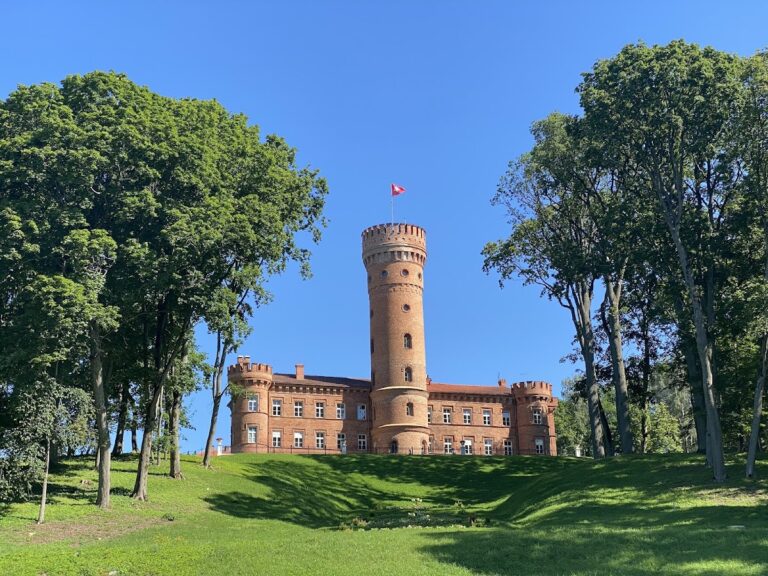
Raudonė Castle developed from a Teutonic fortified site into a Renaissance residence and later a Neo-Gothic castle complex. Its history includes…
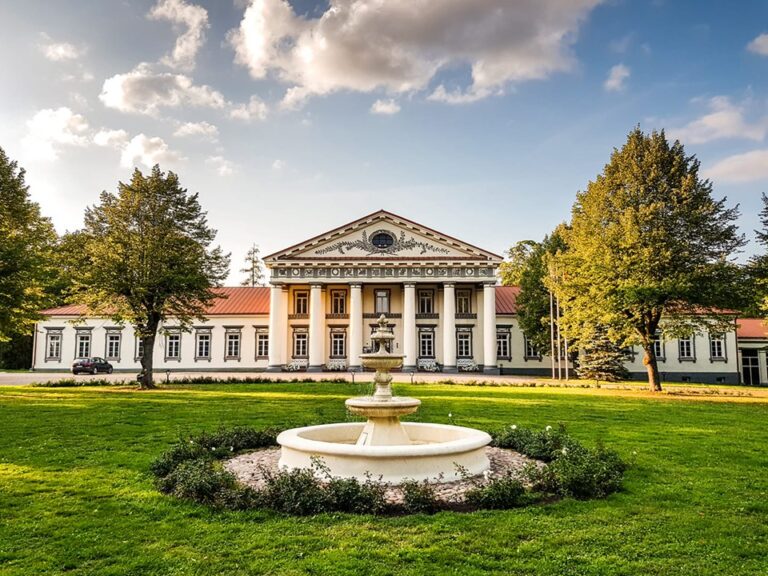
Taujėnai Manor is a historic residential estate in Lithuania, established in the late sixteenth century and rebuilt as a Classical Revival palace in…
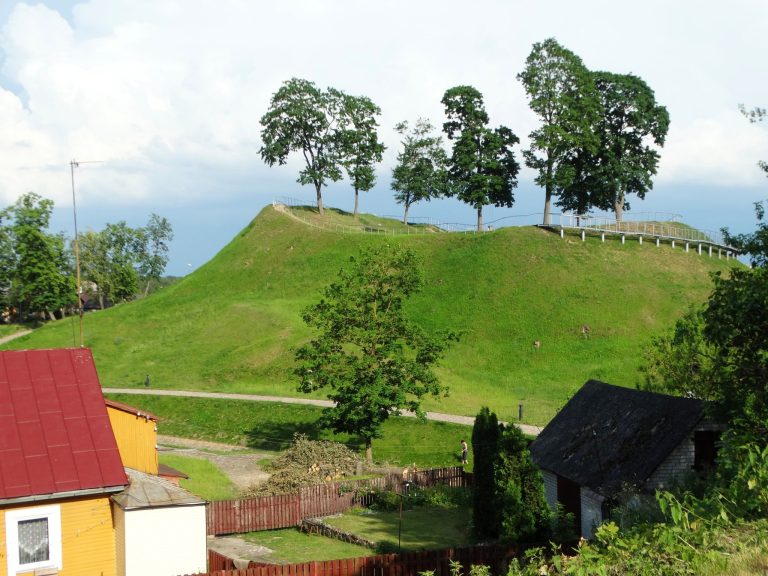
Ukmergė Hillfort preserves the site of Vilkmergė Castle, a medieval stronghold repeatedly attacked, captured, burned, and rebuilt between the…
For details on how to use the maps, which sites are included, how popularity and ratings are determined, and how sites are classified, see the help page.
On this page5 sections
Kaunas and Medininkai: towers and enclosing walls
At Kaunas Castle, near the meeting of the Nemunas and Neris, a circular tower and adjoining masonry mark part of a larger medieval stronghold. The southeastern tower includes two floors added during modern reconstruction. Beside it, the excavated artillery barbican provided positions for firing around the defences; an underground gallery connected defensive spaces with the tower basement.
River erosion removed much of the original castle area, so the surviving tower should not be mistaken for an intact four-sided enclosure. Its combination of older fabric and reconstructed upper levels needs to be read alongside the lower defensive works.
Medininkai Castle spreads across a much larger courtyard enclosed by fieldstone walls with brick details. A principal tower stands at the northeastern corner. Its upper portion and crenellated summit are modern reconstructions, while authentic masonry survives in sections of the walls and towers. The broad enclosure accommodated buildings that no longer stand, making the relationship between the corner tower and perimeter walls its clearest large-scale feature.
Raudonė and Raudondvaris: towers in country residences
Raudonė Castle combines a residence with a tall cylindrical tower and red-brick Neo-Gothic detailing. Its appearance owes much to nineteenth-century alteration; the tower was rebuilt after destruction in 1944. The surrounding park and estate buildings place the house within a residential landscape rather than an isolated defensive compound.
At Raudondvaris, the tower and loophole-like details similarly accompany a country residence. The complex developed from a seventeenth-century house and received later architectural changes. An orangery, stables, granaries and other service buildings supported the estate. Their arrangement explains the practical scale of the household beyond the main rooms: horses, food storage and plant cultivation required buildings of their own.
Kaunas Fortress: brick barracks and concrete defences
Kaunas Fortress is a network of forts built around the city under the Russian Empire. Brick barracks, earth-covered magazines and defensive ditches belong to a system designed for artillery warfare. Projecting chambers allowed fire along the ditches, while later works made greater use of concrete and buried accommodation.
This collection of separate forts differs in scale and construction from Kaunas’s medieval castle. It also has a history extending beyond its original military purpose. Several forts were used for imprisonment and mass executions during the Nazi occupation, including the Ninth Fort. That history is essential to understanding buildings whose surviving rooms include places of detention as well as former garrison accommodation.
Palace of the Grand Dukes: a reconstructed royal residence
The Palace of the Grand Dukes in Vilnius is largely a modern reconstruction on the site of the earlier royal palace. Original archaeological remains and cellar fabric survive beneath and within the rebuilt complex. Recreated apartments present successive Gothic, Renaissance and early Baroque settings.
Its large courtyard ranges should therefore be distinguished from an uninterrupted survival of the former palace. The combination of archaeological masonry and reconstructed rooms explains both the earlier residence and the modern attempt to recover its form. It adds a royal household to the collection alongside military enclosures and country estates, with the building’s reconstructed character made explicit.
Explore the collection
Explore sites on the map or in the grid. Map icons reflect each site’s primary function, helping you identify different kinds of places at a glance. Narrow this collection by primary function, by a site type within the castle and residence group, or by civilization and era. Additional filters cover popularity and rating. Select a map marker to view the site’s details and open its article, or open the article from its grid entry.