Teck Castle: A Medieval Fortress on Teckberg Mountain in Germany
Visitor Information
Google Rating: 4.5
Popularity: Medium
Official Website: www.burg-teck-alb.de
Country: Germany
Civilization: Medieval European, Modern
Site type: Military
Remains: Castle
History
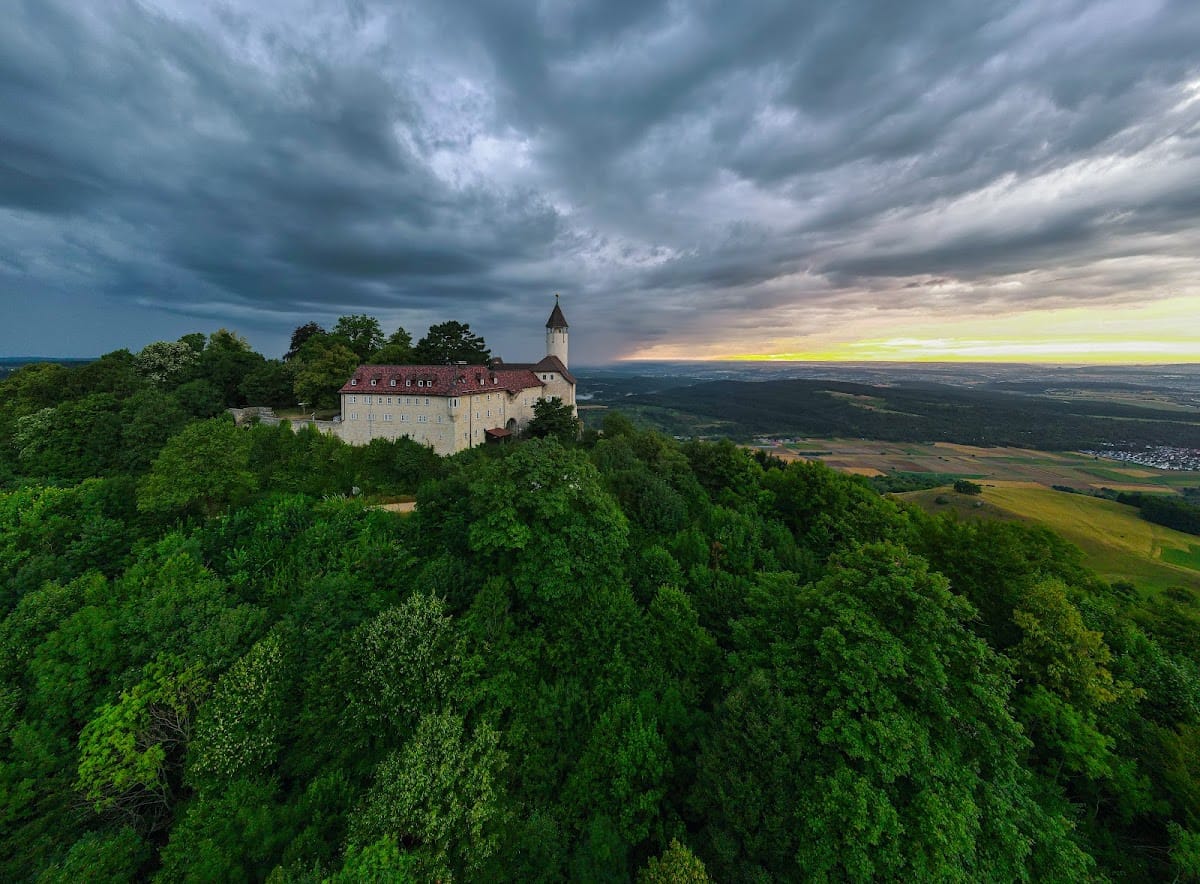
Teck castle is located on Teckberg mountain within the municipality of Owen, Germany. This medieval fortress was originally constructed by the Nellenburg family in the late 11th century.
By 1152, Teck is documented in a treaty involving Emperor Frederick Barbarossa and Duke Conrad of Zähringen, confirming the castle’s existence as a recognized stronghold. It later became the principal possession of the Zähringen dynasty. From 1178 onward, a junior branch of this family adopted the title of Dukes of Teck, highlighting their independent rule based at the castle.
During the 14th century, financial pressures led the dukes to sell parts of Teck castle. Half of the property was sold to the Habsburgs in 1303, while the remaining half transferred to the Counts of Württemberg in 1381. The ducal family eventually died out in the 15th century, and by 1495 the ducal titles associated with Teck passed fully to the Württemberg rulers. After this, the castle ceased functioning as a ducal residence and served as the seat of a Vogt, or bailiff.
In 1519, the castle’s defenders joined the Swabian League in opposition to Duke Ulrich of Württemberg. A few years later, in 1525, during the widespread Peasants’ War, Teck castle was completely destroyed. Though plans emerged in the 18th century, specifically in 1736 under Duke Carl Alexander, to rebuild Teck as a modern fortress, construction halted the following year due to his death. By 1738, the incomplete structures were dismantled, leaving Teck as a ruin.
The Teck name resurfaced in the 19th century through Franz, son of Duke Alexander, who received the rank of prince in 1837 and was granted the ducal title in 1871. He married Princess Mary Adelaide, granddaughter of King George III of England. Their daughter, Mary, later married King George V of the United Kingdom, introducing the Teck name into British royal lineage.
Since 1941, the site of Teck castle has been under the stewardship of the Swabian Alb Association. The surrounding landscape gained protection as a designated nature reserve in 1999, illustrating the enduring cultural and natural significance of the location.
Remains
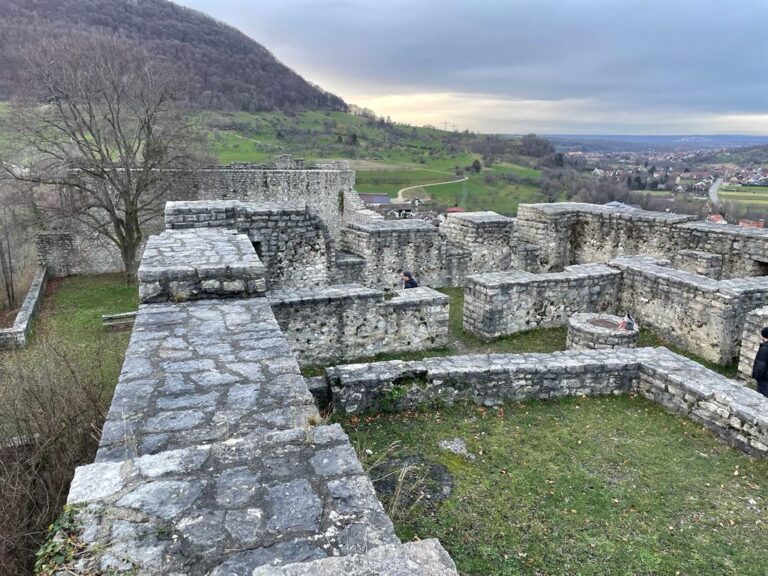
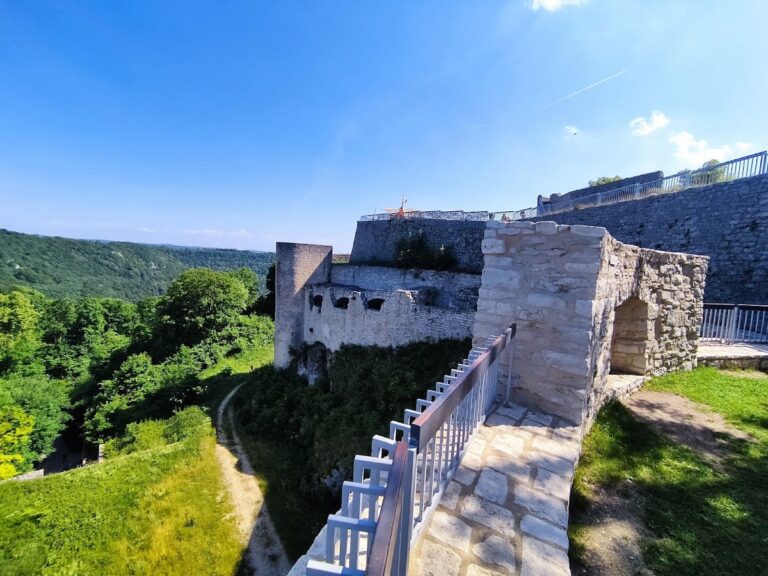
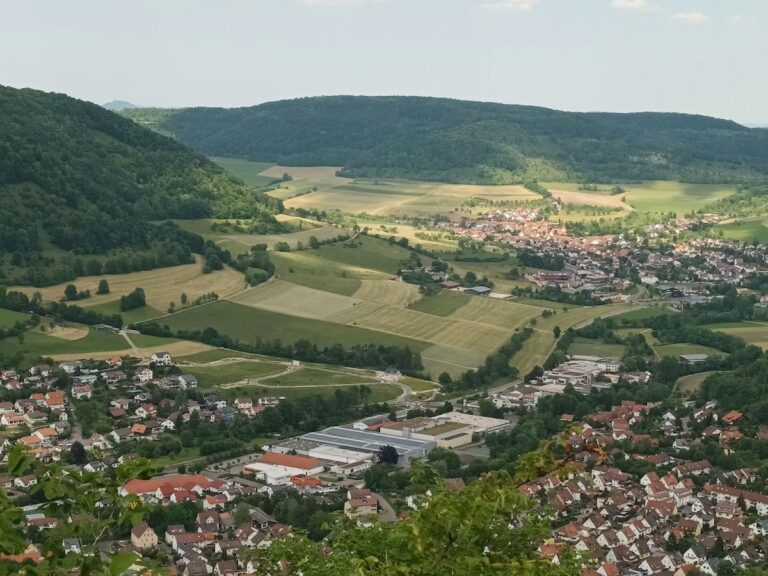
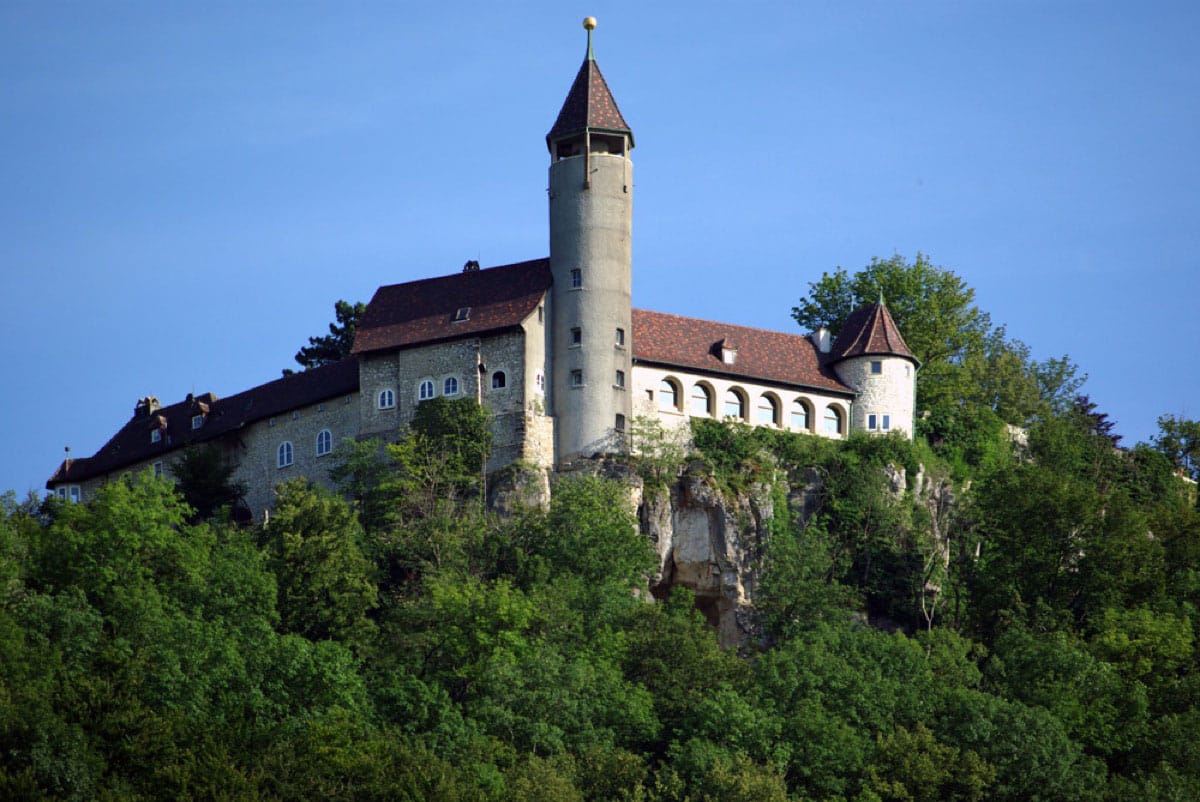
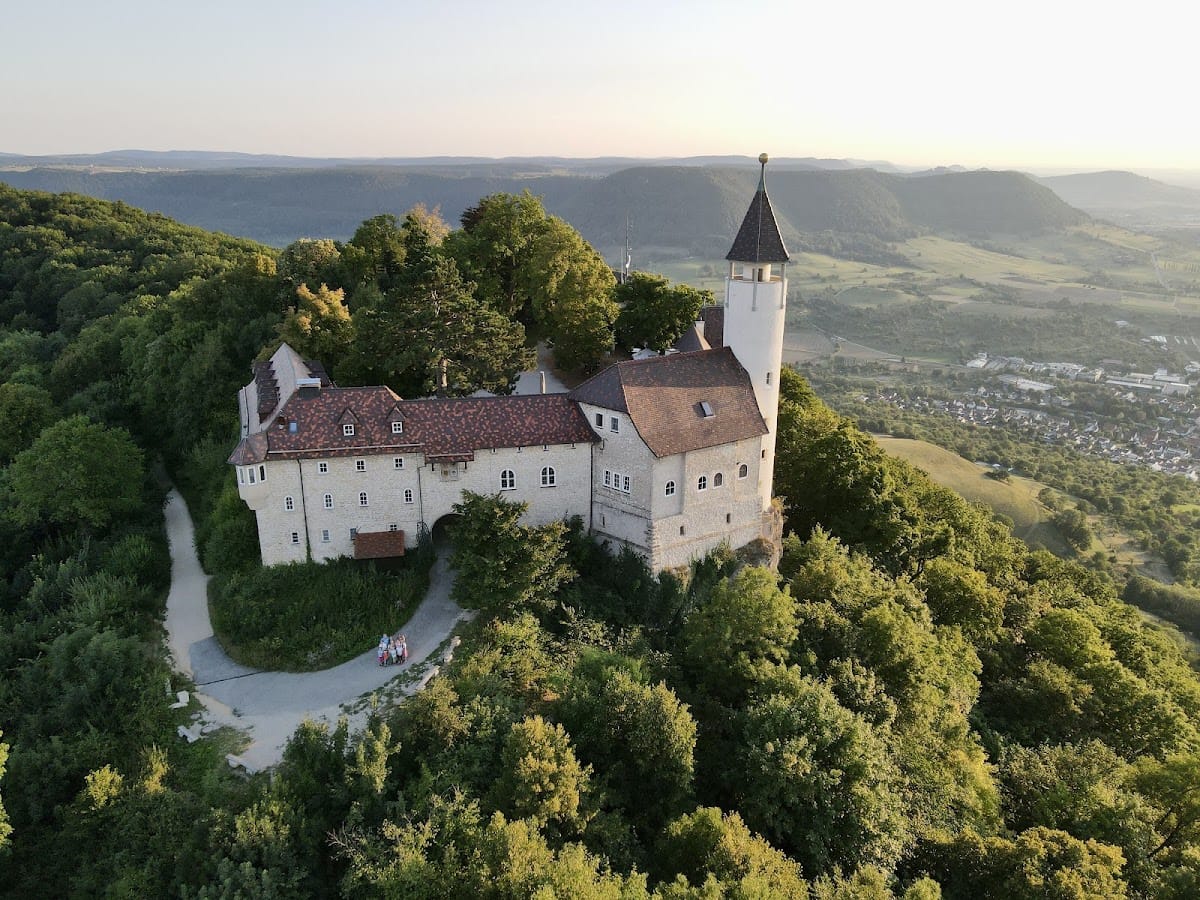
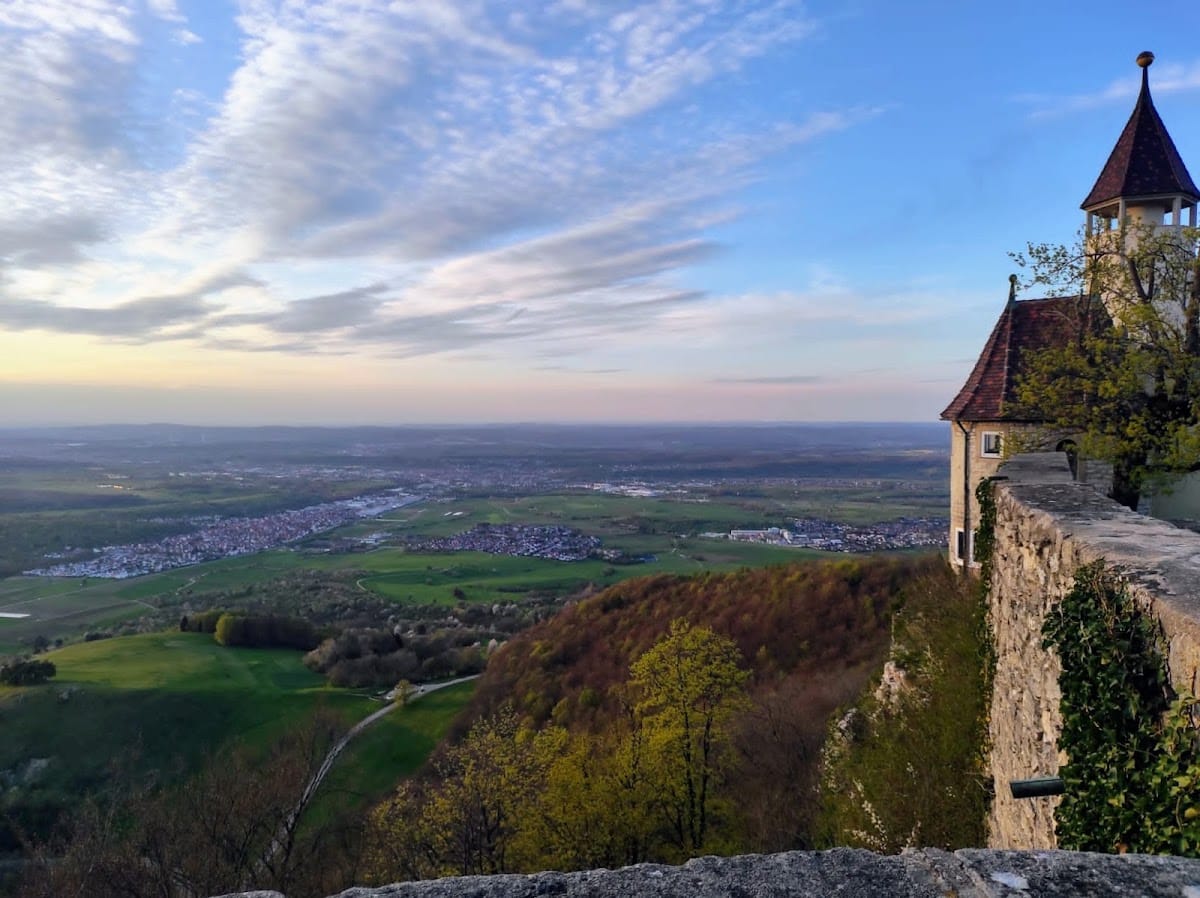
Teck castle is situated atop the Teckberg mountain, offering commanding views over the Lauter valley. The castle’s layout reflects typical medieval hilltop fortifications, with construction predominantly from local stone materials adapted to the rugged terrain. The foundations of the original medieval bergfried, or main tower, remain visible, providing a tangible link to the castle’s early defensive structures.
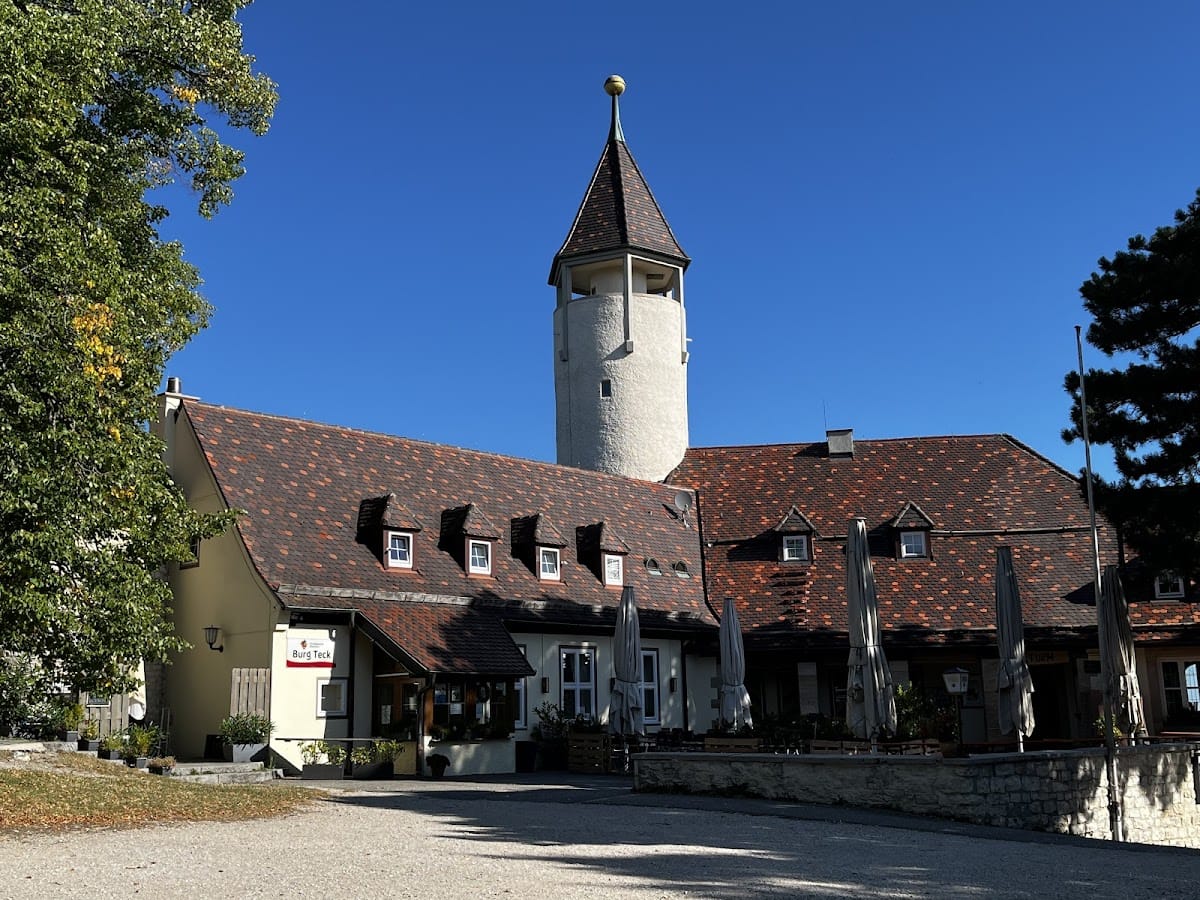
In 1889, leveraging these bergfried foundations, the Swabian Alb Association erected a 31-meter-high observation tower, inaugurated on the first of September that year. This tower serves as a prominent feature atop the mountain and illustrates the continued use of the site’s remains for orientation and vantage purposes. Adjacent to the tower, a small shelter was also built to accommodate travelers.
Several additions followed over the ensuing decades. In 1893, the Mörikehalle, a protective hall named after the poet Eduard Mörike, was constructed near the tower. This structure was later expanded between 1954 and 1955 to transform it into a guesthouse, including restaurant facilities and sleeping accommodations. In 1933, a larger event hall was also added in close proximity to the tower and original shelter, reflecting the site’s growing role as a gathering place.
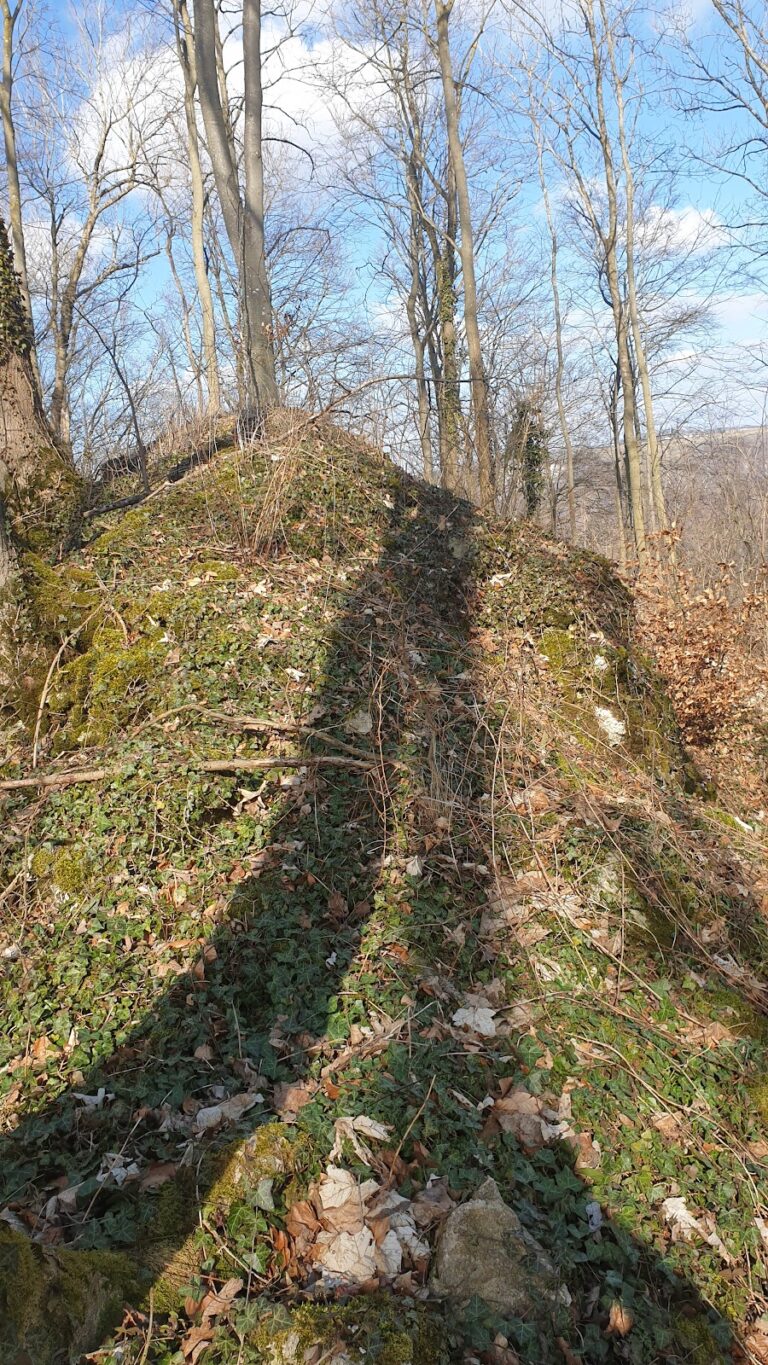
The observation tower underwent renovation in 1955 to enhance safety and ensure the preservation of its structure. A later event involved a tower stump dating from the Staufer period, which collapsed in 2010. Rather than fully rebuilding it, stabilization efforts in 2013 secured the remains without restoring its original form. Further restoration work took place in 2020, focusing on both the tower and the guesthouse roof, protecting these elements against weathering.
Beneath the castle’s rocky base lies the Sibyllenloch cave, part of the natural landscape integrated into the protected area established in 1999. The combination of medieval ruins, later architectural additions, and natural features makes Teck a site where historical and environmental heritage intersect.
Nearby sites