St. Rupert: A Medieval Filial Church in Austria
Site at a Glance
- Rating
- 4.7
- Popularity
- Very Low
- Country
- Austria
- Primary era
- Medieval
- External website
- Open
- Eras represented
- Medieval, Early Modern
- Civilizations
- Holy Roman Empire
- Site type
- Religious
- Remains
- Church
On this page14 sections
History
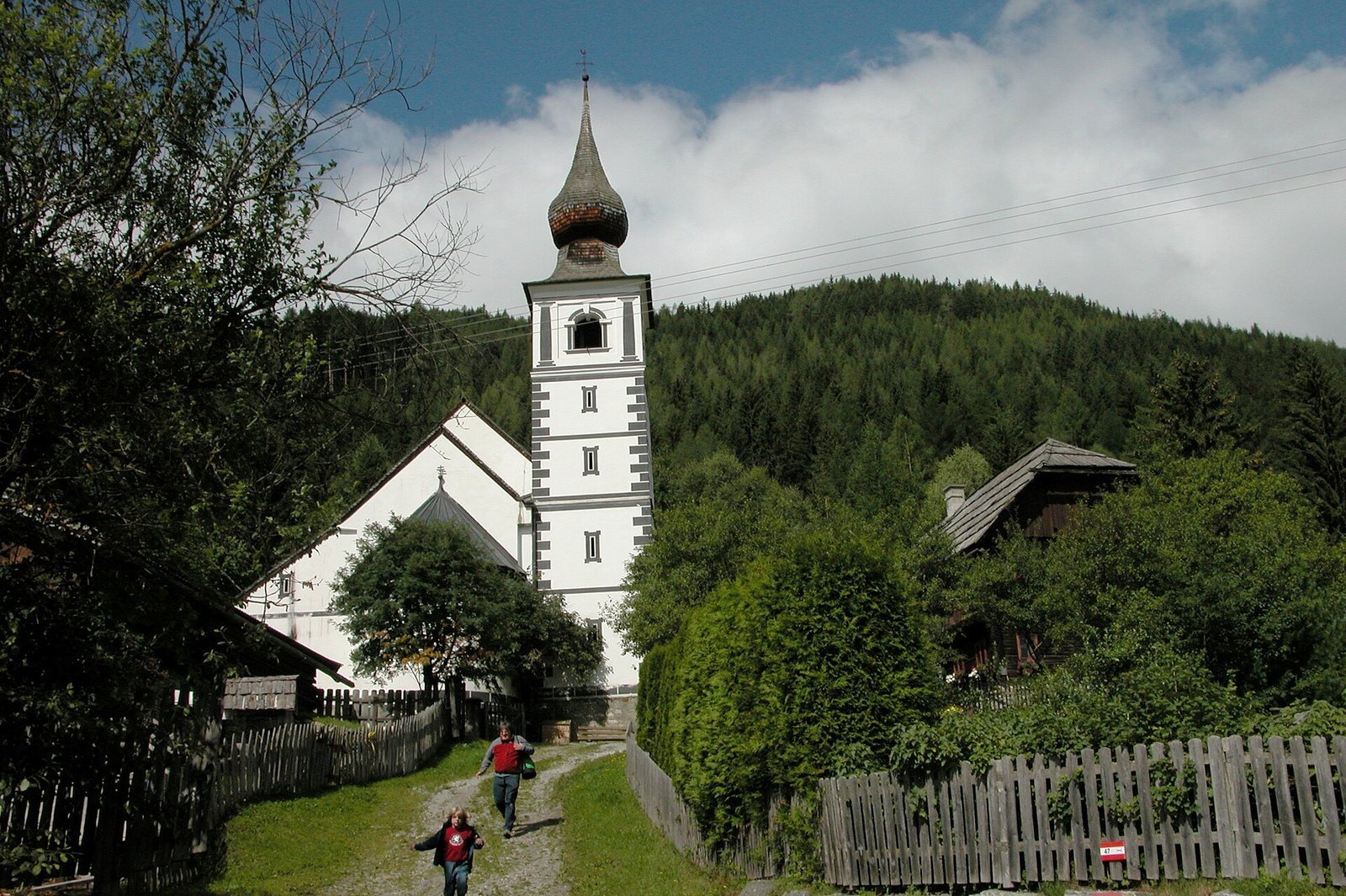
St. Rupert is a Roman Catholic filial church in Austria, standing in the hamlet of St. Rupert in the municipality of Weißpriach. Dedicated to Rupert of Salzburg, the first bishop of Salzburg and an early Christian missionary, it belongs to the Tamsweg deanery of the Archdiocese of Salzburg. The church’s origins are uncertain, but they may reach back to around 750, during the Bavarian subjugation of the Alpine Slavs under Duke Tassilo III and the Christianization that followed.
Early Christian and Roman foundations
Roman architectural stones built into the church indicate that a Roman-period cult building probably occupied the site before the Christian church. Material from that earlier structure was reused in the first church, linking St. Rupert’s medieval foundation with an older religious presence. The surviving medieval paintings, which range from approximately 950 to the early thirteenth century, also place the church within a long period of artistic development.
St. Rupert was a proprietary church controlled by the Salzburg cathedral provosts, senior officials who administered the cathedral’s estates and institutions. The provosts held extensive property in the Weißpriach Valley and maintained a residential tower there as a travel station. Until around 1130, the old Tauern road between the Lungau and the Enns Valley passed through the area. After the Roman road over the Radstadt Tauern Pass fell into disuse, this route became the main connection, increasing the importance of the valley and its ecclesiastical estate.
The Weißpriach estate and castle chapel
In 1040, the Knights of Weißpriach received the surrounding estate from the Salzburg cathedral chapter. They expanded the castle and used St. Rupert as its chapel. The church therefore served both the religious needs of the local community and the household associated with the fortified estate.
The castle was captured by Hungarian mercenaries around 1485. It subsequently decayed after the Weißpriach family died out around 1500. The family’s most famous member was Burkhard von Weißpriach, who served as Archbishop and ruling prince of Salzburg from 1461 to 1466. St. Rupert survived the decline of the castle and continues to preserve architectural and artistic evidence of the estate’s former importance.
Rediscovery and conservation
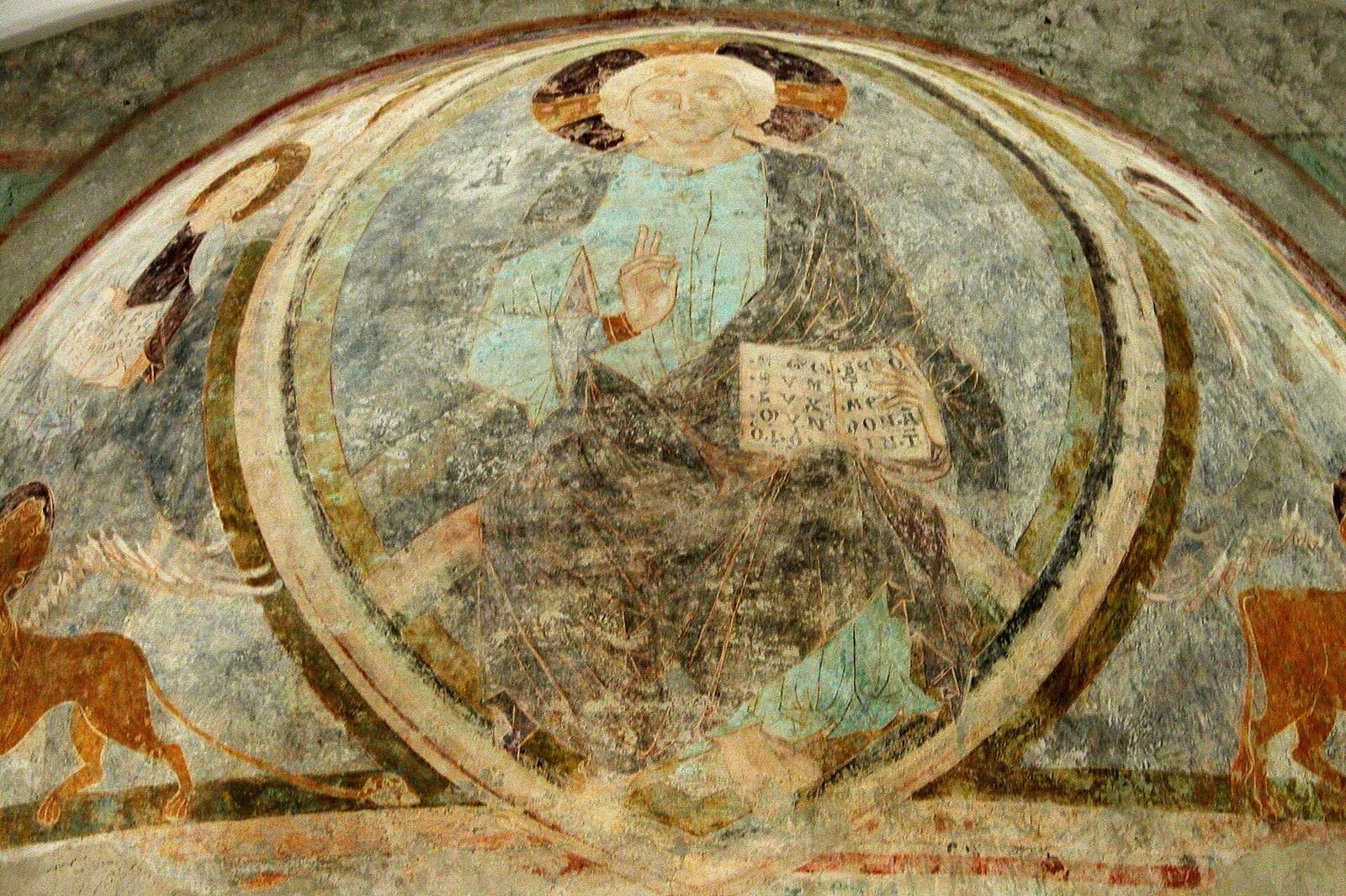
The church is protected as a historic monument. Its importance beyond the region rests particularly on its partly Byzantine-style fresco cycles, created between about 1050 and 1200. In 1949, the apse painting of the Majestas Domini, Christ appearing in glory as judge of the world, was forcibly exposed with a hammer. The intervention caused extensive mechanical damage and the loss of large areas of the painting.
During the same period, older secco paintings were found on the north and south walls of the choir square. Secco painting is applied to dry plaster rather than to fresh, wet plaster. From 1977 to 1979, conservators removed remaining whitewash and lime veils from the apse and choir paintings using scalpels, magnification, and a glass scraper. Loose lime ground was secured by injections and by brushing on polyvinyl acetate emulsion. The work revealed valuable mid-twelfth-century painting that is stylistically comparable to the decoration of the Antiphonary of St. Peter, now in the Austrian National Library in Vienna.
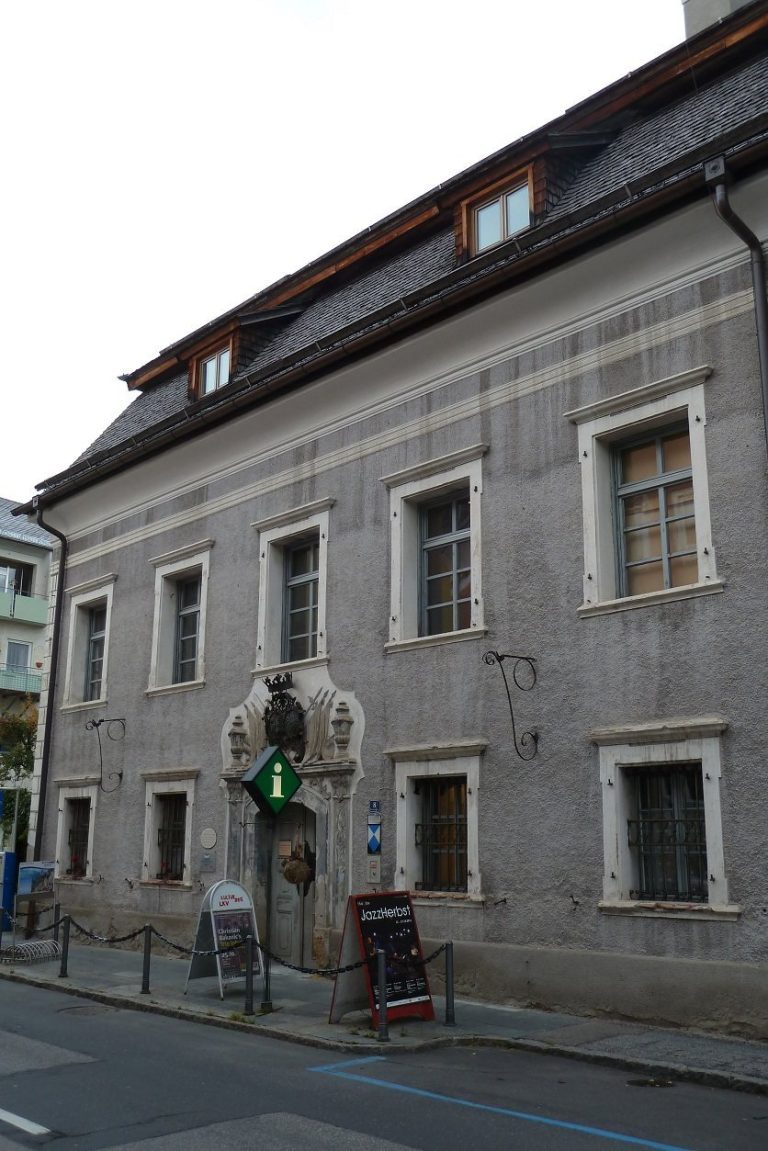
The old sacristan’s house beside the church also preserves evidence of the former cathedral-provost estate. In 1300 it was described as a “Huebe in the wall,” meaning a holding within the castle wall. Together with the church, the building reflects the way religious and estate administration were connected at St. Rupert.
Remains
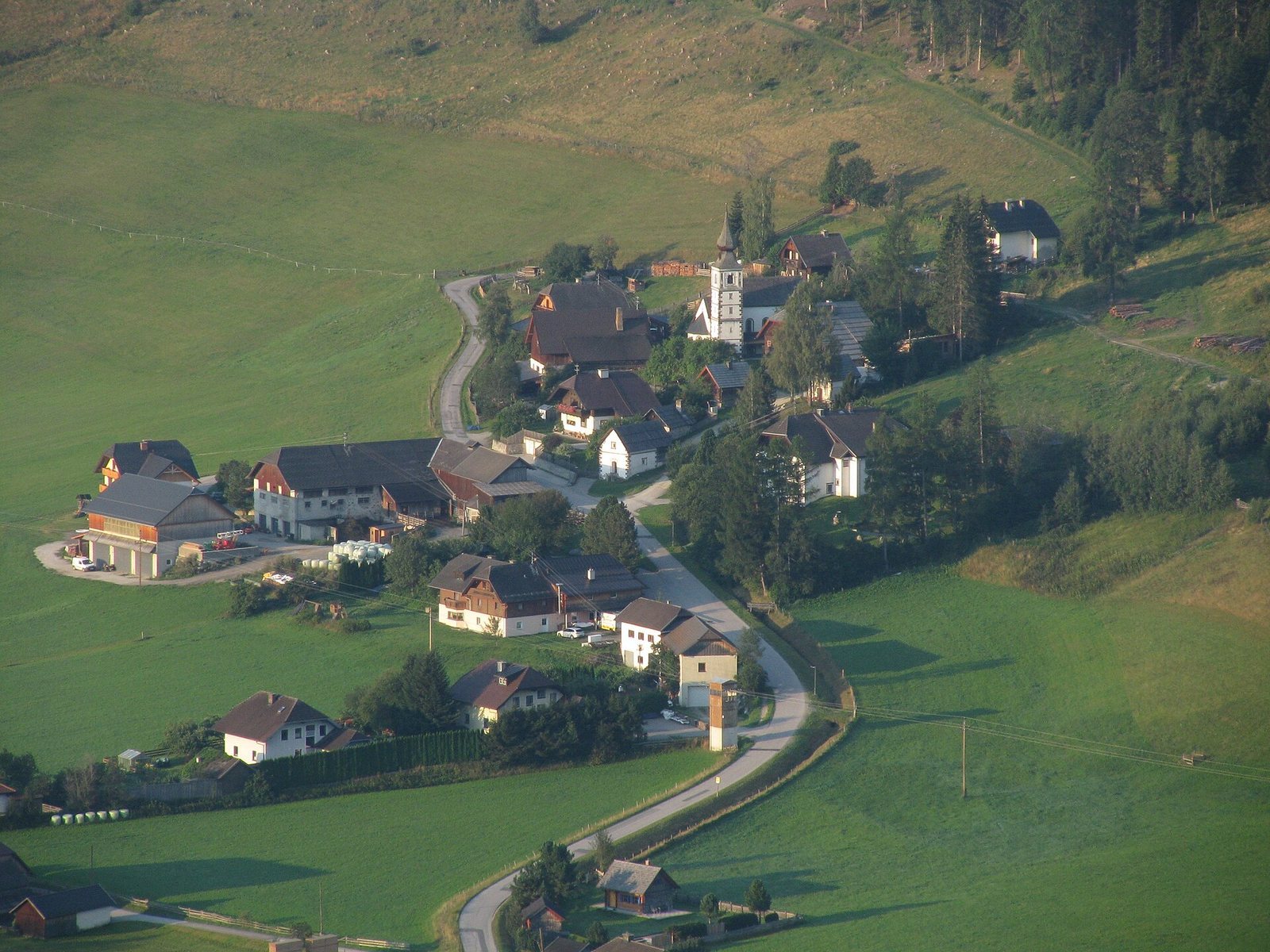
St. Rupert stands on elevated ground above the entrance to the Weißpriach Valley. The church, the sacristan’s house, farmhouses, and two masonry grain stores form the first part of Weißpriach reached from the direction of Mariapfarr. The route toward the Oberhüttensattel, a mountain pass, runs past the church. Roman stone blocks are embedded in the church fabric, where they were reused from the earlier Roman-period cult building believed to have stood on the site.
Medieval wall paintings
Apse image
The apse contains Christ as the world judge within a mandorla, an almond-shaped field surrounding a sacred figure. The image is accompanied by the four traditional symbols of the Evangelists, Matthew, Mark, Luke, and John. This composition is known as the Majestas Domini. Some art specialists associate the painting with around 1050, while another dating places the surviving apse painting in the early thirteenth century. Its damaged surface retains the results of both the 1949 exposure and the later conservation treatment.
Choir and nave cycles
Medieval frescoes continue across the choir and nave. Paintings above the entrance door date from approximately 1120. A partial Last Judgment includes the expulsion of the damned into Hell and their torments, while another representation of the Last Judgment occupies the north wall. These scenes form part of the church’s broader cycle of images concerning judgment, salvation, and punishment.
Aegidius scenes
The Aegidius cycle presents episodes from the legend of Saint Giles, a hermit associated with a protective hind or doe. In the lower band above the sacristy door, Aegidius is shown milking a cow and King Wamba is shown hunting. The upper band depicts the stoning of Stephen and Saint Philip bound to a cross. Above the tower door, King Wamba discovers Aegidius in his cave and receives instruction from him.
Structure and furnishings
Ceiling and entrance
The original Romanesque wooden ceiling was replaced during the Baroque period by the present boarded vault. The church door is made from larch planks and has a massive iron bar and a large key. It is probably original, giving the entrance a surviving element associated with the church’s earlier fabric.
Altar group
The present altar is made from a Roman-period stone reused in the church. Behind it stand statues of the Apostles Peter and Paul and of Bishops Virgil and Vital. The right side altar dates from around 1690 and served as the church’s high altar until 1742. The left side altar came from the predecessor church at Mariapfarr-Althofen and was transferred to St. Rupert in 1743. Its carved statue of Saint Leonhard holds a chain carved from a single piece, identifying him as the protector of cattle and horses.
Baroque interior
The church contains a High Baroque pulpit and a gallery. A Marian image on the rear wall of the pulpit depicts the remains of the former castle and is dated 1710. Another image on the pulpit also represents the castle, preserving its memory within the church after the fortified estate had fallen into decay. The Stations of the Cross were painted in 1768 by the Lederwasch family of painters from Tamsweg.
Bells and associated buildings
One of the two bells dates from 1552. Tradition regarded the bells as especially effective against severe weather, giving them the name “Rupert’s little dogs.” Local belief held that their ringing drove weather witches from the valley. Beside the church, the former sacristan’s house survives as part of the group of buildings connected with the medieval cathedral-provost estate and the castle wall.