Klingenberg Castle: A Baroque Castle in Switzerland
Site at a Glance
- Popularity
- Medium
- Country
- Switzerland
- Primary era
- Early Modern
- Eras represented
- Medieval, Early Modern
- Civilizations
- Habsburg, Holy Roman Empire, Swiss
- Site type
- Domestic
- Remains
- Castle
On this page8 sections
History
The medieval lordship
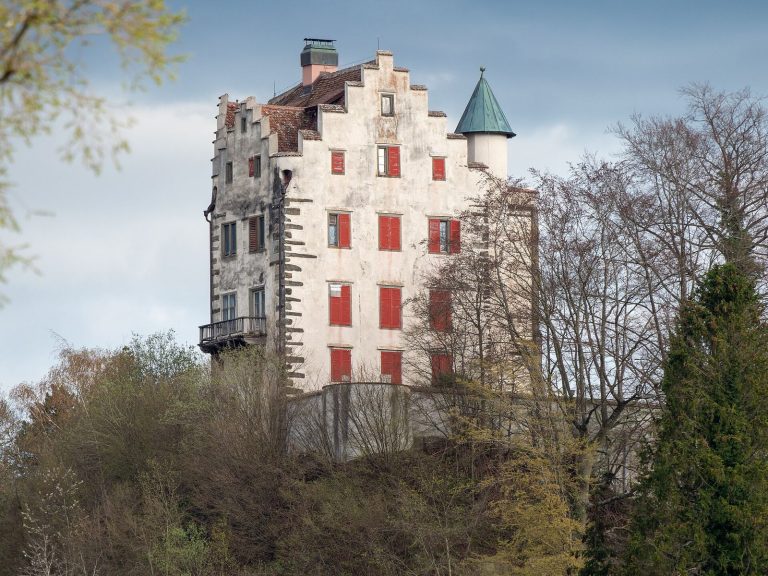
Klingenberg Castle is a castle in Switzerland whose history reaches back to a fortress built on the hill behind the present castle in the thirteenth century. The Klingenberg family established a unified judicial lordship there in the century’s second half. The Klingenbergs were ministerials, members of a service nobility who held land or office while serving a lord.
The family served the Habsburgs, a European ruling dynasty, and included abbots, bishops, diplomats, knights, and poets. Heinrich II of Klingenberg became chancellor, a senior administrator, to Rudolf I of Habsburg, king of the Romans, the medieval title for an elected ruler of the German kingdom. Heinrich became bishop of Constance in 1293.
After the Klingenberg family died out, the lordship passed by inheritance to Hermann von Breitenlandenberg in 1360, Ulrich Peyer in 1407, and Friedrich von Heidenheim in 1448. Friedrich’s family retained it for more than two centuries.
During the Old Zurich War, a fifteenth-century conflict between Zurich and the Swiss Confederates that also involved the Habsburgs, the castle burned in 1444. The fire also destroyed its mill, wine press, barn, and another house. The castle was rebuilt in 1446, and the lower castle at the foot of the rock and a castle chapel were probably established around that time.
Muri ownership and rebuilding
In 1651, the abbot of Muri’s Benedictine monastery, a monastic community following the Rule of Saint Benedict, bought the castle and lordship. The purchase also included church patronage in Homburg, rights that included a role in appointing the church’s clergy.
The eastern gable wall of the upper castle collapsed in 1694. Its reconstruction accompanied an expansion of the lower castle, while work began on a separate chapel. In 1695, the restored castle burned down to cellar level, and the unfinished chapel was damaged.
Another fire struck the lower castle in 1722 and again damaged the chapel. The present west wing was rebuilt afterward. A barn beside the chapel burned in 1732. Abbot Gerold Haimb then directed the construction of a new south wing and the addition of an east wing, creating the monumental Baroque complex.
The lower castle suffered another fire in 1772. Rebuilding followed, and the present moat was probably added during this work.
Secularization and restoration
The territory was assigned to the municipality of Homburg in 1812. After the monastery’s dissolution and secularization in 1841, meaning the transfer of church property to secular control, its possessions passed to the state of Lucerne. They became private property from 1844, and the upper castle was demolished in 1849.
After several changes of ownership, the Santo family, who had immigrated from South Tyrol, bought the property in 1901 when it was dilapidated. They spent years revitalizing its old buildings. From 1960 to 1980, the Pro Klingenberg committee initiated several restorations with the involvement of cantonal and federal heritage-protection authorities. The castle has been under federal protection since that period.
The castle returned to private ownership in 2005. Its owners have since financed an ongoing program of renovation and restoration.
Remains
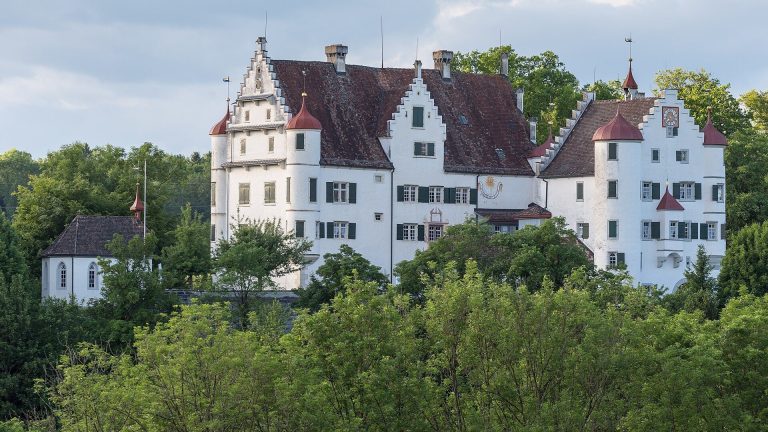
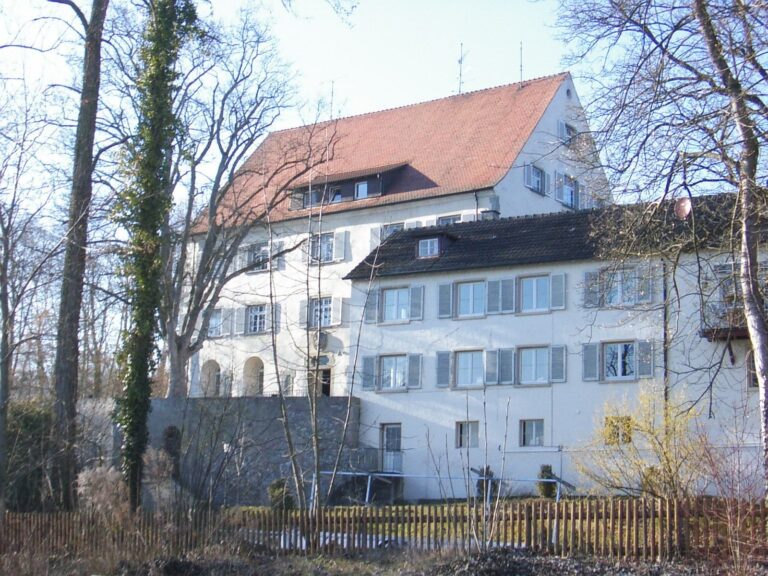
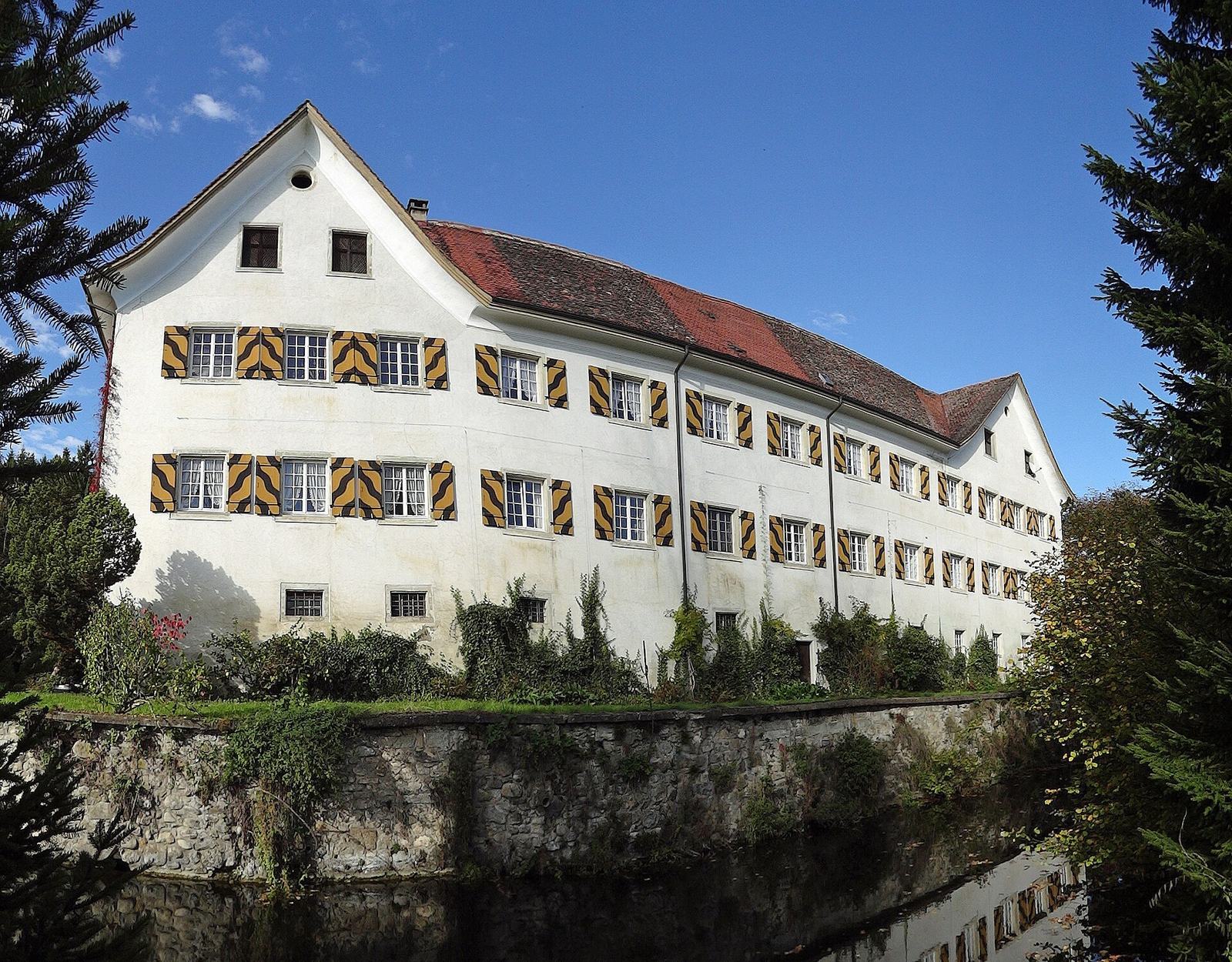
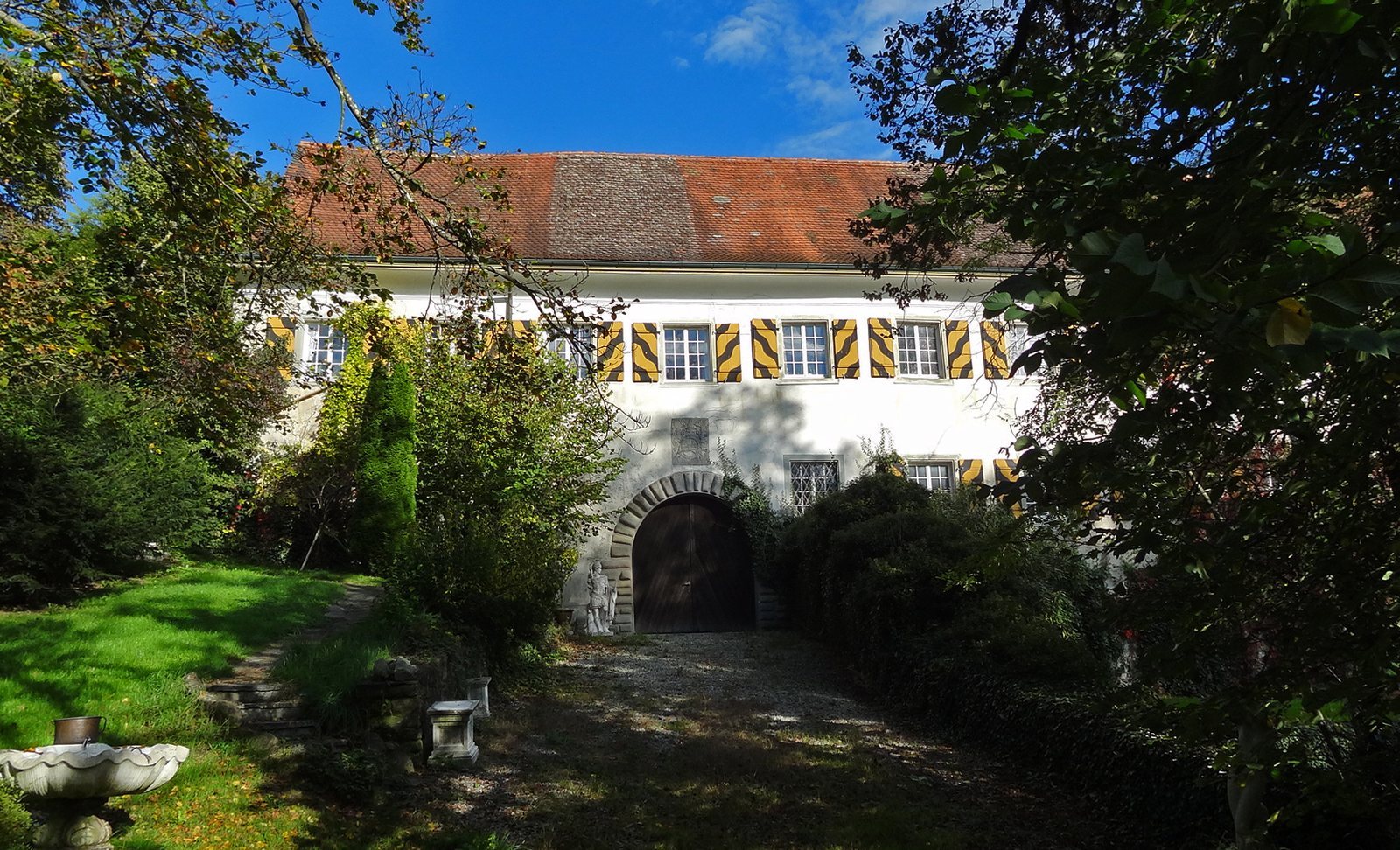
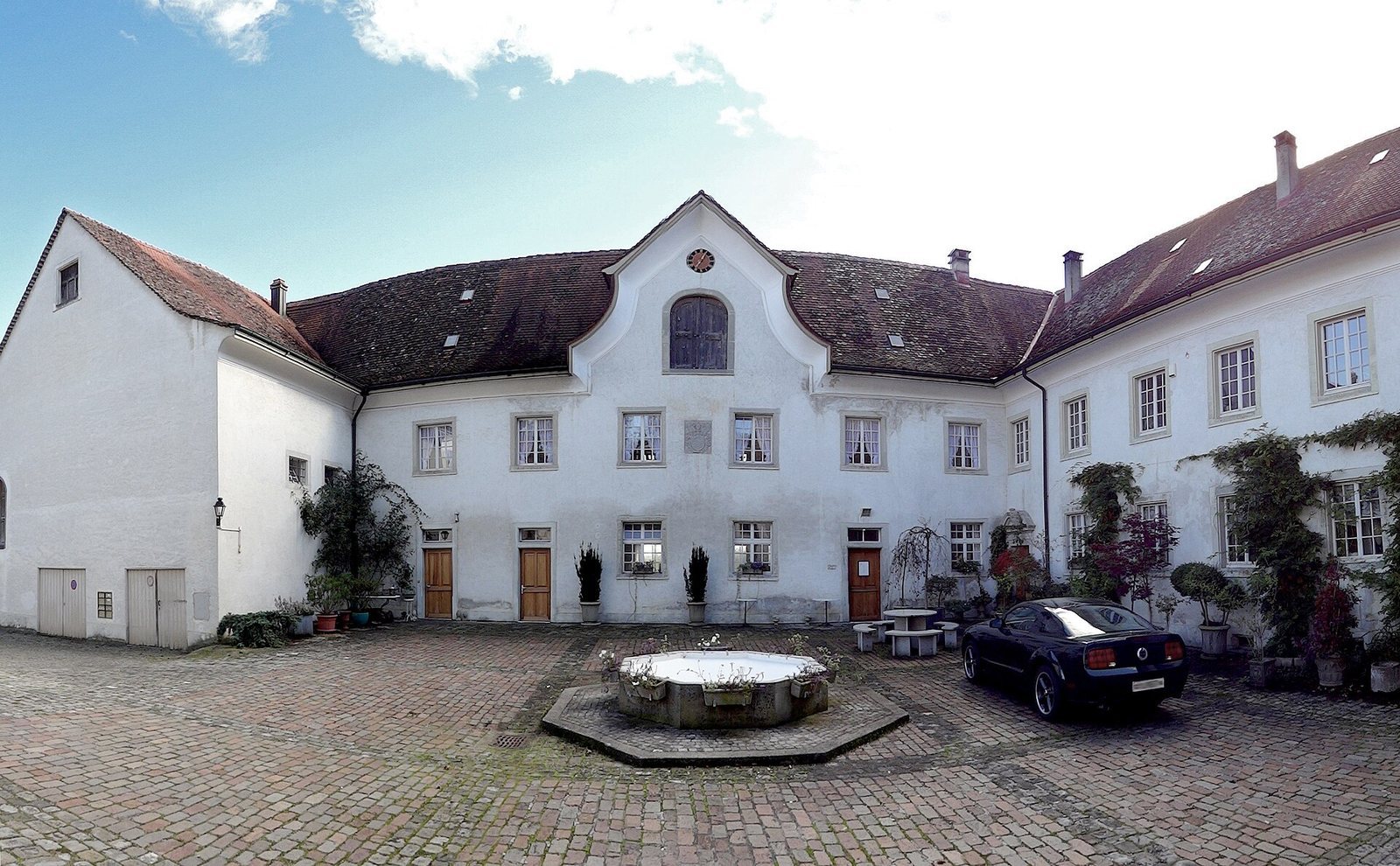
The surviving castle is arranged as a monumental Baroque complex of three wings, with the lower castle at the foot of the castle rock. The present moat forms part of the site’s layout.
Baroque castle features
The three wings
The west wing was rebuilt after the 1722 fire. The south wing was constructed and the east wing added during the rebuilding in 1732. Together, the west, south, and east wings form the castle’s three-wing complex.
The moat
The moat was probably created as an architectural ornament during rebuilding after the 1772 fire.