Gaienhofen Castle: A Medieval Castle and Baroque Palace in Germany
Site at a Glance
- Popularity
- Medium
- Country
- Germany
- Primary era
- Early Modern
- Eras represented
- Medieval, Early Modern, Modern
- Civilizations
- German, Holy Roman Empire
- Site type
- Domestic
- Remains
- Palace
On this page6 sections
History
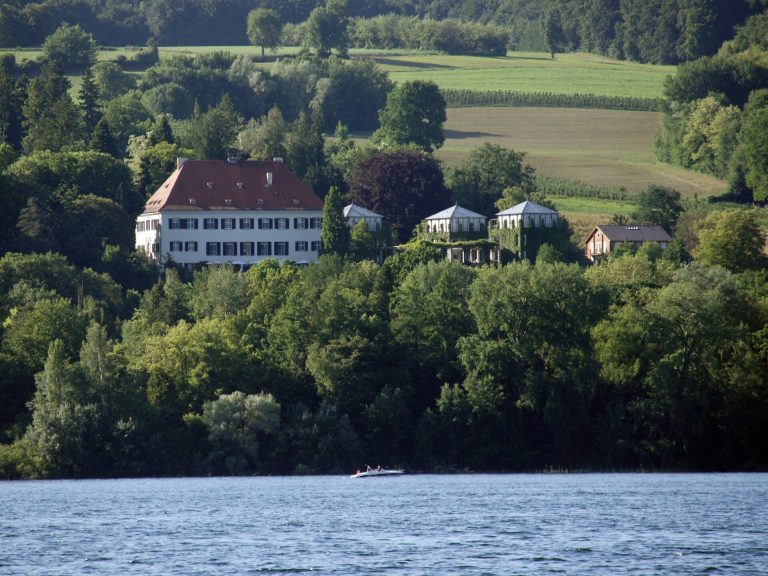
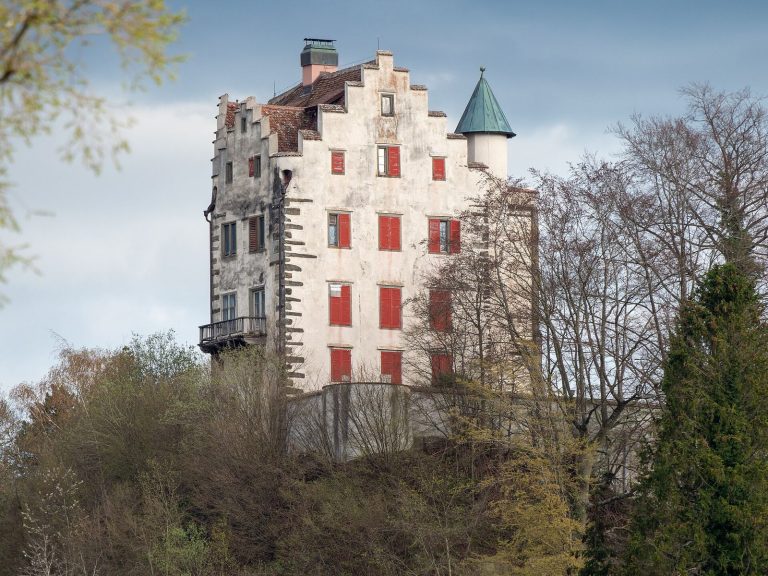
Gaienhofen Castle is a former medieval lowland castle in Gaienhofen, Baden-Württemberg, Germany, built by 1110 for Gebhard III of Zähringen, bishop of Constance. Around 1700, it was enlarged in Baroque style as a palace. In the fifteenth century, it became a seat for officials administering the bishopric’s lands, and it later served as a residential school.
Episcopal foundation and medieval lordship
Gebhard III, a member of a medieval Swabian ruling dynasty, had the castle built as a hunting property. In 1295, Albrecht von Klingenberg, an imperial bailiff in Constance, transferred the castle, village, and other holdings to his brother, Bishop Heinrich II. The property was then held by the Lords of Klingenberg. Albrecht sold the castle to the Bishopric of Constance in 1311. The bishopric repeatedly pledged it through the sixteenth century. In the fifteenth century, the castle became the seat of episcopal bailiffs and senior bailiffs, while control of the lordship passed in pledge to figures and families including Bishop Konrad von Freisingen and the Klingenbergs, Reischachs, and Heubergs.
Konrad von Reischach lived at the castle from 1412. His wife, Isabella, was the daughter of King James III of Mallorca, and their son was Michael. During the Council of Constance, a major church council held from 1414 to 1418, Konrad and Michael hosted a feast at the castle. In 1417, on the night of St Bartholomew, two guests, Heinrich von Randegg and Hans von Stuben, murdered Michael for an unknown reason. Konrad died the following year without descendants.
Wartime occupations and Baroque expansion
The castle was occupied by Swiss Confederates during the Swiss War of 1499 and by insurgent peasants during the Peasants’ War of 1524–1525. Swedish troops took it during the Thirty Years’ War (1618–1648), when the surrounding area was plundered. In 1632, Imperial forces, fighting for the Holy Roman Emperor, and Swedish forces engaged in a naval battle in front of the castle walls.
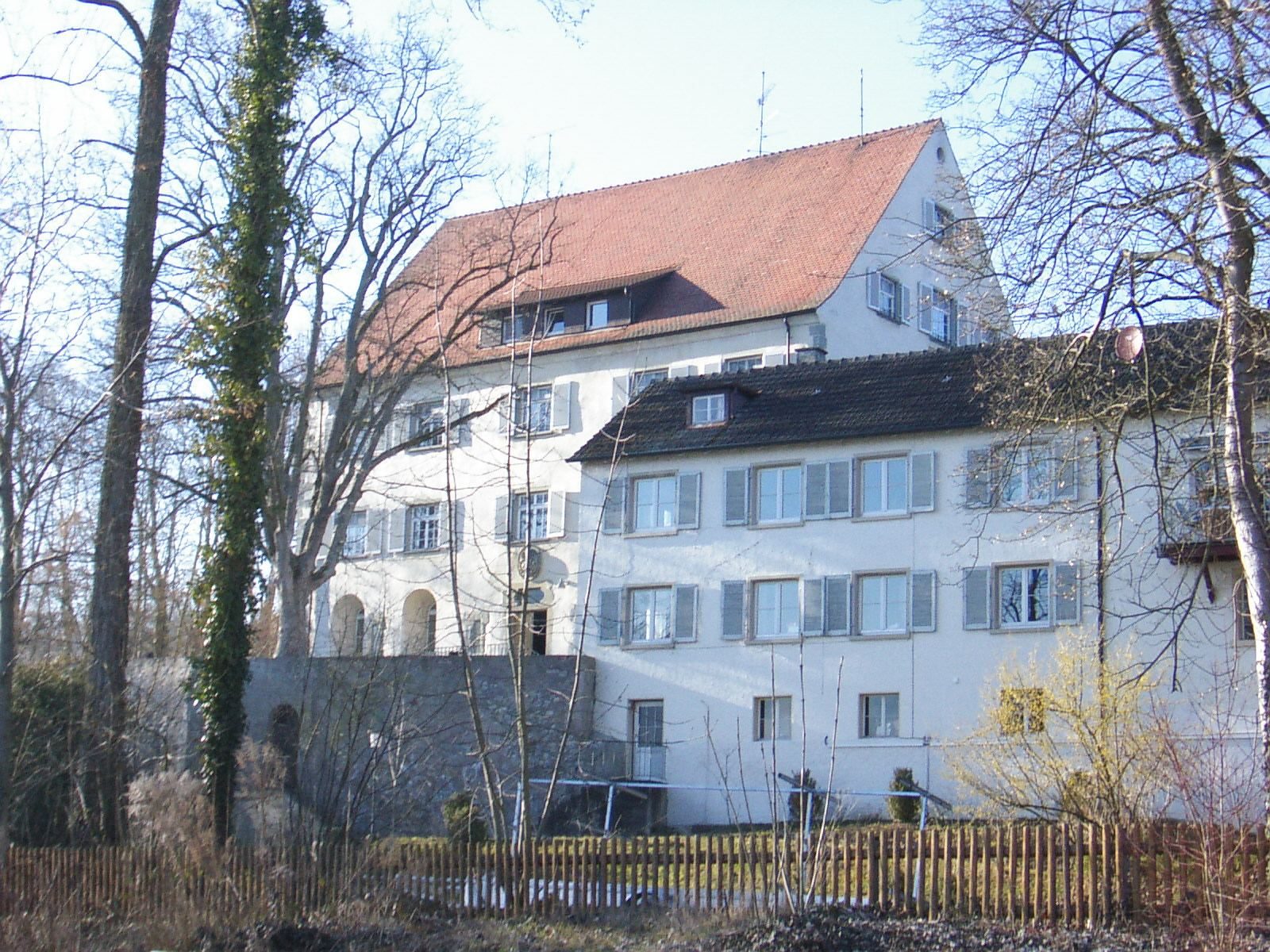
Around 1700, Prince-Bishop Marquard Rudolf von Rodt, who held office from 1689 to 1704, oversaw the castle’s expansion into a Baroque palace. In 1803, secularization transferred the property from church control to the Margraviate of Baden, a secular state ruled by a margrave. Baden captain Wilhelm Reinhard von Weiterdingen bought it in 1821. The last tower was demolished in 1854.
Residential school and later use
In 1903, the palace was leased to Georg von Petersenn, a professor at the Berlin music academy. The following year, a girls’ boarding school founded at Stolpe am Wannsee in 1900 moved to Gaienhofen. Its founder, Bertha von Petersenn, intended its broad educational program to prepare girls for independent lives and employment. Her daughter Jutta directed the school. Georg bought the palace in 1906, and Jutta married reform educator Hermann Lietz in 1911. Under Alfred Andreesen’s leadership, the Gaienhofen school’s ties to the girls’ rural residential-school movement grew weaker.
A severe fire on 8 June 1925 burned out the palace. The school was rebuilt and continued there after its sale to Elisabeth Müller of Flensburg. Boys were first admitted in 1933; before then, the boarding school had enrolled only girls. Regular classes did not take place amid the disruption of the Second World War, and the school continued until 1944.
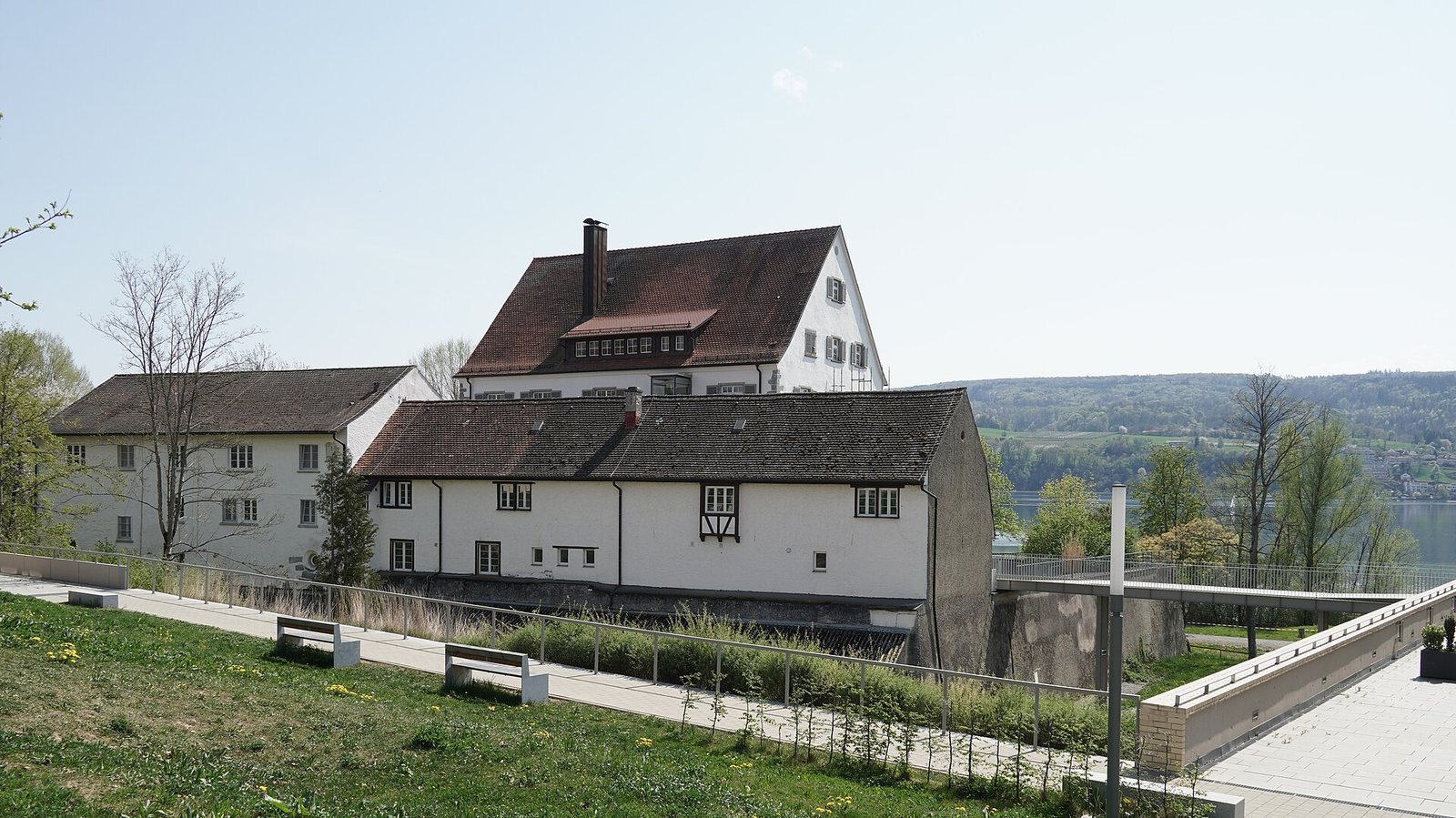
In 1946, following efforts by Konstanz pastor Hermann Senges and dean Friedrich Mono, an association for a Protestant boarding school was asked to take responsibility for the institution. The Evangelical Boarding School Schloss Gaienhofen was established. The Evangelical Regional Church in Baden acquired the palace in 1952, and it served as a girls’ boarding house until the school closed in summer 2013. The site is now the school centre Schloss Gaienhofen – Evangelical School on Lake Constance.
Remains
Castle and palace fabric
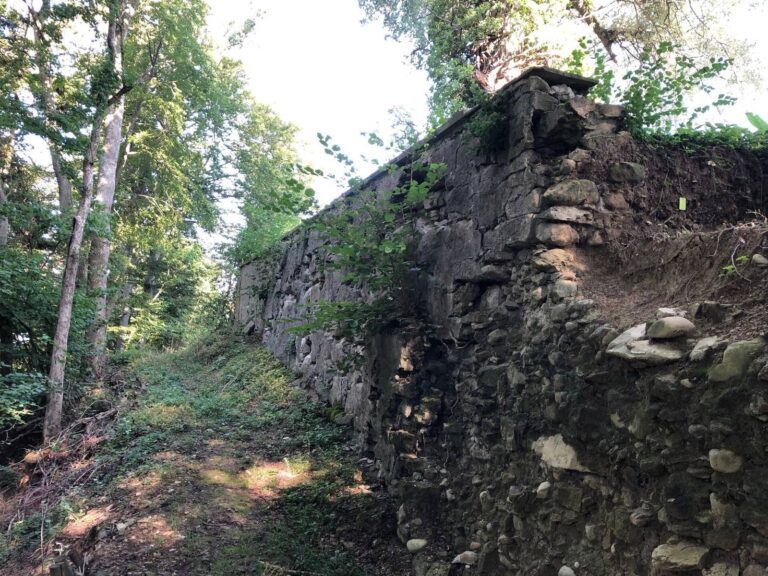
The site lies on the Höri peninsula at the shore of Lake Constance, beside the Untersee, where the Rhine widens toward the lake. Its position was chosen for strategic advantage. The medieval castle was built of stone, and substantial parts of it remain incorporated into the Baroque palace. The palace was also called the Castle of the Nine Towers, although eight towers have been located. A staircase within the castle is identified as the place where Michael was murdered in 1417. The palace’s multipurpose rooms serve the school and its administration.