Rashkan Castle: A Parthian Fortress in Rey, Iran
Visitor Information
Google Rating: 4.1
Popularity: Very Low
Country: Iran
Civilization: Early Islamic, Parthian
Site type: Military
Remains: Fort
History
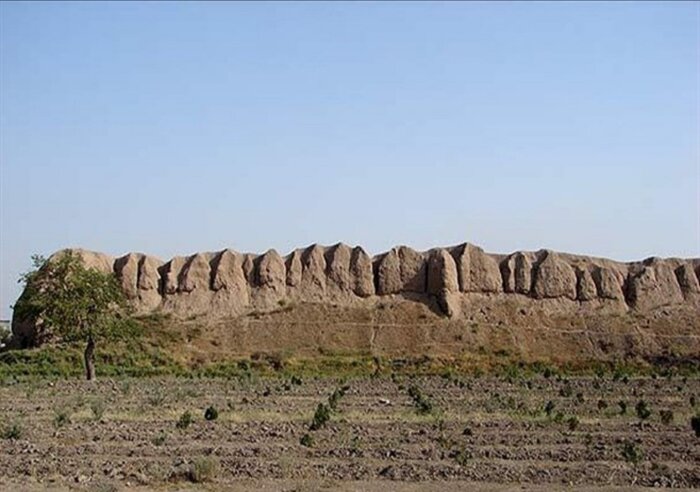
Rashkan Castle is situated on Kuh-e Safaije mountain within the municipality of Rey, Iran. The fortress was established by the Parthian civilization, an ancient Iranian dynasty that ruled from approximately the 3rd century BCE to the 3rd century CE.
The earliest archaeological findings reveal that the area around Rashkan saw human activity as far back as the Late Iron Age, around 1000 BCE, with artifacts related to cultures near Damghan. However, the fortress itself was constructed during the Parthian era. Its name honors Arsaces, the founder of the Parthian dynasty, indicating a strong historical connection to this period. Given Ray’s longstanding strategic significance, experts propose that Rashkan continued to function as a defensive site through the Sasanian period (3rd to 7th centuries CE), a later Iranian empire, although direct evidence of Sasanian occupation within the fortress remains limited. Still, traces from this era have been identified in nearby locations such as Češme-Ali and Tape-Mil.
Following the rise of Islam, the area remained important during the early Islamic centuries, particularly between the 8th and 9th centuries CE. Archaeological layers reveal continued use, including expansions and modifications reflecting new cultural influences. In the medieval era, Rashkan’s structures incorporate a stone-built superstructure layered atop earlier brick foundations along with a western madrasa featuring an iwan, an arched hall common in Islamic architecture, dating back to the Abbasid Caliphate. Polished ceramics from the Buyid dynasty also indicate occupation during that period, and a coin bearing the image of Shah Rukh Mirza verifies the Timurid dynasty’s presence in the area.
The fortress endured significant damage during the Mongol invasions of the 13th century, which devastated many parts of the region. As Ray’s prominence diminished over time, particularly with the ascent of Tehran nearby, Rashkan Castle gradually lost its military and administrative importance. Today, much of the material culture recovered from Rashkan, Češme-Ali, and surrounding sites has been preserved in Tehran’s National Museum.
Remains
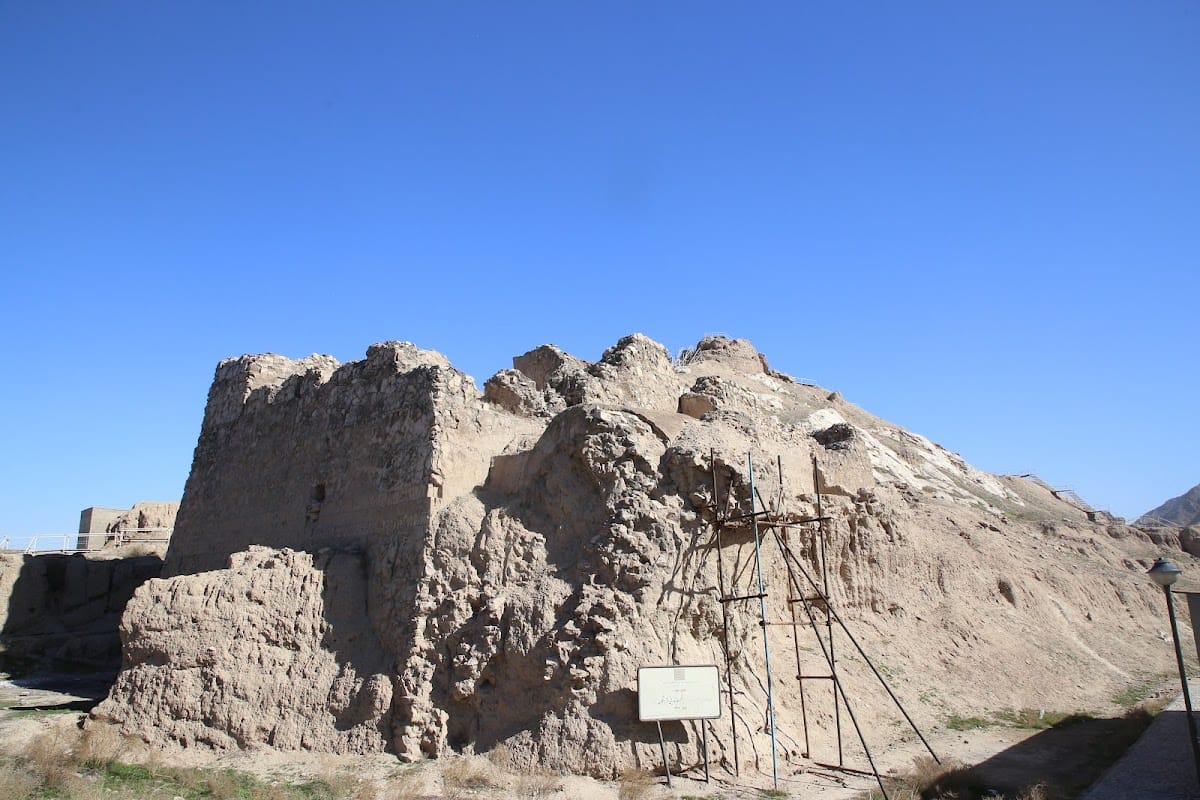
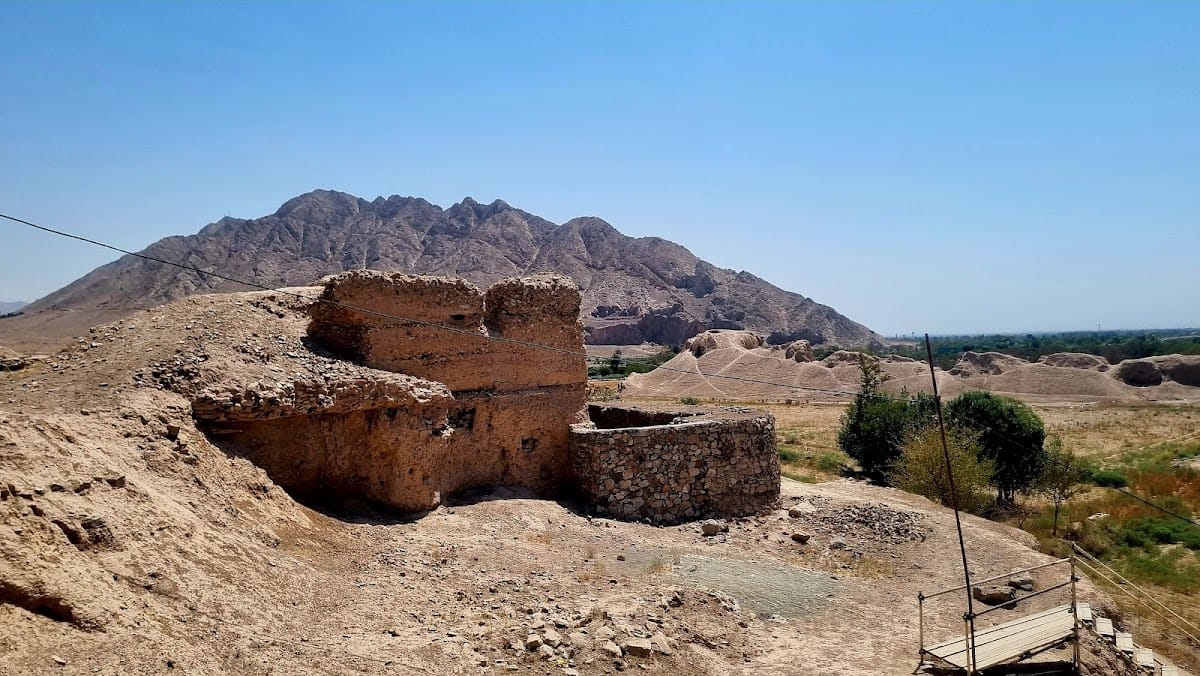
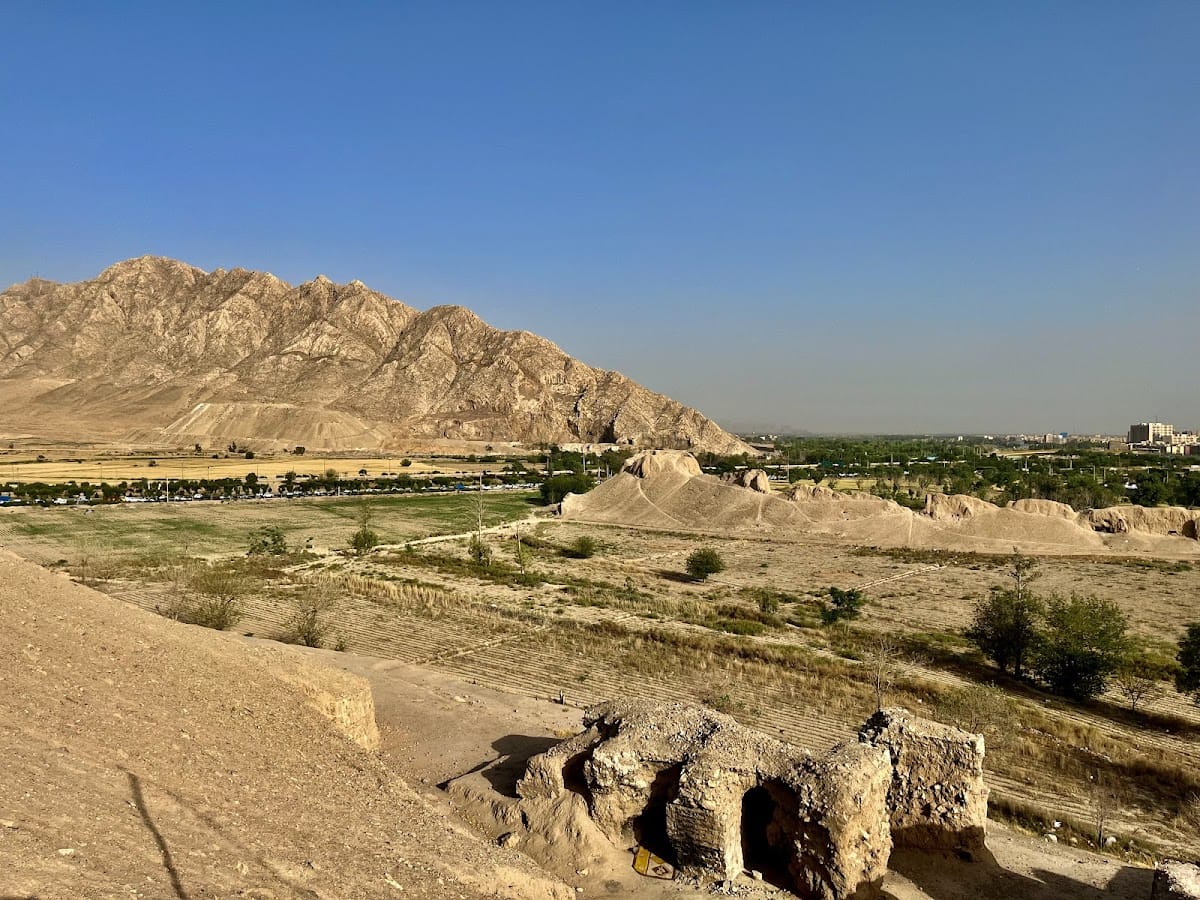
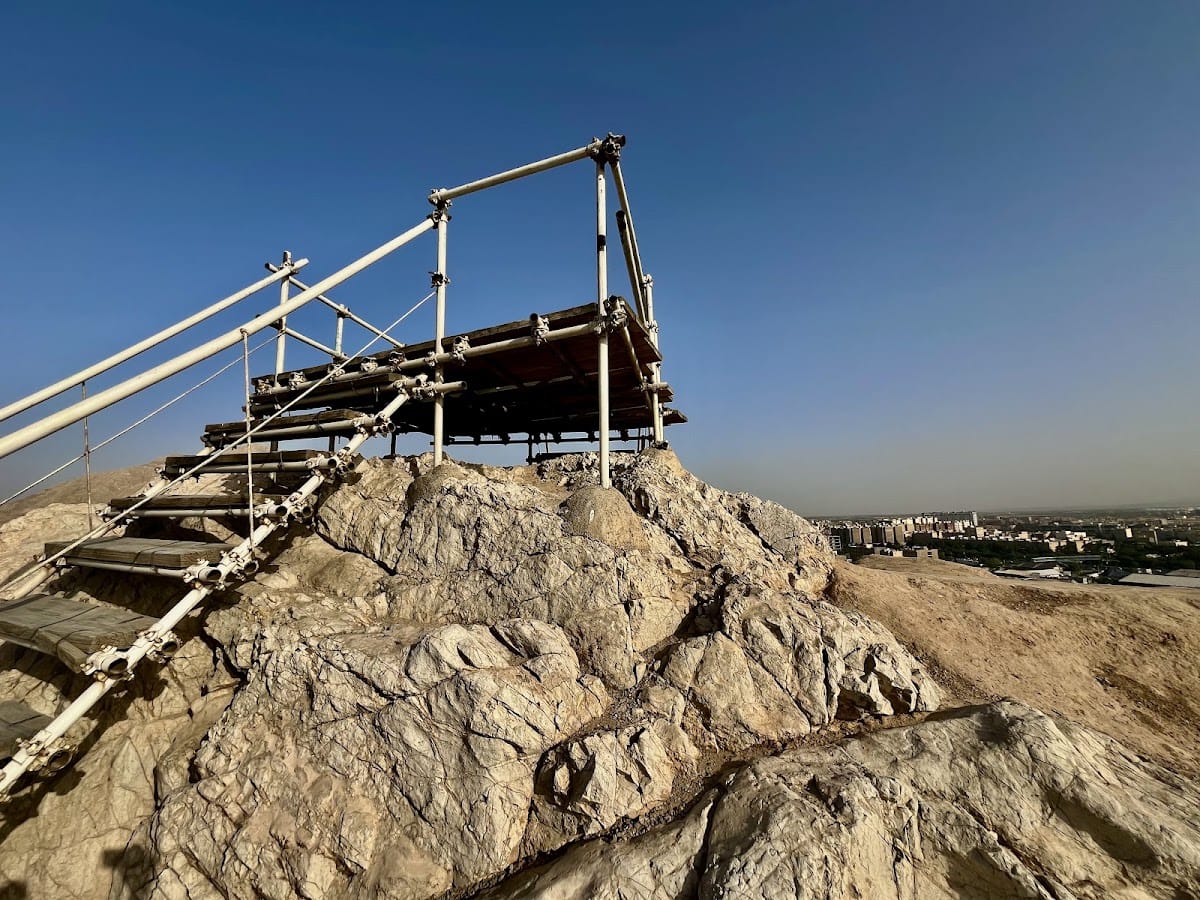
Rashkan Castle’s layout closely follows the natural topography of Kuh-e Safaije mountain, creating a roughly triangular plan confined by steep cliffs. The fortress walls are strategically built along the highest and steepest points of the terrain, providing natural defense. A prominent watchtower sits at the summit, reachable via a pair of staircases still intact, highlighting the site’s function as an observation post.
The southern plateau of the fortress housed the most significant buildings, safeguarded by three bastions constructed during different historical phases, reflecting continued adaptation and reinforcement through time. The walls primarily consist of stone bound with mortar, offering strength and durability against both the elements and attacks. In contrast, the western walls incorporate bricks measuring approximately 45 by 45 by 15 centimeters, dimensions that align with standardized brick sizes commonly employed in ancient Iranian architecture, including those found in the Gorgan Wall.
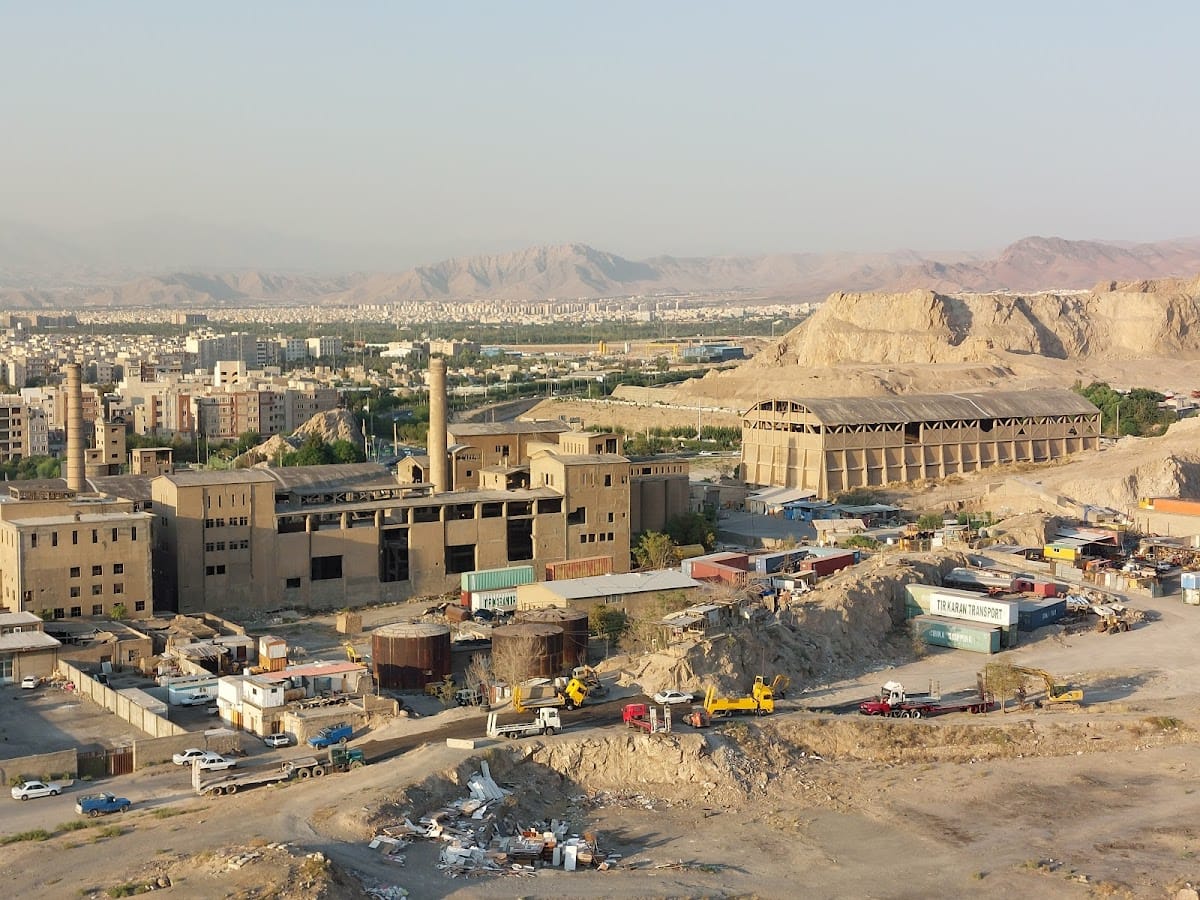
Despite damage in the northern parts of the complex caused by industrial activities in recent times, a variety of archaeological remains remain visible. Noteworthy among the finds are Parthian bronze coins, which underline the site’s connection to the original builders and users of the fortress. The layering of materials, such as a stone construction overlaying ancient brickwork and the presence of a madrasa with an iwan from the Abbasid period, demonstrates the site’s reuse and structural evolution through several cultural eras. These elements, coupled with ceramic fragments and numismatic evidence, form a tangible record of Rashkan’s numerous occupations up to the Timurid era.