Porciano Castle: A Medieval Fortress and Cultural Site in Pratovecchio Stia, Italy
Visitor Information
Google Rating: 4.5
Popularity: Low
Official Website: www.castellodiporciano.com
Country: Italy
Civilization: Medieval European
Site type: Military
Remains: Castle
History
Porciano Castle is situated in the municipality of Pratovecchio Stia, Italy, and was originally constructed by the medieval Guidi counts, a significant noble family during the Middle Ages in Tuscany. The earliest written record of the site dates back to 1017, identified as “locus Porciano,” indicating its initial recognition as a place belonging to the Guidi lineage. By 1115, the settlement was described as a “castrum,” a Latin term for a fortified place, underscoring its military and administrative importance during this period. In 1164, Emperor Frederick I Barbarossa officially confirmed that the castle and its surrounding lands remained under the control of the Guidi counts, reinforcing their regional authority.
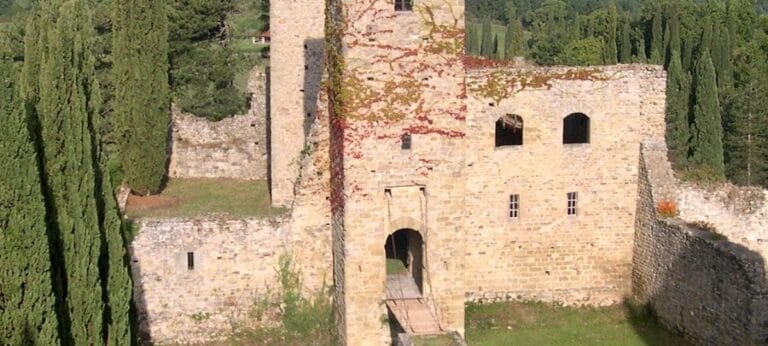
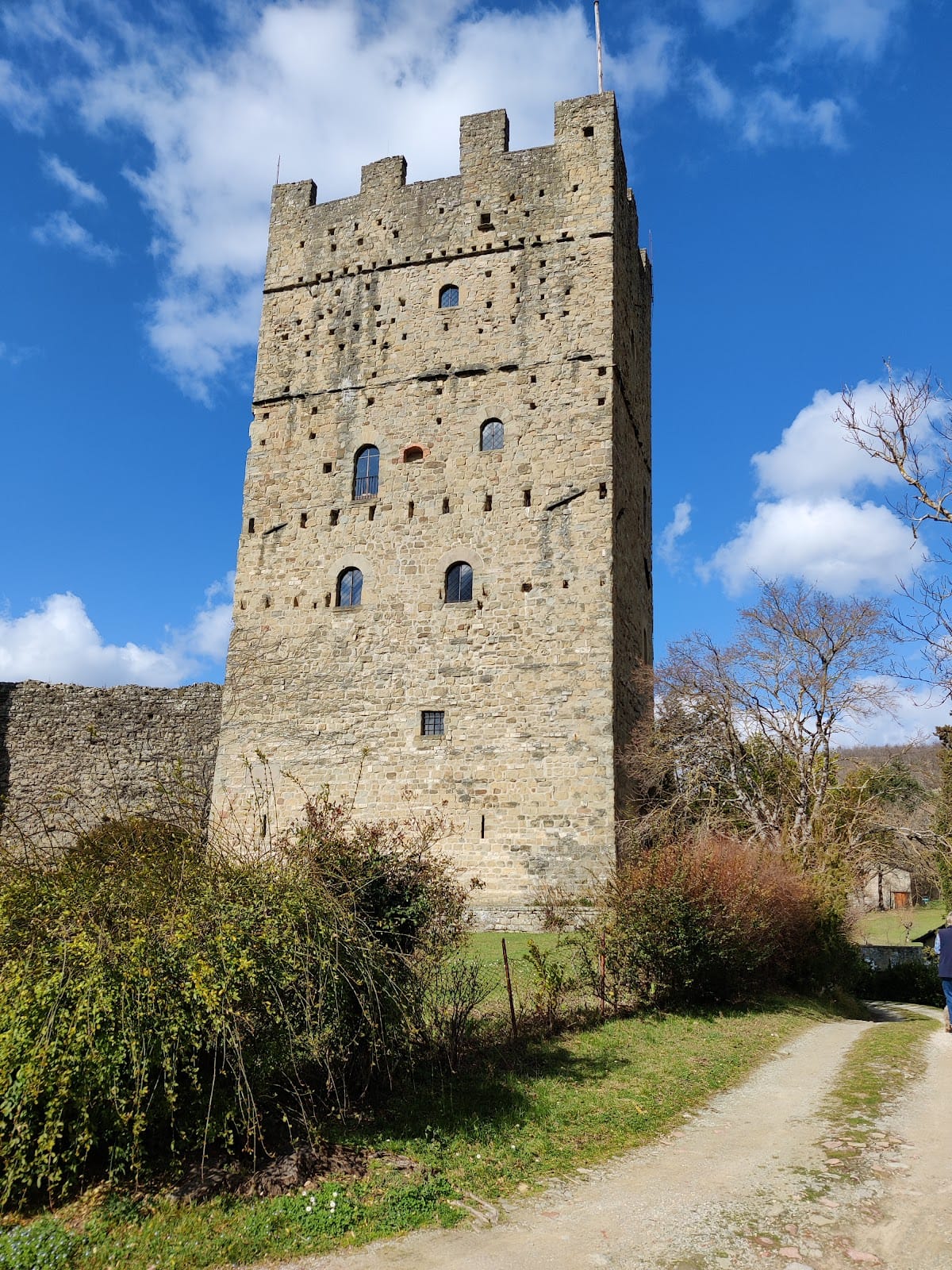
During the 13th century, the Guidi family divided into several branches, with Porciano Castle becoming the domain of the Porciano Modigliana line. Around the middle of that century, the castle underwent significant enhancements, including the erection of a large palatial tower, which emphasized its status as a county center. This construction likely served not just defensive functions but also as a visible emblem of the branch’s power and presence, dominating the village skyline of Porciano.
From the 14th century onward, the political context of the castle shifted as Florence extended its influence over the area. Between the late 1300s and early 1400s, Porciano gradually became incorporated into Florence’s network of satellite territories. Despite socio-political pressures and challenges faced by the Guidi counts during the 14th and 15th centuries, the castle maintained its role as a county hub. Archaeological discoveries, such as fine maiolica pottery and delicate glassware, uncovered in the 20th century suggest continued occupation and importance throughout this time.
A turning point came in 1442 when Ludovico di Neri, the last count of the Porciano Modigliana branch, relinquished his noble rights and abandoned the castle to take monastic vows at the Santa Maria degli Angeli monastery in Florence. In the centuries that followed, from the 15th to the 18th, Porciano Castle slowly sank into ruin, reflecting broader shifts in regional power and the decline of its original administrative function.
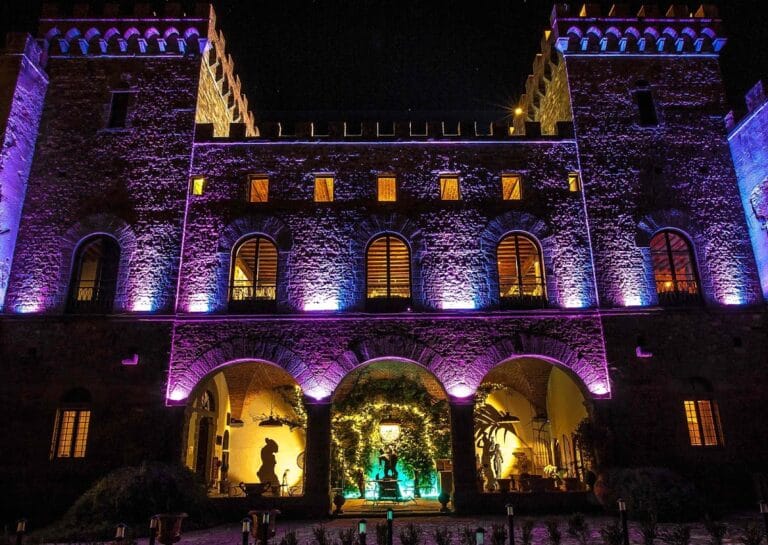
By the end of the 18th century, the castle, along with the nearby Castle of Romena, entered new hands when the Municipality of Stia purchased both properties in 1799 from the Goretti de’ Flamini family, whose origins trace back to Roman nobility. Restoration efforts began in the 1960s, initiated by Countess Flaminia Goretti de’ Flamini and her husband George Anderson Specht. These efforts have continued through their family, with their daughter Martha Specht currently serving as the owner. Today, the castle serves as a cultural venue housing a museum that preserves and displays artifacts related to its long and layered history.
Remains
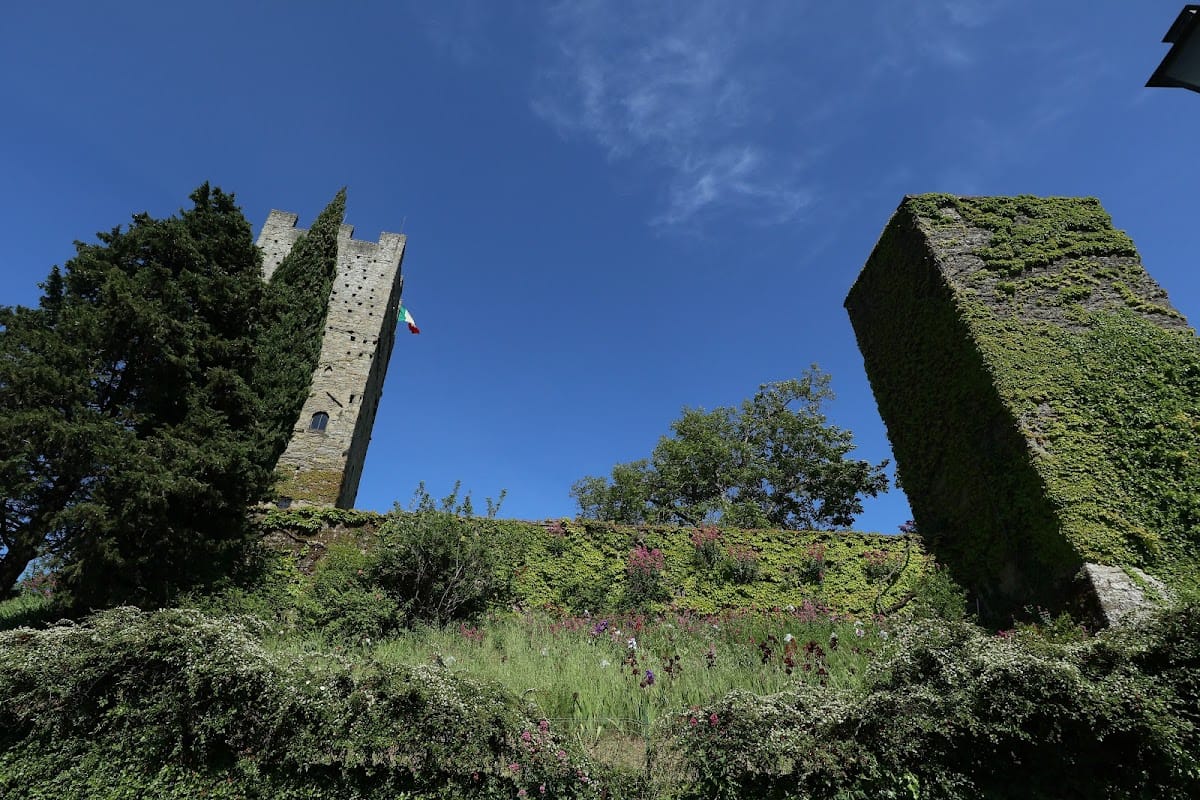
Porciano Castle features a prominent palatial tower that dates to the mid-13th century, constructed during the castle’s period of expansion and enhancement by the Porciano Modigliana branch of the Guidi family. This tower remains a central and defining element of the site, visibly rising above the village and reflecting its former significance as a noble seat. The construction techniques and materials used for the tower remain consistent with medieval fortification practices, although specific details about the masonry are not documented.
Excavations conducted in the 1960s and 1970s within the castle grounds and nearby areas revealed a wealth of archaeological material that speaks to the castle’s long-term occupation and functional role. Notable finds include archaic maiolica pottery, which is a type of tin-glazed earthenware early in its stylistic development, showcasing fine artistic expression from the medieval period. Alongside these ceramics, fragments of blue archaic maiolica and glassware were discovered, indicating both local craftsmanship and exchange of goods. These artifacts contribute to understanding the daily life and status of those who inhabited Porciano and highlight the site’s enduring occupation through the 14th century.
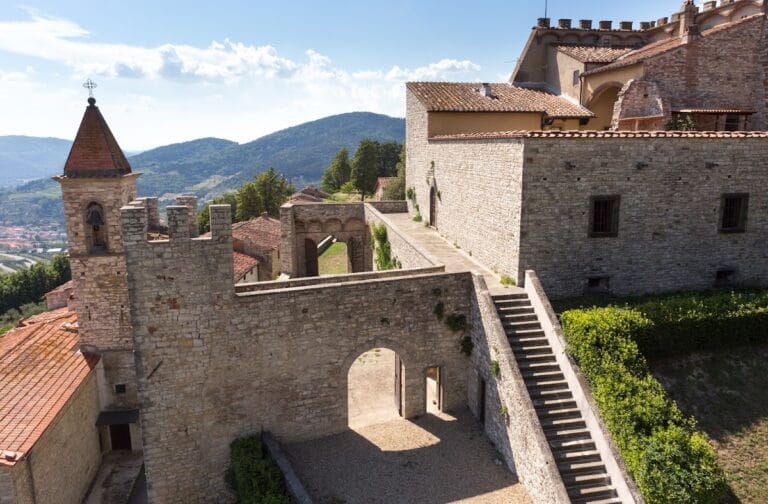
The castle’s structural remains are preserved to an extent that allows for the establishment of a museum within its walls. Exhibition areas include the main hall, known as the Dante Hall, which served as the castle’s representative chamber, along with lower floors adapted for displaying domestic and agricultural tools from the surrounding Casentino countryside dating to the 18th and 19th centuries. Furthermore, archaeological finds recovered during restoration efforts, such as ceramics and glass items dating up to the medieval period, are presented to visitors. The castle’s museum also holds photographic archives documenting the restoration processes alongside the private collection of Native American artifacts from North Dakota, reflecting the modern custodial family’s diverse interests.
Porciano Castle’s spatial relationship with the nearby Castle of Romena is notable, as both were jointly acquired at the end of the 18th century and reflect the interconnected network of fortified sites in the region. This pairing has contributed to the conservation history and cultural heritage significance of the area. Today, despite the centuries of degradation, the castle’s remains persist as tangible evidence of its medieval origins, later transformations, and ongoing preservation.
Nearby sites