Monzón Castle: A Historic Fortress in Spain
Visitor Information
Google Rating: 4.3
Popularity: Medium
Official Website: www.monzon.es
Country: Spain
Civilization: Crusader, Early Modern, Medieval Islamic
Site type: Military
Remains: Castle
History
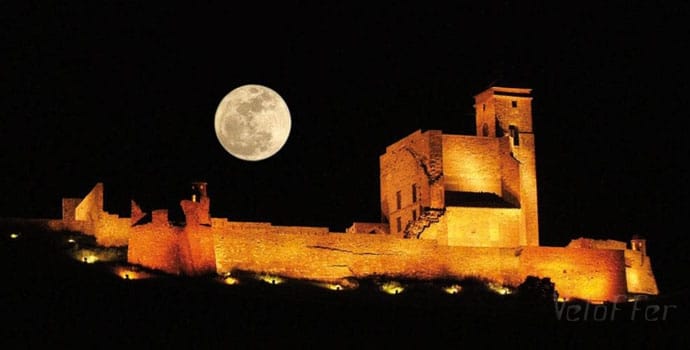
Monzón Castle stands in the town of Monzón, Spain, and was originally built as a fortress by Arab rulers in the 10th century. Its position atop a strategic hill made it a key stronghold in the region during the period of Islamic rule on the Iberian Peninsula.
In 1089, Christian forces led by King Sancho Ramírez captured the fortress, marking a turning point in its history. Later, in 1143, the Knights Templar took control of the castle and transformed it into a major military convent. Under their stewardship, the castle was expanded with new defensive walls, towers, stables, a refectory, and dormitories, creating a significant center for their activities.
The castle also gained royal significance as the childhood residence of King James I of Aragon. From 1214 to 1217, the young king lived under the guardianship of the Templars within its walls, highlighting the fortress’s importance as both a military and political center. Throughout this time, Monzón Castle hosted several important gatherings, including regional assemblies known as Cortes and military councils.
Following a papal directive to dissolve the Knights Templar, the castle endured a lengthy siege by royal forces between 1308 and 1309. The siege lasted seven months, ending with the castle’s fall on May 24, 1309, which marked the end of Templar control. A few years later, in 1317, administration of the fortress was transferred to the Order of Saint John of Jerusalem (also known as the Hospitallers).
Monzón Castle continued to serve military purposes in the centuries that followed. It played active roles in conflicts such as the War of the Segadors in the mid-17th century, the War of the Spanish Succession during the 18th century, the Peninsular War in the early 19th century, and the later Carlist Wars. This sustained military use lasted until the mid-19th century and prompted various adaptations to evolving warfare technology.
In particular, structural reforms were made during the 17th and 18th centuries to strengthen the castle’s defenses against firearms and artillery. Storm damage in the 21st century led to emergency restoration work in 2017, aimed at preserving the site. Today, Monzón Castle is recognized as a Cultural Heritage Site and is part of the Domus Templi route, which highlights former Templar sites in the area.
Remains
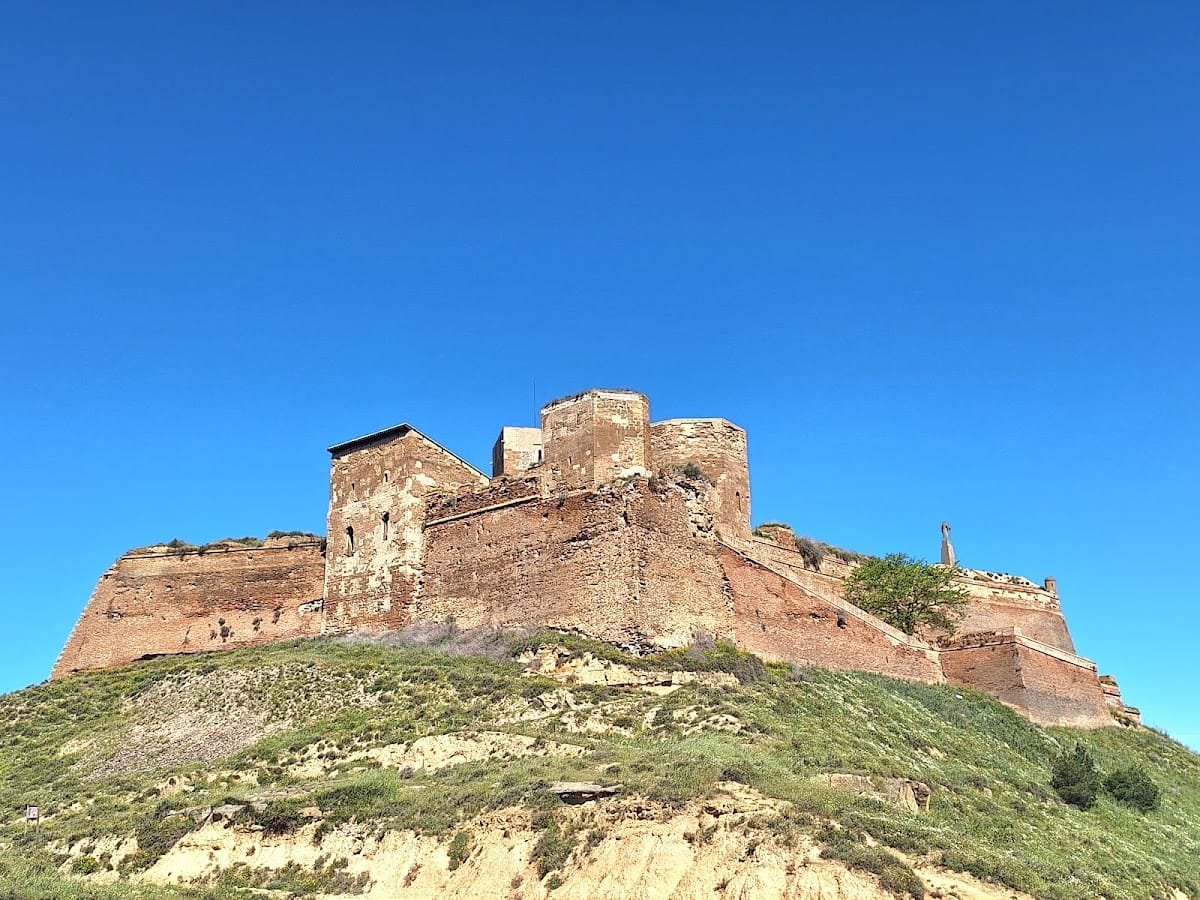
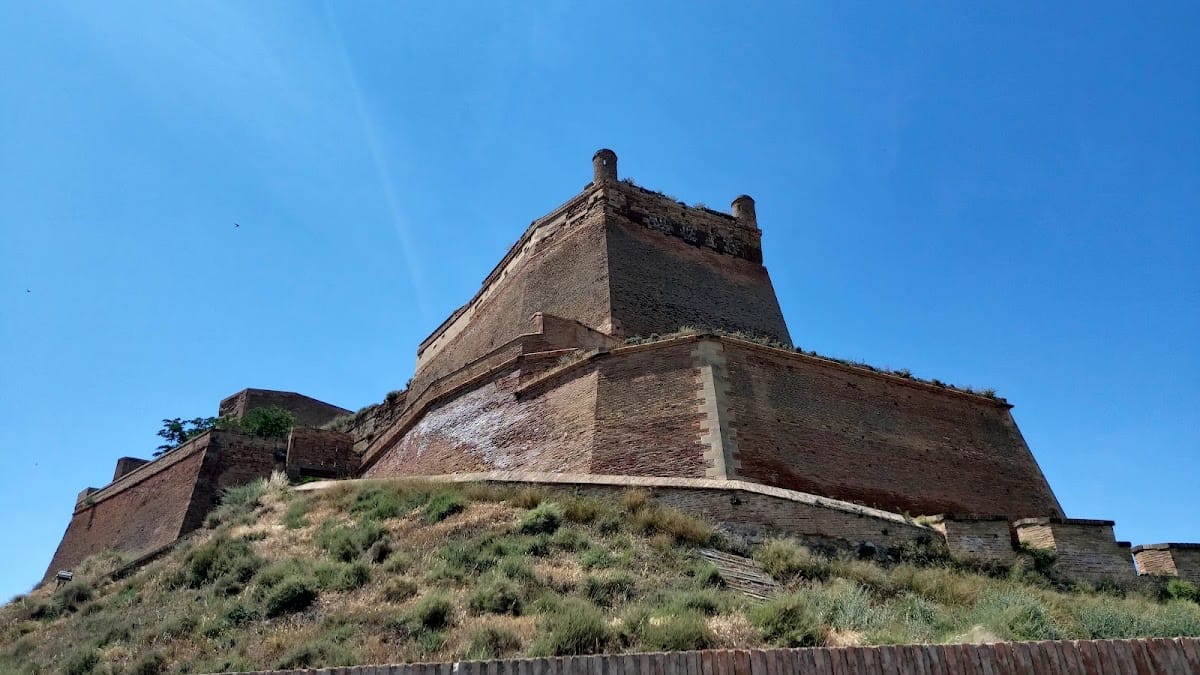
Monzón Castle occupies a roughly triangular and uneven plot atop a steep hill, approximately 338 to 370 meters above sea level. It is naturally protected by two rivers—the Sosa and the Cinca—which flow near its base. The fortress extends about 125 meters along its longest axis, with its structures reflecting a blend of medieval origins and early modern military adaptations.
One of the most notable medieval features is the Tower of James (Torre de Jaume), a trapezoidal building dating from the 12th century. This two-story tower, accessed through an adjoining guardhouse, was used as a prison during the Knights Templar era and retains much of its original form.
The square-shaped Keep Tower, or Torre de l’Homenatge, originated in the 10th century as an Arab construction. Measuring ten meters on each side, it was built using a masonry technique called opus spicatum, which involves laying small white limestone cobbles and sandstone blocks in a herringbone pattern. The tower likely rose to five floors, equipped with narrow arrow slits for defense, and the top floor features two windows with characteristic horseshoe arches. Its original entrance was located on the first floor on the northwest side, framed by a semicircular arch of seven wedge-shaped stones called voussoirs.
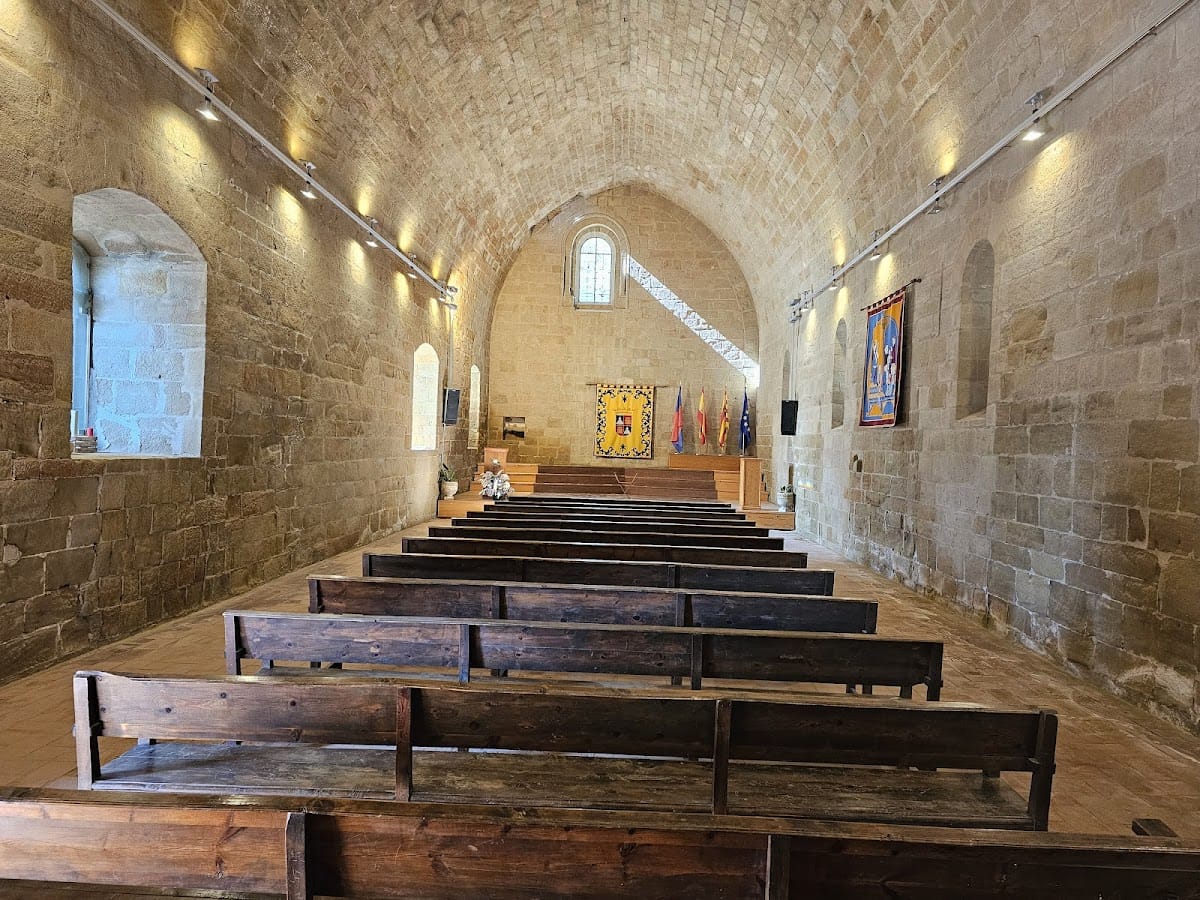
Another important medieval structure is the large rectangular Chapter Hall and Refectory, measuring 35 by 12 meters. This hall has a pointed barrel vault ceiling and was designed with an ingenious rainwater collection system that channeled water into an underground cistern. In the 17th century, the hall was extensively altered to serve as a military barracks. Today, this space is maintained as an auditorium and exhibition area.
The castle church, dedicated to Saint Nicholas, was built with both religious and defensive purposes. It has a single broad nave topped by a pointed barrel vault and a straightforward semicircular-arched entrance decorated with a simple chi-rho symbol, an early Christian monogram. The apse of the church is integrated into the castle’s outer wall, functioning as a defensive tower. Below the apse lies a subterranean chamber with three rock-hewn external exits, indicating a concealed escape or access route.
Adjacent to the Keep Tower, the Dormitory Tower dates from the 12th century, constructed by the Templars, probably over an earlier foundation. This sturdy building has two floors and a basement that reportedly connects through an underground tunnel reaching the Cinca River, providing a secret passage.
Local tradition speaks of a network of eight secret underground tunnels or galleries beneath the castle. These passages are believed to link the fortress to various nearby points, including the slopes surrounding the hill, the cloister of the Church of Santa Maria, private buildings such as Casa Ventura, and neighborhoods like La Trinidad and Santo Domingo. One tunnel is said to reach the hill of Santa Quiteria. These tunnels have long been associated with legends of escape routes or concealed means of resupply during sieges.
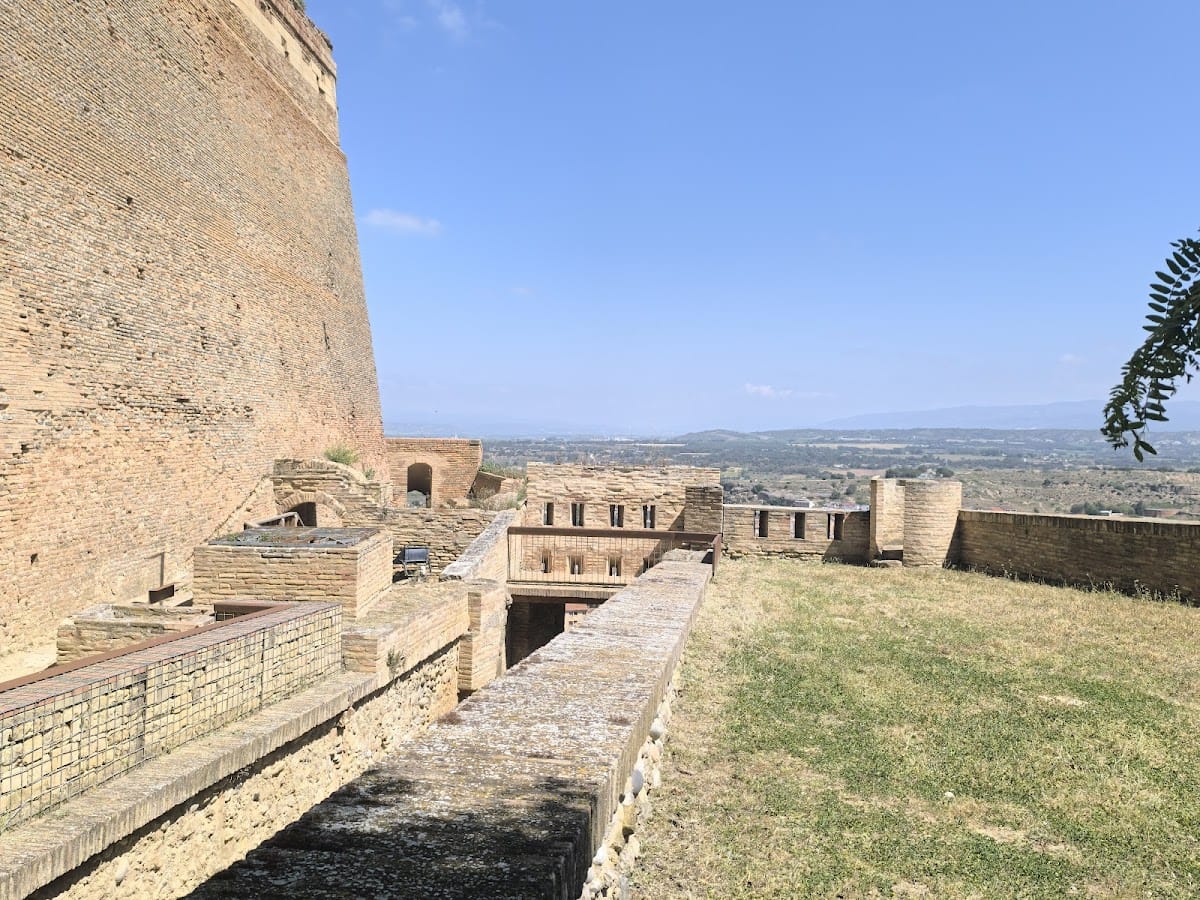
The castle’s defensive walls reveal the evolution of military architecture over many centuries. The oldest parts reflect medieval construction, while the eastern side—the castle’s main entrance—shows modifications from the 17th and 18th centuries designed to withstand firearms and artillery. Features here include large brick walls, angular watchtowers known as sentry boxes, bastions equipped for cannons, and rows of narrow rifle loopholes. Access is controlled by a bridge crossing a deep moat.
Today, Monzón Castle stands partially restored. Informational panels throughout the site illustrate the underground galleries with photographs, maps, and drawings, helping to interpret both the physical remains and the legends tied to this historic fortress.
Nearby sites