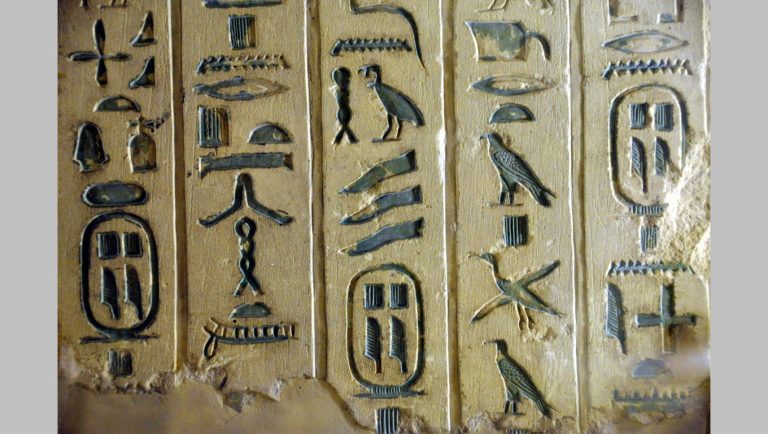
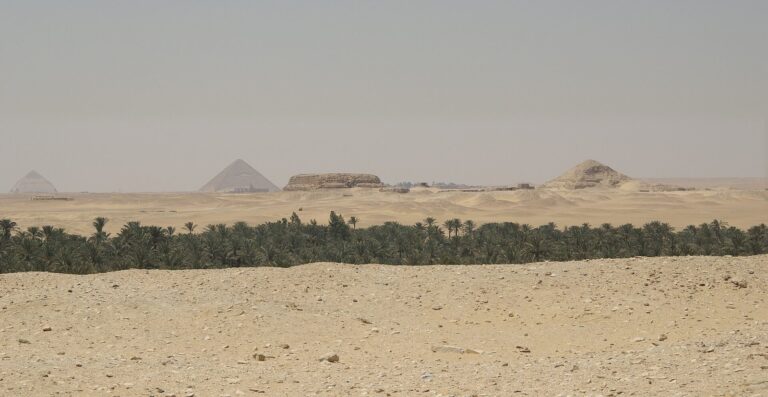
Memphis: Ancient Capital of Egypt
Site at a Glance
- Popularity
- Very High
- Country
- Egypt
- Primary era
- Bronze Age
- Eras represented
- Bronze Age, Iron Age, Classical
- Civilizations
- Egyptian, Kushite, Roman
- Site type
- City
On this page24 sections
History
Memphis was an ancient Egyptian capital on the west bank of the Nile near Mit Rahina, about 20 km south of Cairo, Egypt. It stood near the boundary between Upper and Lower Egypt, at the meeting point of two administrative districts called nomes. The city existed by the time of Iry-Hor, a predynastic ruler, and therefore before Narmer, an early king associated with Egypt’s unification.
Early Egypt and the Old Kingdom
The city’s foundation became the subject of a later tradition. Manetho, an Egyptian priest and historian of the Ptolemaic period, credited Menes with founding Memphis around 3000 BC after diverting the Nile with dikes. Menes is often identified with Narmer, but Memphis already existed before Narmer’s reign. The city had several names over its long history. Men-nefer, originally the name of Pepi I’s pyramid, gave rise to the Greek name Memphis. Hut-ka-Ptah, the name of Ptah’s temple, is traditionally linked to the Greek name for Egypt.
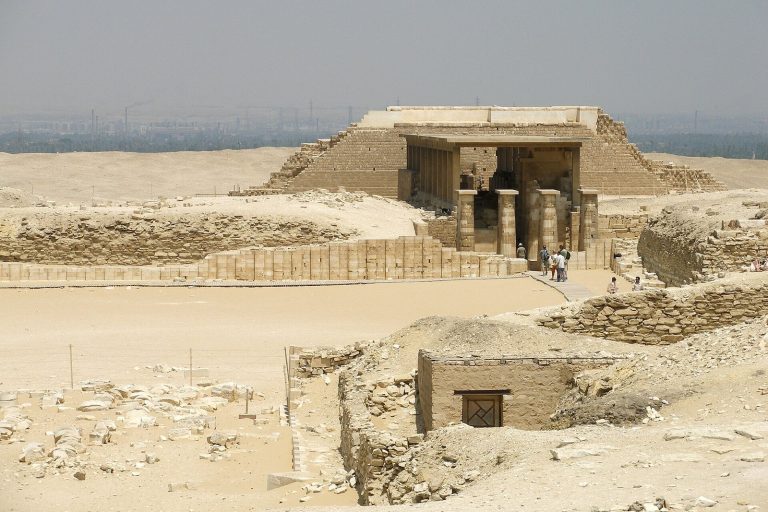
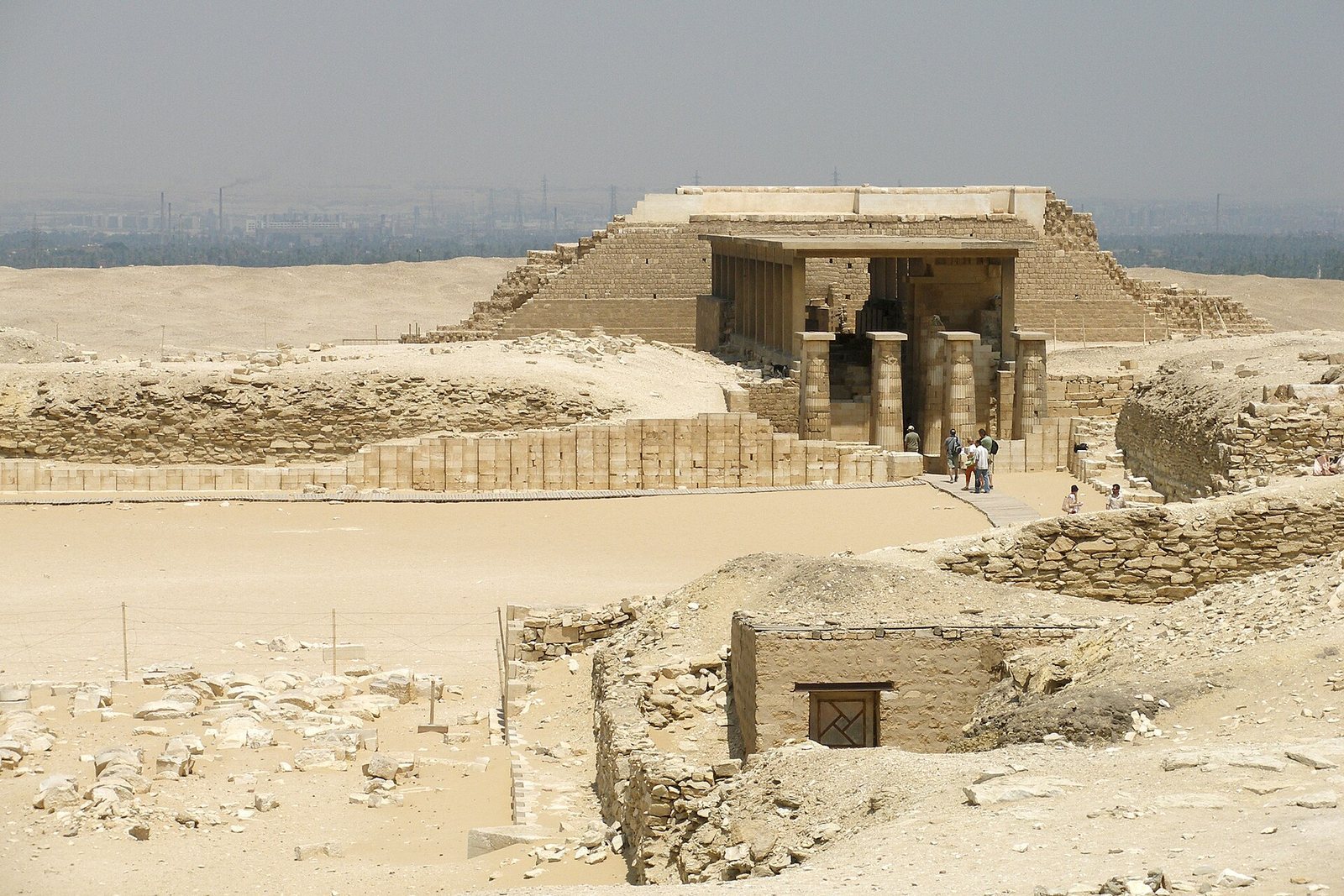
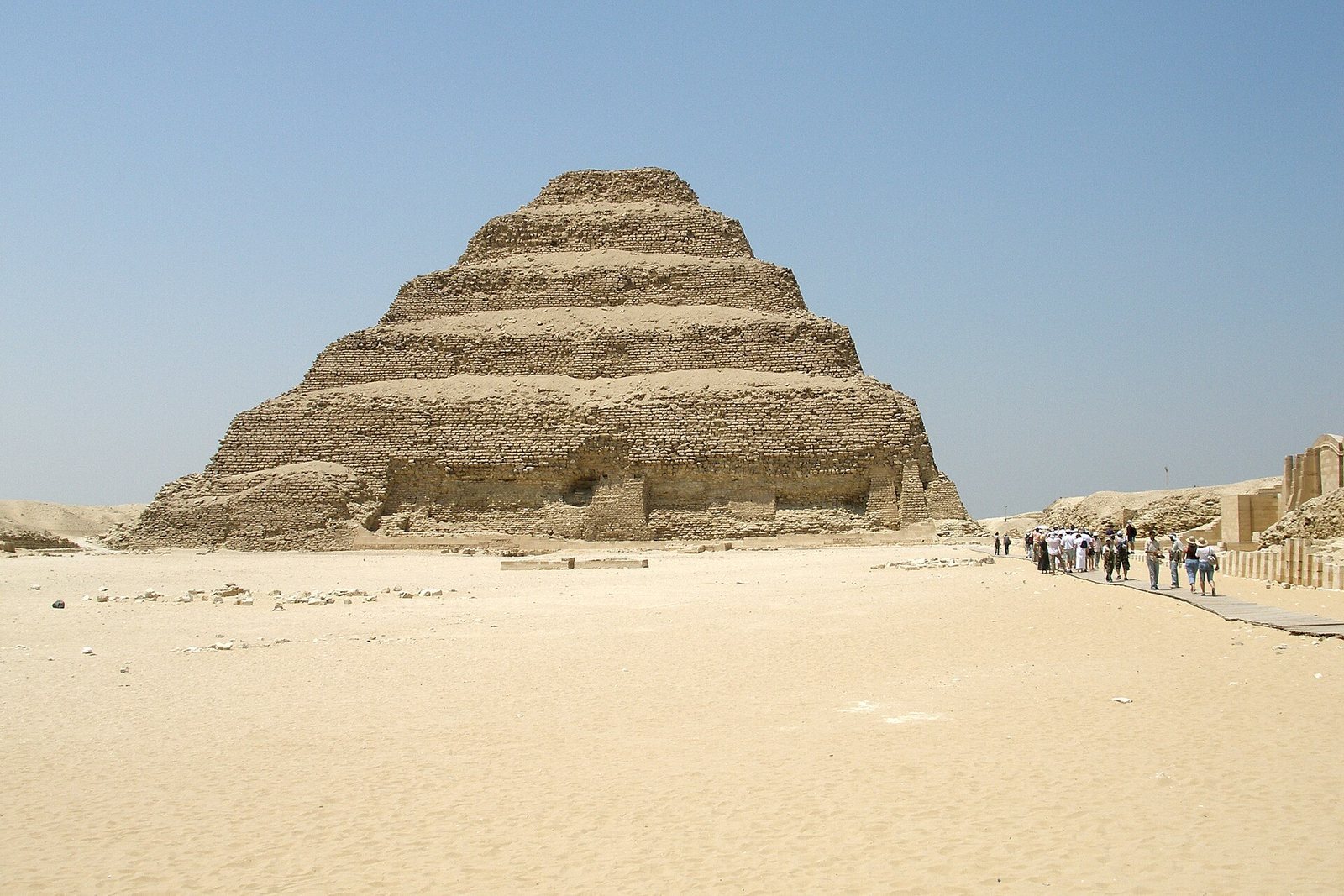
Memphis served as Egypt’s capital during the Early Dynastic Period and the Old Kingdom, early phases of ancient Egyptian history, and continued to matter under later kings. From the Fourth Dynasty, it was a royal residence where rulers received the Double Crown, the emblem of authority over Upper and Lower Egypt. Coronations and Sed festivals, royal jubilees intended to renew a king’s authority, took place at Ptah’s temple. The earliest indications of these ceremonies come from the Djoser complex at Saqqara.
The city became especially important as a centre of worship for Ptah, its principal god, during the Sixth Dynasty. The temple’s religious work was closely tied to royal and elite funerals: it received food and other goods for funerary rites, while high priests served in pairs from at least the reign of Menkaura to that of Teti. The city’s growth was connected with the royal burial grounds around it.
Middle Kingdom and Hyksos conquest
At the beginning of the Middle Kingdom, the royal court and political centre shifted south to Thebes. Later, royal power moved toward the Fayum and the new burial ground at Lisht. Memphis nevertheless remained a commercial and artistic centre. Twelfth Dynasty rulers Amenemhat I, Amenemhat II, and Senusret II commissioned work or offerings for Ptah’s temple; Amenemhat III is traditionally credited with its northern gate. High priests continued to maintain close ties with the court, and their tombs lay near royal pyramids at Saqqara.
Around 1650 BC, the Hyksos, rulers of foreign origin who controlled parts of Egypt during the Second Intermediate Period, captured Memphis after a siege. They dismantled, looted, or damaged monuments and statues, and moved some to their capital at Avaris. Other pieces were relocated again in later periods, including to Pi-Ramesses under Ramesses II and to Tanis. The capture became part of the Theban campaign to recover Egypt.
New Kingdom royal centre
After Ahmose I defeated the Hyksos, royal and military power initially remained concentrated in Thebes and the eastern Delta. Memphis regained prosperity under Amenhotep II and Thutmose IV as peace and trade expanded. In the New Kingdom, it served as an administrative and princely centre. Its port of Peru-nefer connected Egypt with Byblos and the Levant, and the city probably included the Kep, an institution for educating royal princes and noble children. A large royal harem was established at Miur, south of Memphis.
Thutmose IV had royal buildings at Memphis, possibly including a ceremonial palace. Amenhotep III carried out major work at Ptah’s temple and established a temple called Nebmaatra united with Ptah. Akhenaten later founded a temple to the Aten, the solar disk worshipped as a god during his religious reforms. Before the end of his second regnal year, Tutankhamun moved the court from Akhetaten to Memphis and began restoring temples and traditional worship. His officials Horemheb and Maya were buried at Saqqara; Horemheb later became king, while Maya served as royal treasurer.
Under the Nineteenth Dynasty, Memphis recovered political and architectural importance. Ramesses II dedicated monuments there, and Merneptah built a temple to Ptah and a nearby ceremonial palace. The city retained its royal standing under later Ramesside rulers and during the Twenty-first and Twenty-second Dynasties. Siamun built or restored a temple of Amun south of Ptah’s precinct. Sheshonq I enlarged or added to the Ptah complex, commissioned a monument called the Castle of Millions of Years of Sheshonq, Beloved of Amun, and provided a building for the funerary rites of the Apis bull, a sacred animal associated with Ptah.
Third Intermediate and Late Period
During the Third Intermediate and Late Periods, successive struggles for control of Egypt brought repeated warfare to Memphis. Piankhi, a Kushite king from the kingdom of Nubia south of Egypt, captured the city and restored temples and religious cults. His successors built chapels near the southwest corner of Ptah’s precinct, and Taharqa restored or rebuilt a temple of Amun. Assyrian forces under Esarhaddon captured and sacked Memphis in 671 BC. Ashurbanipal’s invasion brought another capture and sack in 664 BC, ending Kushite rule in Egypt.
Saite rulers subsequently rebuilt and fortified parts of the city, and Apries established a palace complex there. After the Persian conquest in 525 BC, Memphis became the administrative centre and capital of the Egyptian satrapy, a province of the Persian Empire, for nearly a century and a half. A Persian garrison was stationed there, and the city remained a military and commercial centre.
Amyrtaeus briefly ended Persian rule in 404 BC. In 399 BC, Nepherites I defeated and executed him at Memphis, then moved the capital to Mendes. Memphis retained religious, commercial, and strategic importance. Nectanebo I began a major rebuilding programme at the temples, including a new enclosure for Ptah’s precinct, and Nectanebo II continued the work. In 343 BC, Artaxerxes III besieged Memphis, forcing Nectanebo II to flee south. The rebel king Khababash briefly regained control, as indicated by an Apis sarcophagus bearing his name, before Darius III’s forces retook the city.
Macedonian and Ptolemaic rule
Alexander the Great was crowned pharaoh at Ptah’s temple in 332 BC. After his death in Babylon in 323 BC, Ptolemy I brought his body to Memphis for embalming and temporary placement in the temple. Ptolemy II later transferred the sarcophagus to Alexandria, where a royal tomb was built.
Memphis remained a religious centre under the Ptolemies, the Macedonian dynasty that ruled Egypt after Alexander. From the reign of Ptolemy III, formal assemblies of leading priests met there under Ptah’s high priest to determine religious policy, taxes, and other measures. Decrees issued in 216 and 196 BC appeared in hieroglyphic, Demotic, and Greek. The Rosetta Stone is the best-known example of these multilingual decrees. Memphite high-priestly families also maintained close relations with the royal house, including through marriage.
Roman rule and abandonment
Under Roman rule, Alexandria permanently took over Memphis’s position as Egypt’s leading city. The rise of Serapis worship and the spread of Christianity weakened the older cults, although worship of Apis and observance of the Nile’s annual flood continued for a time. The Edict of Thessalonica in 380 AD made Nicene Christianity the Roman Empire’s official religion and further reduced Memphis’s religious importance.
By the late fourth century, pilgrims travelling from Palestine stopped at Memphis. Traditions associated with the city included a visit by the Holy Family and places connected with Moses and Aaron; the Holy Family story was already regarded as legendary rather than historical. Memphis was gradually abandoned during the Byzantine and Coptic Christian periods. From the seventh century, its temples and cemeteries supplied building stone for new settlements, including Fustat and later Cairo. The city was largely abandoned by the seventh century, though substantial ruins were still described in the thirteenth.
Rediscovery and archaeological work
Jean de Thévenot identified the ruins in 1652, and the French expedition to Egypt in 1798 confirmed their location and produced the first precise regional map showing Memphis. Excavations and surveys followed during the nineteenth century, including work by Caviglia and Sloane, Champollion, Lepsius, Hekekyan, and Mariette. Flinders Petrie’s excavations from 1907 to 1912 clarified the extent of several major areas. The University of Pennsylvania excavated Merneptah’s temple and its adjoining palace from 1914 to 1921. Later projects by Egyptian and international teams investigated temples, tombs, and other parts of the site; work at the small temple of Hathor resumed in 2003.
Memphis and its necropolis form part of the World Heritage property Memphis and its Necropolis – the Pyramid Fields from Giza to Dahshur, inscribed on UNESCO’s World Heritage List in 1979.
Remains
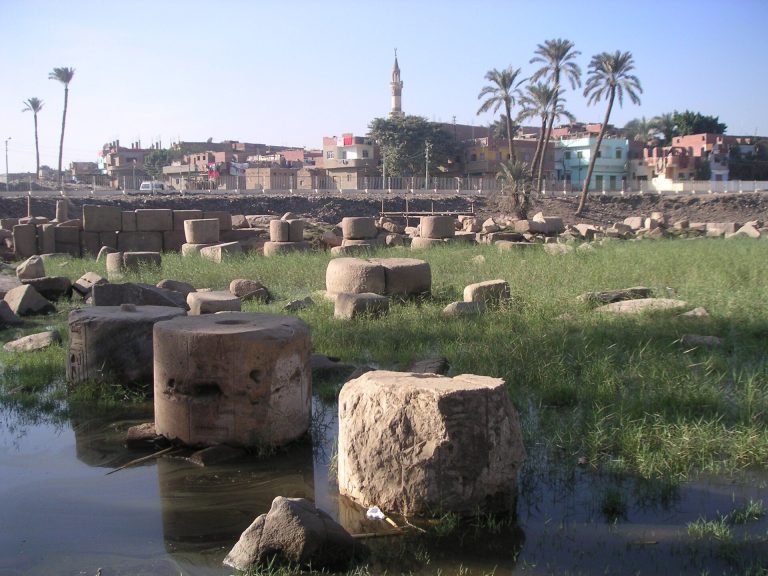
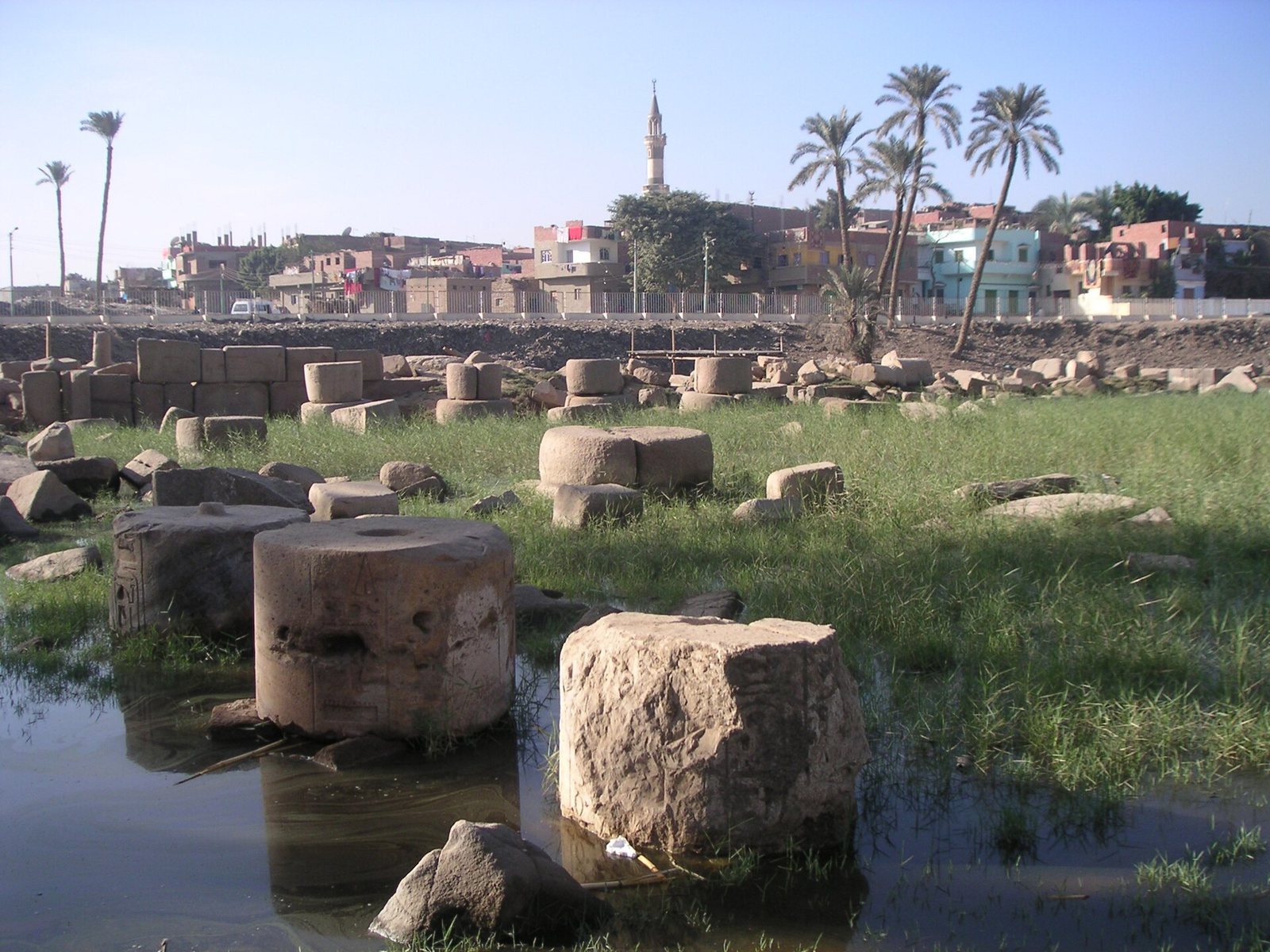
The remains extend across a broad landscape on the Nile’s west bank, with the city centre eventually focused on Ptah’s precinct at Mit Rahina. The historic territory included areas now known as Mit Rahina, Dahshur, Abusir, Abu Gorab, and Zawyet el-Aryan. A change in the Nile’s course eastward altered navigable routes and opened land for the city’s expansion. Temples, ports, roads, and canals linked urban districts with the surrounding burial grounds.
City layout and cemeteries
Urban districts and port
Memphis developed as a network of districts containing temples, royal buildings, workshops, arsenals, docks, and residences, including quarters occupied by foreign communities. The port of Peru-nefer was associated with workshops, factories, and warehouses. The city’s location near the Nile Delta connected it with river and coastal routes.
The Memphite necropolis
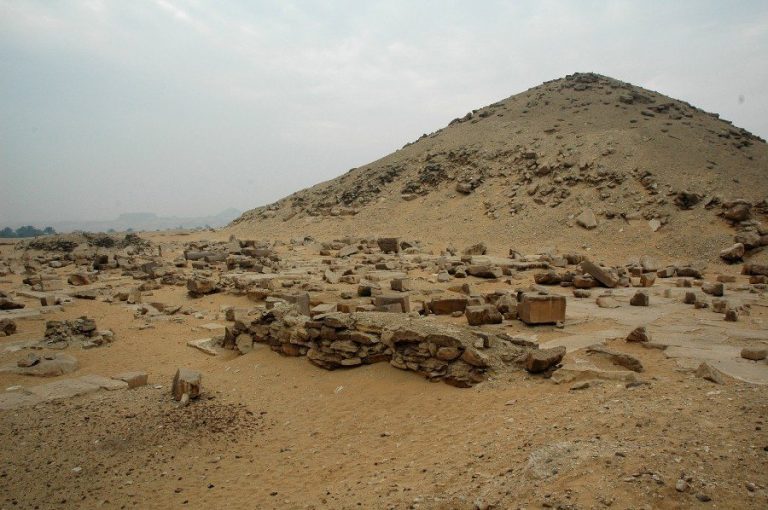
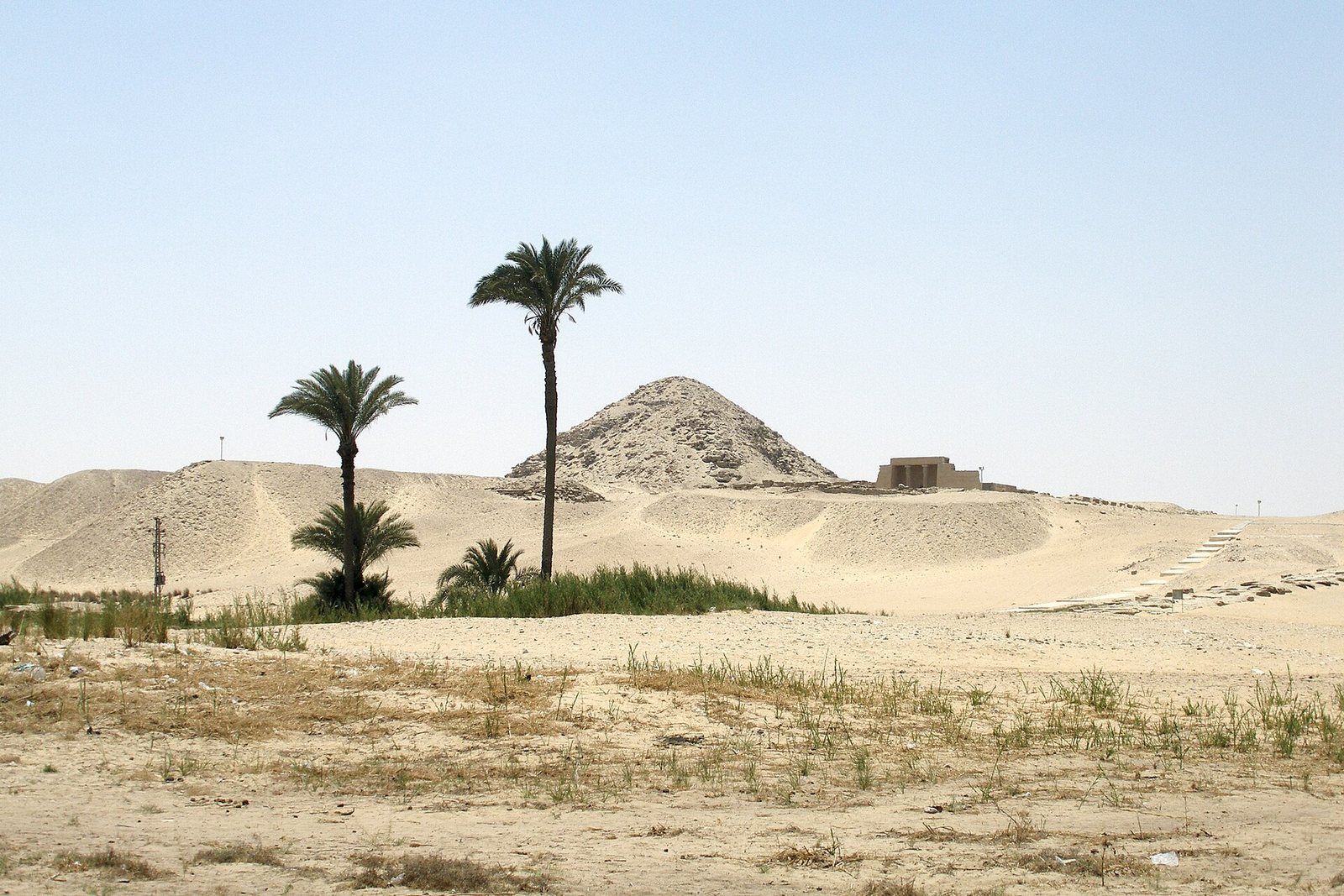
The surrounding necropolis, or large funerary landscape, stretched from Meidum to Abu Rawash and included Dahshur, Saqqara, Abusir, and Zawyet el-Aryan. Saqqara was its largest and best-known cemetery. Early royal and elite burials include mastabas, low rectangular tombs with flat-roofed superstructures, at Saqqara North, some dating at least to the reign of Hor-Aha. Elite tombs at Abu Rawash belong to the reigns of Aha and Den, while Second Dynasty mastabas occur at Saqqara and Zawyet el-Aryan. Cemeteries also occupied ground west of Ptah’s precinct, including the Middle Kingdom cemetery at Kom el-Fakhri and tombs of Twenty-second Dynasty high priests.
Ptah’s precinct and nearby temples
Great Temple of Ptah
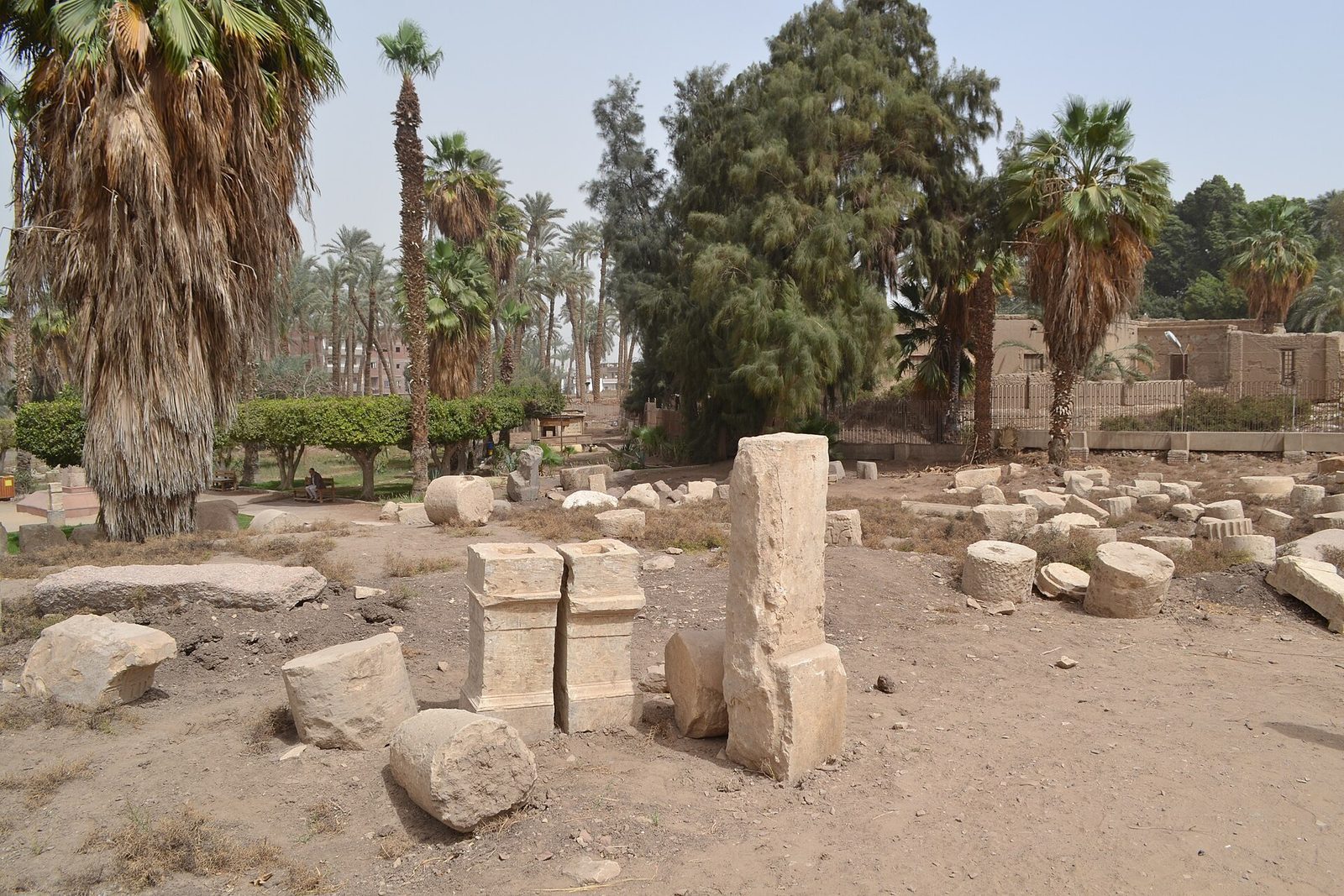
The Great Temple of Ptah, also called Hut-ka-Ptah, occupied a large walled precinct near the city centre. Its monumental entrances stood on the southern, western, and eastern sides. Colossi were associated with its gates and pylons, the paired towers forming monumental temple gateways. Remains from the precinct are displayed in the open-air museum near Mit Rahina, alongside statues, sphinxes, and architectural fragments. Votive objects shaped as ears, dedicated to Ptah as a god who hears prayers, have also been recovered and are now in museum collections.
Colossi of Ramesses II
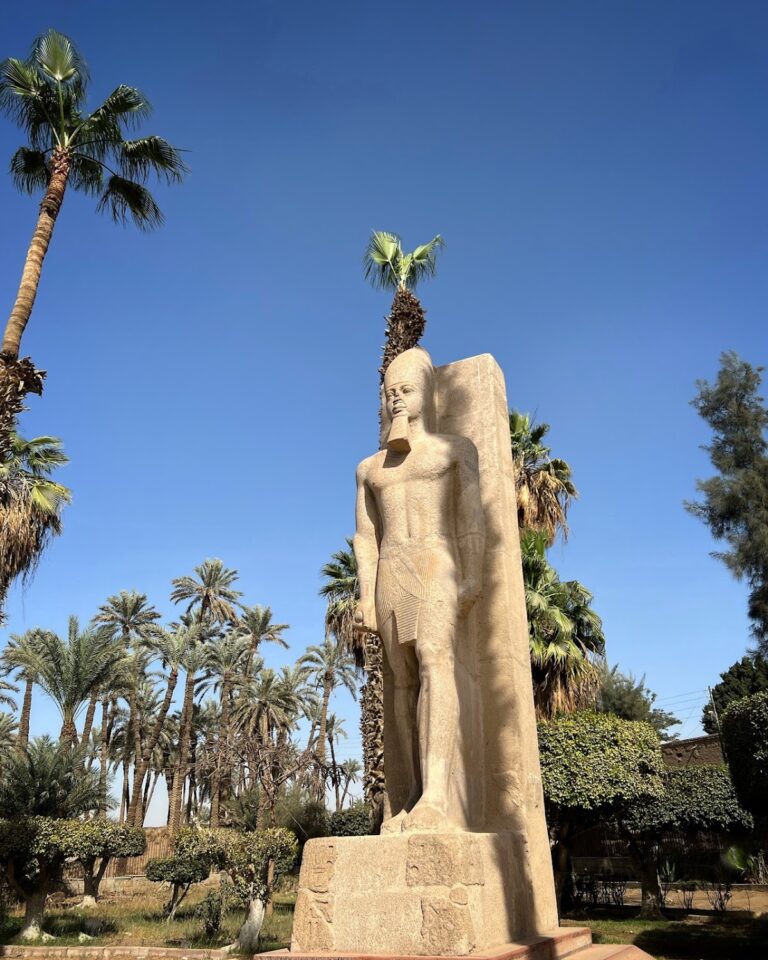
Two large statues of Ramesses II stood at the temple’s eastern entrance. A limestone colossus, about 10 metres long, was found near the southern gate in 1820. Its base and feet are detached, and it is displayed lying on its back; traces of its original colour remain. A second statue, carved from pink granite, has been restored to a standing height of about 11 metres. It was moved to Cairo in 1950, transferred to Giza in 2006, and installed at the entrance to the Grand Egyptian Museum in 2018.
Temple of Ptah built by Ramesses II
A smaller temple of Ptah built by Ramesses II adjoined the southwest corner of the main enclosure. Its east-facing plan comprised a pylon, an offering court, a columned portico, a pillared hall, and a sanctuary divided into three parts. A mudbrick wall about four metres thick enclosed the building. A paved route extended east from its entrance, lined by other religious buildings.
Temple of Ptah, Sekhmet, and Ramesses II
Farther east stood a small temple dedicated to Ptah, Sekhmet, and the deified Ramesses II. It opened west toward a processional route. The building’s plan has been recorded, and two Middle Kingdom colossi, later inscribed with Ramesses II’s name, originally stood at its front. They portray the king walking and wearing the white crown of Upper Egypt; both are now in the Mit Rahina museum enclosure.
Temple and palace of Merneptah
Southeast of the Great Temple, Merneptah’s temple had a courtyard about 50 metres square, entered from the south through a large doorway decorated with the king’s names and epithets of Ptah. A large mudbrick ceremonial palace stood nearby at Kom el-Qala. Stone elements from the temple are held in the University of Pennsylvania museum and the Egyptian Museum in Cairo.
Temple of Hathor
A small temple of Hathor, south of the Great Temple’s enclosure, dates to Ramesses II’s reign. It was dedicated to Hathor as Lady of the Southern Sycamore and has a form comparable to small shrines used as resting places for sacred boats during processions. It is the Hathor temple identified at Memphis.
Temple of Amun
A temple of Amun built by Siamun stood south of Ptah’s temple. It may have served Amun, Mut, and Khonsu, a group of deities associated with Thebes. Petrie recorded its remains during his early twentieth-century work.
Ritual facilities and royal buildings
Apis embalming facility
An embalming facility for Apis, the sacred bull regarded as a living manifestation of Ptah, lay within the Great Temple precinct. It was in use by the Twenty-first Dynasty and underwent later alterations, including during the Twenty-sixth Dynasty. Its latest known form dates to the reign of Nectanebo II. Stone tables used to prepare the bull for burial were found there.
Apries’s palace complex
Apries’s palace complex at Kom Tuman occupied a rise overlooking the city and formed part of the northern enclosure. Excavations revealed a palace, fortress, barracks, and armouries. Its position and associated military buildings show the combined royal and defensive character of this part of Memphis.
Roman Mithraeum
A Mithraeum, a sanctuary for the Roman mystery cult of Mithras, stood in the northern part of the site.