Leuk Castle: A Medieval Fortress in Switzerland

Visitor Information
Google Rating: 4.7
Popularity: Low
Official Website: www.schlossleuk.ch
Country: Switzerland
Civilization: Medieval European
Site type: Military
Remains: Castle
History
Leuk Castle is situated in the municipality of Leuk in Switzerland and was originally constructed by medieval European builders during the 13th century. It occupies a strategic location above the route leading from the Rhone valley over the Gemmi Pass, an important passage through the Alps.
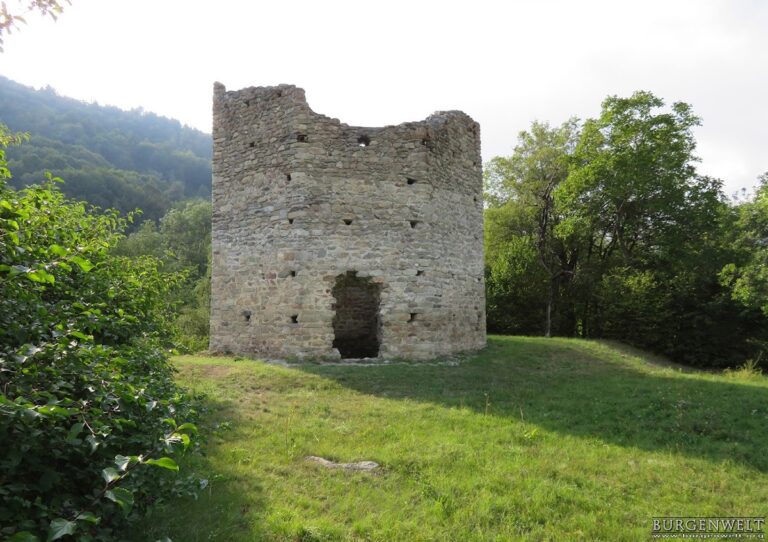
The earliest phase of the site dates back to the 12th century when a fortified tower known as the Viztum Tower was built to guard the road. Around the same time, the local noble Leuk family established a small fort nearby. Through the 12th century, the Bishop of Sion expanded his territorial control over the Valais region, acquiring the lands of Leuk from the Leuk family. At the beginning of the 13th century, the Leuk family relinquished their lands to the bishop, after which they continued to hold the estate as a fief but soon vanished from historical accounts.
Following this transfer of ownership, the Bishop of Sion took an active role in developing the site. The original small fort was substantially enlarged into a larger castle intended both as a residence for the bishop’s representatives and as an administrative center overseeing the surrounding territory. Over the course of the 14th century, the fiefdom of Leuk was passed to successive noble families, including the Ayent family, the Blonay family, and by around 1350, it came under the control of the Raron family. These changes reflect the castle’s ongoing role as a seat of local governance aligned with the ecclesiastical authority of the bishop.
Remains
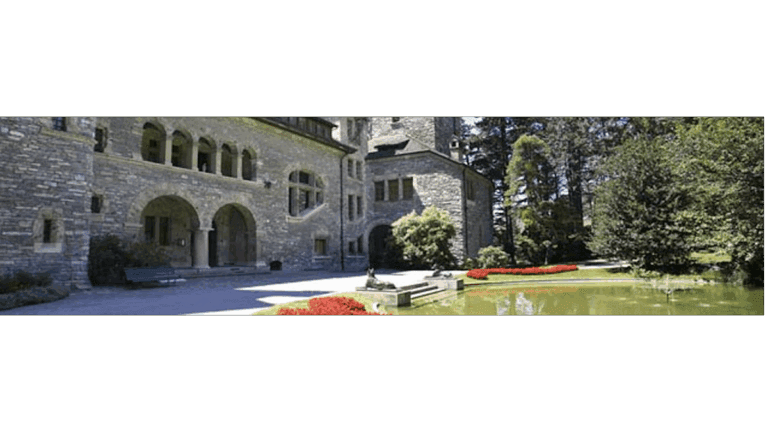
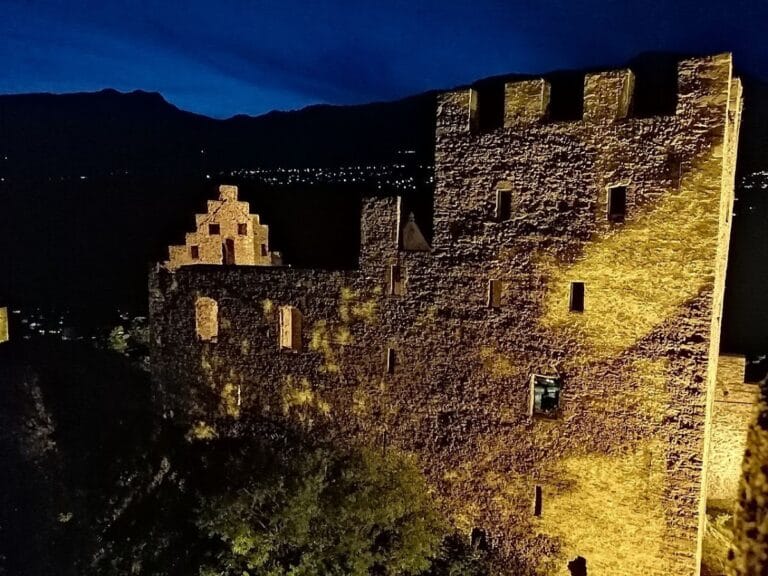
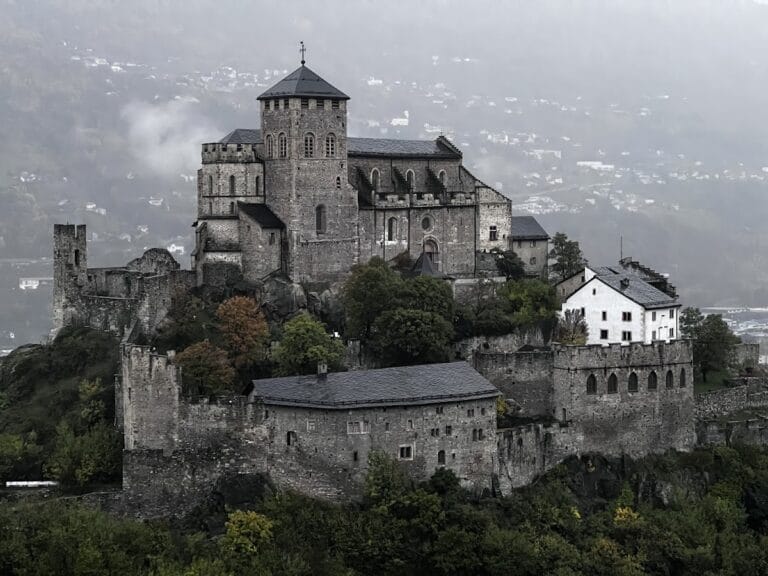
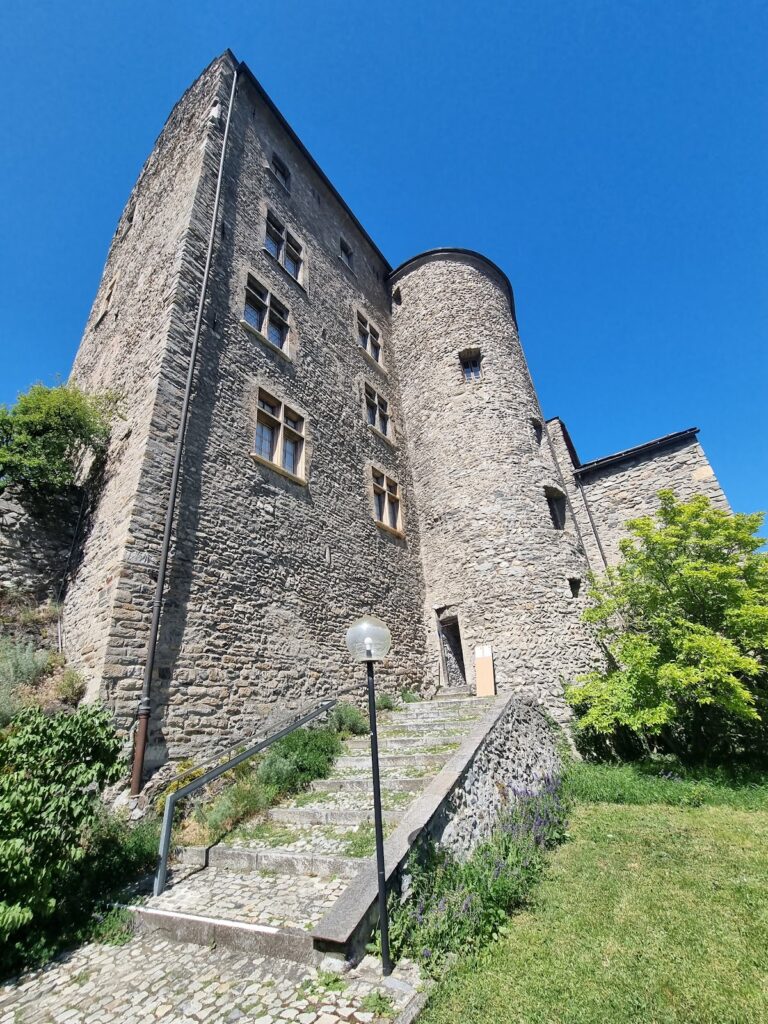
The castle complex features a main square tower that serves as its central stronghold. This tower measures approximately 9 meters on each side and is believed to date back to the 12th century, making it one of the oldest parts of the site. Surrounding the tower is a ring wall with an irregular perimeter, which encloses the core of the castle, defining its defensive boundary.
In addition to the tower, the site includes two rectangular residential buildings that were added during the early to mid-13th century. These buildings functioned as living quarters and administrative spaces connected to the castle’s role as a residence for clerical officials or noble administrators. Together with the tower and enclosing walls, these residential structures form a coherent medieval complex.
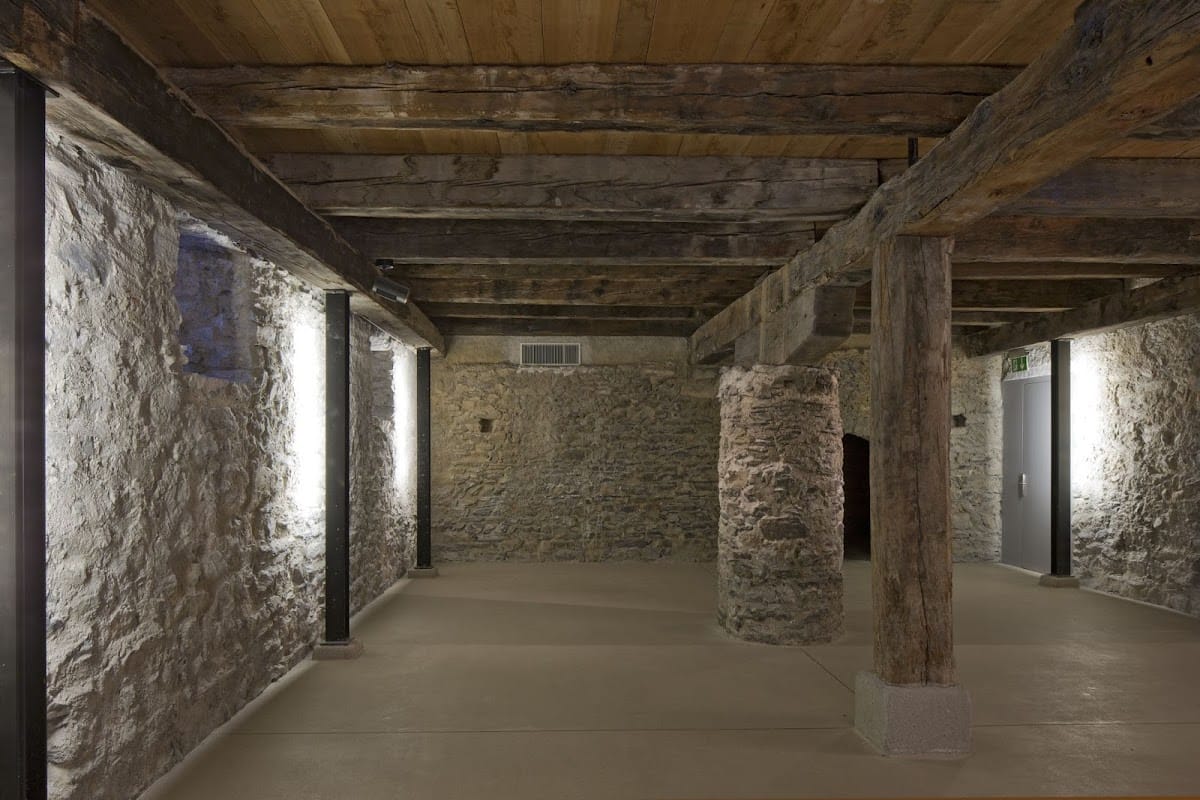
While specific construction materials and decorative details are not documented, the surviving elements likely consist of stone masonry typical of the period. The arrangement of the buildings within the ring wall reveals a combination of defensive and domestic functions. Today, the remains retain their overall form and stand in situ, providing a tangible link to the castle’s historic development as a fortified administrative hub above an important Alpine route.
Nearby sites