Kuncberk: A Historical Site in Czechia Reflecting Medieval and Baroque Heritage
Visitor Information
Google Rating: 4.1
Popularity: Very Low
Country: Czechia
Civilization: Early Modern, Medieval European
Site type: Military
Remains: Castle
History
Kuncberk is a historical site located in the municipality of Křinec, in the modern country of Czechia. It was originally established by members of the medieval Bohemian nobility.
The earliest recorded phase of Kuncberk’s history dates to before 1470 when Jan Křinecký of Ronov founded the castle. His family retained ownership until 1575, when the property was sold to Jindřich of Waldstein. Following the transfer, the Waldstein family chose to reside at their Dobrovice Castle, resulting in Kuncberk being abandoned. By 1638, sources described the original fortress as a ruin.
In 1650, the estate entered a new chapter under the Morzin family, who erected a modest chateau in the early Baroque style on the former castle’s footprint between 1659 and 1680. This period introduced a different phase of construction, focusing on residential use rather than military defense. About 1818, the Bethmann family undertook restoration efforts to revive the chateau’s condition. Despite this care, the building once again declined during the nineteenth century and was ultimately demolished in 1891.
Since 1965, the site of Kuncberk has been officially protected for its cultural heritage value, preserving the historical footprint of this layered estate.
Remains
The layout of Kuncberk originally featured a hexagonal plan, situated atop a low hill reaching 215 meters above sea level, which afforded a strategic view over the surrounding flat terrain. This six-sided shape marked the footprint of the medieval castle, although detailed knowledge of the internal arrangement is lost due to subsequent modifications during the Baroque period.
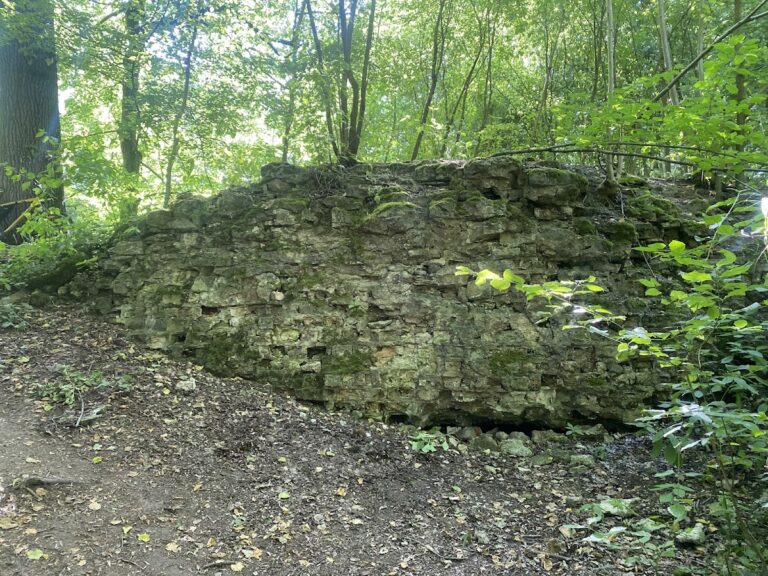
Notable surviving elements include a broad, encircling moat that once served as a defensive barrier, accompanied by a substantial earthen rampart at the front of the site. This rampart was constructed to support the weight and recoil of heavy artillery pieces, highlighting the fortress’s defensive role in later centuries. These earthworks remain visible and represent the most significant fragments of the early fortification.
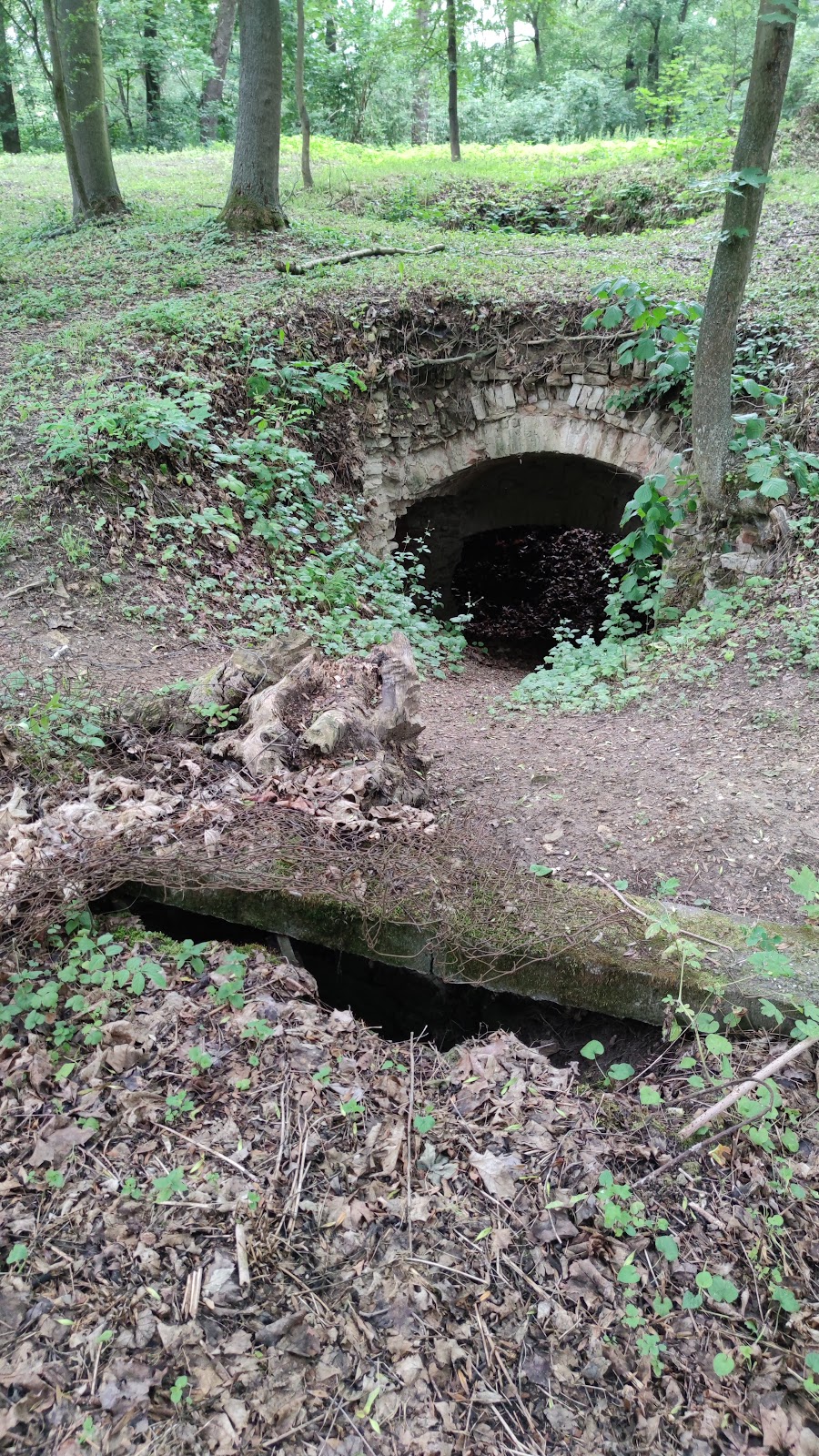
The early Baroque chateau built in the 17th century introduced a new architectural form with an octagonal plan. The lower floor was constructed in stone, while the upper floor used timber framing. Vaulted rooms from this period survive on the site; some of these spaces may incorporate earlier castle masonry. Within the chateau, the ground floor housed a painted entrance hall, a kitchen, and two additional rooms, while the upper floor contained three rooms and a large hall adorned with stucco decorations and frescoes that created illusionistic effects.
Together, these remains reveal the transformation of Kuncberk from a medieval defensive stronghold to a Baroque residential estate, preserving elements from both phases and providing insight into its historical evolution.
Nearby sites