Pařez Castle: A Gothic Rock Castle Ruin in Czechia
Site at a Glance
- Rating
- 4.6
- Popularity
- Low
- Country
- Czechia
- Primary era
- Medieval
- External website
- Open
- Eras represented
- Medieval
- Civilizations
- Holy Roman Empire, Kingdom of Bohemia
- Site type
- Military
- Remains
- Castle
On this page10 sections
History
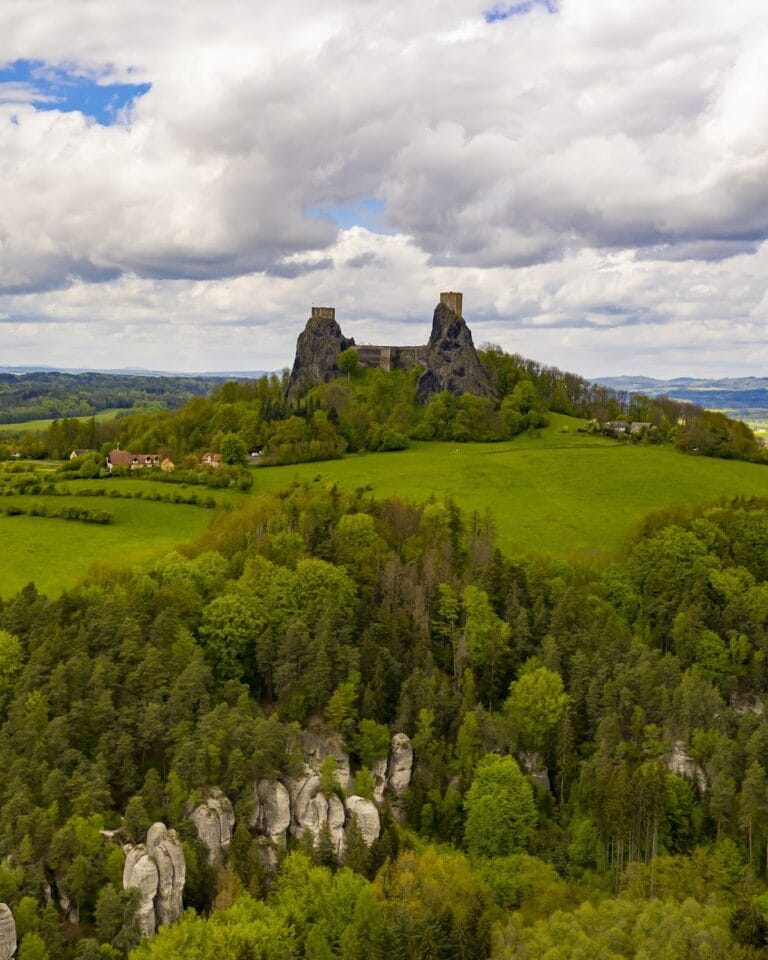
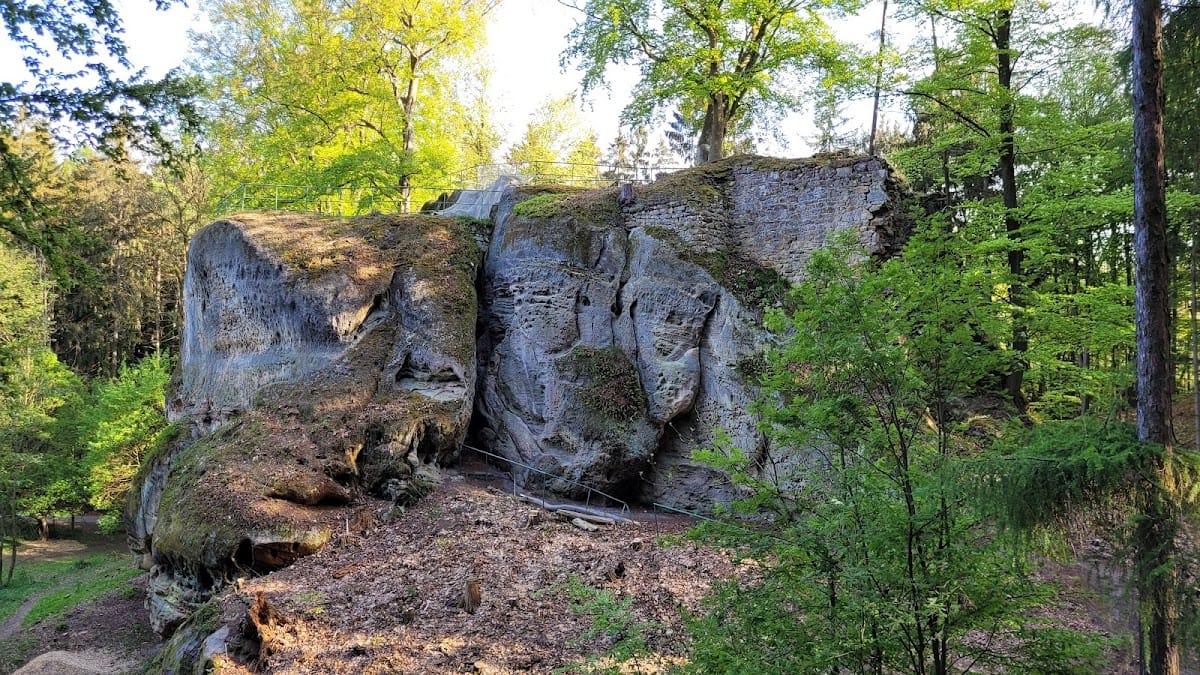
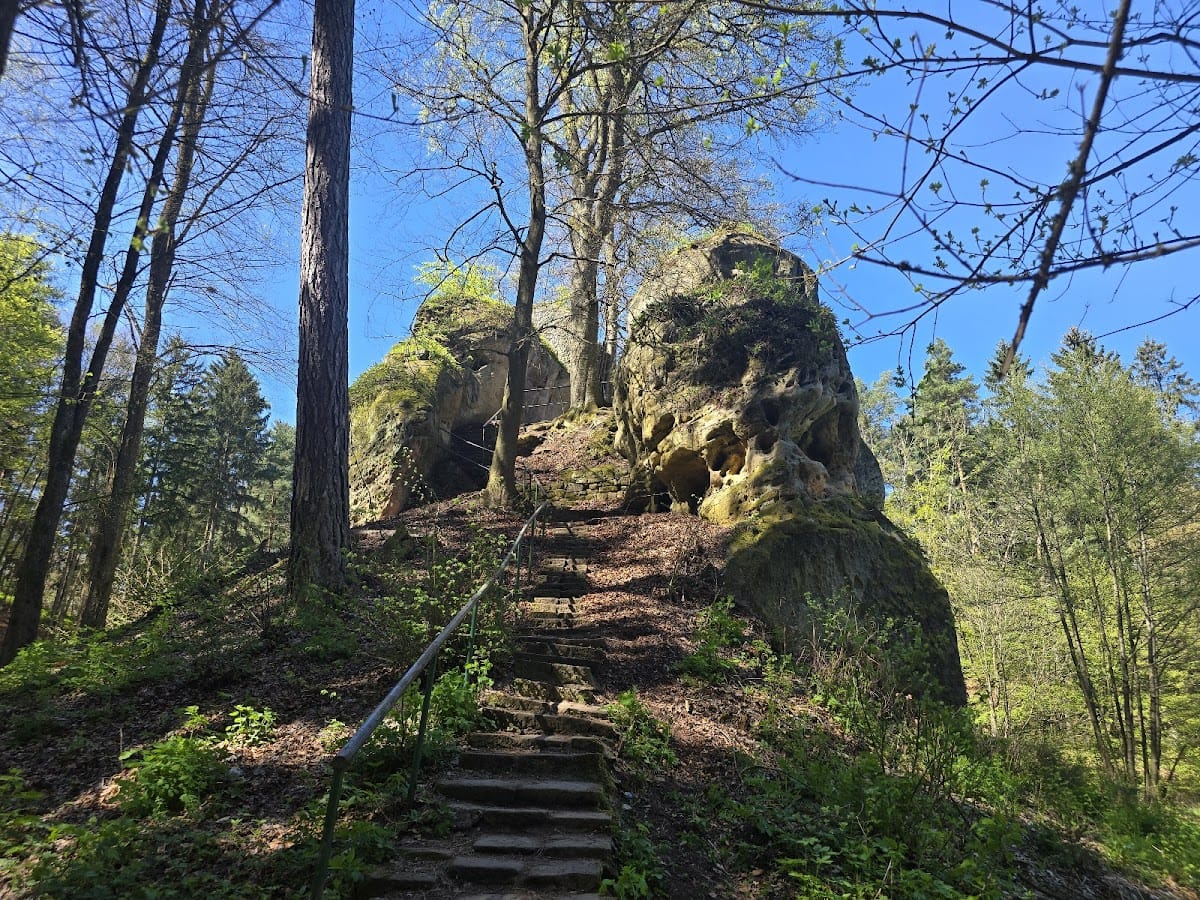
Pařez Castle is a Gothic rock castle ruin in Czechia, established at approximately 1370 near the northwestern edge of the Prachov Rocks. Built on and partly into an isolated sandstone formation, it was occupied from the late fourteenth century into the first quarter of the fifteenth century. Its surviving remains are protected as a cultural monument of the Czech Republic and lie within the Český ráj Protected Landscape Area.
Foundation and Early Occupation
The first written reference to Pařez dates from 1403, when Jan of Pařez was identified as its holder. Historian August Sedláček considered Jan a descendant of Petr of Pařez, who was mentioned in 1372 and may have founded the castle. Archaeological evidence places the castle’s active use in the period from the late fourteenth century to the first quarter of the fifteenth century.
Destruction during the Hussite Wars
By 1430, when Ctibor of Pařez held the property, the castle was already a ruin. It probably ceased to function during the Hussite Wars, a series of religious and political conflicts in Bohemia that began after the execution of the reformer Jan Hus in 1415. Pařez may have been captured by Hussite forces in 1424. The discovery of a stone ball for a bombard, a large medieval gun firing stone or metal projectiles, supports the possibility of a violent end.
Later Use and Archaeological Investigation
Pařez was reportedly used by robbers before its destruction and probably later offered shelter to poor people. Archaeological excavation was carried out at the foot of the rock formation in 1972 by Jiří Waldhauser and V. Weber. Material from this work, from surface collection, and from changes made to the ruin is held by the Regional Museum and Gallery in Jičín and the Museum of Eastern Bohemia.
Remains
Rock Setting and Defenses
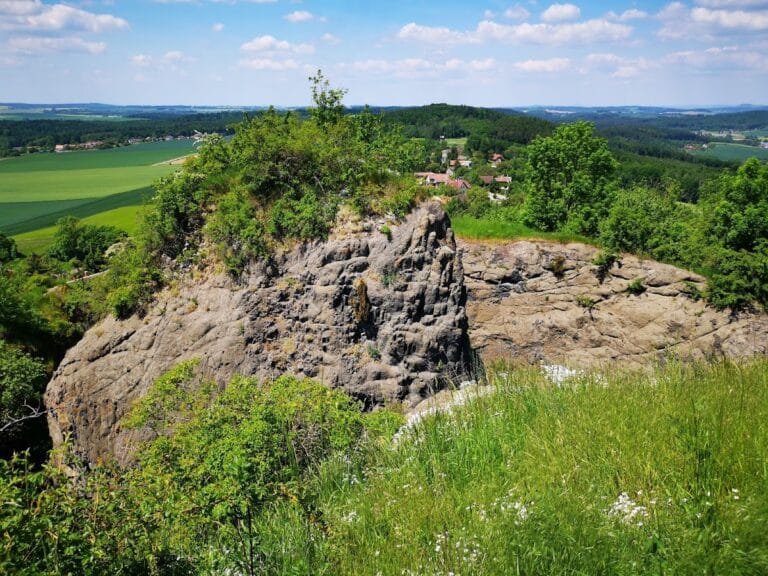
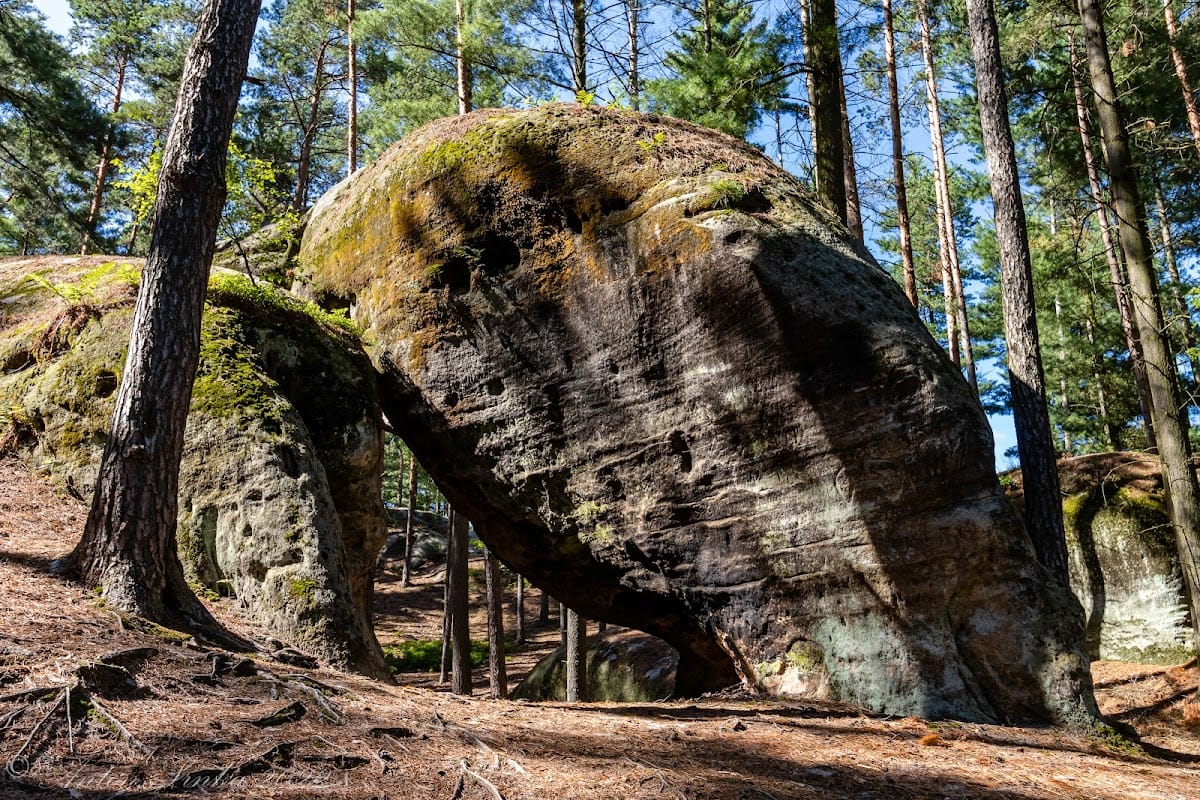
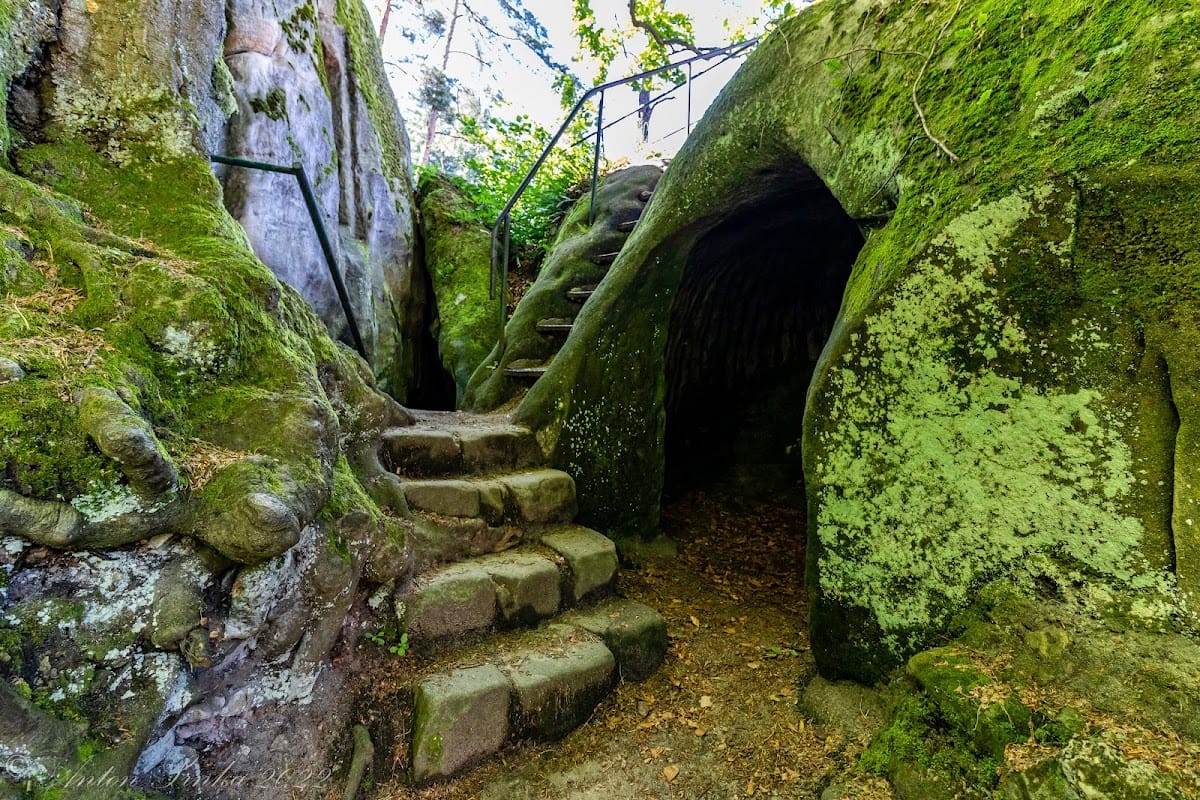
The castle occupies an isolated sandstone rock in the Jičín Uplands. Steep rock faces and surrounding ponds helped protect the site, while defensive embankments may once have made it possible to flood the nearby area. A fissure dividing the rock formation into two parts provided access to the castle itself. A masonry curtain wall, meaning a defensive wall enclosing a fortified site, followed the upper edge of the rock.
Palace and Rock-Cut Rooms
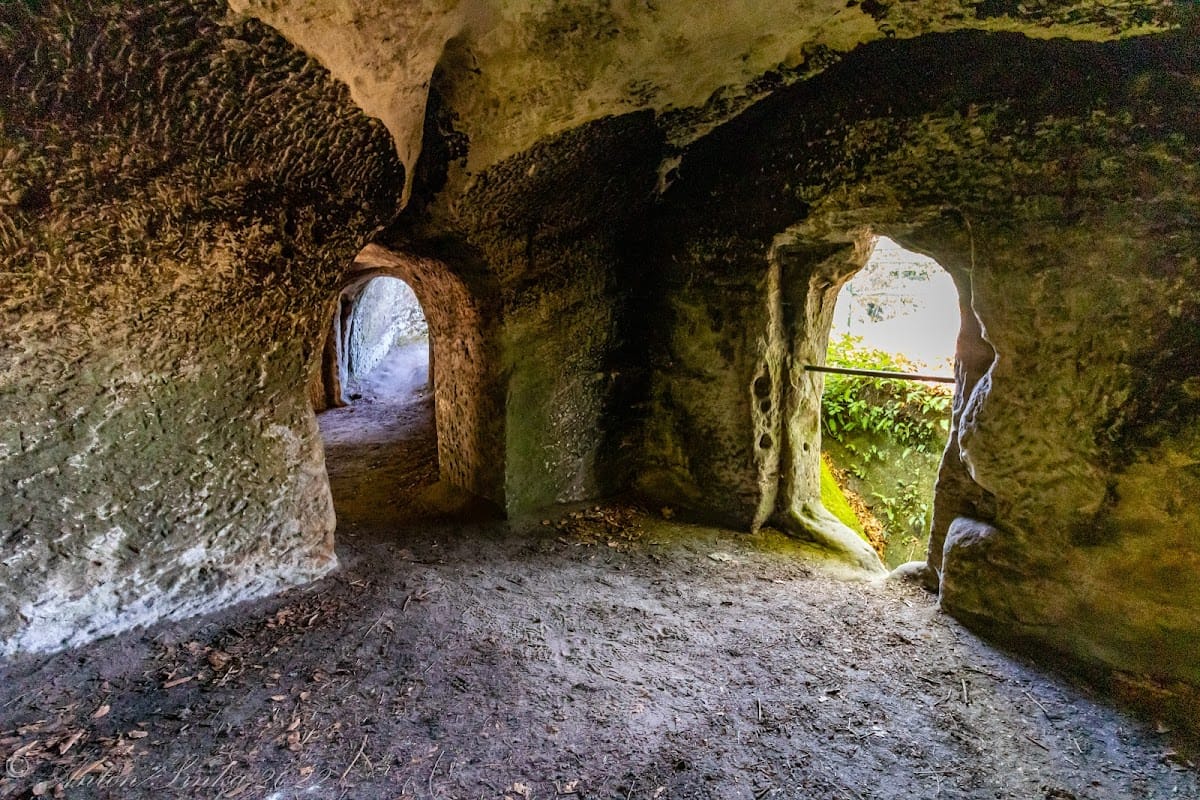
Most of the summit platform was taken up by a palace that was probably built with timber framing. Its surviving evidence consists of foundation grooves containing traces of masonry and mortar. Several small rooms were cut into the rock blocks and fitted with imitations of barrel vaults, creating interior spaces within the natural formation.
Western Tower
A square tower projects from the western side of the castle perimeter. It was originally equipped with a mechanism for a pedestrian drawbridge. An entrance through the tower would have required extensive alteration of the ground or a complex supporting structure, and it was therefore probably never used.
Possible Siege Camp
East of the castle, on the opposite side of the valley, lies a possible siege-camp site. Its identification remains uncertain. The area is enclosed by a ditch and an outer rampart, although part of it has been damaged by recreational structures.
Archaeological Finds
Pottery fragments from the late fourteenth century to the first half of the fifteenth century form part of the excavated and collected material. Other objects include a ceramic rattle, a four-lobed ceramic lid knob, an iron chain link, and a lead disk of uncertain function that may have served as a gaming piece. A bone disk decorated with a whirling rosette may have been an inlay from a wooden box, while a stone weight may have been used to close a door.
Several objects associated with the La Tène culture, a later Iron Age archaeological culture linked with Celtic communities in central and western Europe, were found at the castle before 1932. They include a brooch, glass beads, a coin, and pottery. An assemblage of iron objects discovered in 1942, including whetstones, nails, a buckle, armor plates, and a blacksmith’s punch, may represent the remains of a smithy.
A hoard of Prague groschen, medieval Bohemian silver coins widely used in Central Europe, was reportedly found in the tower during the reign of Wenceslas IV. The find is now missing.