Castello di Pontes: A Medieval Castle in Sardinia
Site at a Glance
- Rating
- 4.1
- Popularity
- Very Low
- Country
- Italy
- Primary era
- Medieval
- Eras represented
- Medieval
- Civilizations
- Unclassified
- Site type
- Military
- Remains
- Castle
On this page5 sections
History
Foundation and Strategic Role
Castello di Pontes is a ruined medieval castle in Italy, near Galtellì in Sardinia. It is thought to have been built in the eleventh century by the judges of the Judicate of Gallura, an autonomous medieval polity governed by a judge. The fortress defended Gallura’s southern boundary and occupied a position from which traffic to and from the Gulf of Orosei could be watched. It also helped control an agriculturally productive area.
The castle later came under Pisan control. Pisa was a powerful medieval maritime republic whose political and commercial influence extended into Sardinia. Castello di Pontes was repeatedly built and rebuilt as military conditions changed and rival forces sought control of the island.
Aragonese Conquest and Later History
In the fourteenth century, Catalan-Aragonese forces conquered the castle. During the Sardinian-Catalan War, a medieval conflict between Aragonese-Catalan forces and Sardinian powers, including the Judicate of Arborea, the fortress was temporarily controlled by Arborea. It later submitted to the Aragonese conquest of Sardinia.
These struggles reflected the strategic importance of Galtellì and the surrounding Baronia, a historical region of eastern Sardinia. Control of the area meant control of an important point on the eastern coast and of the accessible route linking the coast with the island’s interior. Castello di Pontes is designated Italian national heritage.
Remains
Hilltop Setting and Ruined Fabric
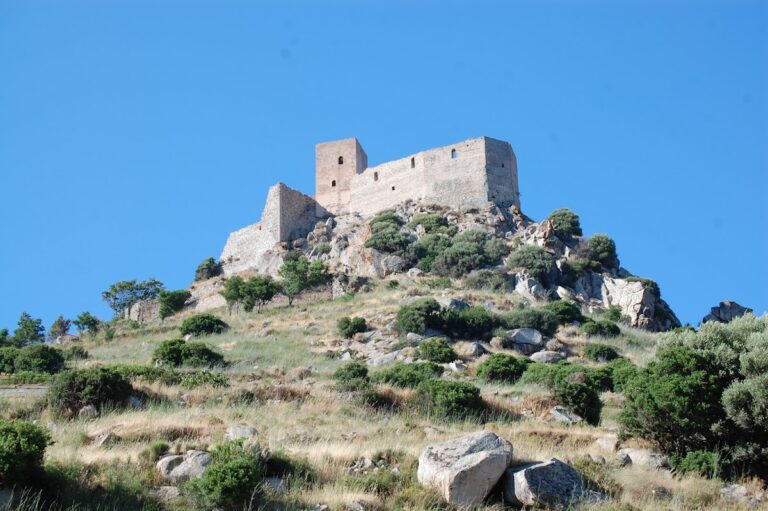
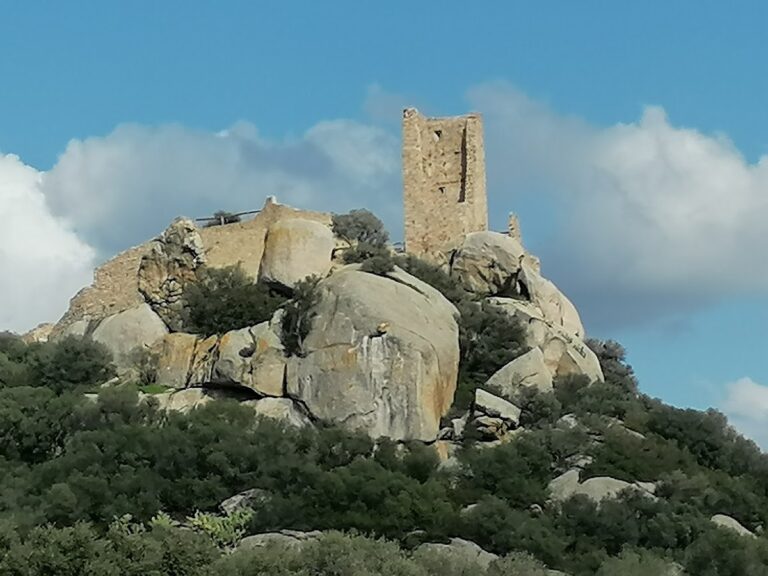
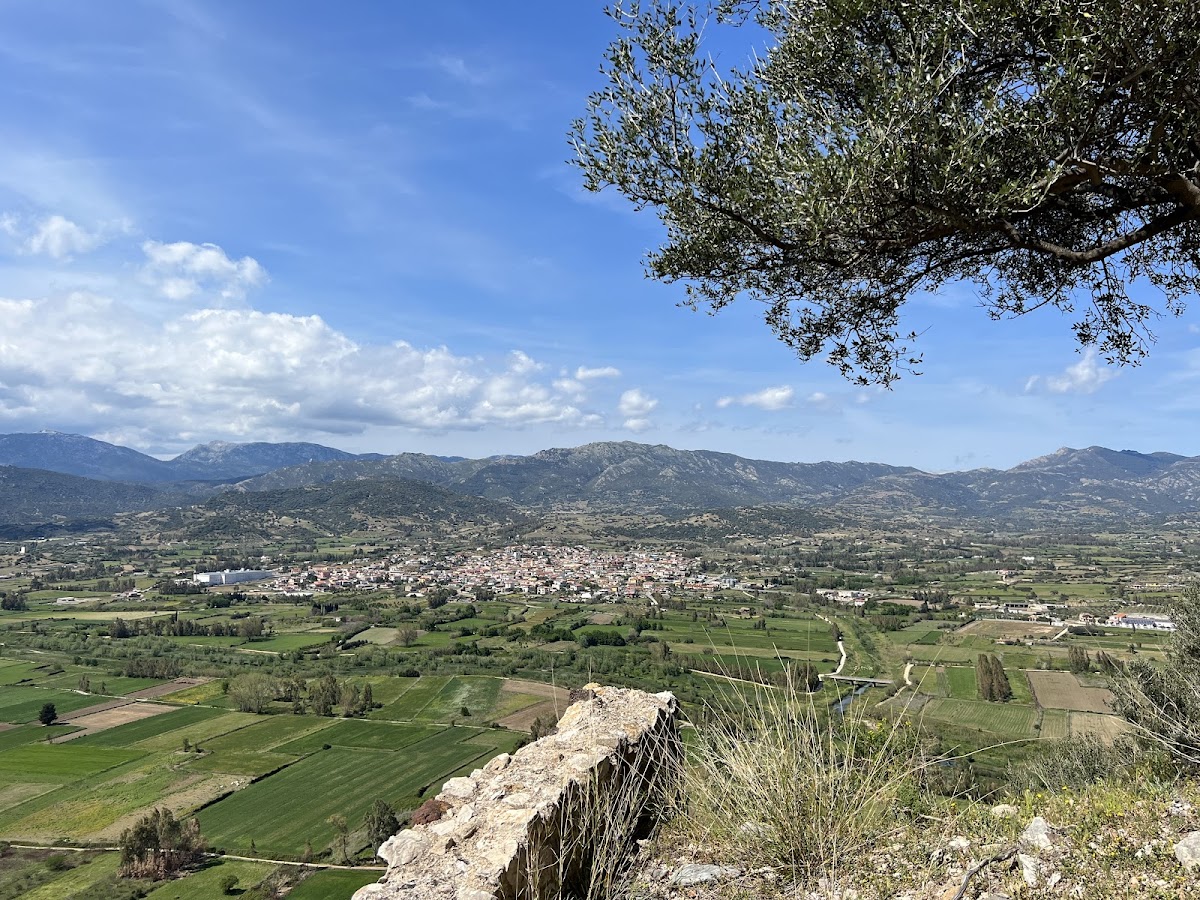
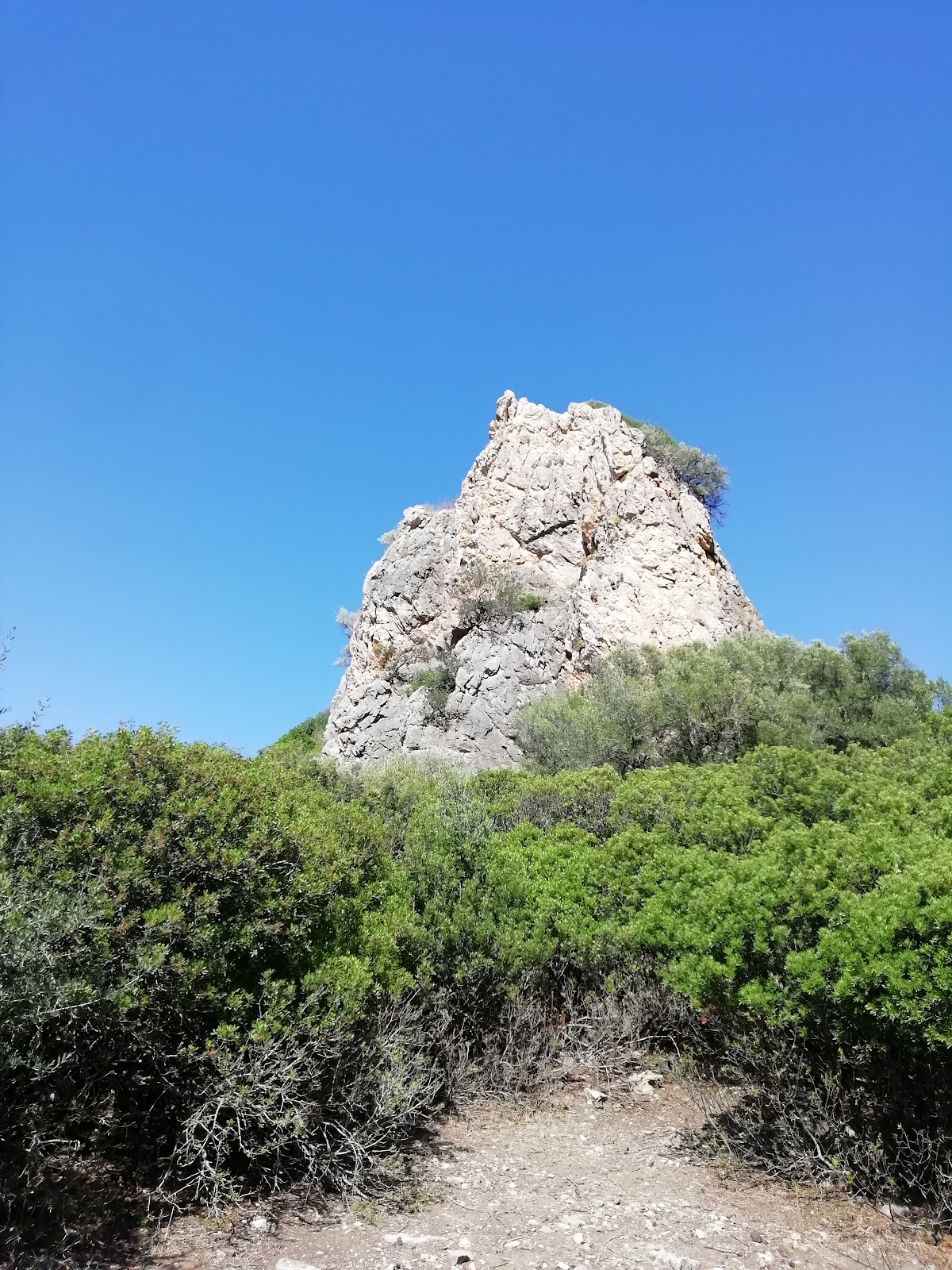
Castello di Pontes stands about 2 kilometres from the inhabited centre of Galtellì, on a modest rise overlooking the Cedrino valley. The fortress occupied the summit of a limestone promontory 175 metres high above the plain of the Cedrino River. Its elevated position formed part of the physical basis for its defensive and surveillance functions.
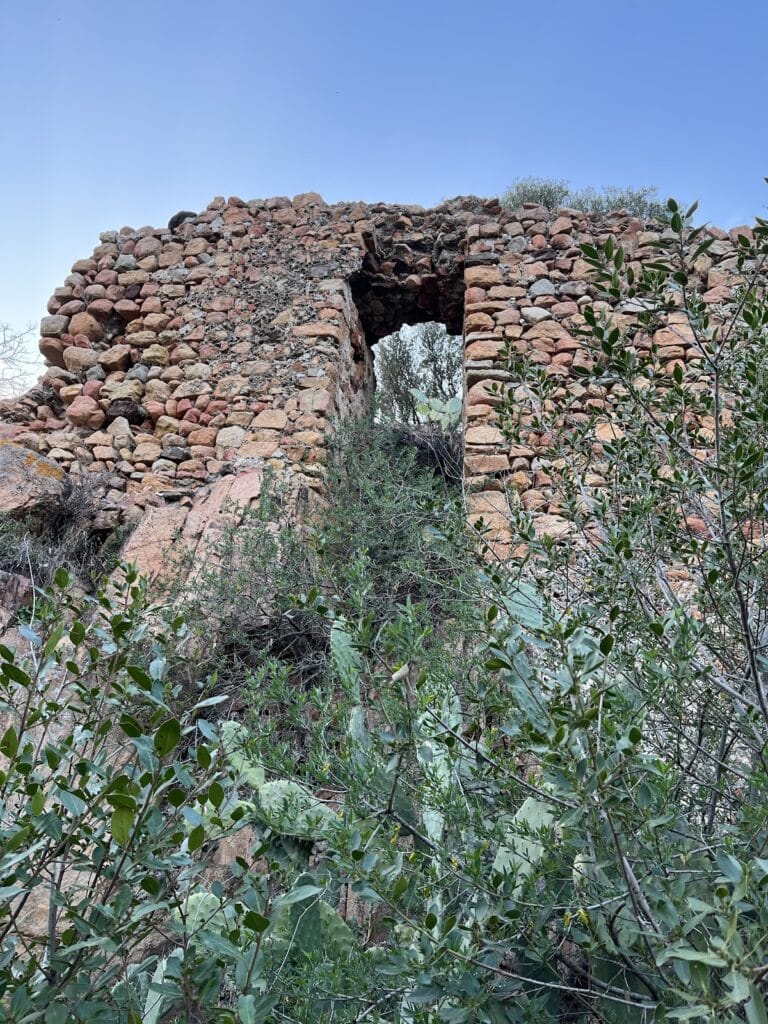
The castle is now in ruins and is heavily covered by dense vegetation, which conceals much of the surviving structure. The visible remains belong to a fortress repeatedly constructed and rebuilt in response to military demands, although the vegetation limits the extent to which its physical layout can be seen.