Ennemaborg: A Historic Manor in Midwolda, the Netherlands
Visitor Information
Google Rating: 4.5
Popularity: Low
Official Website: www.ennemaborg.com
Country: Netherlands
Civilization: Early Modern, Modern
Site type: Domestic
Remains: Palace
History
The Ennemaborg is located in Midwolda, the Netherlands, and was built by the local farming and gentry families in the region historically influenced by the city of Groningen. Unlike many manors in the northern provinces, the Ennemaborg never held noble privileges, reflecting the Oldambt area’s early governance by Groningen’s civic authorities.
The origins of the Ennemaborg trace back to a medieval stone house, or steenhuis, reputedly established in the 14th century, possibly by a figure named Sebo Ennens or Ennema. Documentary evidence, however, only clearly identifies the location as a manor from the late 17th or early 18th century. Initially, the site served as a large farmstead owned by families such as the Duircken and Clinge, with the first explicit reference to the estate as a borg emerging around 1681.
Around 1700, the original medieval structure was replaced by a new, symmetrical country house reflecting contemporary architectural ideals. Described in 1709 as a “newly built borg,” this residence marked significant renewal under the stewardship of the Hora family. Wilhelmus Hora, together with Anna Maria Clinge, expanded the estate by acquiring extensive surrounding lands, growing its size to several hundred hectares.
During the 18th century, Johan Hora Siccama and his descendants used the estate primarily as a summer home, while holding various political and administrative posts within Groningen and the broader region. Following Johan Hora Siccama’s death in the early 19th century, the estate changed hands in 1817, sold to two investors from Friesland. These new owners transformed the property into a peat extraction operation, converting the Ennemaborg into a veenborg, or peat borg. This industrial development led to extensive land reclamation, the construction of drainage canals, and the installation of polder mills between the 1830s and 1860s, promoting agricultural and settlement growth nearby.
The estate’s management during the 19th century saw notable figures such as Oeds Oedes de Leeuw oversee forestry and peat exploitation, transforming the woodland into a managed production forest heavily planted with oak trees. In the 20th century, as peat extraction declined, the borg’s function shifted once more. In 1951, the Dutch Heidemaatschappij established an educational center at the estate, reflecting a new phase focused on regional development and learning.
In 1965, the entire estate comprising the borg, outbuildings, and about 362 hectares of land was acquired by the Stichting Het Groninger Landschap foundation. The foundation undertook restoration of the buildings and converted the forest into a natural area now known as the Midwolderbos. Since the 1970s, the Ennemaborg has served as a place for offices, conferences, and cultural activities, including from 1992 when artist Maya Wildevuur opened her gallery and residence within the house. Across these centuries, the history of Ennemaborg reflects its evolution from a medieval fortress-like dwelling to a noble estate, an industrial center for peat, and finally into a venue for conservation and culture.
Remains
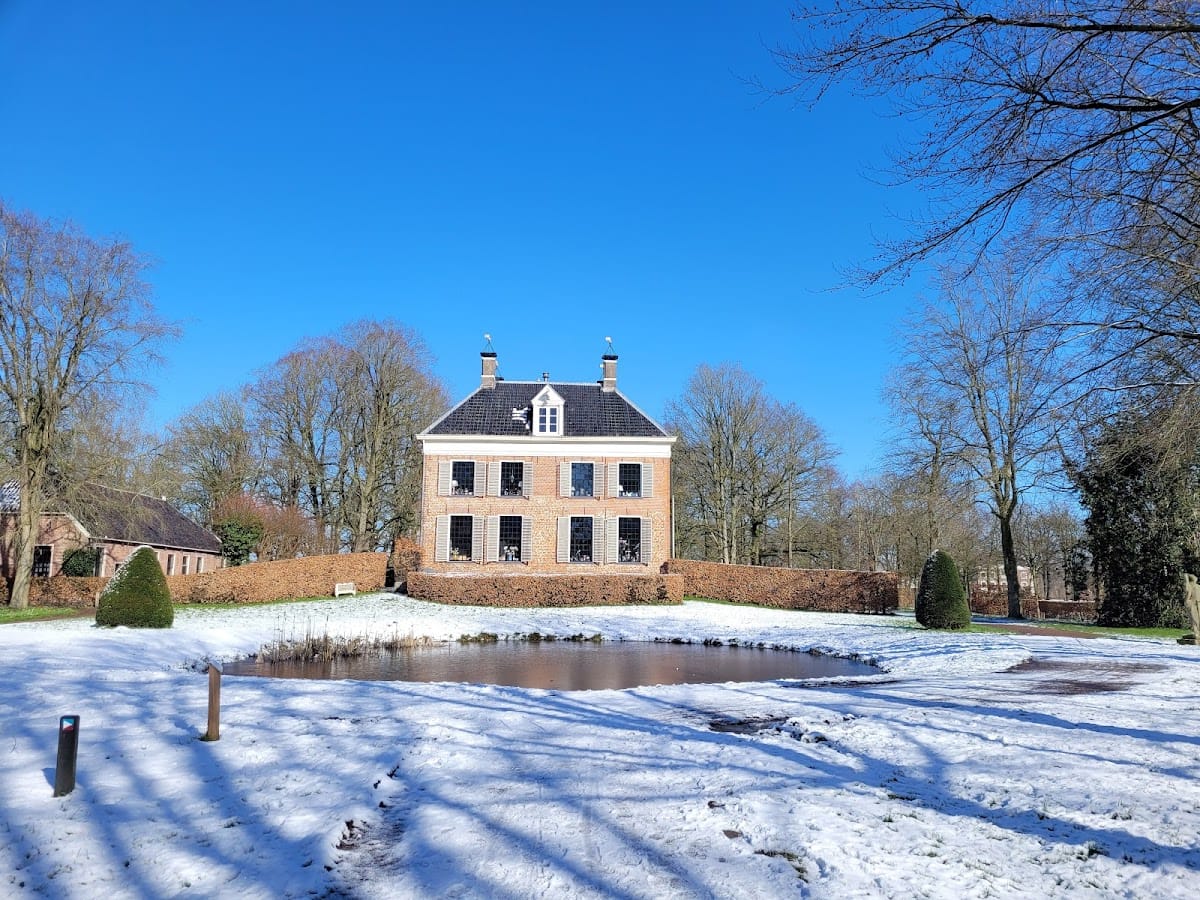
The current Ennemaborg building presents a square and symmetrical layout, illustrating design influences from around 1700 that emphasize balance and order. Archaeological research conducted in 2024 revealed that parts of the front rooms date back earlier, to about 1600, while some foundational elements beneath the building are even older, possibly medieval in origin. This layered construction history indicates continuity at the site through several centuries.
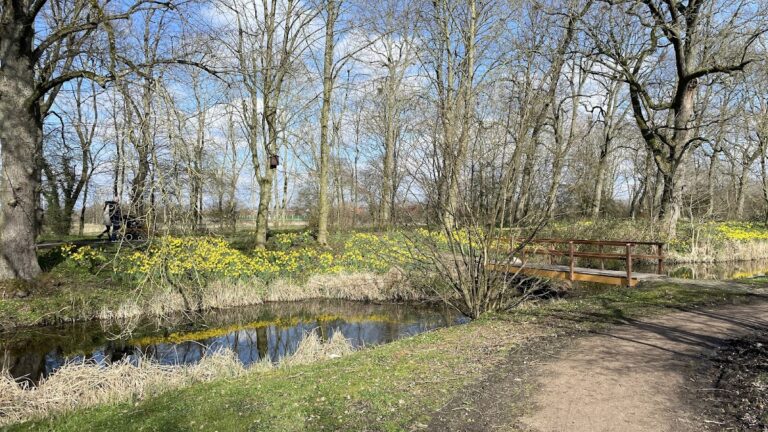
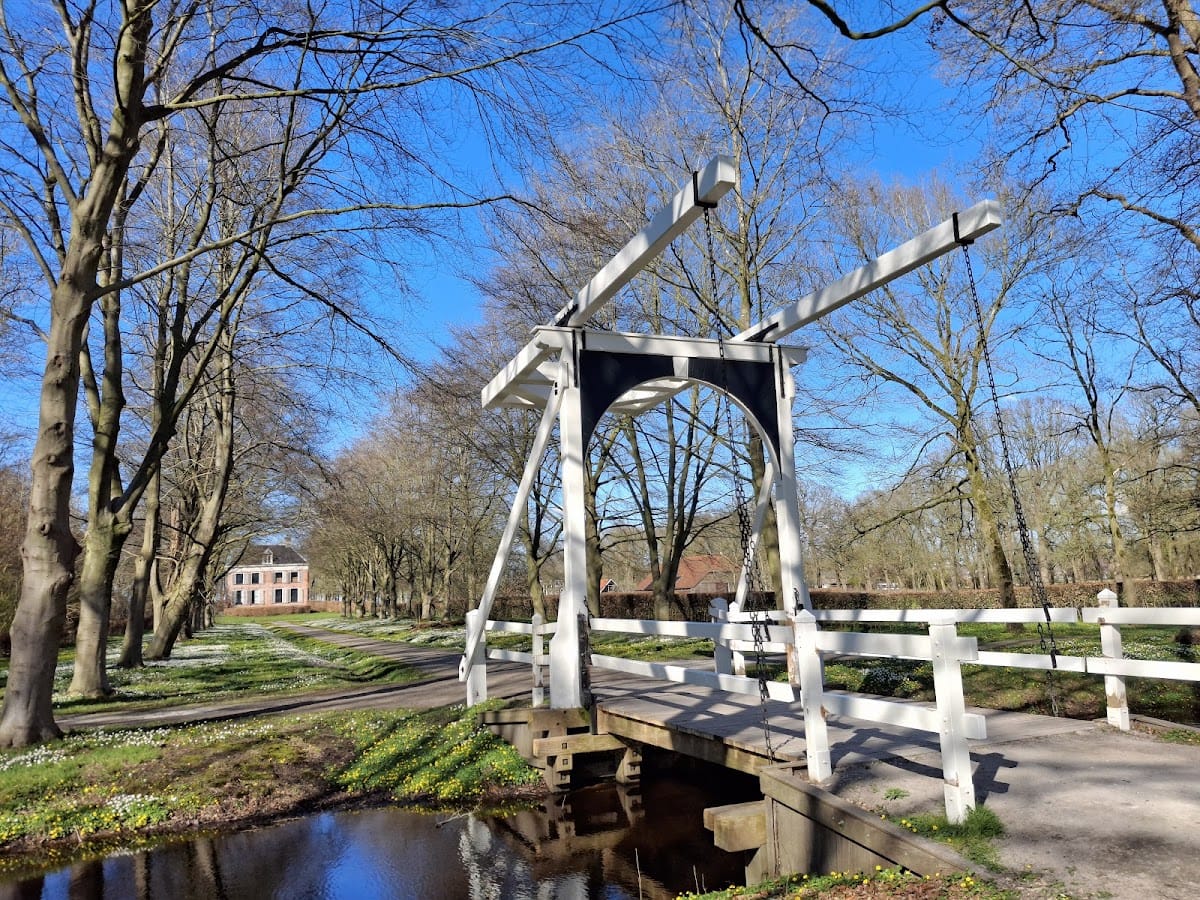
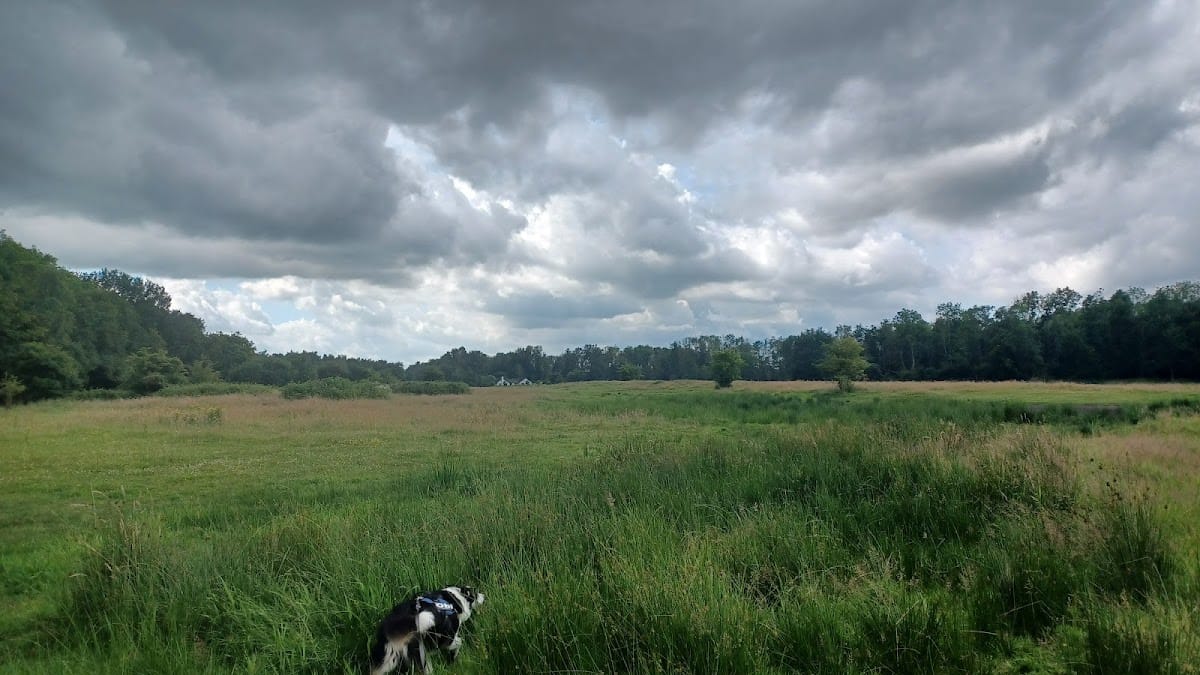
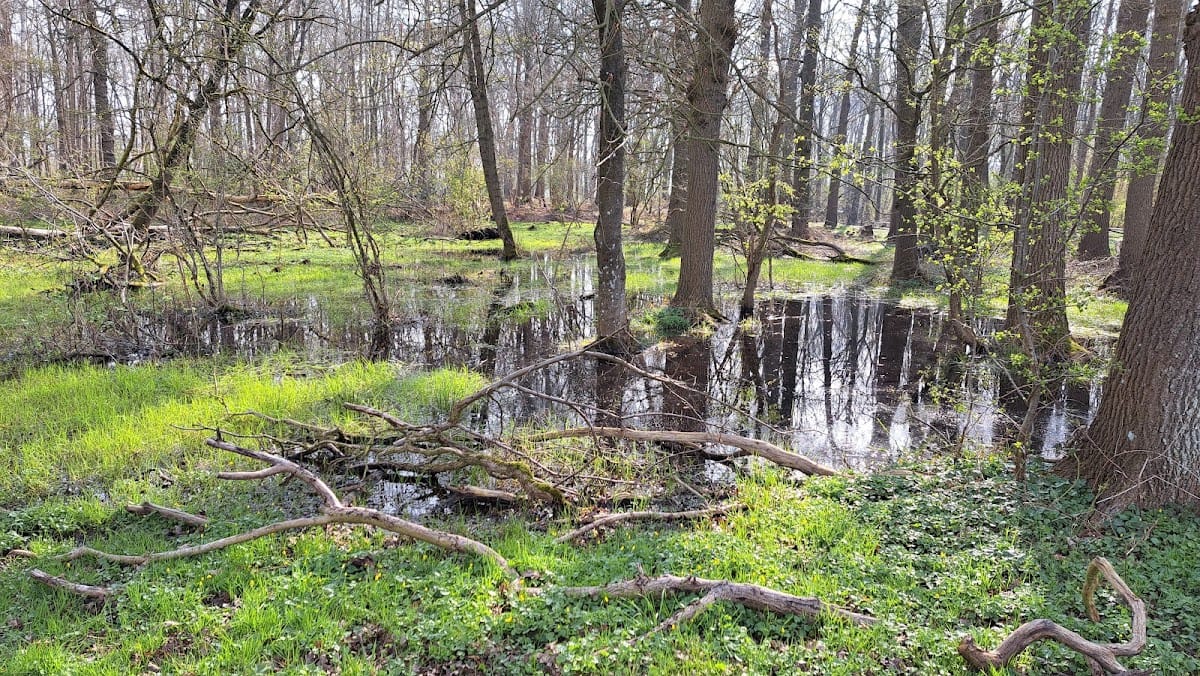
One historically known depiction from the late 17th century shows the borg with two distinctive six- or eight-sided corner towers topped with onion-shaped spires and a possible gatehouse adorned with small towers. However, physical investigations have not confirmed these features as part of the actual building. The estate grounds include a large forest, measuring roughly 2.5 kilometers long by 300 meters wide, located behind the borg and owned by the same conservation foundation. In front, a lawn hosts early spring-flowering bulbs known as stinsen plants, restoring traditional horticultural elements.
Adjacent to the borg stands a beech tree estimated to be about 200 years old, a living witness to the estate’s landscape history, which weathered the severe storm of 1976. In front of the coach house, espaliered lindens—a style of training trees flat against a structure—originally planted historically were replanted in the 1980s, helping to preserve the garden’s historic character.
Behind the main building lies a pond suggesting remnants of a former moat system that may have served defensive or ornamental purposes in earlier periods. Around 1800, the estate encompassed several functional outbuildings including a coach house, stables for ten horses, a cattle barn with grain storage, a carpenter’s workshop with wood storage, and a gardener’s shed equipped for tool storage and seed drying, reflecting the self-sufficient nature of manor estates at that time.
The grounds historically contained a kitchen garden and orchard, alongside a baroque ornamental garden arranged with flowering shrubs in symmetrical patterns centered on a long axis. Large greenhouses with high fences enabled cultivation of tuber crops and fruit trees, emphasizing the estate’s horticultural wealth. Peat extraction in the vicinity formed a large fish pond known as Kleine Dollard, spanning approximately five hectares.
In the 19th century, the baroque garden underwent transformation into an English landscape garden style featuring hills, meandering paths, and ponds, adopting a more naturalistic approach. Late 20th-century restoration efforts reversed this change, restoring the baroque garden’s original geometric style and clearing shrubs near the entrance to create an open lawn planted with stinsen plants again. An historic drawbridge formerly on the site was reconstructed by the foundation, enhancing the estate’s historic ambiance.
Modern additions to the site include a work shed converted into a visitor center in 2004, and a concrete viaduct built in the 1980s to facilitate passage for riders and grazing konik horses. This viaduct was later adapted in 2009 to serve as a bat cave, providing habitat for local wildlife. The coach house now operates as a restaurant, while inside the borg, artist Maya Wildevuur has established both living and gallery spaces. The ground floor and cellar are open to the public, decorated with her paintings, blending historic architecture with contemporary art.
Nearby sites