Château Lapalus: A Historic Château in Sancé, France

Visitor Information
Google Rating: 4.2
Popularity: Very Low
Official Website: www.sance.fr
Country: France
Civilization: Modern
Site type: Military
Remains: Castle
History
Château de Sancé dit Château Lapalus is situated in the municipality of Sancé in modern-day France. The site’s name, Lapalus, originates from the Latin word *paludis*, meaning marsh, which reflects the area’s historical landscape characterized by numerous ponds and water features. This name hints at the natural environment familiar to those who established or occupied the site.
The château’s origins predate the 19th century, but it is especially during the 1800s that the building witnessed significant alterations. Over time, successive owners modified and expanded the structure to suit their needs and tastes, resulting in a complex architectural history. These changes reveal the château as a living residence adjusting through different periods rather than a static monument.
In early 2011, the local municipality acquired the château along with its surrounding park, marking a new chapter focused on preservation and restoration. Since the purchase, stewardship has been entrusted to an extra-municipal commission, “Les Amis du Château Lapalus,” dedicated to maintaining and gradually restoring the site. While generally closed to the public, the château features in local cultural life through its annual inclusion in the mid-August “fête du feu,” a festival centered on a communal bonfire. More recently, starting in 2021, the château has served as a backdrop for artistic projects such as short films and music videos, indicating a contemporary role intertwined with heritage conservation.
Throughout its history, Château Lapalus has not been linked to documented political or military events nor known rulers, but its evolving form and continuing care illustrate its place within the local historical fabric and landscape.
Remains
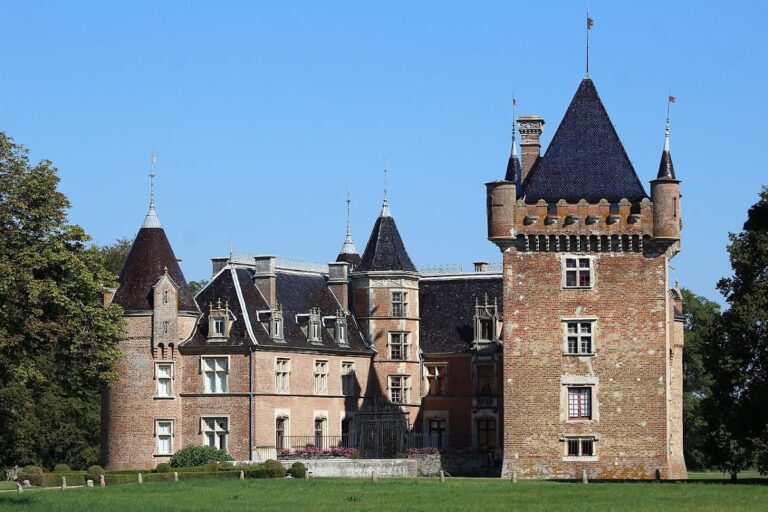
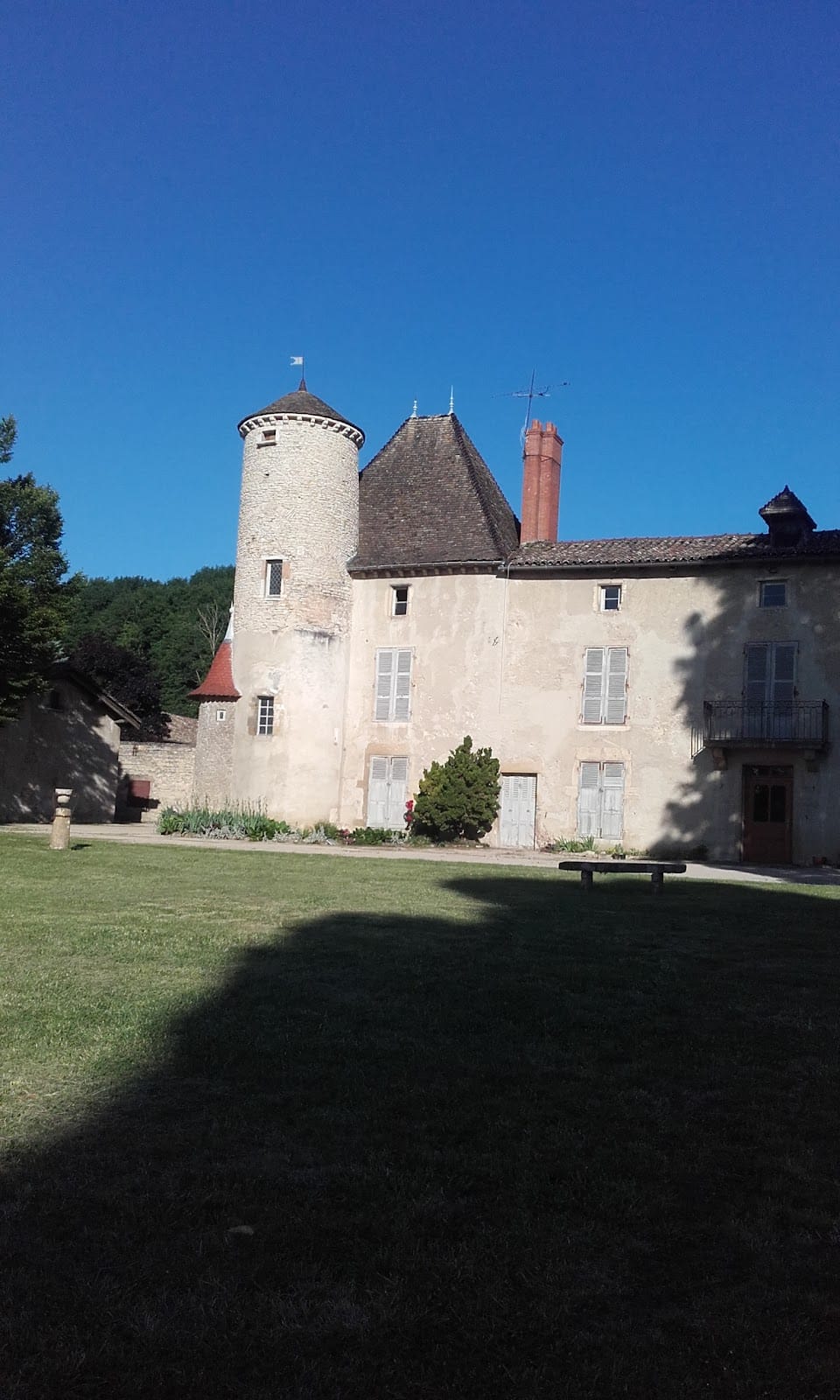
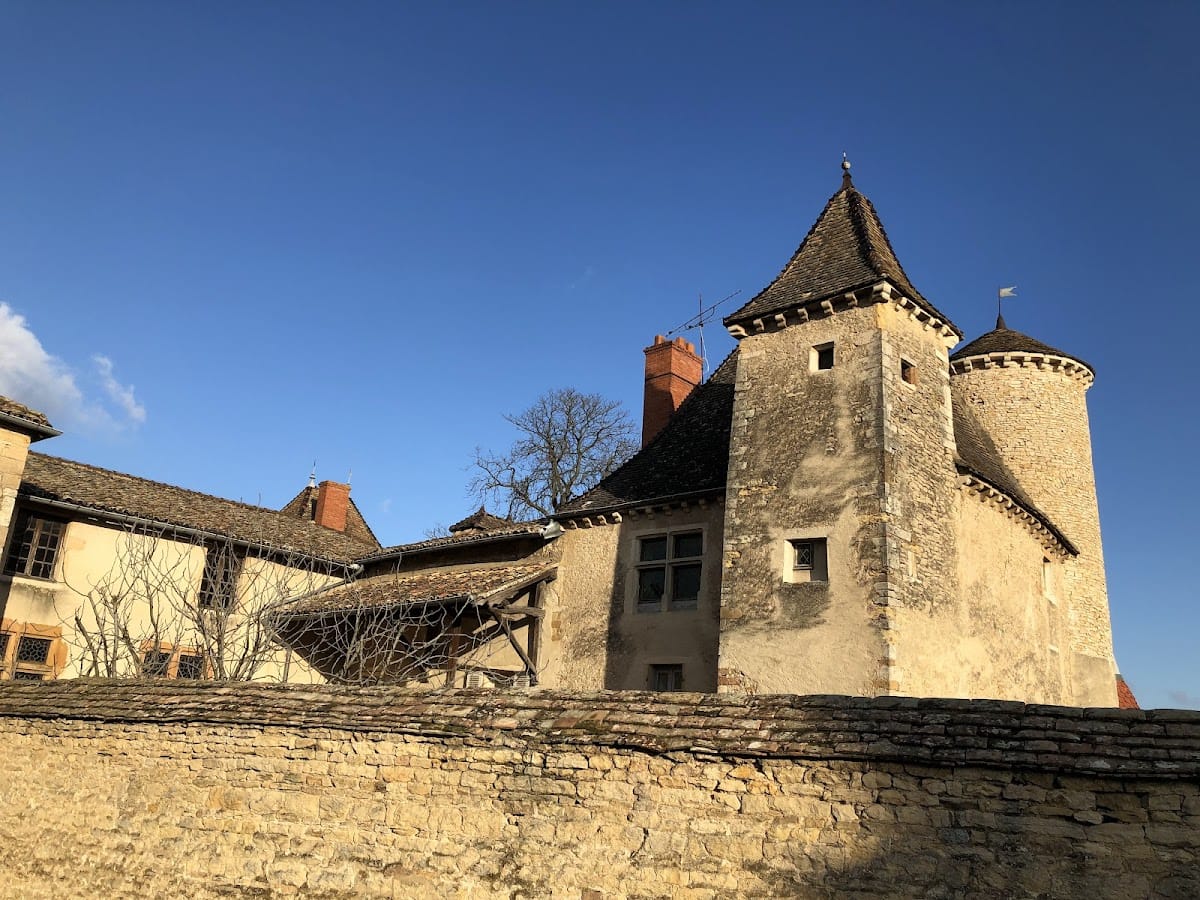
The château occupies a clearly defined parcel covering just over six thousand square meters on rue de la Fontaine in Sancé. Its layout and construction reveal a multi-phase development, visible most strikingly in the presence of four towers, each displaying a unique architectural style. This variety signals different building campaigns and renovations rather than a uniform design.
The site’s complex once included functional elements integral to the estate’s daily operations. Among these were two bread ovens used for baking, signaling domestic and possibly communal activity. Water supply was secured by two wells, one of which remains intact today, emphasizing the importance of self-sufficiency in the château’s design. A guardroom equipped with a large monumental fireplace suggests a space dedicated to security or service personnel, reflecting the building’s social and functional divisions. Additionally, a barn formed part of the agricultural or storage facilities supporting the château’s estates.
Photographs from restoration efforts in 2011 and 2013 document the south courtyard and a southern tower that has undergone careful restoration. Decorative details such as an angel sculpture on the façade and ornamental window frames point to the château’s rich decorative heritage developed during various renovation phases. These ornamental features contribute to the château’s visual complexity and testify to the evolving artistic tastes of its past occupants.
Today, ongoing preservation work maintains and improves the site’s condition, ensuring its physical fabric remains stable and accessible for future study and appreciation.
Nearby sites