Château de Jallerange: An 18th-Century French Estate in Jallerange
Visitor Information
Google Rating: 4.8
Popularity: Very Low
Country: France
Civilization: Early Modern, Modern
Site type: Domestic
Remains: Palace
History
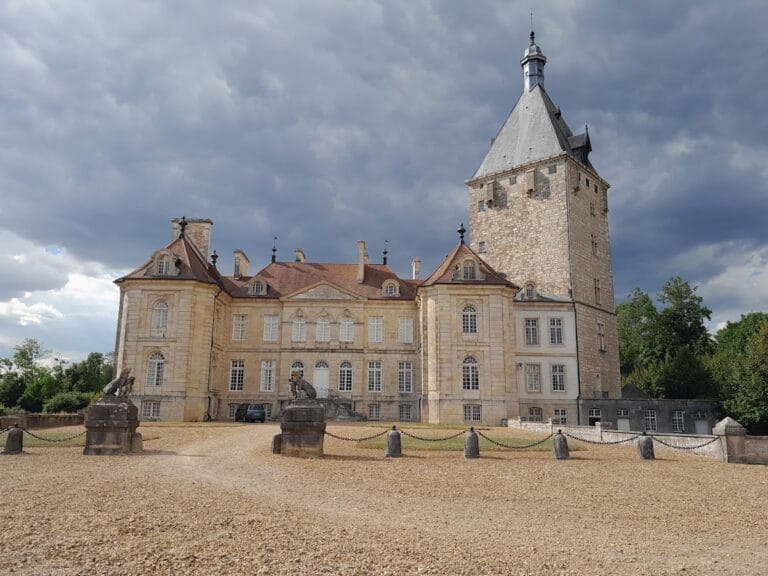
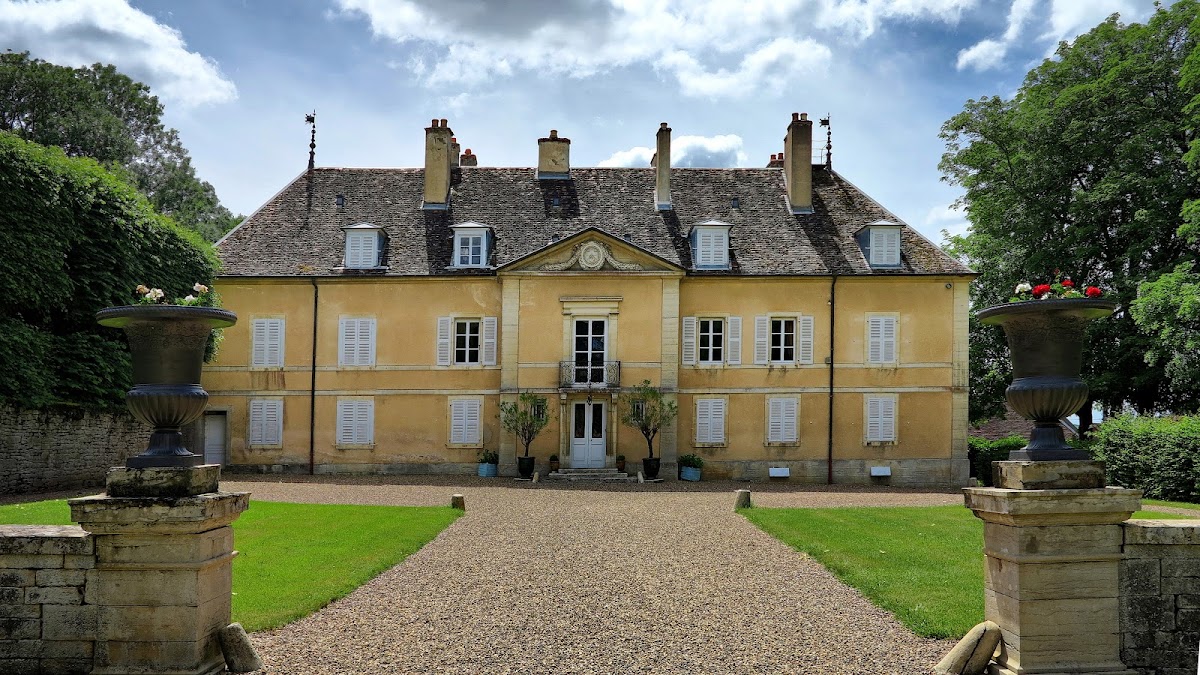
The Château de Jallerange is situated in the commune of Jallerange in France. This estate was established during the 18th century under the direction of Claude Nicolas Marcellin Seguin de Jallerange, a legal professional who served as an avocat and later as a conseiller between 1742 and 1751. The construction of the château marked a significant development in the area’s architectural and social landscape.
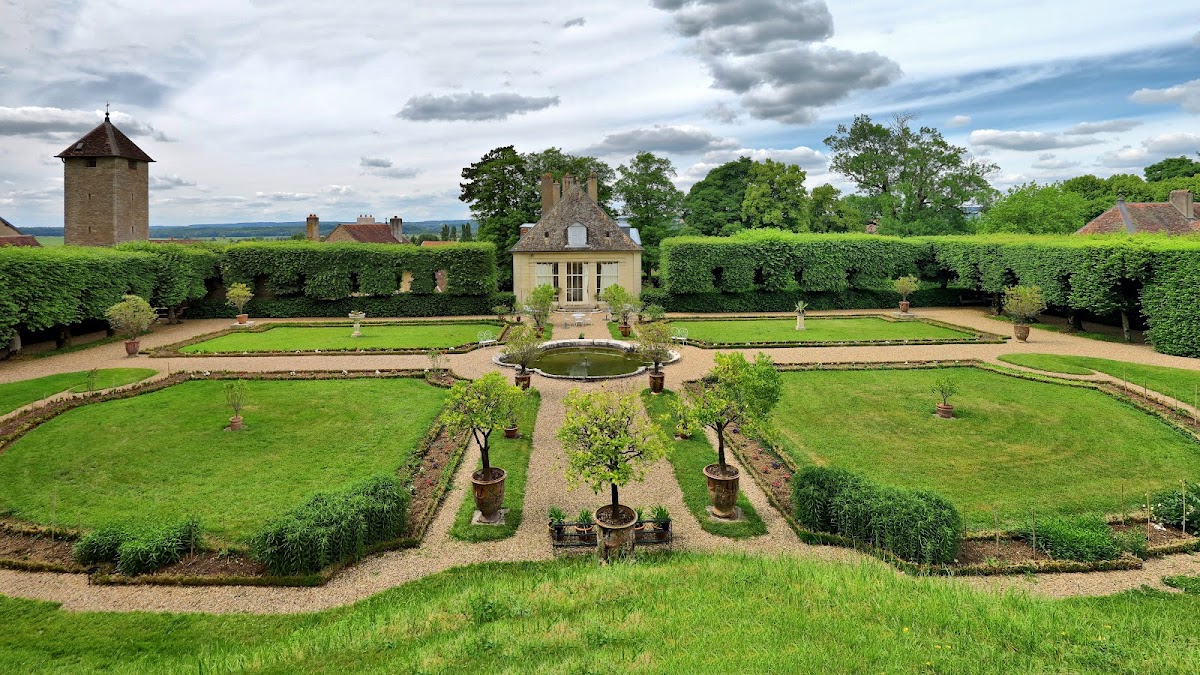
In 1771, Seguin de Jallerange undertook the creation of a formal French garden, reflecting the style and aesthetic ideals of the period. This garden was designed with structured elements consistent with 18th-century landscaping. Later in the 19th century, specifically in 1846, the estate was enhanced with the addition of an English-style garden, showcasing evolving tastes in landscape design.
Throughout the 20th century, recognition of the château’s historic and cultural value increased. The gardens received protected status in 1943, highlighting their importance within the region. Subsequent official inscriptions in 1973 and 1989 further acknowledged various parts of the estate, including the façades, roofs, gardens, and exterior furnishings. These recognitions culminated in 2015 with a comprehensive classification that covered the entire property, including its outbuildings and parklands. The estate also reflects its historical connection to winemaking, as demonstrated by the preservation of 18th-century wine presses on the property.
Remains
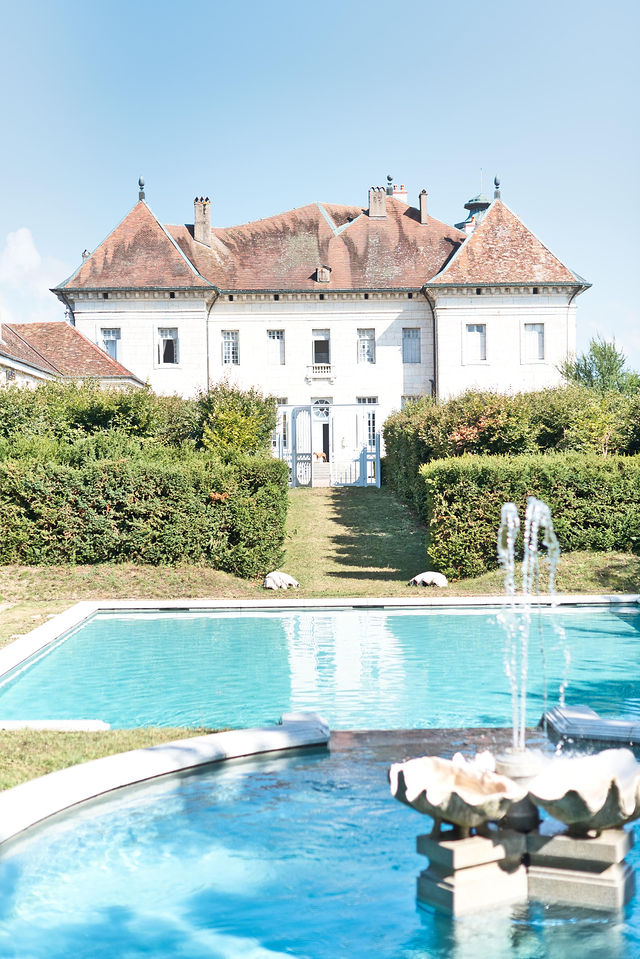
The Château de Jallerange exhibits a distinct 18th-century architectural style, surrounded by two carefully maintained gardens representing different landscaping traditions. The original French formal garden, created in 1771, remains largely intact in its initial design. This garden is characterized by a range of features including embankments and glacis—sloping earthworks designed for aesthetic effect. Additionally, water features such as a basin complement sculpted elements like an amphitheater and vertugadins, which are raised garden mounds shaping the spatial organization. The garden’s layout also incorporates arbors crafted from hornbeam trees, cool rooms that offer shaded spaces likely intended for relaxation during warmer months, green cabinets which serve as small enclosed garden rooms, and statues that add artistic detail throughout the grounds.
In contrast, the English garden, introduced in 1846, represents 19th-century landscaping trends emphasizing naturalistic design. Among its notable features is a glacière, or icehouse, historically used to store ice collected during winter months before refrigeration. This structure reflects adaptations in estate management and comfort during that period.
The château’s buildings, including façades and roofs, have been carefully preserved to maintain their historic character. The gardens’ exterior furnishings and structural details have similarly been conserved, sustaining the estate’s period authenticity. Of particular archaeological interest are the wine presses dating back to the 18th century, which attest to the property’s engagement in vineyard cultivation and wine production. These presses provide tangible evidence of the château’s role in agricultural practices of its time.
Together, these elements compose a well-documented and protected heritage site that combines architecture, horticulture, and agricultural history, offering insights into the lifestyle and environment of an 18th-century French noble estate.
Nearby sites