Cueva de la Pileta: A Prehistoric Cave in Spain
Site at a Glance
- Popularity
- High
- Country
- Spain
- Primary era
- Stone Age
- Eras represented
- Stone Age, Bronze Age, Modern
- Civilizations
- Spanish
- Site type
- Civic
- Remains
- Rock Art
On this page18 sections
History
Cueva de la Pileta is a prehistoric limestone cave in Spain whose human use extended from the Late Upper Paleolithic into the Bronze Age. Its paintings and engravings help show how Paleolithic art spread beyond its better-known areas in northern Spain and southwestern France.
Four Upper Paleolithic phases, from the later part of the Old Stone Age, are represented: Middle Solutrean, Gravettian, Middle Magdalenian, and Upper Magdalenian. Later activity included the Neolithic, when farming and settled communities spread. Charcoal dated to about 2400 to 2100 BC may mark a late phase of occupation. The cave may also have served as a gathering place for hunter-gatherer groups moving along the Guadiaro river corridor and through nearby natural passes. Similar artistic styles and motifs occur in caves and rock shelters in the Serranía de Ronda, Sierra de Grazalema, and Campo de Gibraltar.
Discovery and early study
José Bullón Lobato found the cave in 1905 while looking for bat guano to fertilize farmland near Rancho del Harillo. He discovered wall paintings and first called the site the Cave of the Signs. From 1912, it took its present name from the hill at its entrance.
Willoughby Verner learned of the discovery in 1907 and visited in 1909, 1910, and 1911. His published account of the visits drew Henri Breuil’s attention to the cave. In 1912, Breuil, Verner, Hugo Obermaier, Paul Wernert, and Juan Cabré examined it and identified nearly fifty drawings and symbols. Their work led to a monograph published in 1915 with the patronage of Prince Albert I of Monaco. Breuil spent two months at the cave.
Protection and later exploration
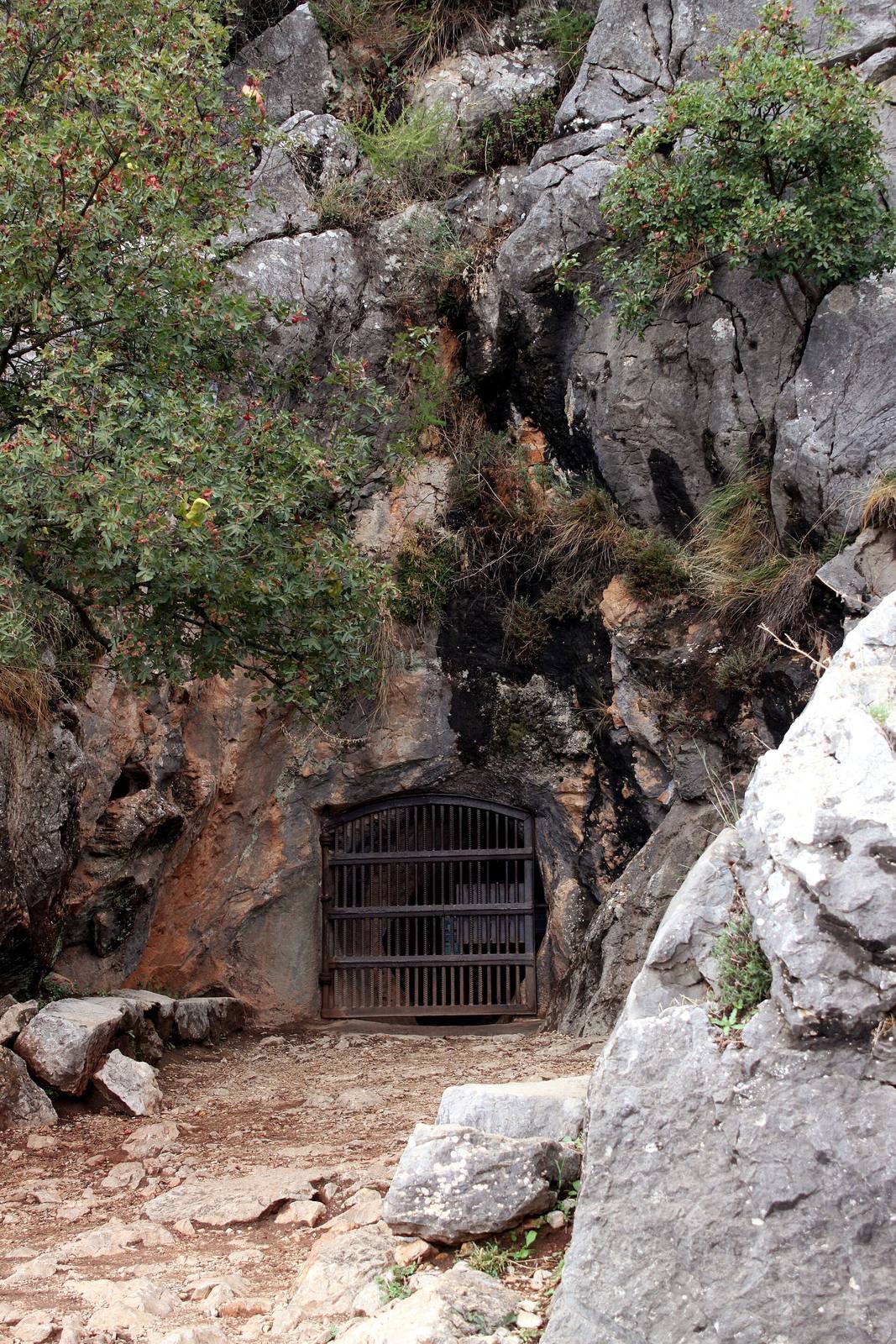
In 1924, the cave was declared an Architectural-Artistic Monument and designated an Asset of Cultural Interest, a Spanish heritage category. That year, José Bullón’s son Tomás used his knowledge of the passages to locate the entrance associated with prehistoric occupation. A protective gate was installed there in 1926. Tomás discovered further galleries in 1933.
Part of the cave was adapted for visits in 1934, and steps were cut in places during the 1940s. An archaeological excavation followed near the entrance in 1942. A team re-examined the cave, including newly found galleries, in 1978. In 1992, Tomás’s sons and members of the Ronda Alpine Speleological Group explored a further 250 metres of passages.
Remains
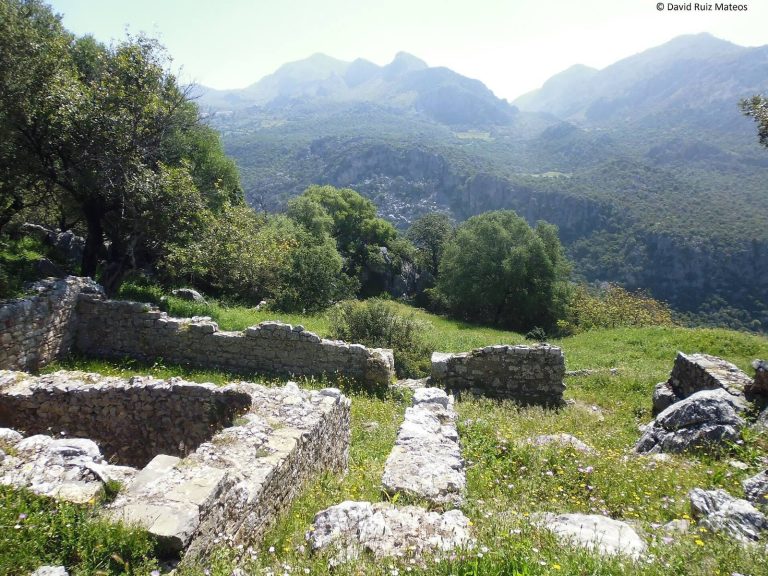
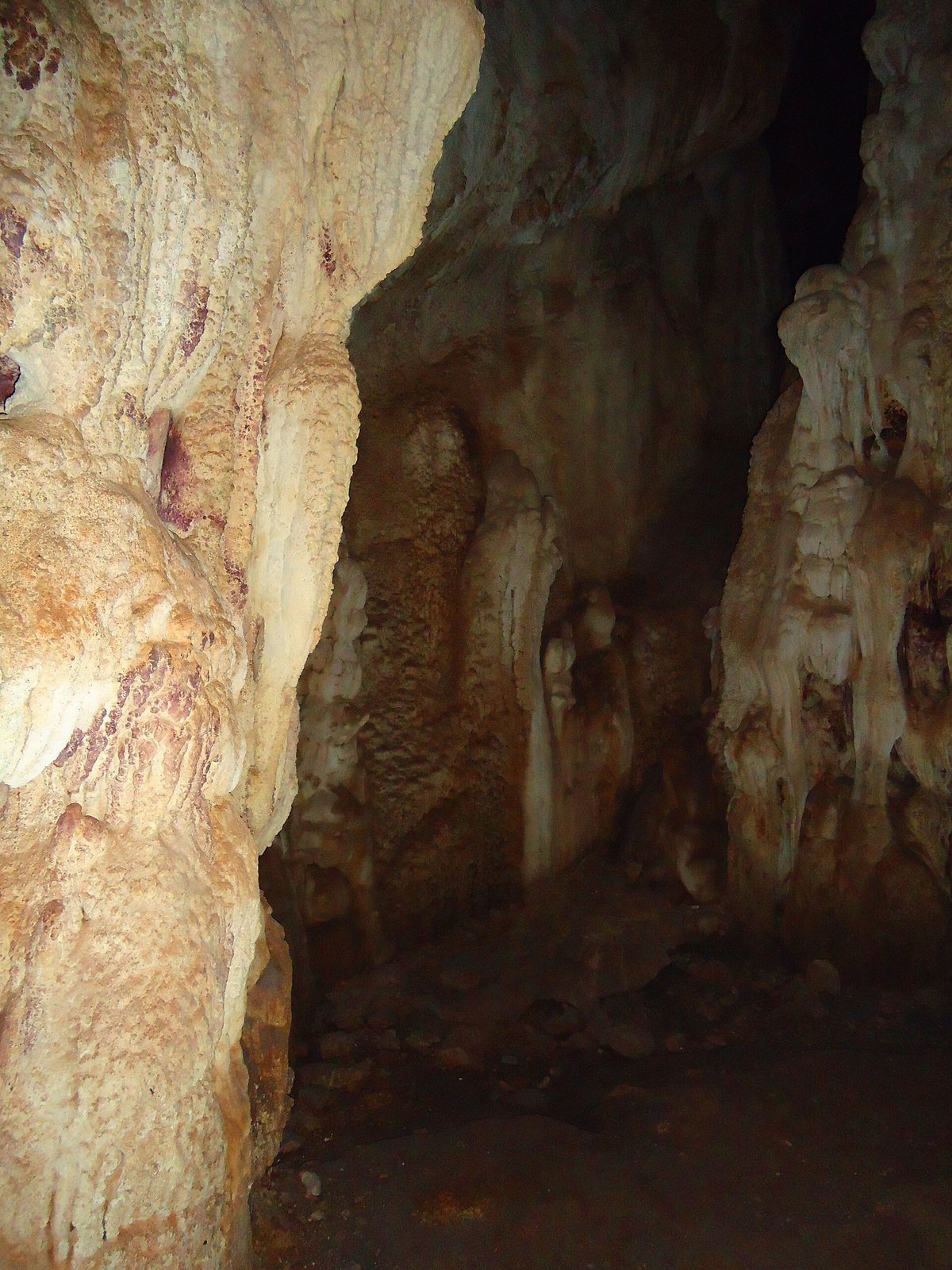
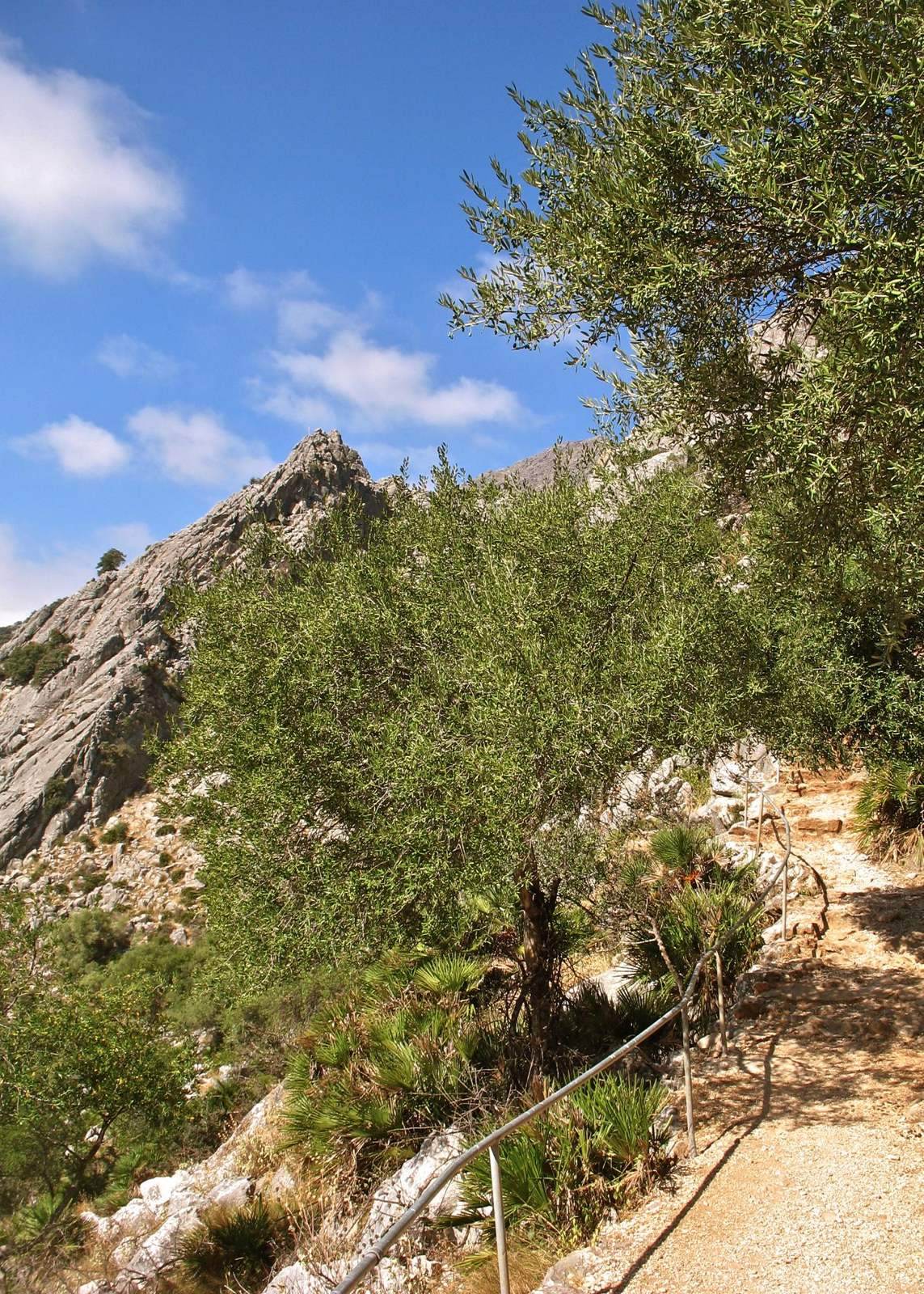
Cueva de la Pileta is a natural network of water-eroded passages in limestone on the eastern slope of the Sierra de Líbar. The galleries extend through the rock at different levels, with a long passage, a narrow section leading to a deep chasm, and formations created by mineral-bearing water.
Geology and gallery system
Limestone formation
The limestone originated as sediments on the floor of the ancient Tethys Sea from the Jurassic onward. Mountain building later lifted the rock, in a process associated with the collision of the Alborán microplate and the Iberian Plate during the Early Miocene. Water began forming and enlarging the cave from the Pliocene by eroding the limestone.
Passages and entrances
The cave was initially flooded when its passages lay below the river level. As the Guadiaro cut its valley during the Pleistocene, some galleries dried while others developed lower down. A later, possible flooding episode further wore the walls and columns, leaving wave-like marks. After underground waters receded, the galleries became exposed. A break associated with a fault opened the main entrance and formed the Harilla polje, a large closed depression at the foot of the slope. The prehistoric entrance is used for visits. In the explored galleries, a narrow passage reaches a 12-metre-deep chasm, and the longest gallery extends for 350 metres.
Archaeological remains
Entrance excavation
The area near the entrance known as the Cattle Shelters was excavated across 30 square metres, to a depth of 8 metres. Finds included animal bones and stone, ceramic, and metal tools from periods between the Paleolithic and Bronze Age. The chipped-stone tools are the oldest objects found in the cave. Hearth traces and objects for domestic use, including cooking pottery, suggest that the entrance area may at different times have served as a dwelling or shelter.
Lateral gallery
A side gallery contained four human skeletons, preserved poorly because water flowed through the passage. The individuals were young, and at least two were women. Two handprints made with clay from the cave were also found there. Difficult access, complete darkness, and a nearby chasm have led to the suggestion that the people fell and became trapped. Human sacrifice has also been proposed, but neither explanation is established.
Paintings, engravings, and objects
Images across the cave
Paintings and engravings include deer, horses, goats and other goat-like animals, cattle, bison, fish, a seal, a turtle, handprints, geometric marks, abstract signs, and lines. The images range from naturalistic to schematic. Paleolithic animal figures include red and ochre colors; geometric Neolithic paintings are generally black. Some black schematic figures are attributed to the Eneolithic, a later prehistoric period associated with copper use. Goat-like animal images occur from the Middle Solutrean through the Upper Magdalenian. The oldest dated painting is about 20,000 years old. Wavy marks in the Lake Room date to about 8,800 years ago, and a fish image in the Fish Room dates to about 2000 BC. A 1978 examination identified 134 paintings.
The Sanctuary and Fish Room
A narrow panel in the area commonly called the Sanctuary carries the Solutrean image known as the Pregnant Mare, alongside many other figures, including serpent-shaped signs. In the Fish Room, a fish image contains a second figure usually interpreted as a seal, although it may depict a female figure. Lines associated with human and animal forms have been interpreted as calendars or number notation. Other signs have been proposed as representations of constellations or lunar cycles, but those readings remain uncertain. Handprints are uncommon at La Pileta compared with nearby Ardales Cave.
Pigments and possible lamp
The artists used red clay, yellow ochre, and charcoal for pigments. Images occupy wall areas without lime-rich deposits; around some figures, deposits were chipped away to leave smoother surfaces. A Gravettian oyster shell, Ostrea edulis, bears marks of human use and residues of yellow, red, and charcoal pigments. It may have served as an oil lamp, a pigment container, or both.
Carved stone figure
A decorated carved stone from a Final Neolithic layer measures 6.5 centimetres high and 4 centimetres wide. Its human-like shape inspired the name Venus of Benaoján. If it represents a woman, it would be among the rare prehistoric Venus figurines found in the Iberian Peninsula. Excavated objects from the cave are held at the site, the Museum of Málaga, the National Archaeological Museum in Madrid, and the British Museum.
Natural formations and cave life
Resonant stalactites
Water filtering through cracks in the cave’s ceilings and walls deposited minerals and formed stalagmites on the floors. Hollow stalactites, which hang from cave ceilings, occur in several areas, including the Fish Room, Lake Room, and the area called the Organs. When struck, they produce resonant sounds at different frequencies. Whether prehistoric people used them to make music is uncertain.
Bats and invertebrates
Seven bat species roost in the cave, and more than 30 species of cave-dwelling invertebrates live there. Many depend on microbial films on the cave surfaces. Two species are known only from Cueva de la Pileta: the pseudoscorpion Occidenchthonius bullonorum and the crustacean Baeticoniscus bullonorum. Both were named in honor of José Bullón and his family.