Castillo de Sarracín: A Medieval Fortress in Vega de Valcarce, Spain
Visitor Information
Google Rating: 4.1
Popularity: Low
Official Website: caminodesantiagofrances.com
Country: Spain
Civilization: Medieval European
Site type: Military
Remains: Castle
History
The Castillo de Sarracín is situated in the municipality of Vega de Valcarce in Spain and was built by Christian forces during the early medieval period. Its origins are linked to the region’s strategic importance during the shifting control between Muslim and Christian powers.
The site’s earliest recorded history dates back to the early 8th century, when the original fortification was reportedly destroyed in 714 by Muza, the governor of the Umayyad Caliphate. Following the Christian reconquest of the area, efforts to rebuild the castle likely began in the late 9th century. One hypothesis suggests that its construction occurred between 852 and 885 under the orders of Count Gatón, son of King Ordoño I. Count Gatón is believed to have named the fortress after his own son, Sarracino Gatónez, who held the titles of Lord of Sarracín and Count of Bierzo and Astorga. This connection places the castle firmly within the lineage of early Leonese nobility.
Before medieval construction, the hill on which the castle stands may have hosted an Iron Age settlement. This possibility is supported by the discovery of a socketed axe, a type of early tool with rings for attaching a handle, found nearby. The castle’s position on the slope of Monte de la Vilela also ties it to the famous pilgrimage routes; the mountain is mentioned in the Codex Calixtinus, a 12th-century guidebook associated with the Camino de Santiago. Throughout its history, the Castillo de Sarracín resisted multiple sieges and became entwined with local legend, including the tale known as the “legend of the five stakes,” which reflects the fortress’s enduring presence in regional folklore.
In the 20th and 21st centuries, the castle gained official recognition for its cultural value, being declared a Bien de Interés Cultural in 1949. More recently, in 2014 and 2015, urgent restoration work was conducted to prevent collapse and uncover archaeological remains such as arrow slits and military equipment. The site is also recorded as part of the extended Camino de Santiago World Heritage area, highlighting its historical and cultural significance within the broader context of medieval pilgrimage and defense.
Remains
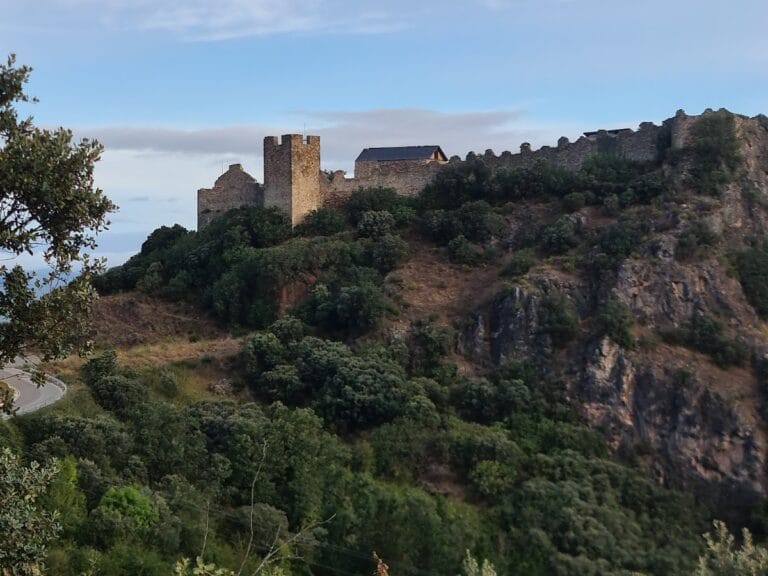
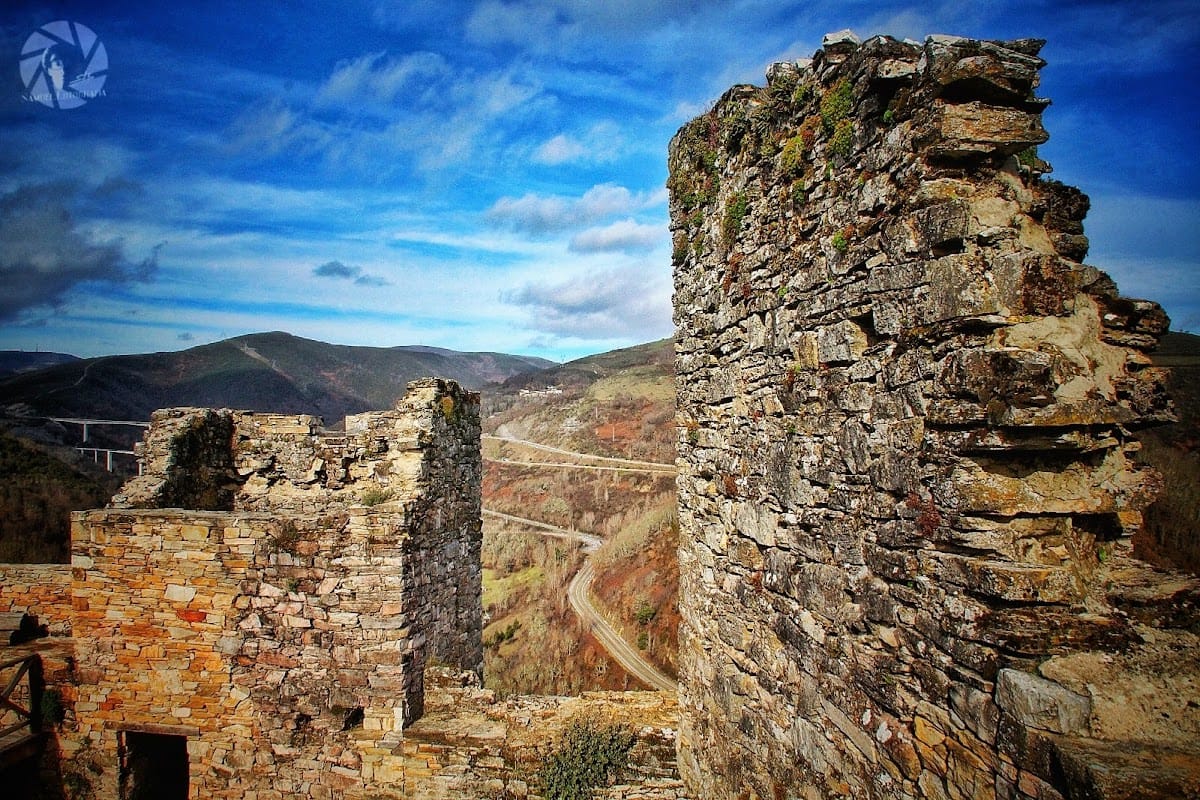
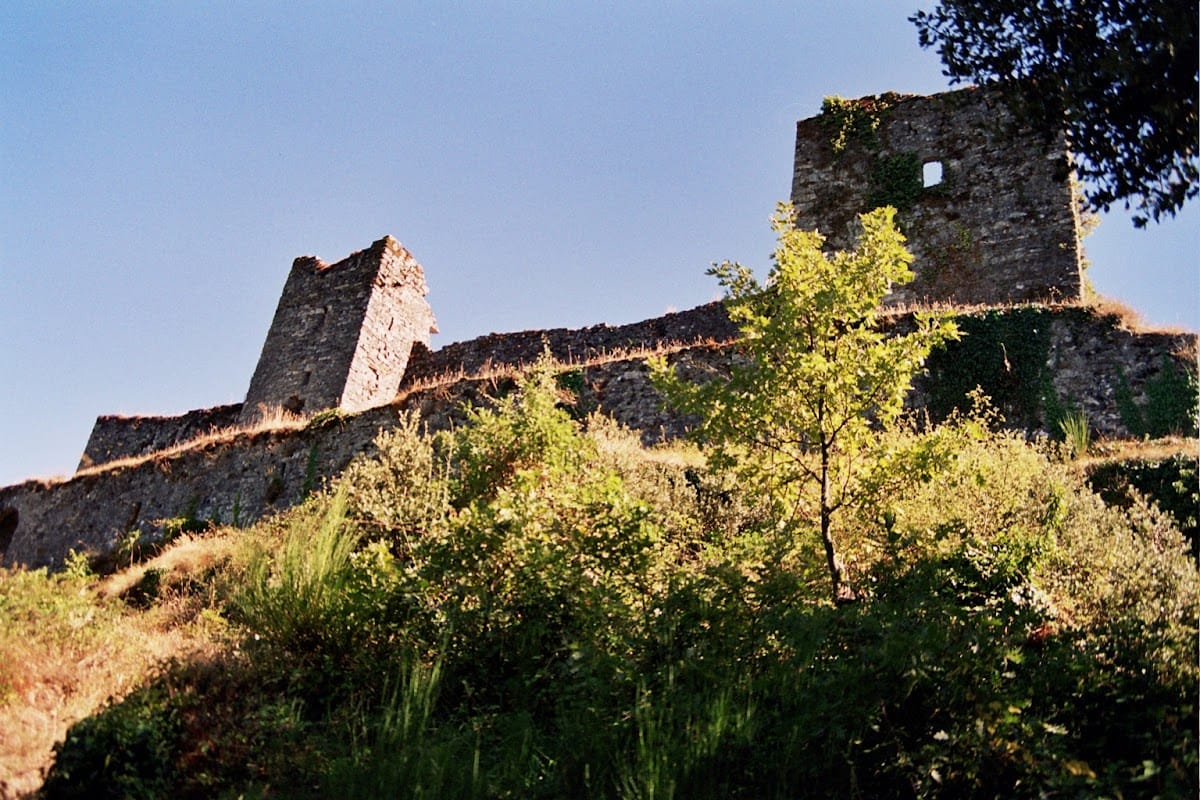
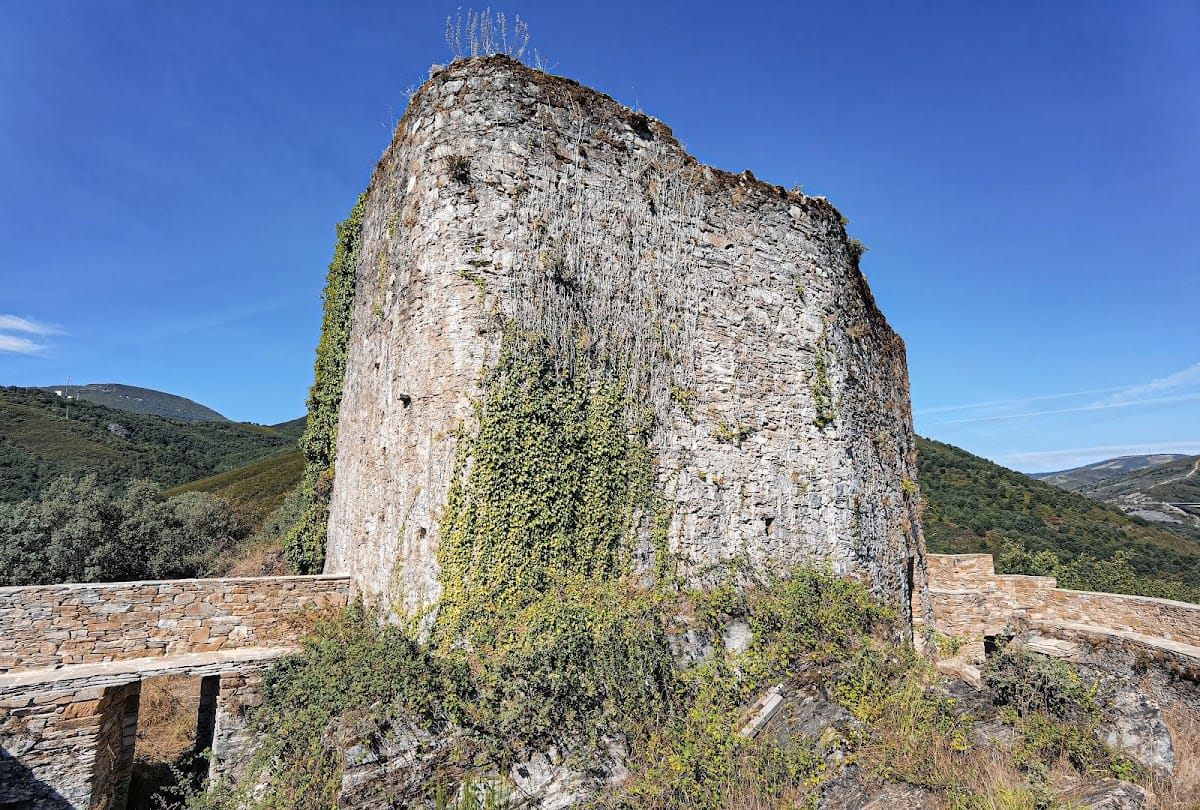
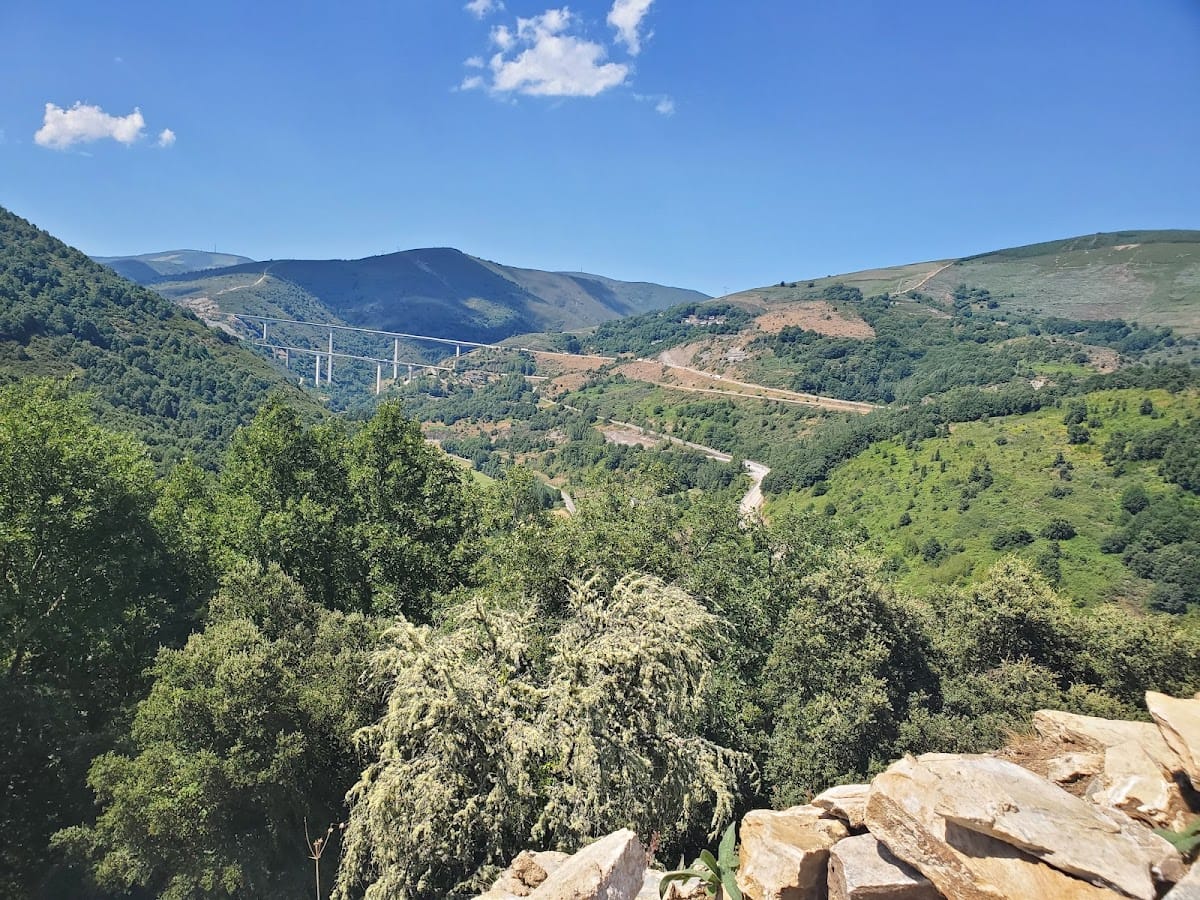
The Castillo de Sarracín occupies a rocky promontory on the slope of Monte de la Vilela, commanding a strategic vantage point. Its layout is an irregular rectangle divided into multiple compartments, which likely served different defensive and functional purposes within the fortification. The castle’s construction includes robust walls made to withstand attack, characteristic of medieval military architecture.
Two towers survive on the site today, one of which contains a “splayed arrow slit” (known in Spanish as a saetera abocinada). This type of narrow opening widens on the interior side, allowing archers greater range and angles for defense while remaining protected. Throughout the castle’s walls, twelve such arrow slits have been identified, illustrating the importance placed on archery defense in the fortress’s design. Entry to the castle was through a doorway featuring a semicircular arch, a common architectural element in early medieval construction that provided a strong and stable opening for access.
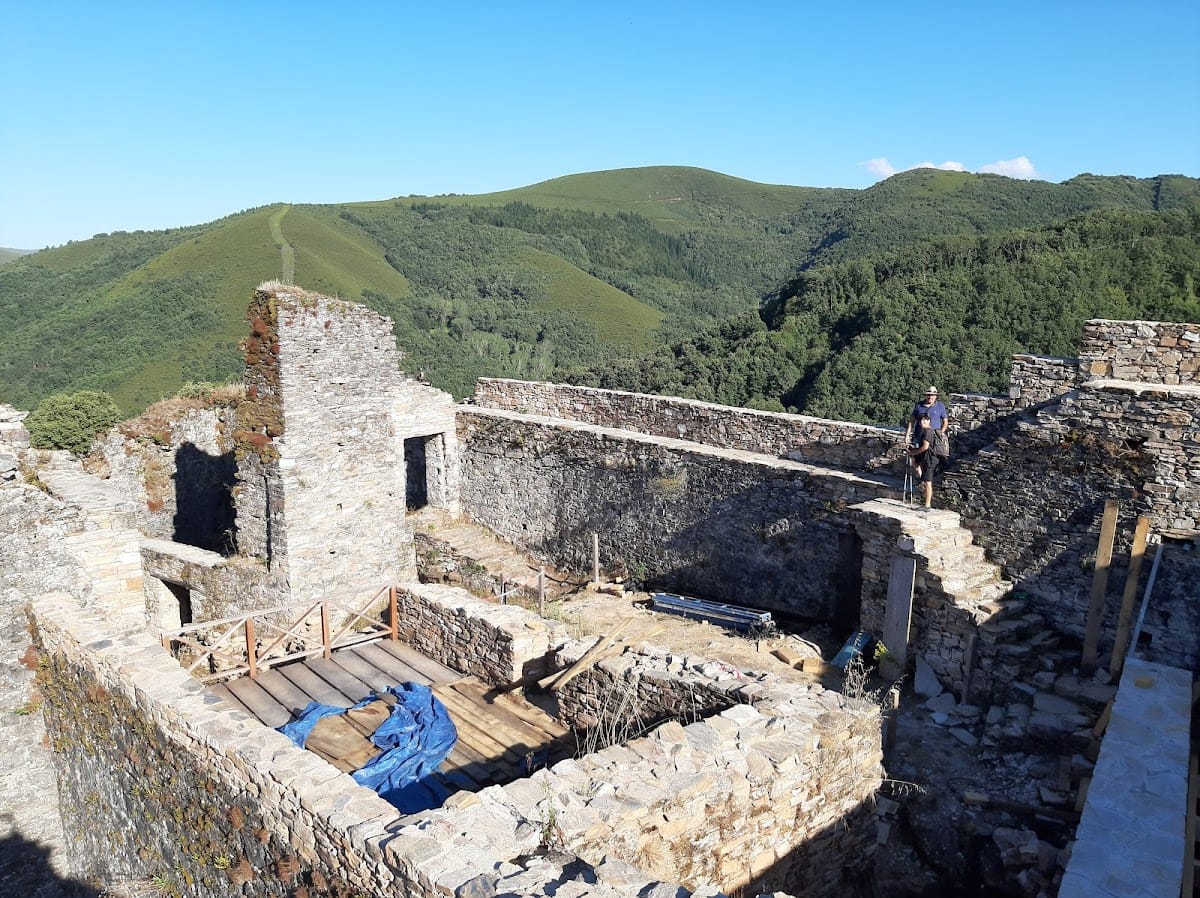
During the emergency restoration in 2014 and 2015, efforts focused on stabilizing the weakened walls and removing debris to recover the castle’s original floor levels. These works revealed a variety of artifacts within the enclosure, including ceramic fragments and metal objects such as buckles, arrowheads, and a possible blade fragment. These finds provide tangible evidence of the castle’s use as a military stronghold and its occupation over time.
The castle’s location and remaining features reflect its role in defending the region during periods of conflict while also serving as part of the network of sites linked to the pilgrimage routes crossing northern Spain. Oral traditions, like the “legend of the five stakes,” tie the physical remains to the cultural memory of those who once relied on the fortress. Today, the Castillo de Sarracín stands as a fragmentary yet evocative witness to centuries of historical events on the slopes of Monte de la Vilela.
Nearby sites