Castillo de Láchar: A Historic Neo-Arabic Castle in Spain
Visitor Information
Google Rating: 4.8
Popularity: Medium
Official Website: castillodelachar.es
Country: Spain
Civilization: Medieval Islamic, Modern
Site type: Domestic
Remains: Palace
History
The Castillo de Láchar stands in the town of Láchar, Spain, and traces its origins to the late Nasrid period of the 15th century, when it was constructed by the Muslim rulers of Granada. Although a local legend links the castle’s founding to Don Julián, a Visigoth governor of Ceuta, who is said to have built a small palace for his daughter Florinda, historical evidence confirms that the existing fortress dates from the final years of Nasrid rule before the Christian Reconquista.
Following the Christian conquest of Granada in 1492, the castle came under the ownership of the Counts of Benalúa. Over the subsequent centuries, this noble family undertook significant expansions, transforming the militarily strategic fortress into a palace that embraced themes drawn from Arabian Nights, reflecting the enduring Moorish cultural influence despite Christian rule.
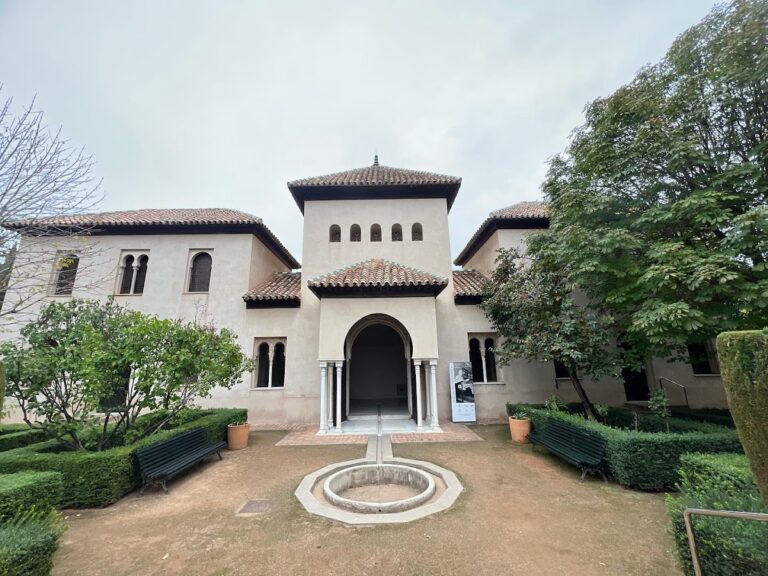
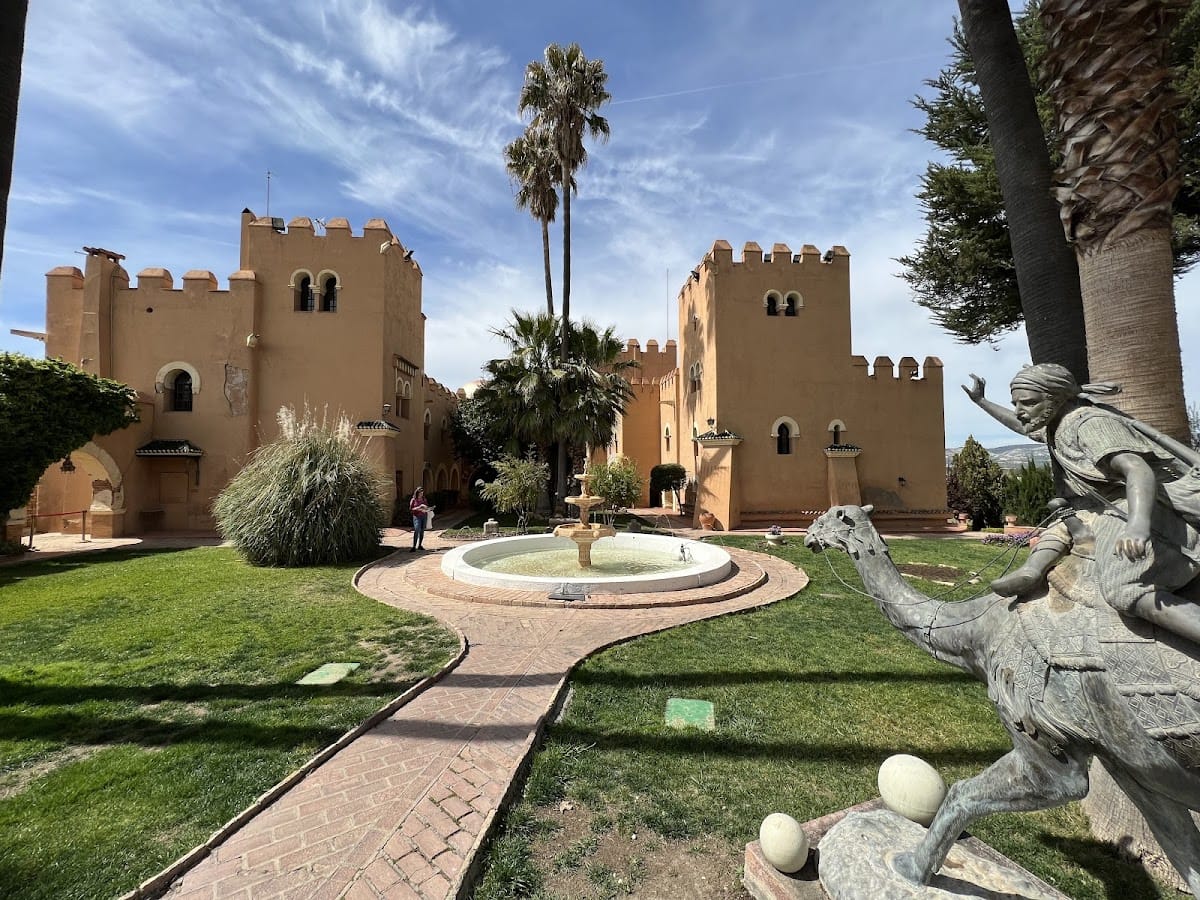
The castle reached its peak prominence towards the end of the 19th century and the beginning of the 20th under Julio Quesada-Cañaveral, Duke of San Pedro. He oversaw extensive renovations in a historicist neo-Arabic style, likely designed by architect Modesto Cendoya, which reimagined the castle’s appearance with romanticized Moorish architectural motifs. Only one original tower dating from approximately 1500 remained from the earlier fortress after these changes.
During the duke’s residency, the Castillo de Láchar became a favored retreat for notable visitors, including King Alfonso XIII, who reportedly stayed there nearly ten times. Other distinguished guests included the Duke of Connaught accompanied by writer Arthur Conan Doyle, as well as the Dukes of Alba and Medinaceli, the Marquis of Viana, and the celebrated painter Joaquín Sorolla. Sorolla notably painted “Capilla de la finca de Láchar” in the winter of 1917 during one of the royal hunting visits to the region, which was well-known for its game preserves.
In the early 21st century, the castle remained in private hands, first owned by a North American and later by a Dutch citizen who served as honorary consul of Guinea-Bissau. During this period, the flag of Guinea-Bissau was displayed alongside that of Spain on the castle façade. Since 2016, the Ayuntamiento de Láchar (the local town council) has owned the site and has been engaged in restoration works aimed at recovering historical and artistic features that were altered by earlier modernizations.
Remains
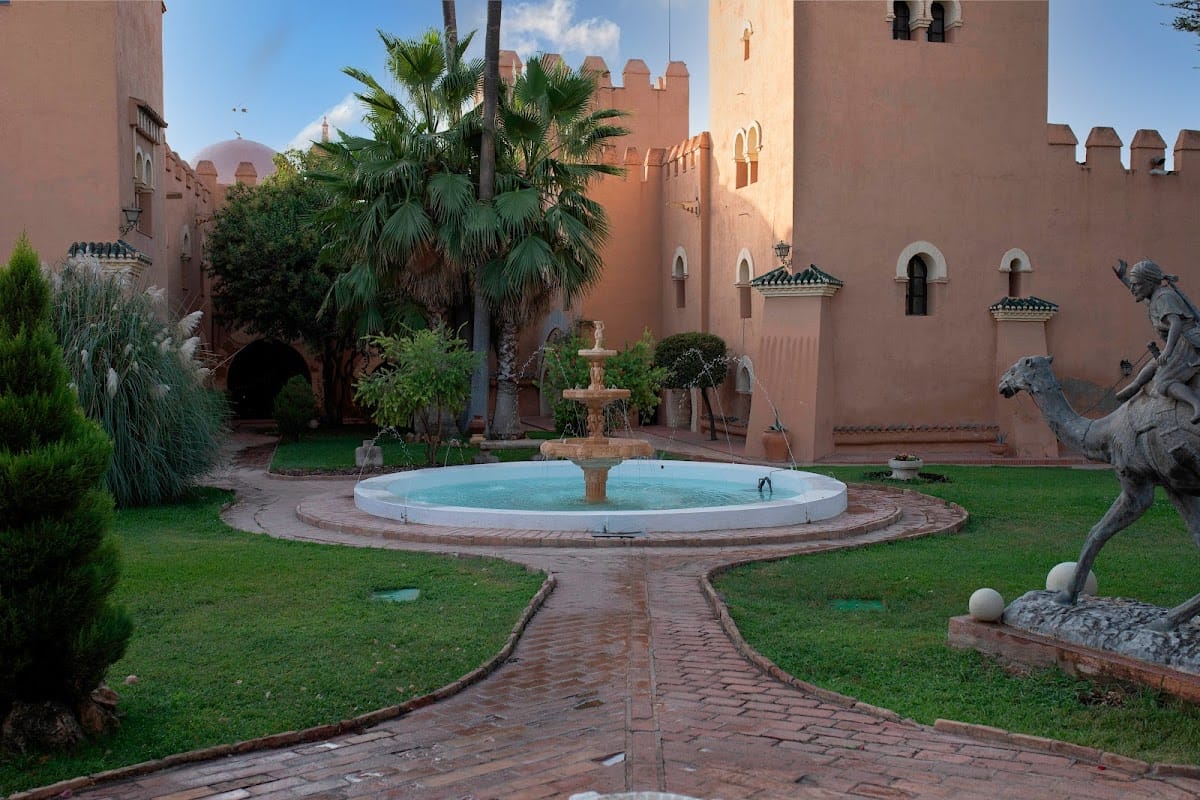
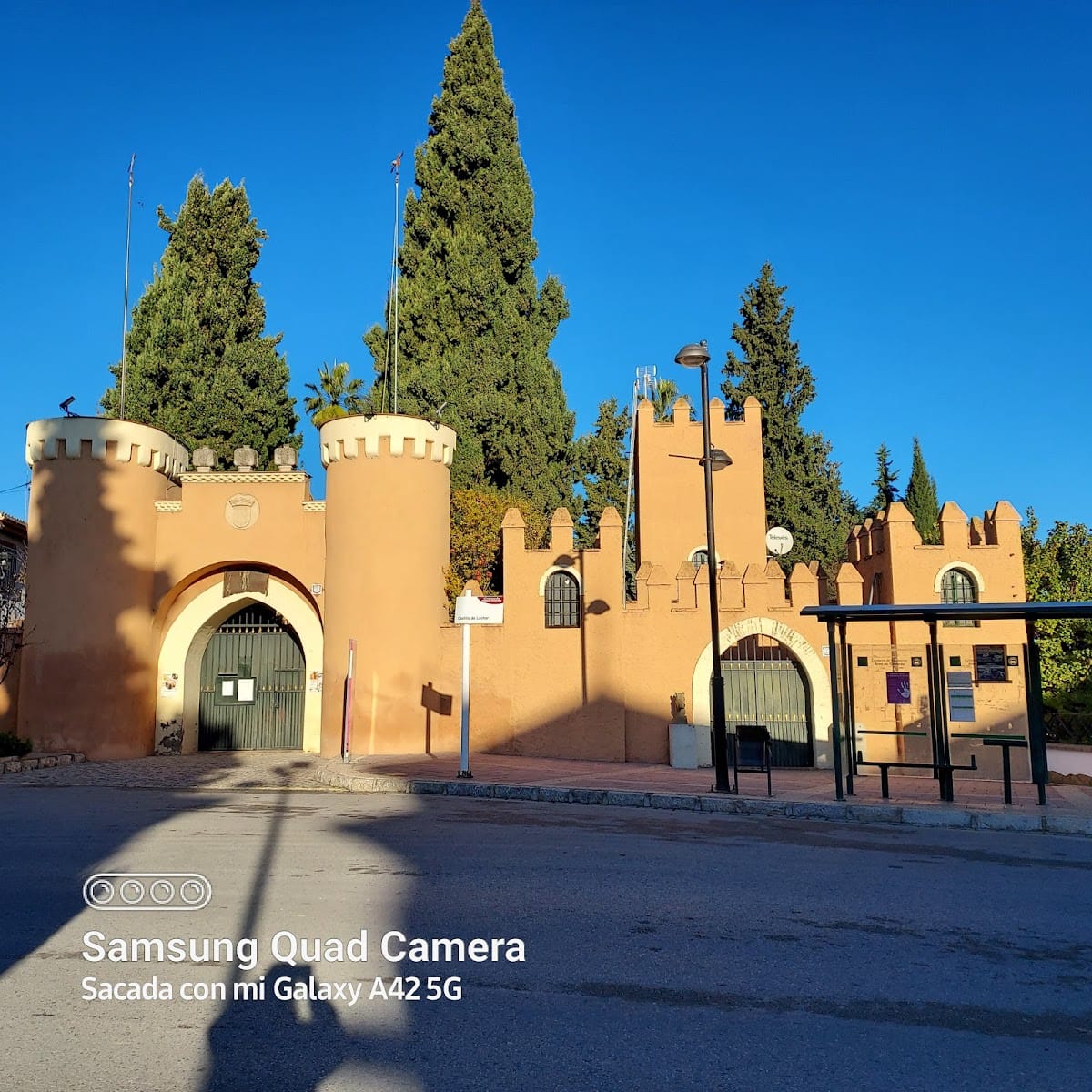
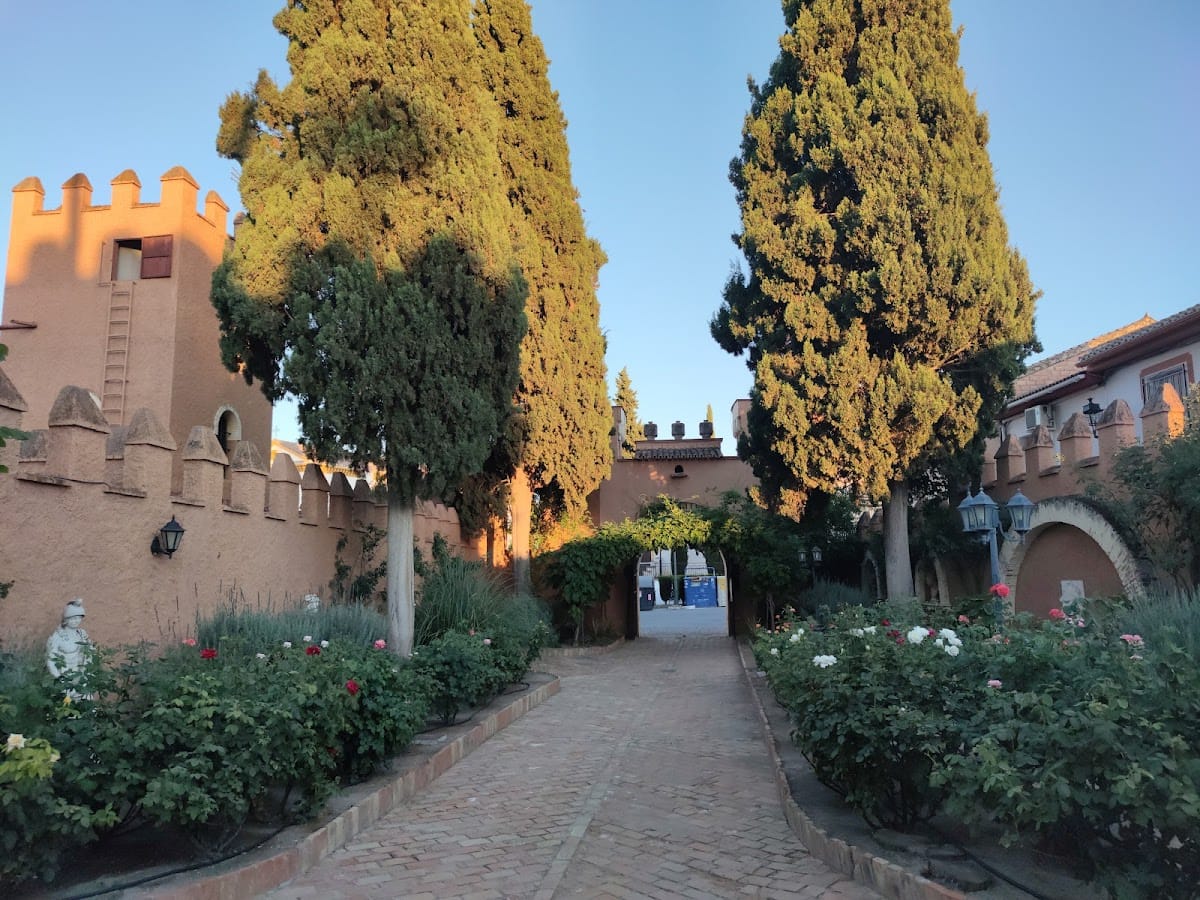
The Castillo de Láchar occupies nearly an entire city block within the urban fabric of Láchar, bordered by the streets Real, Castillo, Huerta, Íllora, and Plaza Picasso. Situated about 400 meters from the Genil River, the castle covers approximately 1,750 square meters of built area. This sizeable footprint supports four spacious salons furnished with antiques inspired by Arabesque design motifs, enriching the atmosphere with stylistic echoes of the Islamic art and architecture once prevalent in the region.
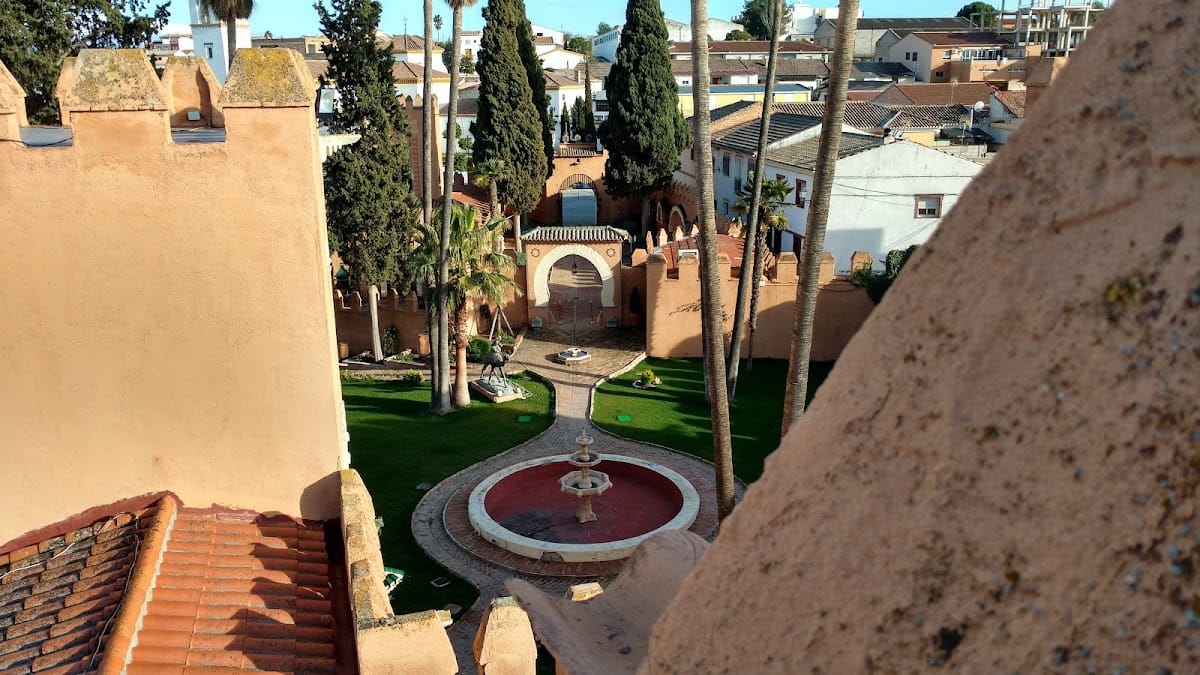
The interior includes six bedrooms and servants’ quarters, with the main bedroom distinguished by its richly woven tapestries that recount the history of the castle and its noble owners. At its center stands a large bronze bed, which was historically used by King Alfonso XIII during his visits. Above the living spaces lies a large elevated terrace overlooking the grounds, offering an open area that complements the castle’s residential function.
Surrounding the building are extensive gardens covering roughly 6,300 square meters. These grounds are enclosed by a high wall about four meters tall, providing privacy and a defined boundary that frames the landscaped outdoor space associated with the palace. The garden’s scale and enclosure underscore the castle’s status as a noble estate designed for leisure and seclusion.
Among the features that survive from the original late 15th- and early 16th-century fortress is a tower dating from around 1500. This tower remains in place as a tangible connection to the castle’s defensive past before it was transformed into a stately residence during later centuries. The castle’s overall appearance today reflects the historicist neo-Arabic renovations carried out in the late 1800s and early 1900s, which emphasize romanticized Arabic decorative elements characteristic of that artistic revival style.
Nearby sites