Silla del Moro: A Nasrid Water-Control Castle in Granada


Site at a Glance
- Rating
- 4.5
- Popularity
- Low
- Country
- Spain
- Primary era
- Medieval
- External website
- Open
- Eras represented
- Medieval
- Civilizations
- Nasrid
- Site type
- Military
- Remains
- Castle
On this page8 sections
History
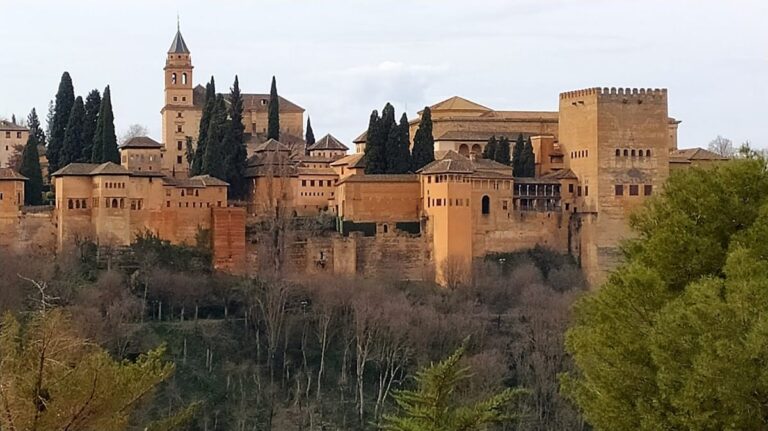
Silla del Moro is a small medieval Muslim castle in Granada, Spain, built by the Nasrids in the thirteenth century as part of the defensive enclosure above the Generalife. The Nasrids were the ruling dynasty of the medieval Kingdom of Granada, whose principal royal complex included the Alhambra and the Generalife. The castle helped protect the Generalife and the Alhambra, the seat of Nasrid power, while its principal practical role was to control the distribution of water to the palaces and surrounding gardens.
Nasrid water and defence
The fortification formed part of the wider defensive system of the Generalife estate and the Dehesa del Generalife. It was associated with the palace of Dar al-Arusa, from which it appears to have received its water. An acequia, an irrigation or water-supply channel, conveyed and distributed that water to the Generalife, the Alhambra, and their gardens.
Some writers have proposed that the castle contained a mosque in the fourteenth century. This remains unconfirmed by documentary evidence, so the possible religious building cannot be treated as a certain phase in the site’s history.
From a standing castle to ruins
A depiction by Daniel Meisner shows the castle still completely standing in 1623. It fell into ruins during the seventeenth century, and by the eighteenth century part of the main tower had disappeared. That section was not rebuilt. The name Castillo de Santa Elena had become the site’s official name by the seventeenth century, while Silla del Moro became the popular name used from 1810.
Modern interventions and protection
A lookout was added to the ruins in 1942. Between 1966 and 1970, a restaurant was constructed at the site, but it never opened. Part of this addition collapsed in the 1980s because of poor construction. The Patronato de la Alhambra y Generalife, the body managing the complex and the site’s current managing authority, demolished the remaining modern additions and restored the ruins. The work was completed in 2010. Silla del Moro has held Spain’s Bien de Interés Cultural designation, a protected cultural-heritage status, since 2017.
Remains
Castle setting and water infrastructure
Silla del Moro stands at approximately 853 metres on the northern slope of Cerro de Santa Elena, at one end of the upper Cerro del Sol. Its position above the Generalife formed part of the estate’s defensive enclosure, while the castle overlooks the Darro River valley and the city of Granada. The surviving site is a small Nasrid-period castle whose location connected defence with the management of water serving the royal complex.
Water conduit and tower
The castle appears to have been directly connected with Dar al-Arusa through its water supply. In 1929, remains of a water conduit, a staircase, and a tower were found at the site, together with fragments of vaults. These features provide physical evidence for the castle’s connection with the wider water and defensive infrastructure above the Generalife.
Subterranean features
Various galleries and tunnels extend beneath the castle. Their date and purpose remain unknown. The site is also associated with the possible fourteenth-century mosque mentioned in historical discussions, although the existence of that building is not conclusively documented.