Castelo de Torres Vedras: A Historic Castle in Portugal
Visitor Information
Google Rating: 4.3
Popularity: Medium
Official Website: www.cm-tvedras.pt
Country: Portugal
Civilization: Early Modern, Medieval European, Modern
Site type: Military
Remains: Castle
History
Castelo de Torres Vedras is located in the municipality of Torres Vedras, Portugal. The site shows signs of human activity dating back to the period of Roman domination in the Iberian Peninsula, with archaeological evidence such as tombstones and coins confirming early occupation. Initial fortifications may have been constructed by the Goths or Alans, and the castle was later rebuilt during Moorish control of the area.
In 1148, the castle was captured by the forces of Afonso Henriques as part of the Christian Reconquest. Following its capture, the nobleman Fuas Roupinho was granted possession of the castle and is credited with strengthening and rebuilding its walls. The castle demonstrated its strategic importance when it withstood an eleven-day siege by Almohad troops in 1184. Further enhancements were made in the late 13th century under King Denis I, who reinforced and expanded the defensive structures in 1288. Repairs continued under King Ferdinand I in 1373, and during the political crisis known as the 1383-1385 interregnum, the castle was besieged due to the loyalty of its governor to Beatriz, a claimant to the throne.
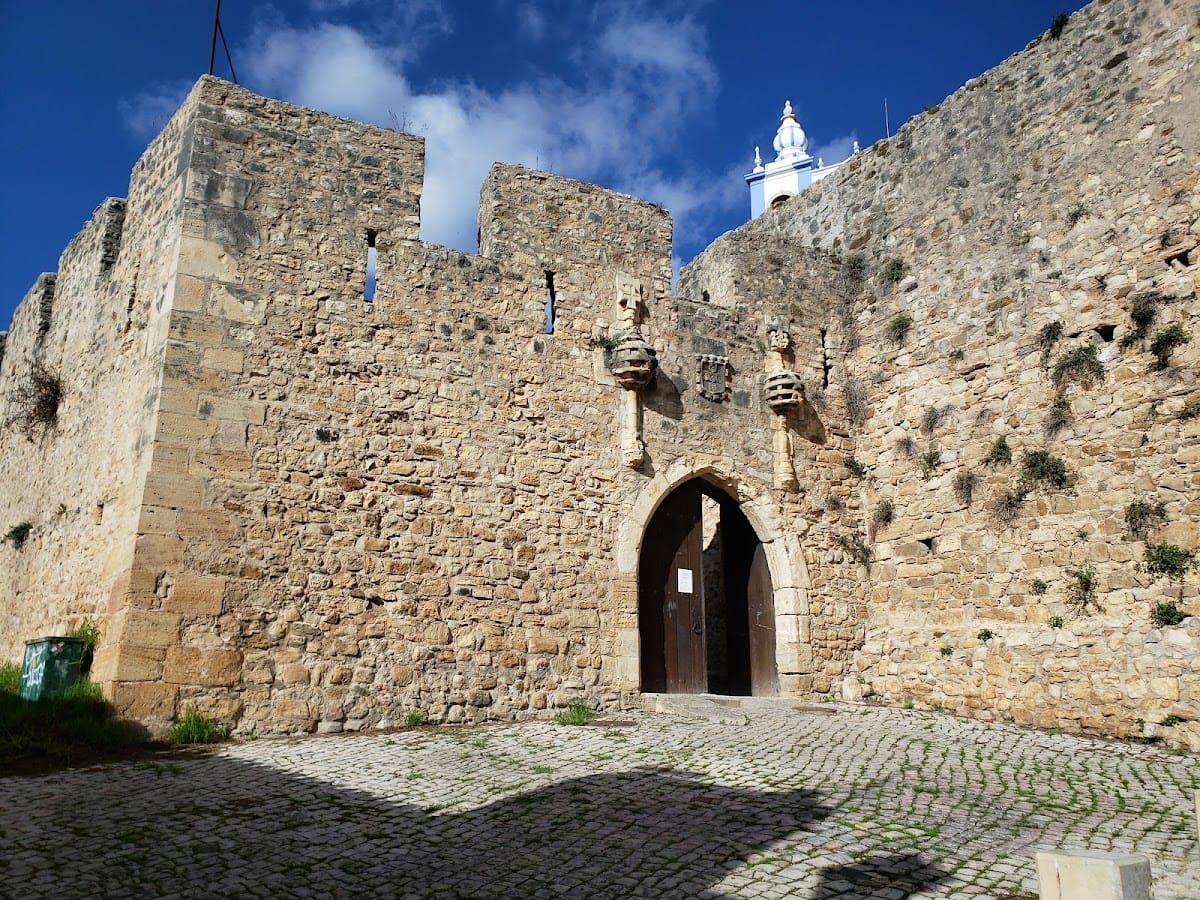
The castle also held a significant administrative and royal role. It served as a temporary residence for several Portuguese kings, among them John I, who famously convened the council at the castle that decided on the 1415 conquest of Ceuta. This campaign marked the beginning of Portugal’s overseas expansion. In the early 16th century, under King Manuel I, the town received a new charter, and the castle underwent reconstruction starting in 1516, including the addition of a distinctive gate with Manueline architectural features reflecting the king’s reign.
During the tumultuous period of the Philippine dynasty in 1589, forces supporting António, Prior of Crato, briefly seized the castle before being driven out. By the early 1600s, the castle’s walls had fallen into partial ruin, with the barbican dismantled. The devastating earthquake of 1755 caused extensive collapse to internal structures and battlements.
In the early 19th century, Castelo de Torres Vedras was incorporated into the Lines of Torres Vedras, a system of fortifications constructed during the Peninsular War to defend Lisbon. Designated as redoubt number 27, the castle was equipped with artillery and housed roughly 500 soldiers charged with guarding the main road linking Coimbra and Lisbon. During the Liberal Wars in the 1830s, some parts of the eastern walls and northern turrets were rebuilt. The castle was used as military barracks in 1846 and suffered bombardment that resulted in the explosion of its powder magazine and extensive damage to the Palace of the Alcaides, the residence of the castle governors.
Later in the 19th century, military engineers carried out repairs to the walls in 1866. Ownership passed to the local municipality in 1929, and the castle was formally recognized as a Site of Public Interest in 1957. Throughout the mid-to-late 20th century and into the early 2000s, several restoration projects and archaeological excavations were conducted, uncovering, among other findings, a medieval refuse area containing animal bones that have provided insights into the diet of the medieval nobility.
Remains
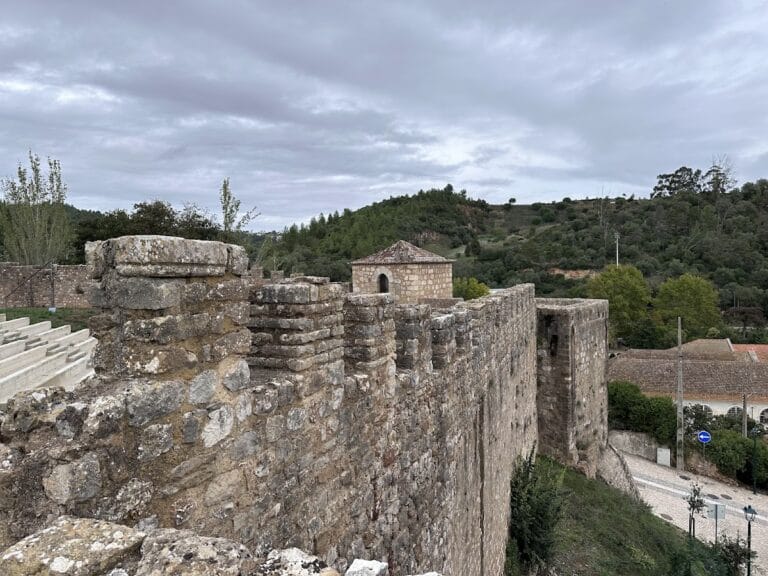
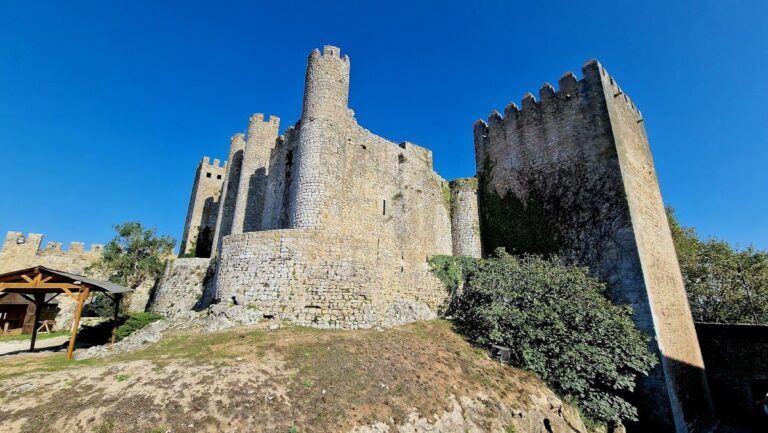
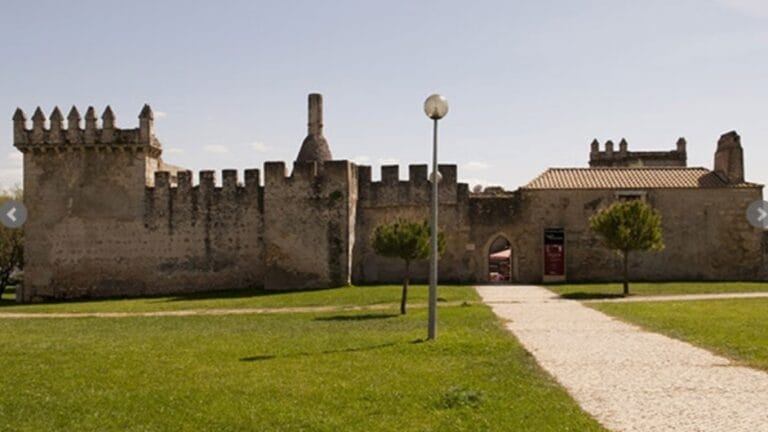
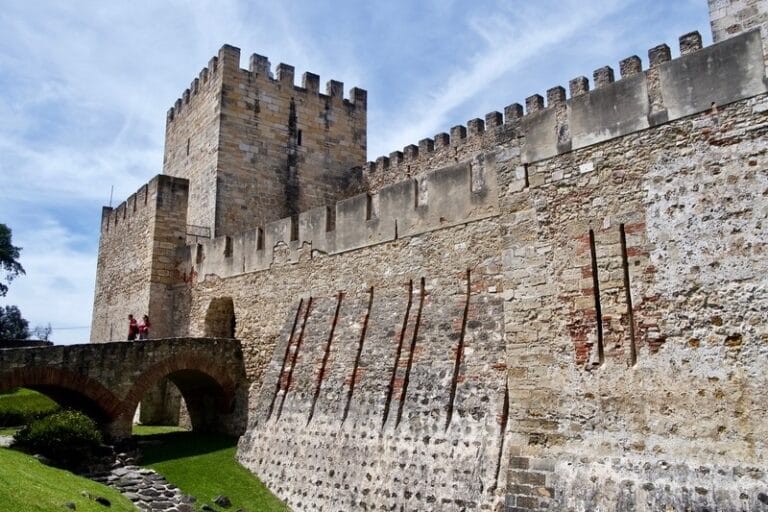
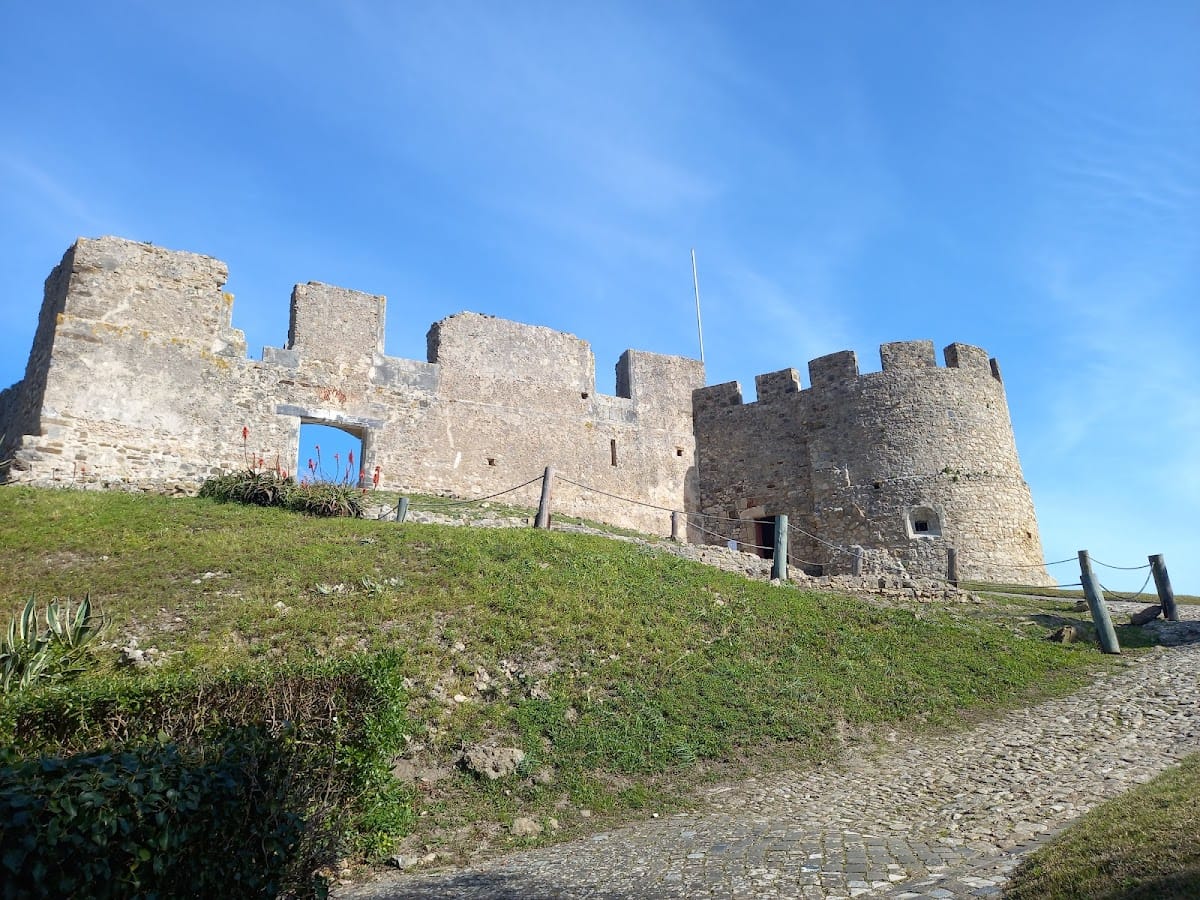
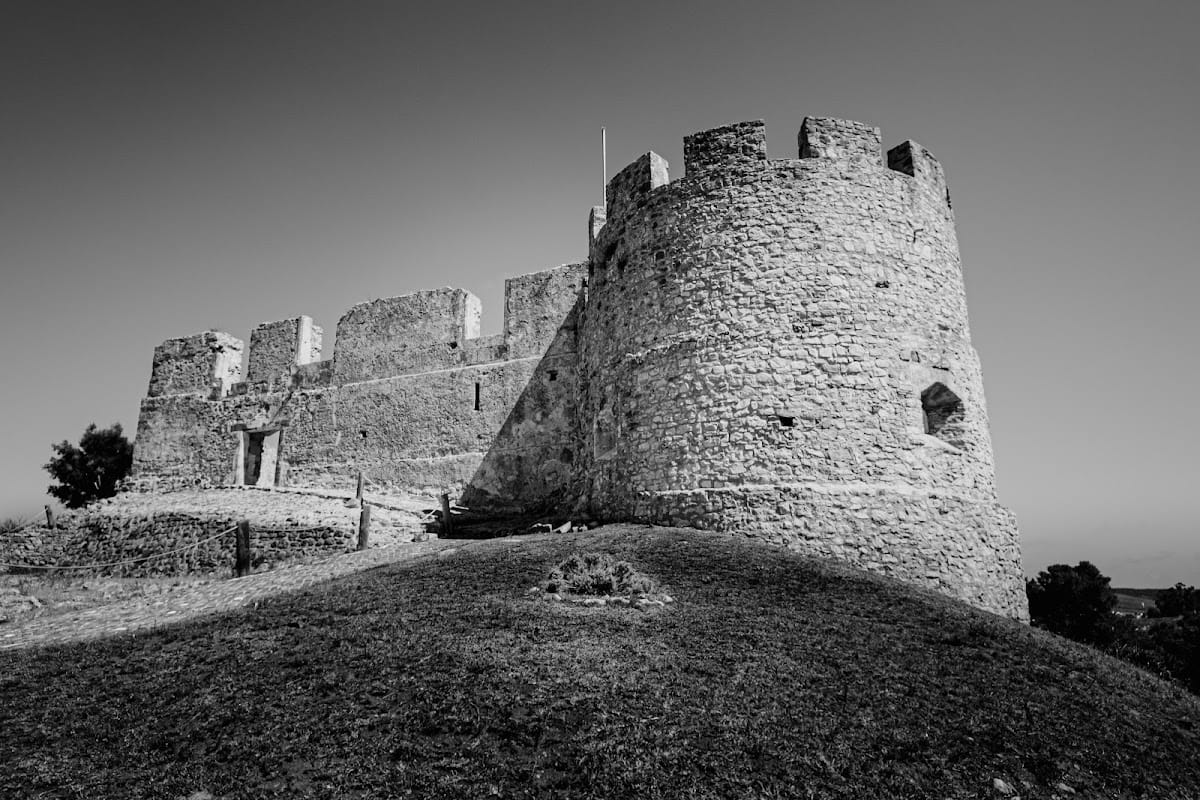
Castelo de Torres Vedras features an oval-shaped curtain wall characteristic of medieval defensive architecture. This wall is reinforced by semicylindrical towers positioned on the southeast and southwest sides, alongside a projecting square gate tower. The main gateway stands out with a pointed arch, prominently crowned by King Manuel I’s coat of arms, flanked on either side by armillary spheres, a symbol associated with his reign, and the Cross of the Order of Christ, reflecting Portugal’s maritime and religious heritage.
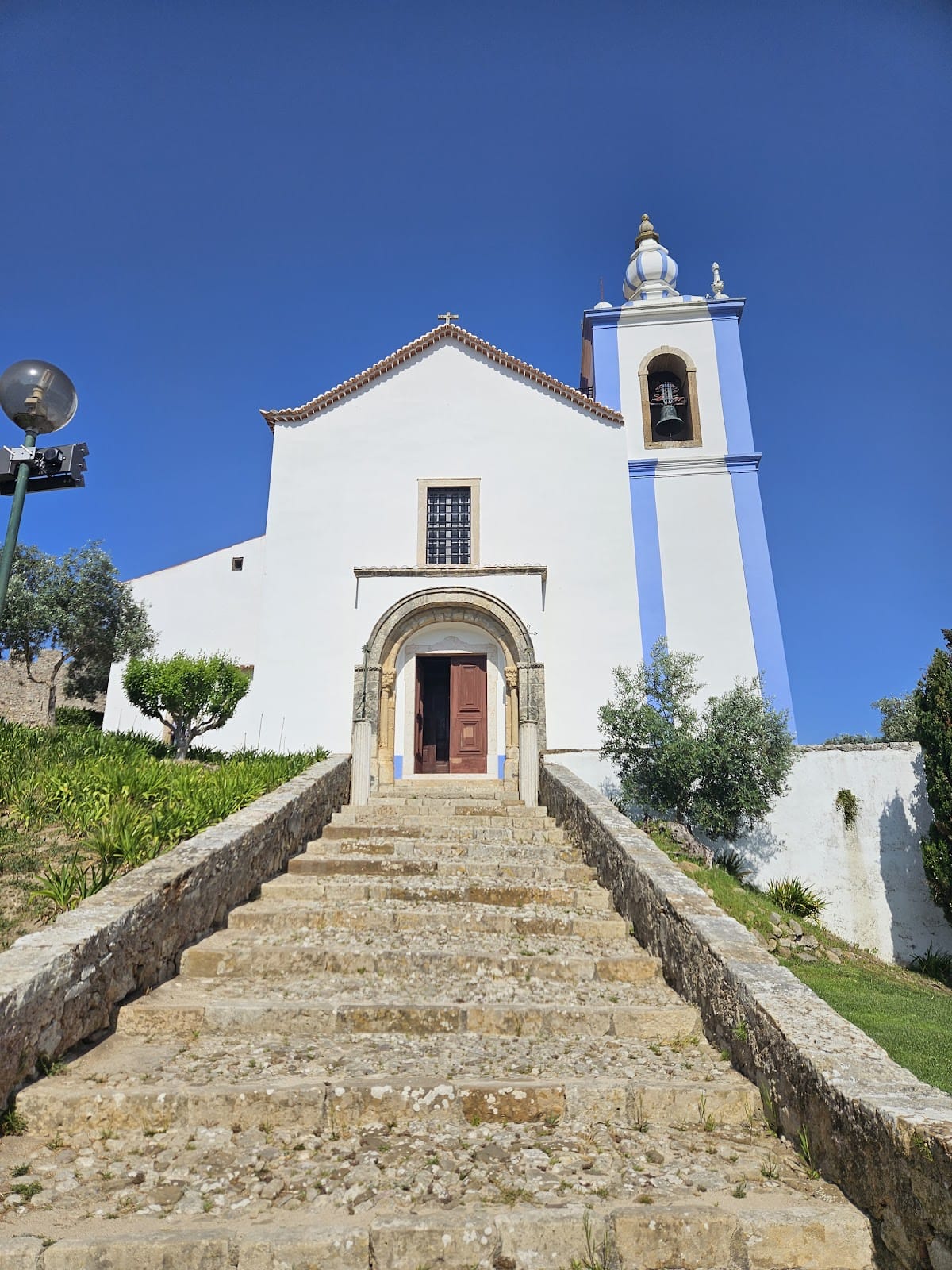
Inside the castle grounds, the isolated Church of Santa Maria do Castelo is accessible by a staircase and situated near a historic cistern, which was used for water storage. Adjacent to this area once lay a medieval cemetery, indicating the presence of a religious community or burial ground associated with the castle.
The inner keep, or alcáçova, presents an irregular square layout dominated by a large semicircular tower at the southeast corner. This tower contains a vaulted two-level chamber supported by ribbed vaulting, a technique that uses intersecting ribs to strengthen the ceiling. It features two openings designed for firing cannons, an external door, and is topped by square-shaped merlons—upright sections of the battlement that provided defenders with protection.
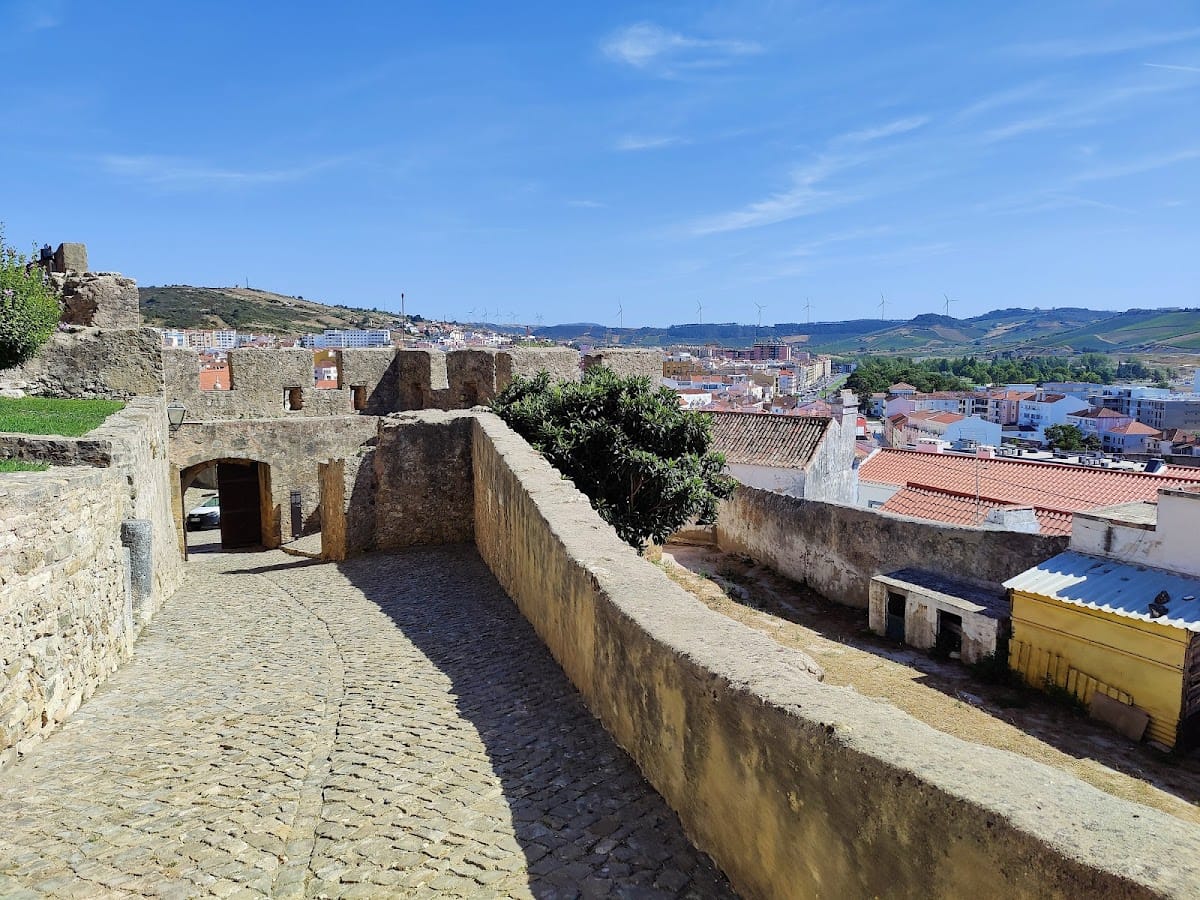
The southern curtain wall and northern corner walls contain doorways leading into the inner bailey, the enclosed courtyard space within the castle. Within the bailey lie the ruins of the Palace of the Alcaides, the former residence of the castle’s governors. This palace was a two-storey building surrounding a courtyard, and today visitors can see remnants such as exterior walls, the main entrance door, fragments of stone and brick flooring on the ground floor, stone corbels which originally supported wooden beams of the upper floor, and portions of carefully crafted window stonework.
Two cisterns are located within the bailey, including one covered with a brick vault, a structural technique providing strength and durability. The original walls of the surrounding town have mostly disappeared over time, but sections on the western and northern sides were reconstructed in the 1830s during the castle’s military refurbishments.
Over the 20th century, the castle’s walls underwent several phases of repair and strengthening. These works were accompanied by archaeological excavations supervised by the Portuguese Institute of Archaeology, which have helped uncover the site’s complex historical layers. The surviving structures provide a visible record of the castle’s evolution across centuries and its role in Portugal’s defensive and political history.