Castello di San Michele in Teverina: A Historic Castle in Italy
Visitor Information
Google Rating: 4.6
Popularity: Very Low
Official Website: castellodisanmichele.it
Country: Italy
Civilization: Early Modern, Medieval European
Site type: Domestic
Remains: Palace
History
The Castello di San Michele in Teverina is situated within the municipality of San Michele in Teverina, Italy, and was originally built during the 12th century by Piero di Mugnano, a feudal lord who controlled lands in the Tiber Valley of Tuscia, Latium. The fortress initially bore the name Castel di Piero, reflecting its founder’s identity and his family’s dominion over the region.
For nearly five hundred years, ownership remained with the Baglioni di Castel di Piero family, who played a significant role in the castle’s history. A notable episode occurred in 1522 amid a passionate succession dispute between two branches of the family. Piero I Baglioni, connected by marriage to the influential Medici family, clashed with his rival Antonio Baglioni di Perugia, who was allied by marriage to the Farnese family. This conflict escalated into a siege led by Galeazzo Farnese. Despite fierce resistance by Piero I and the involvement of 500 Corsican mercenaries—many of whom died during the fighting—the castle was eventually overtaken, and much of its defensive structure was dismantled to reduce its military potential.
Following this turbulent period, Piero I managed to regain control of the site. At this time, the medieval fortress underwent a significant transformation. It was rebuilt in the Renaissance style on top of the earlier remains, under the supervision of his wife Caterina de Galeotto de’ Medici and their daughter Virginia Baglioni. Another daughter, Francesca Baglioni, is historically remembered for her role in the royal household as governess to Marie de’ Medici and for founding a monastery in Rome, reflecting the family’s continuing ties to prominent religious and political figures.
In the subsequent centuries, ownership shifted, moving first to the Domicelli family of Orvieto and then passing through various noble hands. By 1690, the castle was purchased by Isidoro Benedetti from Spoleto. This period also saw a change in the designation of the fief, as the name Castel di Piero was officially altered to San Michele in 1726. In the 19th century, the Benedetti family passed the property and its associated titles to Louis Desiré de Montholon-Semonville. This family, which included Charles-Tristan de Montholon—known for accompanying Napoleon during his exile—retained the castle until 1970.
The castle and its lands became part of the Kingdom of Italy in 1870, reflecting the broader political unification of the Italian peninsula. The formal recognition of the new place names was confirmed by royal decrees in 1873, cementing the site’s modern identity as Castello di San Michele in Teverina.
Remains
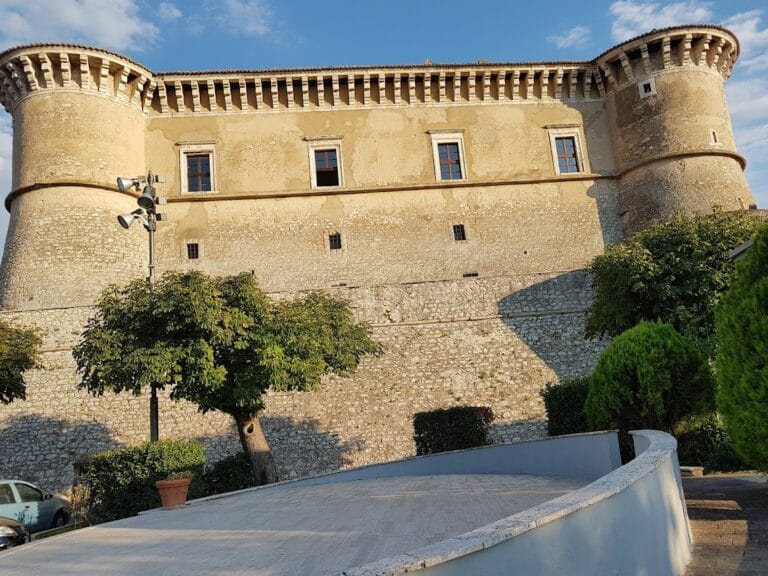
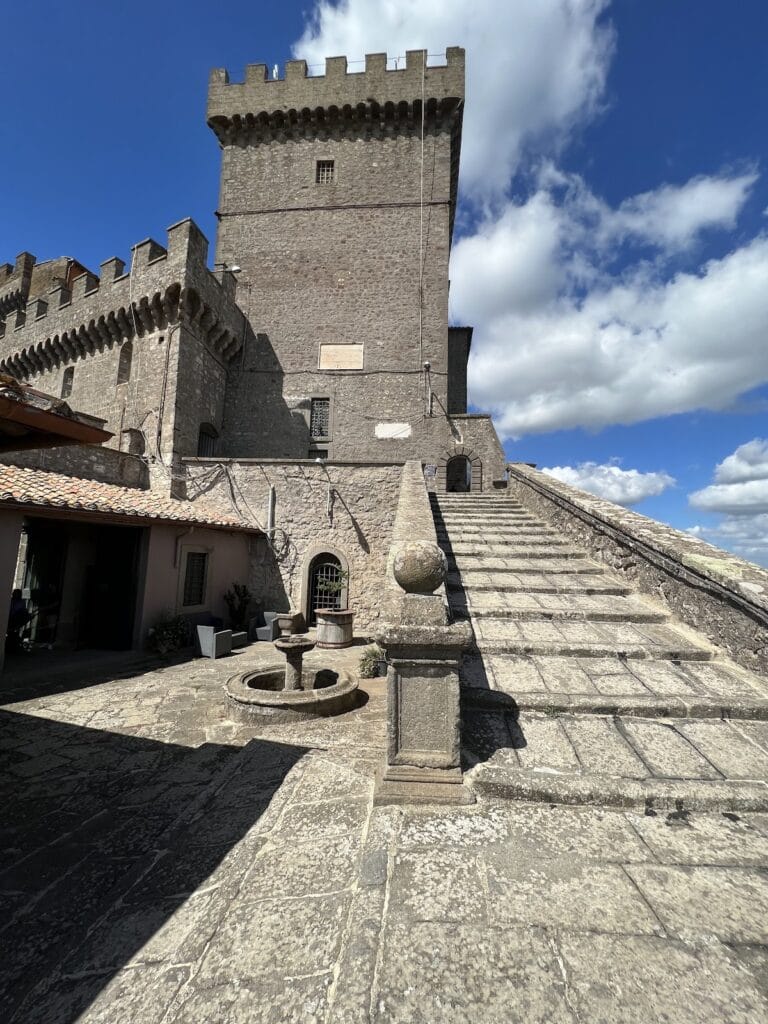
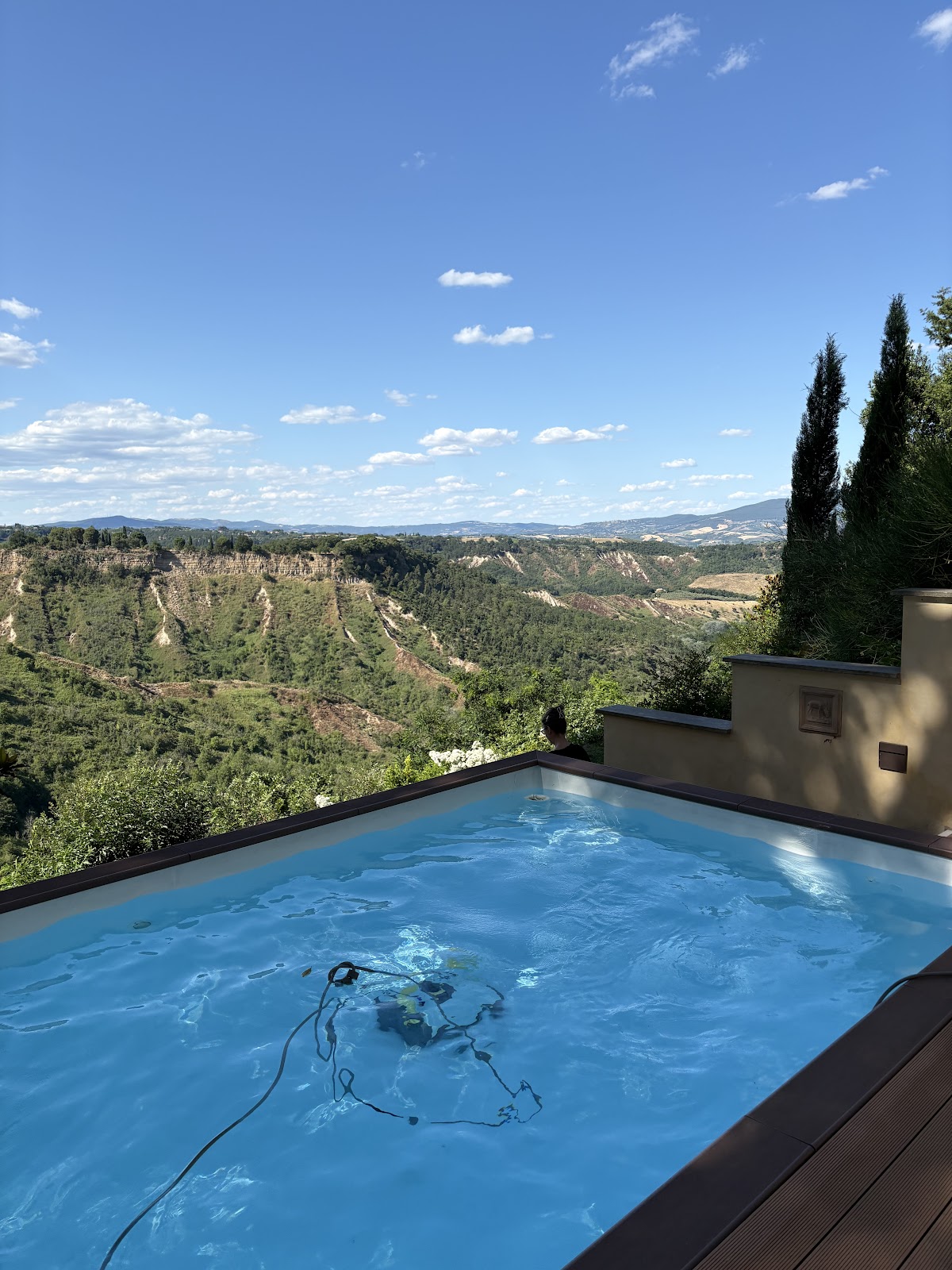
The castle complex stands on a wooded promontory overlooking the village of San Michele in Teverina and the surrounding Tiber Valley. This elevated position has long provided strategic advantage and offers views over a landscape that was recognized by UNESCO in 2017 as a potential World Heritage site. The layout centers on a square area that formerly operated as the courtyard of the original medieval fortress, a spatial arrangement typical of castles evolving from early fortifications to residential palaces.
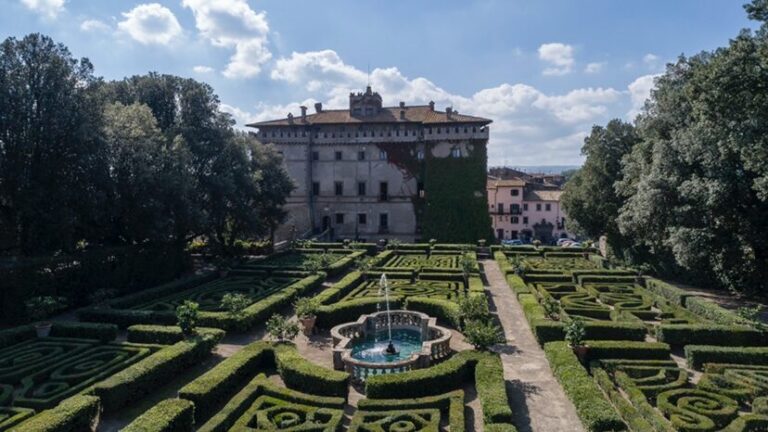
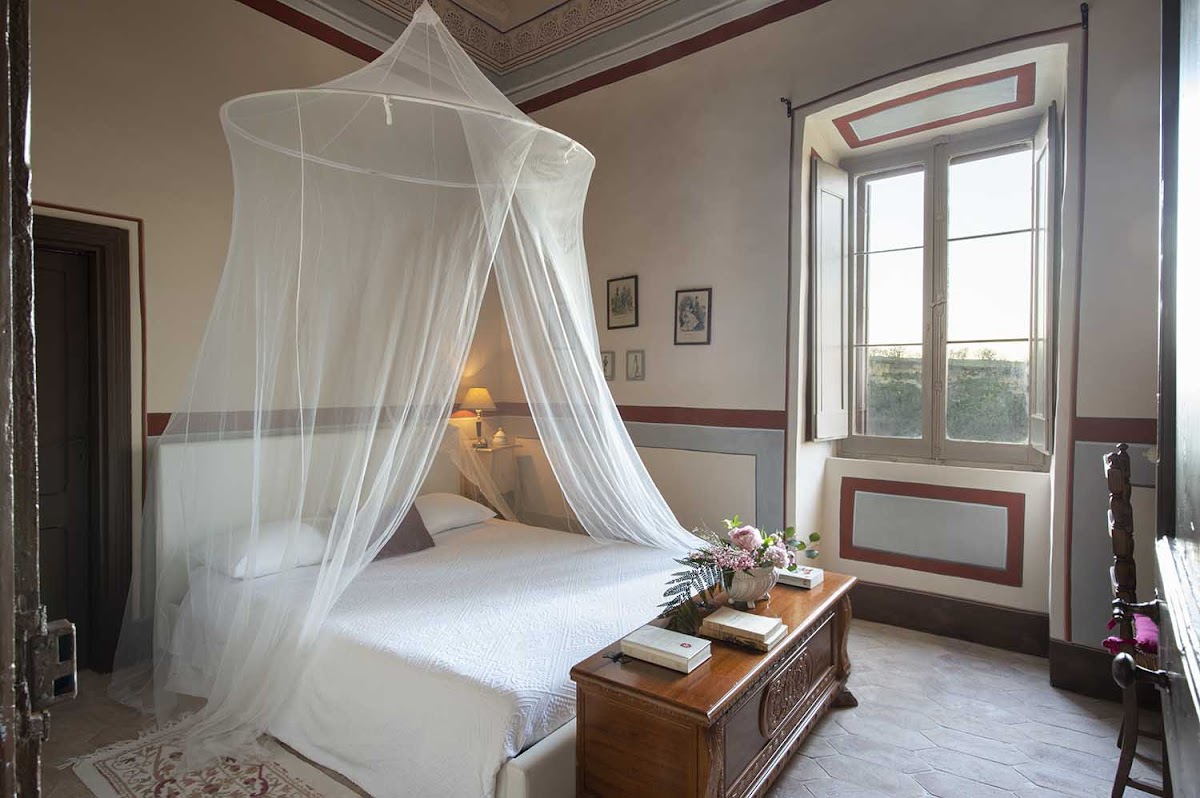
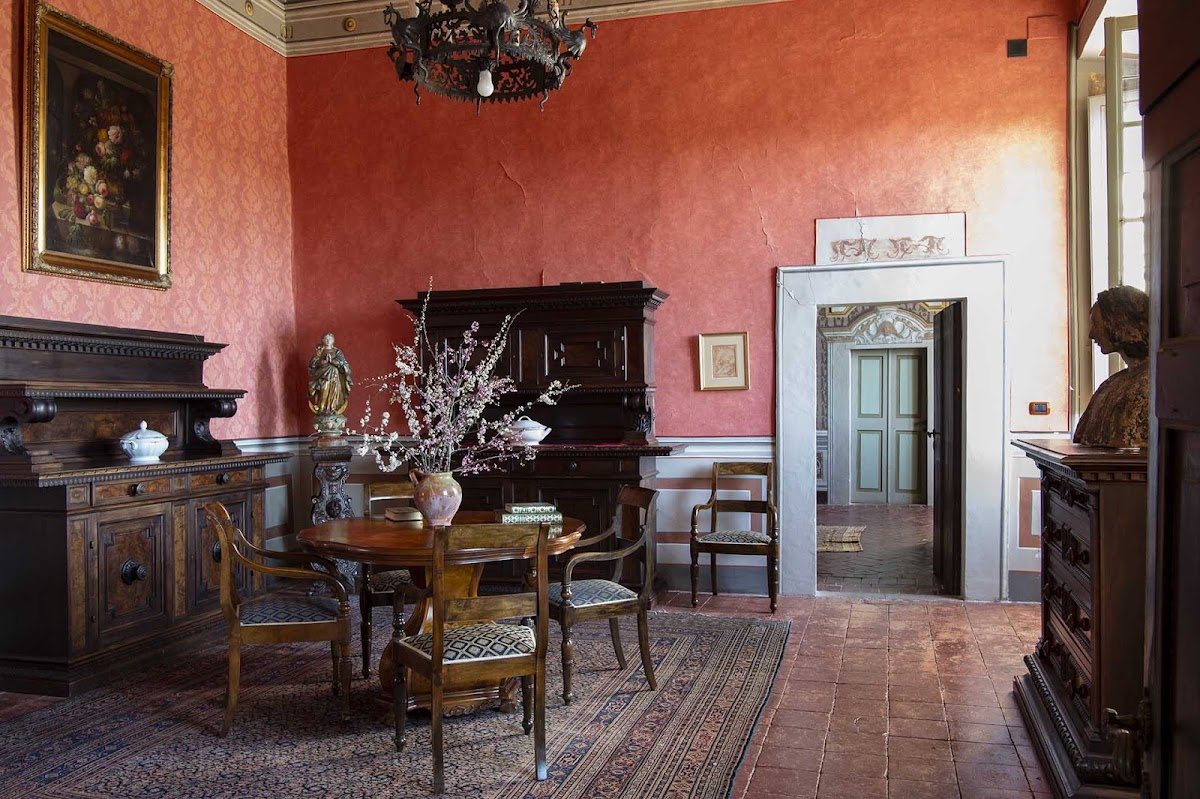
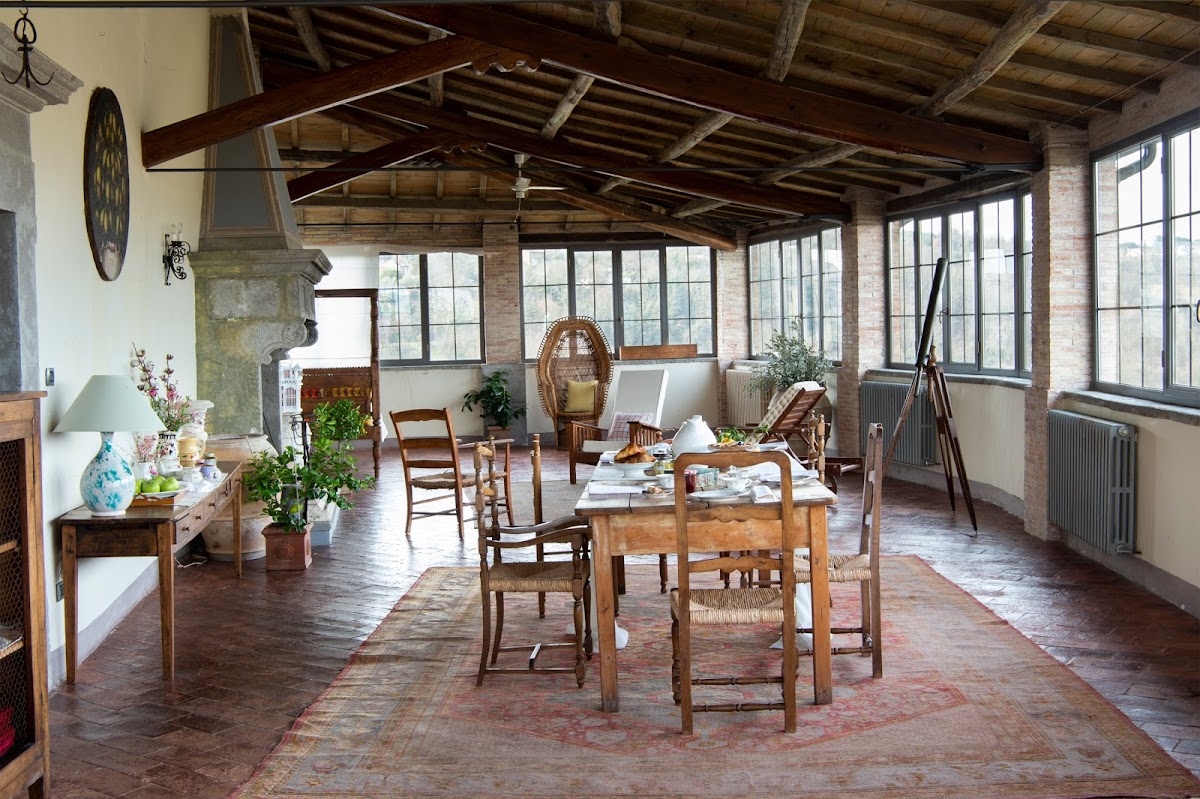
The existing buildings are primarily the result of a Renaissance reconstruction that took place after the 1522 siege, led by Caterina de Medici’s oversight. This phase reused the medieval foundations and provided the site with a more refined palace structure. The Renaissance palace thus represents the main surviving architecture, while much of the original defensive works were dismantled following the siege to prevent further military use.
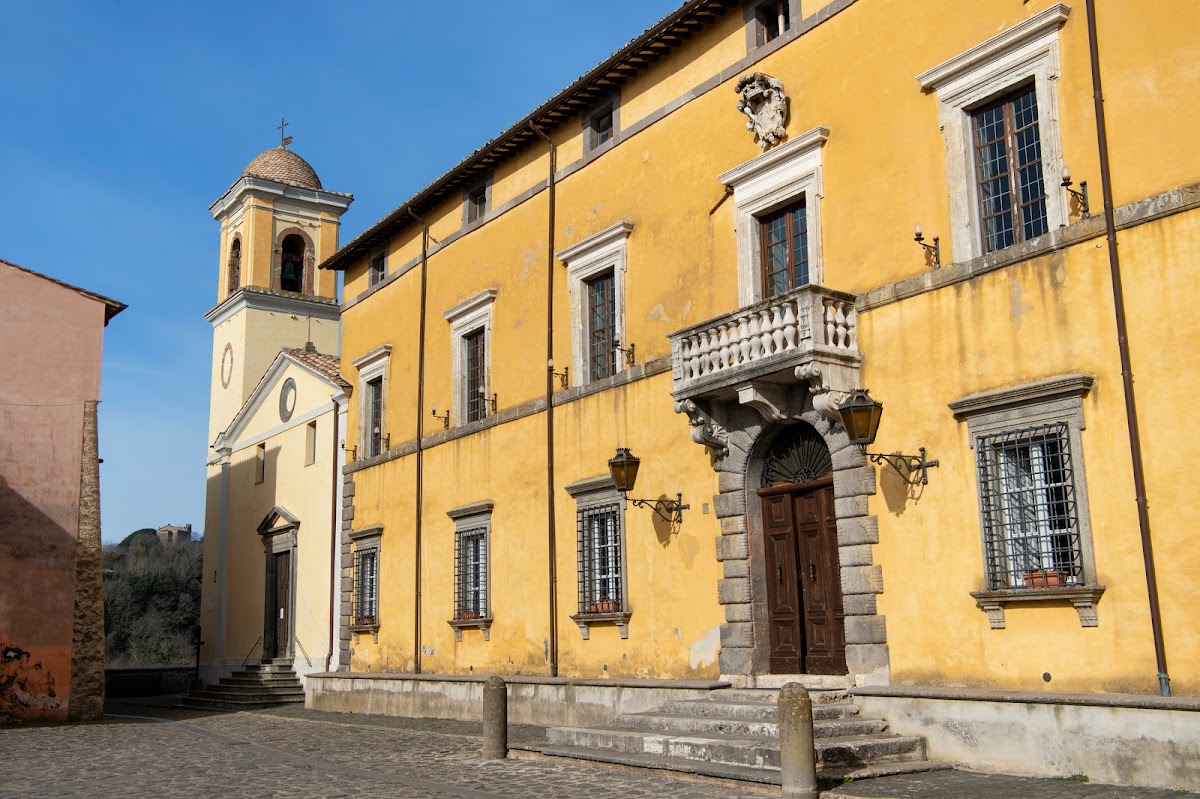
Although the castle complex integrates elements of both medieval and Renaissance periods, the visible remains today focus on the Renaissance features, characterized by more residential and representative forms rather than heavily fortified constructions. Photographic documentation from nearby locations, such as the Piazza del Castello, confirms the castle’s prominent position above the valley and highlights the harmony between the later palace and the underlying medieval remnants.
Overall, the Castello di San Michele in Teverina today preserves an archaeological narrative embedded in its walls and layout, narrating centuries of feudal control, military conflict, and Renaissance renewal within the historic landscape of central Italy.