Castello di Giove: A Historic Castle-Palace in Umbria


Site at a Glance
- Rating
- 4.6
- Popularity
- Low
- Country
- Italy
- Primary era
- Early Modern
- External website
- Open
- Eras represented
- Medieval, Early Modern
- Civilizations
- Papal States
- Site type
- Domestic
- Remains
- Castle
On this page5 sections
History
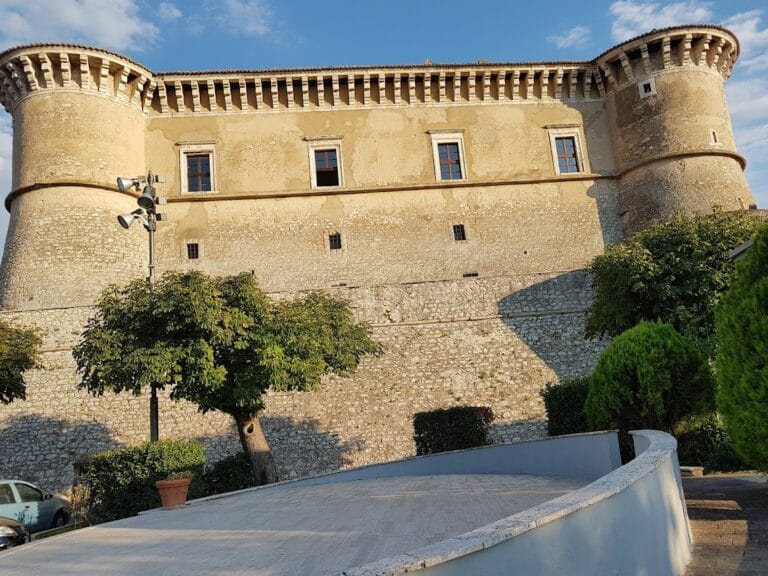
Castello di Giove is a historic castle-palace in Italy, in the village of Giove in Umbria. Its present character combines medieval and Baroque elements, shaped especially by extensive seventeenth-century remodeling. The name is associated with a temple dedicated to Zeus that was formerly located at the site.
Medieval fortress and contested fief
The first historically confirmed reference to the fortress dates to 1191. Its strategic position made it an object of contention among Orvieto, Todi, and Amelia. During the fourteenth century, possession was disputed between Orvieto and Tuscany. In 1328, Pope Urban IV invested Count Pietro di Anguillara with the fief of Giove, a territorial holding granted by a superior authority in return for service or allegiance.
Amelia occupied the castle in 1465, after which it passed to the Farnese, an Italian noble family. In 1477, Pope Sixtus IV returned the castle, previously belonging to the Apostolic Camera, to the Hospital of Santo Spirito in Rome. The Apostolic Camera administered the temporal finances and property of the Holy See. The castle later passed to the Ordelaffi, a noble family associated especially with Forlì, and then again to the Farnese.
The Mattei transformation
On 14 July 1597, Matteo Farnese sold the fief for 65,000 scudi to the brothers Ciriaco and Asdrubale Mattei, granting them the title of marquises. The scudo was a historical Italian currency unit. Under the Mattei, the fortress began to change into an aristocratic residence. Asdrubale Mattei used it as a summer residence and commissioned Carlo Maderno in Rome to design the Palazzo Mattei di Giove there. Maderno was an important early Baroque architect, while Asdrubale was also an art collector and patron of Caravaggio.
On 10 October 1643, Girolamo Mattei, Asdrubale’s son by Costanza Gonzaga-Novellara, became the first Duke of Giove. His descendants continued to hold the ducal rank, although ownership of the palace changed hands several times afterward. The building is privately owned and designated Italian national heritage.
Remains
Palace-castle complex
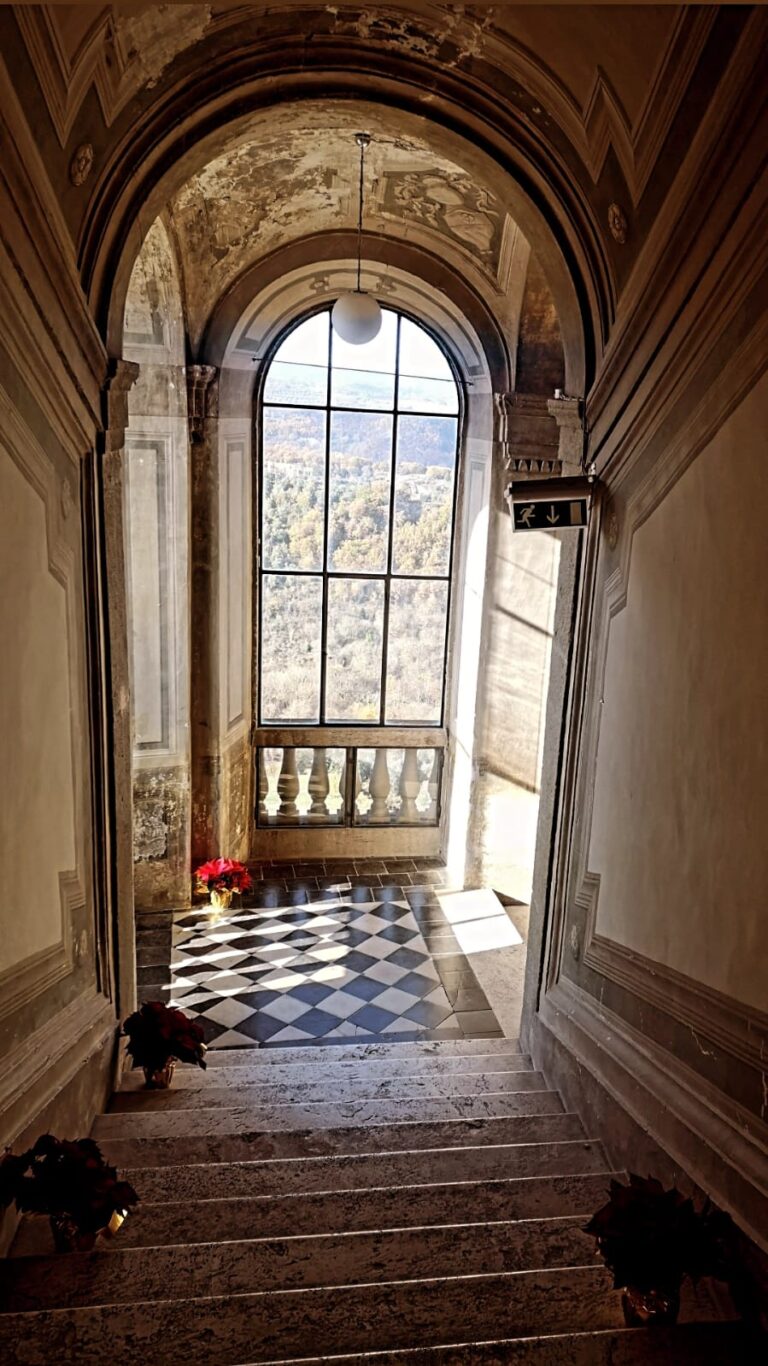
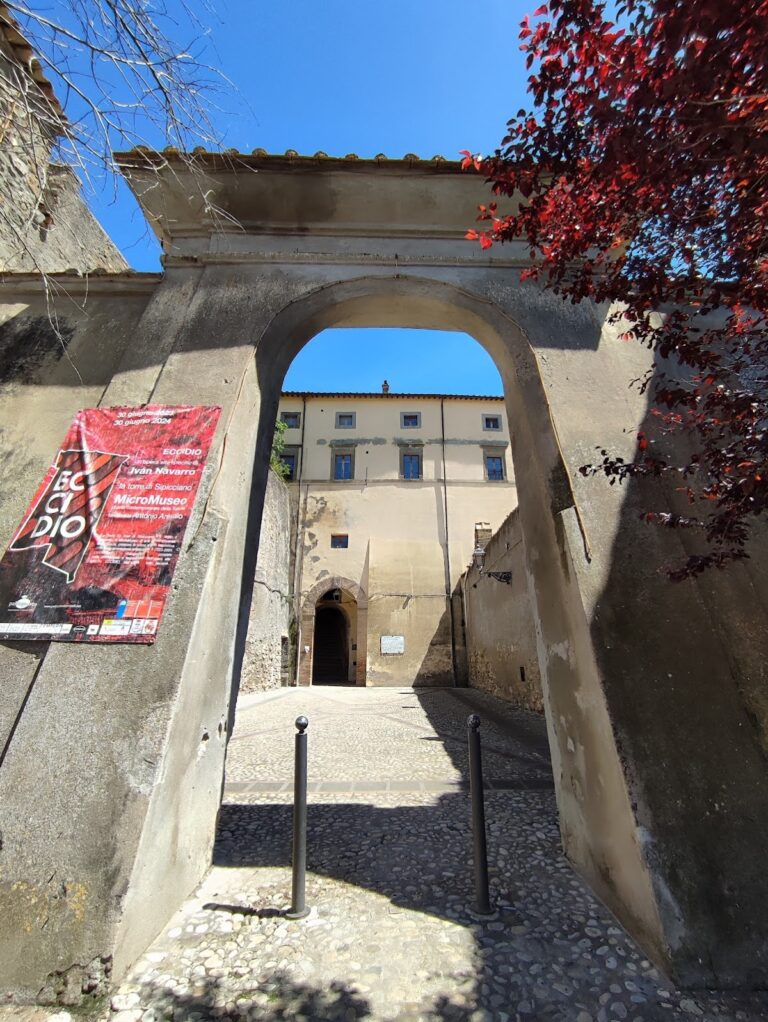
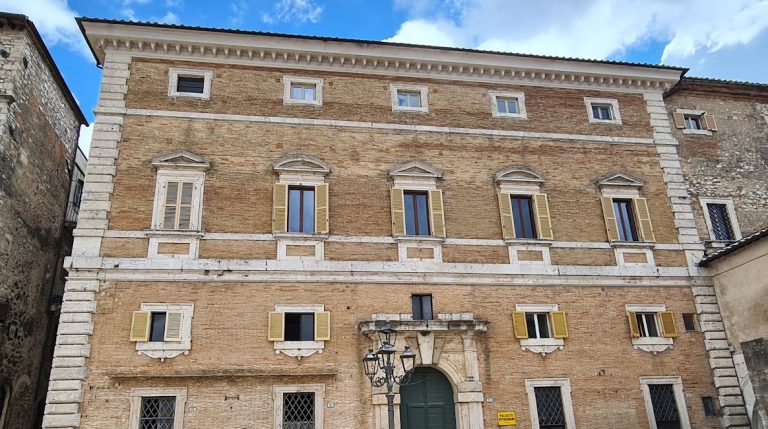
The surviving complex presents a monumental palace-castle appearance created through seventeenth-century remodeling by artists of the school of Vignola, an architectural circle influenced by Jacopo Barozzi da Vignola. Medieval defensive character is combined with the more formal setting of an aristocratic residence. Inside, a substantial carriage ramp leads to the piano nobile, the principal residential floor. The building contains numerous rooms, terraces, corridors, and covered passageways, together with 365 windows, traditionally associated with the days of the year.
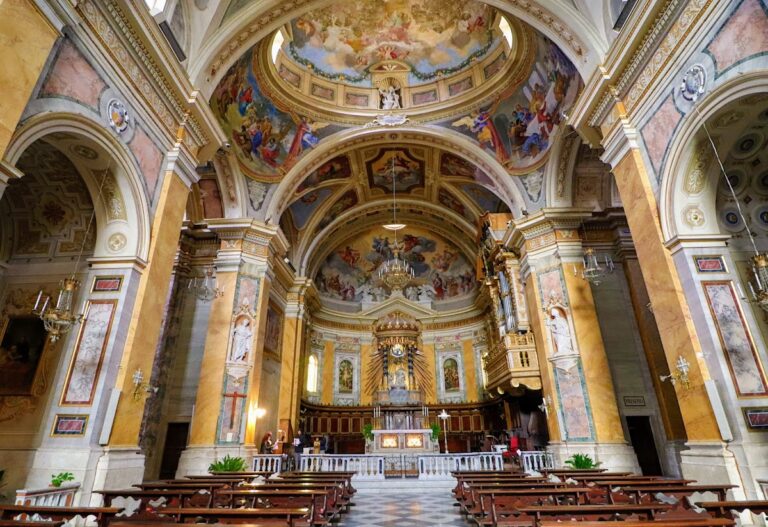
Some rooms retain frescoes in the Mannerist style, a late Renaissance approach known for sophisticated, often elongated forms and complex compositions. These paintings are attributed to Domenichino, Orazio Alfani, and Paolo Veronese, artists associated respectively with classicizing Baroque art, the Umbrian Renaissance tradition, and the Venetian school.