Castell de Mequinensa: A Historic Palace-Castle in Spain
Visitor Information
Google Rating: 3.3
Popularity: Low
Official Website: www.museosdemequinenza.com
Country: Spain
Civilization: Early Modern, Medieval European, Modern
Site type: Military
Remains: Castle
History
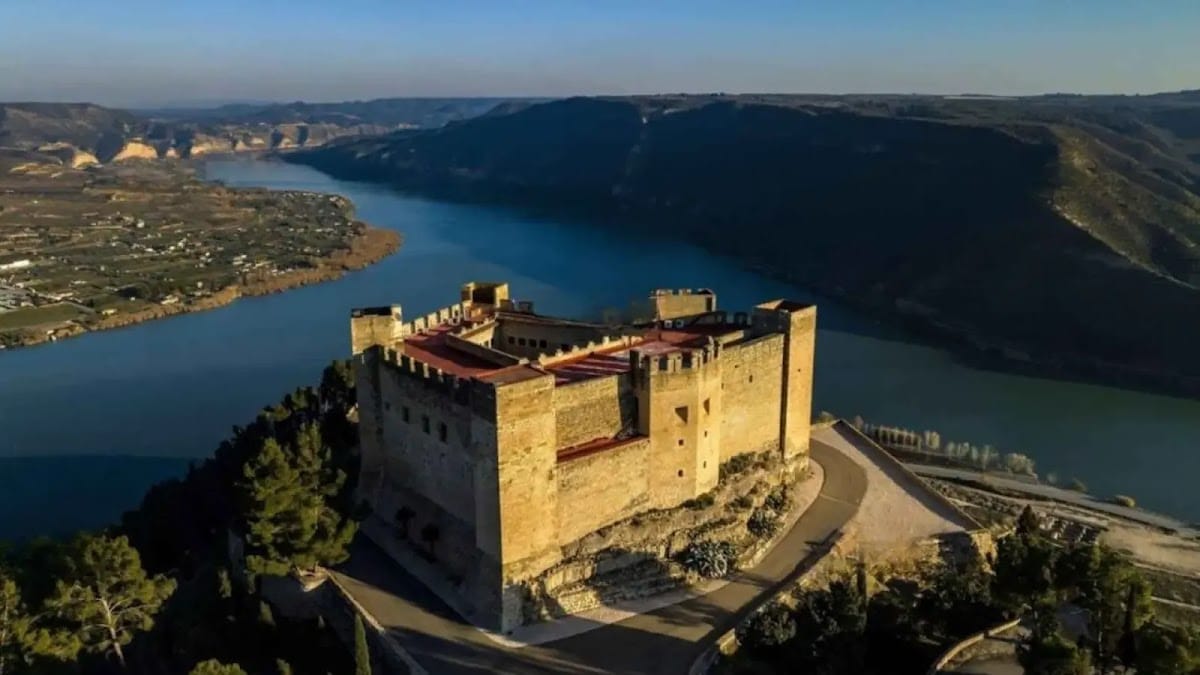
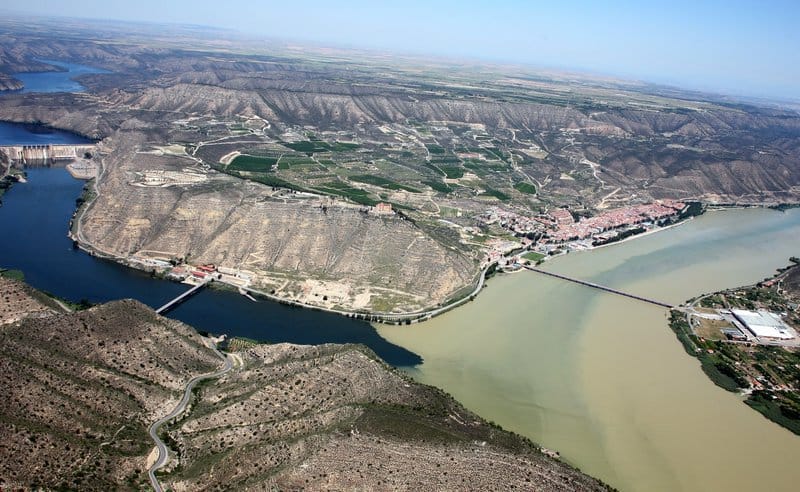
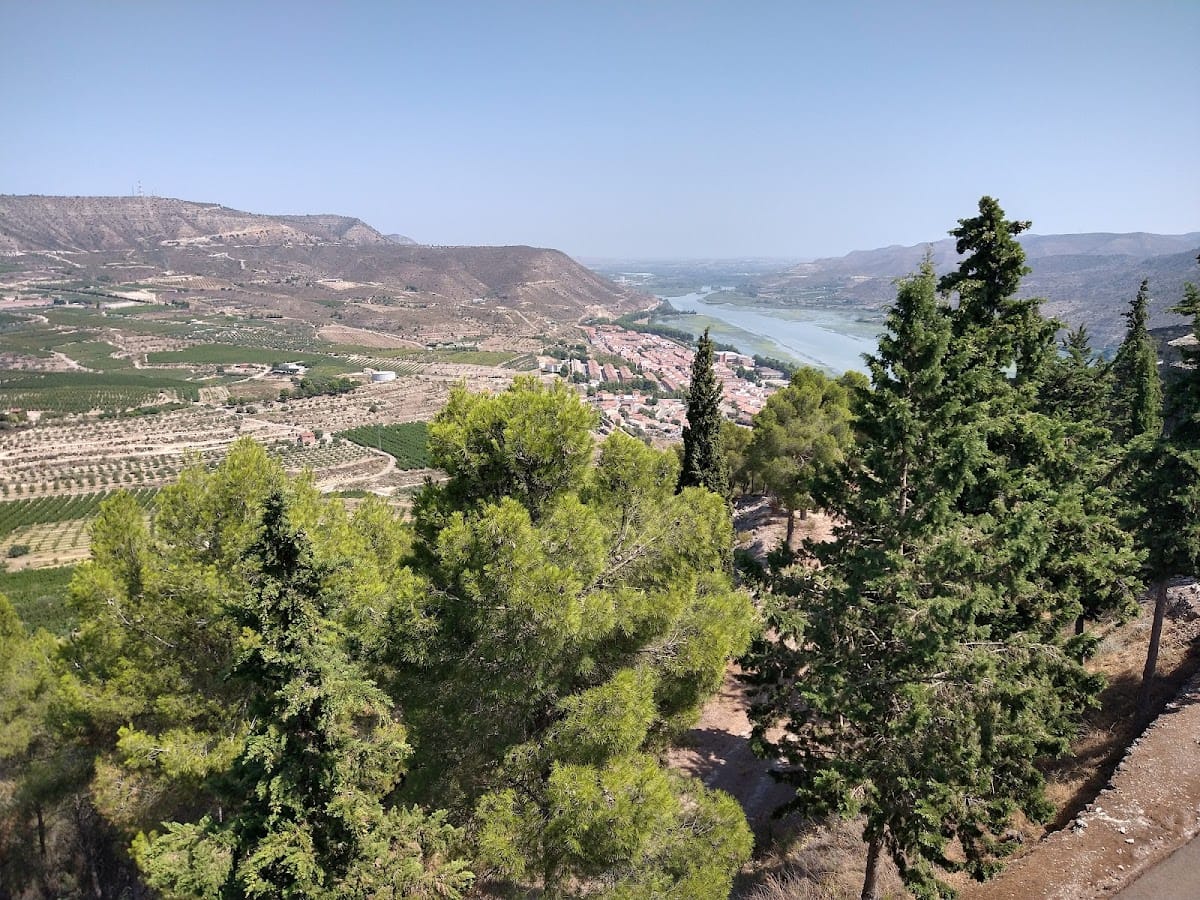
The Castell de Mequinensa is located in the municipality of Mequinenza, Spain. It was constructed by the Moncada family during the 14th and 15th centuries, serving as a palace-castle that overlooks the meeting point of three rivers: the Ebro, Segre, and Cinca.
The site’s origins can be traced back to a Muslim fortress known as Miknasa, described by the Arab scholar Edrisí as a small but strong fortification positioned on the border of Andalus. In 1192, Alfonso II of Aragón granted Mequinensa and its castle to Armengol VII of Urgel. By the 13th century, the castle came under the control of the Moncada family, who later attained the title of Marquises of Aytona in 1581. Following the end of their direct lineage in 1722, the property transferred to the Dukes of Medinaceli.
Throughout its history, the castle played a military role. In 1288, it functioned as a prison for Charles II of Anjou, Prince of Salerno, who was held hostage during disputes over the Sicilian crown. The fortress was also involved in the Catalan rebellion against Philip IV in 1644, providing shelter to the royal army. Later, during the Spanish War of Independence from 1808 to 1814, Mequinensa endured several assaults by French forces. It surrendered to General Suchet after a long siege in 1810, but was recaptured by Spanish troops in 1814. The castle’s capture by the French was honored with an inscription on Paris’s Arc de Triomphe.
In 1816, King Ferdinand VII incorporated both the town and the castle into the royal domain, designating it as a military barracks. This military function continued throughout the 19th century, including during the Carlist Wars, with modifications made to accommodate new military needs such as storage for artillery and living quarters for officials. The castle was eventually abandoned after the Spanish Civil War ended in 1939. Today, it remains preserved under the care of the Fundación ENDESA.
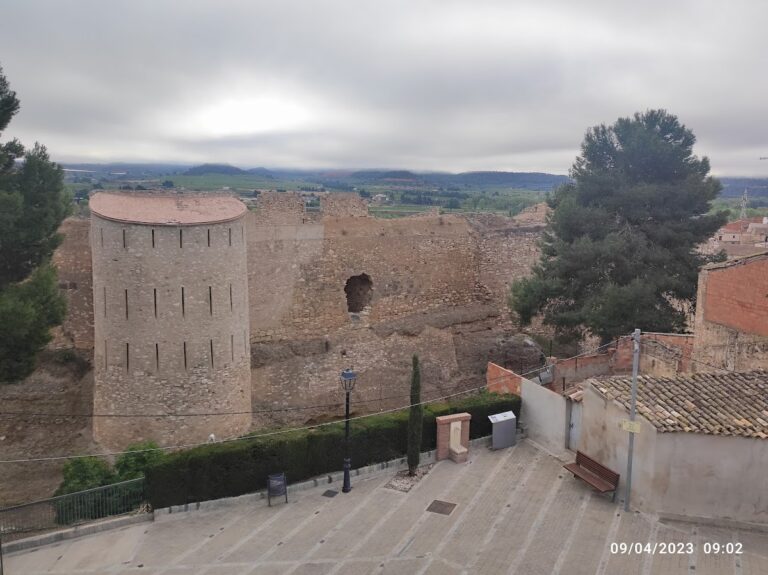
Historically, the castle and the town formed a unified fortified complex. Defensive walls extended from the castle down the hill to encircle the original settlement, which later expanded along the riverbanks after the disappearance of these fortifications. Over the centuries, the castle sustained damage from Saracen raids, medieval conflicts, and warfare during the Spanish War of Independence.
Remains
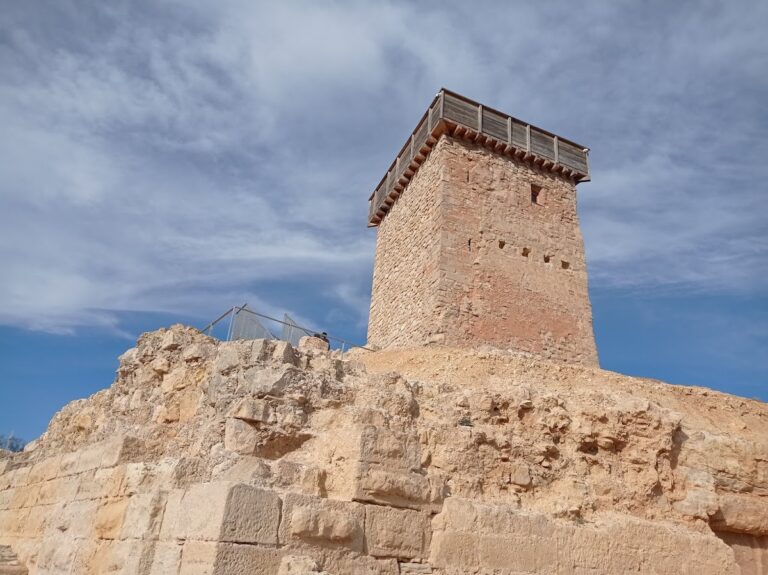
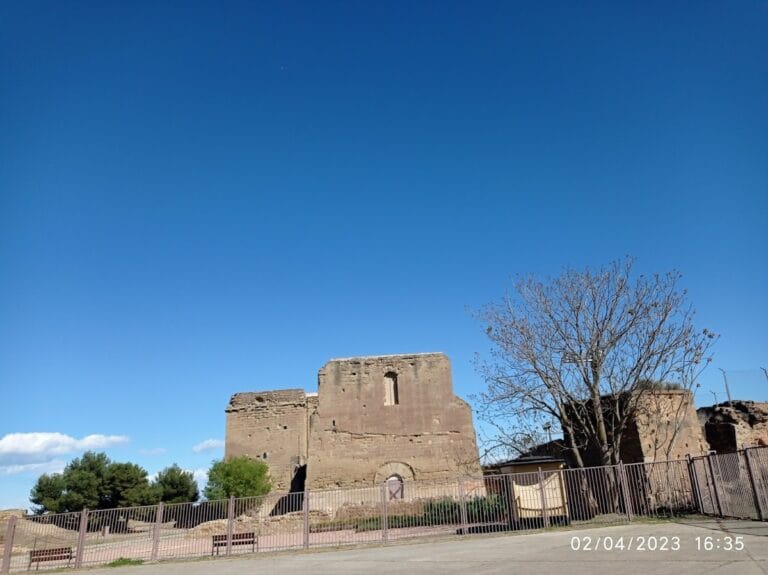
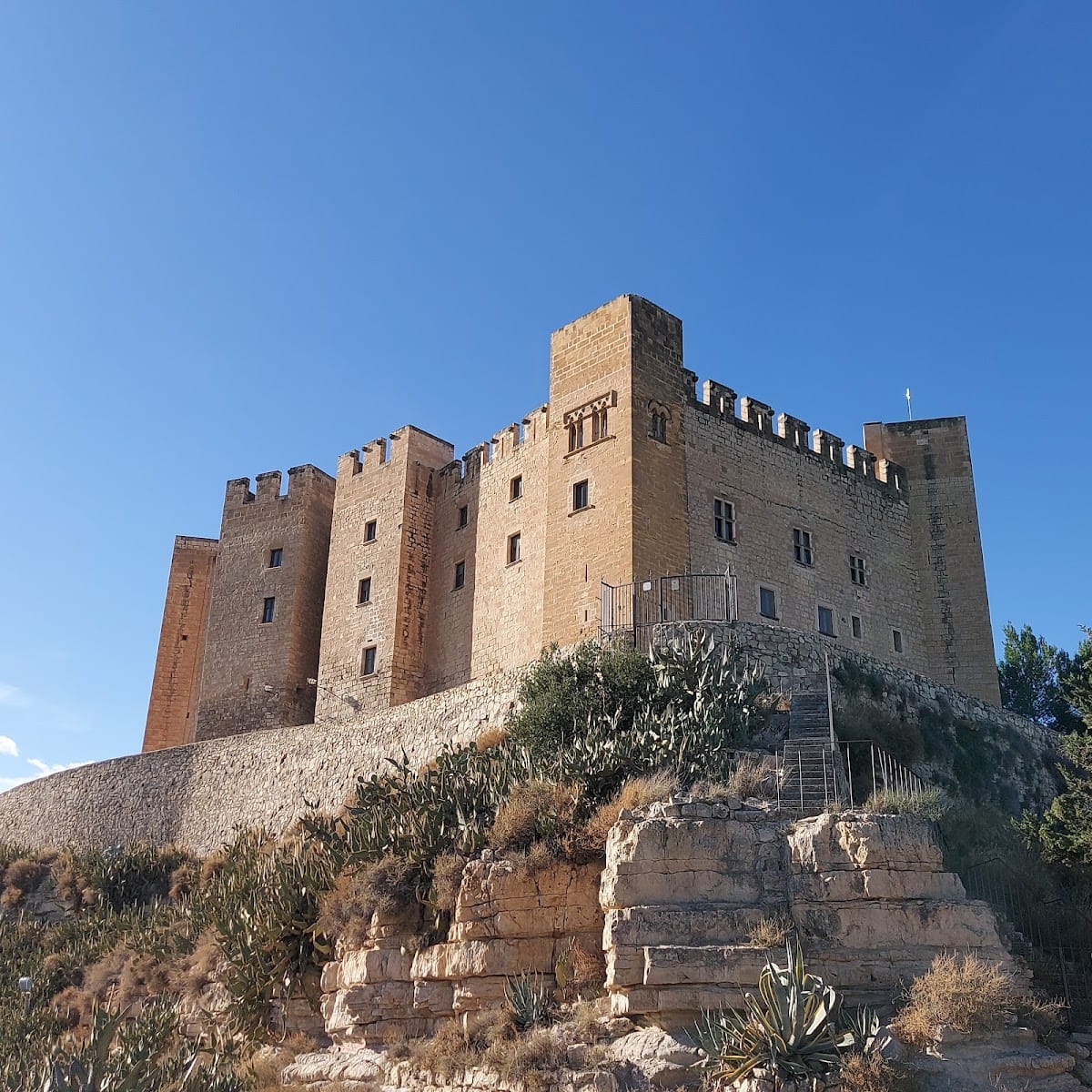
Castell de Mequinensa is laid out on an irregular quadrangular plan, featuring six rectangular towers and a seventh pentagonal tower that was added during 17th-century renovations. The castle occupies a strategic position on a hill rising 185 meters, commanding views over the confluence of the Segre, Cinca, and Ebro rivers. The southern side benefits from natural protection due to a steep slope, where remnants of a descending wall toward the river are still visible. To the north, the castle is safeguarded by an artificial moat that reinforces its defensive perimeter.
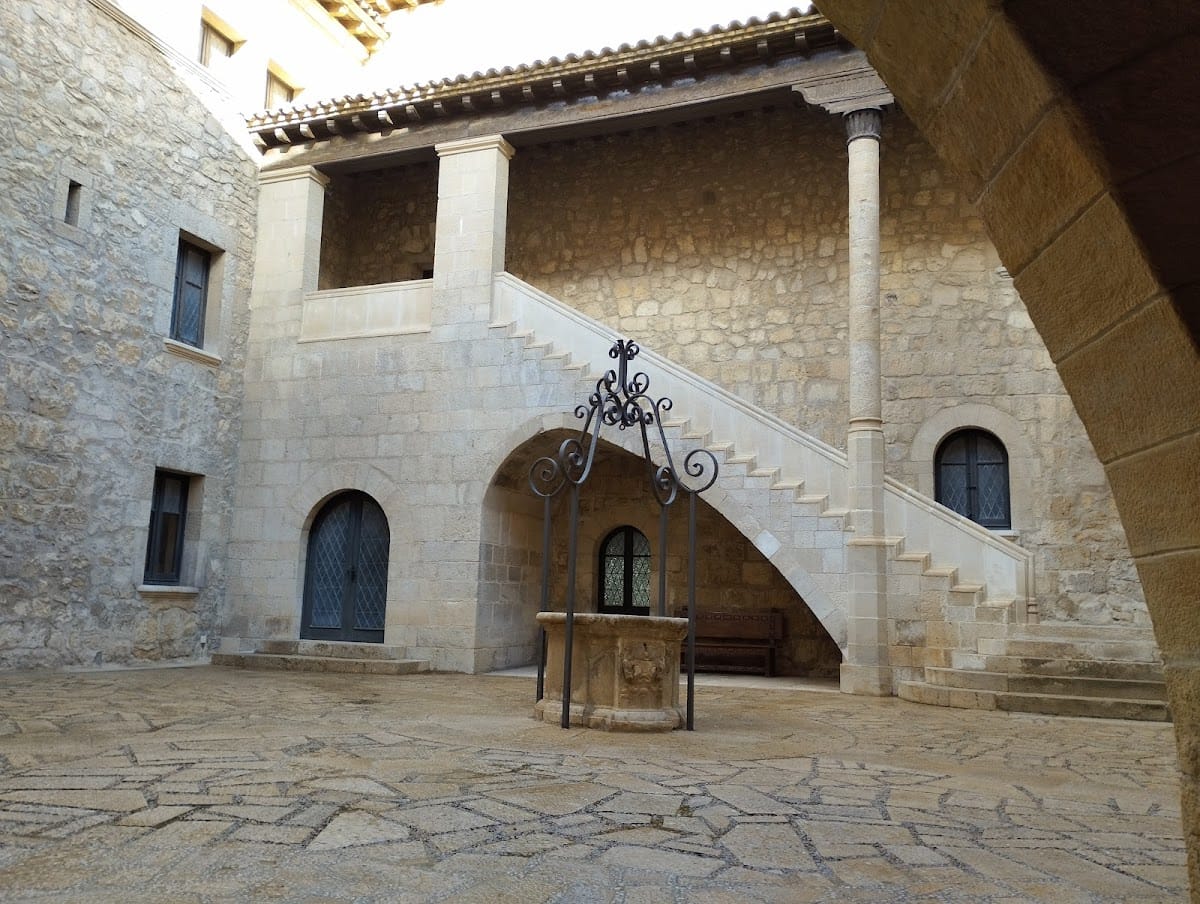
Entry to the fortress is through the southern side via a semicircular archway flanked by two towers. Above this gate, visitors can observe the coat of arms belonging to the Moncada family, marking the castle’s historic owners. Inside, the structure is organized around a central open courtyard with rooms distributed along its edges. A notable feature within is a cistern carved directly into the rock, providing water storage for the inhabitants.
The western wing contains a large hall which once housed the castle’s chapel. This room is supported by massive diaphragm arches—arched walls that bear the weight of the roof—which upheld wooden beams spanning the ceiling. On the southern side, three pointed arches open onto the courtyard, while the northern wing features an internal staircase leading to the upper floor. Among the rooms upstairs is the armory, notable for its pointed barrel vault ceiling, a curved structure that helps distribute weight evenly.
The castle’s exterior defences reflect adaptations made to meet evolving military strategies up until the early 20th century, evidencing modern influences in its design. Historical measurements describe the longest side as approximately 29.5 meters, with the shortest around 23 meters, and an overall height near 7.7 meters. Towers occupy every corner, none significantly taller than the others, contributing to a balanced fortification profile.
Over time, the building suffered damage including partial collapses of roofs and walls. However, restoration efforts have ensured that the castle is now in very good condition, preserving its medieval and early modern architectural character for study and appreciation.
Nearby sites