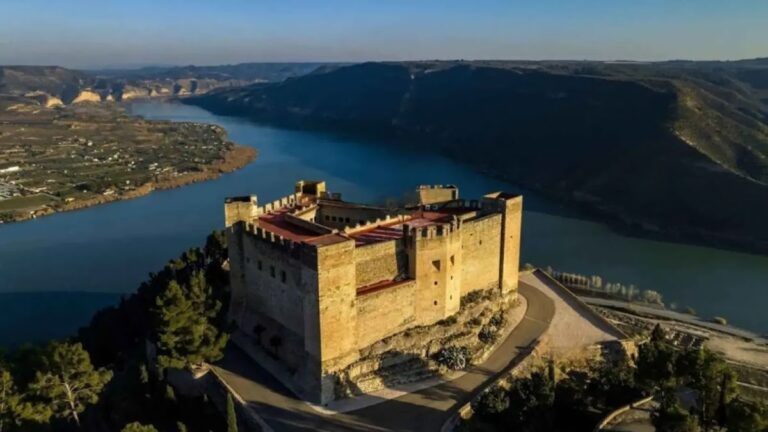
Castle of Maella: A Medieval Fortress and Sixteenth-Century Palace in Spain



Site at a Glance
- Rating
- 4.3
- Popularity
- Very Low
- Country
- Spain
- Primary era
- Early Modern
- External website
- Open
- Eras represented
- Early Modern
- Civilizations
- Crown of Aragon, Spanish
- Site type
- Domestic
- Remains
- Palace
On this page8 sections
History
Medieval Origins and Calatrava Ownership
The Castle of Maella is a medieval fortress in Spain, located at the elevated edge of the town of Maella in Zaragoza. It belonged to the Order of Calatrava from the thirteenth through the fifteenth centuries. The Order of Calatrava was a Catholic military order that held territory and maintained fortified religious and military institutions in the Iberian Peninsula.
Transformation into a Palace
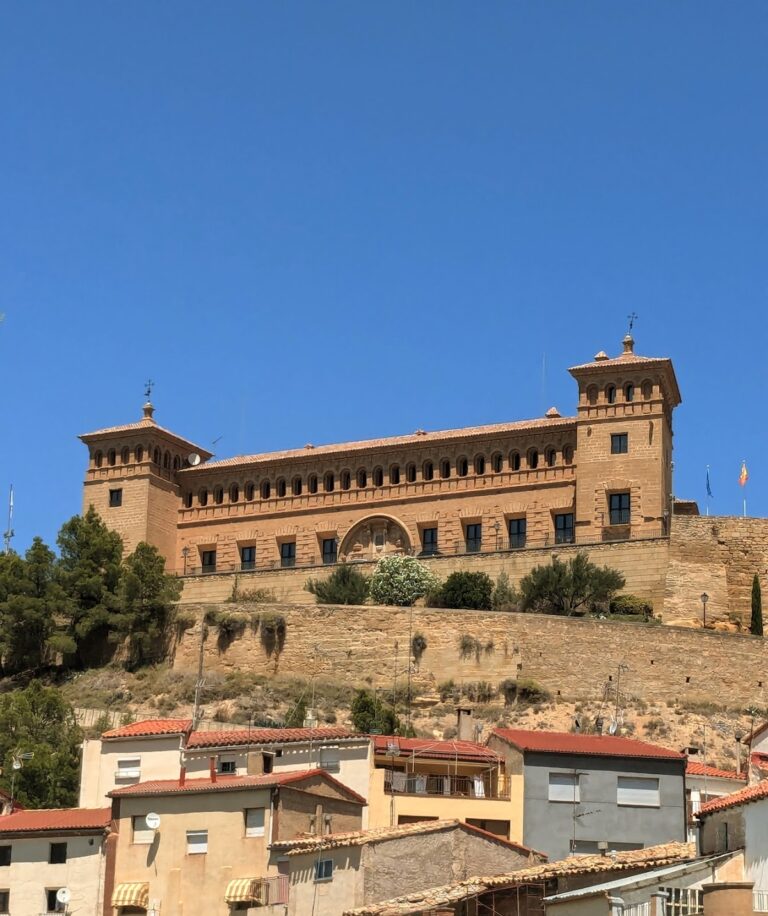
After passing through different owners, the castle was converted into a palace during the sixteenth century. The surviving building belongs to this later phase rather than to the castle’s earliest medieval form. It subsequently came into the possession of the Abarca de Bolea family, whose title as Counts of Aranda gave the site its alternative name, Castle of the Count of Aranda.
Destruction and Heritage Protection
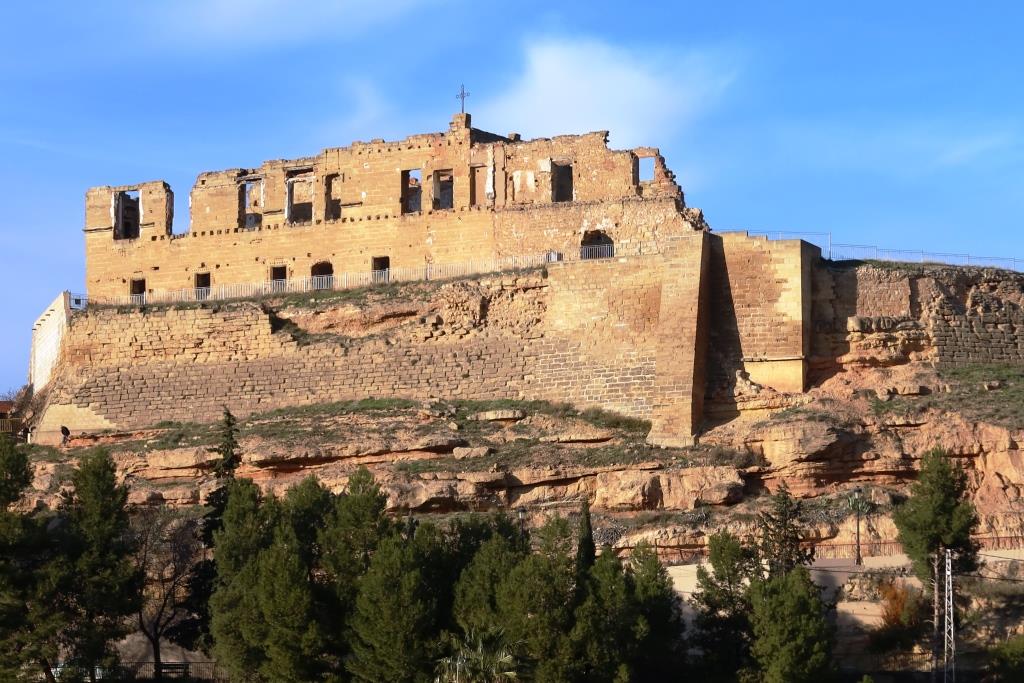
The castle was destroyed during the Carlist Wars, nineteenth-century Spanish civil conflicts caused by rival claims to the monarchy and competing political visions. Its ruined remains now have formal protection as an Asset of Cultural Interest, a Spanish designation for places considered to possess significant cultural value. The designation was resolved on 17 April 2006 and published on 22 May 2006. The castle was also added to Spain’s Red List of endangered heritage on 2 December 2007.
Remains
Palace and Defensive Enclosure
Sixteenth-Century Palace
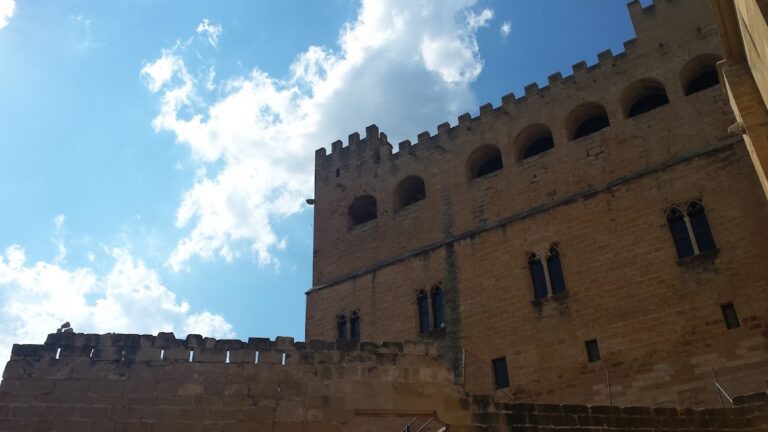
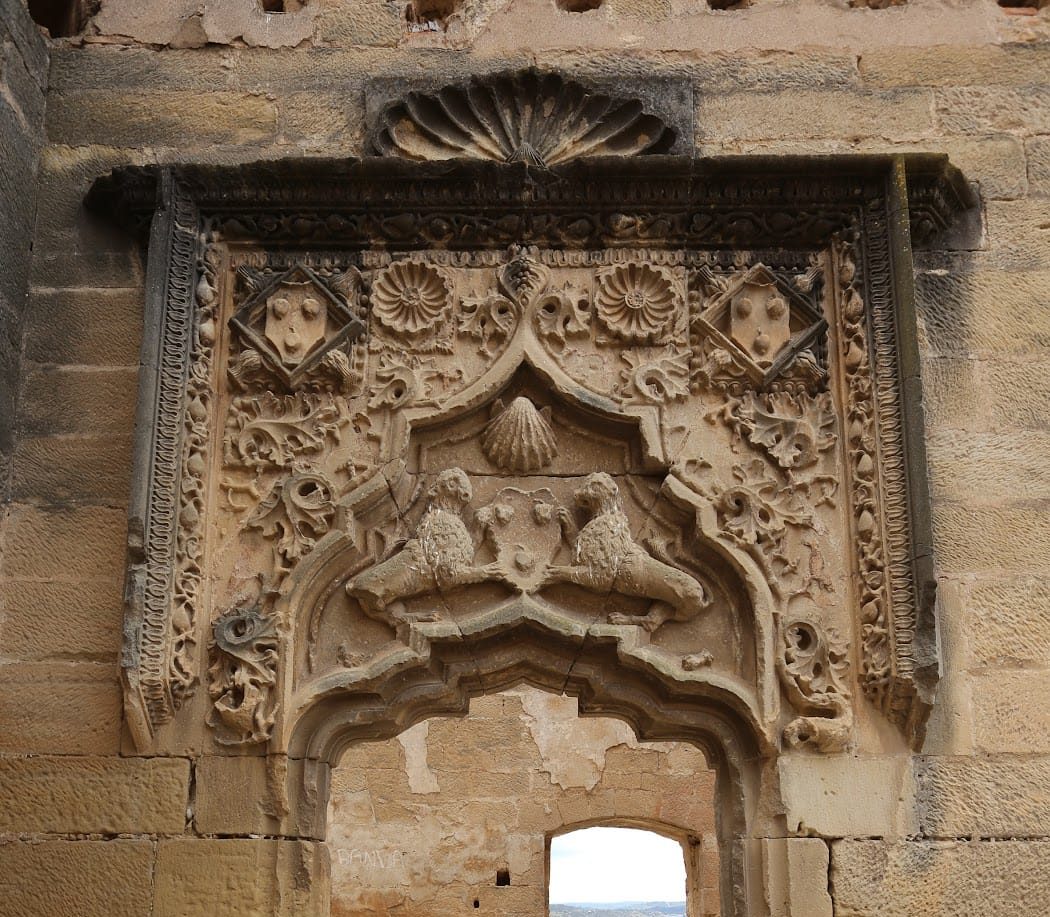
The main surviving structure is a square palace of approximately 20 metres on each side. It has two storeys arranged around a central courtyard. Its late-Gothic doors preserve arches of different types. Late Gothic was the final phase of medieval Gothic architecture, marked by the continued use of pointed arches and increasingly elaborate forms.
Curtain Wall and Towers
Outside the palace are remains of a curtain wall, a defensive enclosing wall, accompanied by semicylindrical towers. Together, these fragments preserve part of the relationship between the later palace and the earlier fortified complex. The castle stands in the elevated part of Maella, at one end of the settlement.
The site is in very poor conservation condition and is close to collapse. The surviving palace and defensive remains therefore represent a fragile physical record of Maella’s medieval fortress and its sixteenth-century conversion.