Burg Holtzbrinck: A Historic Civic Center in Altena, Germany
Visitor Information
Google Rating: 4.7
Popularity: Very Low
Country: Germany
Civilization: Early Modern, Modern
Site type: Military
Remains: Castle
History
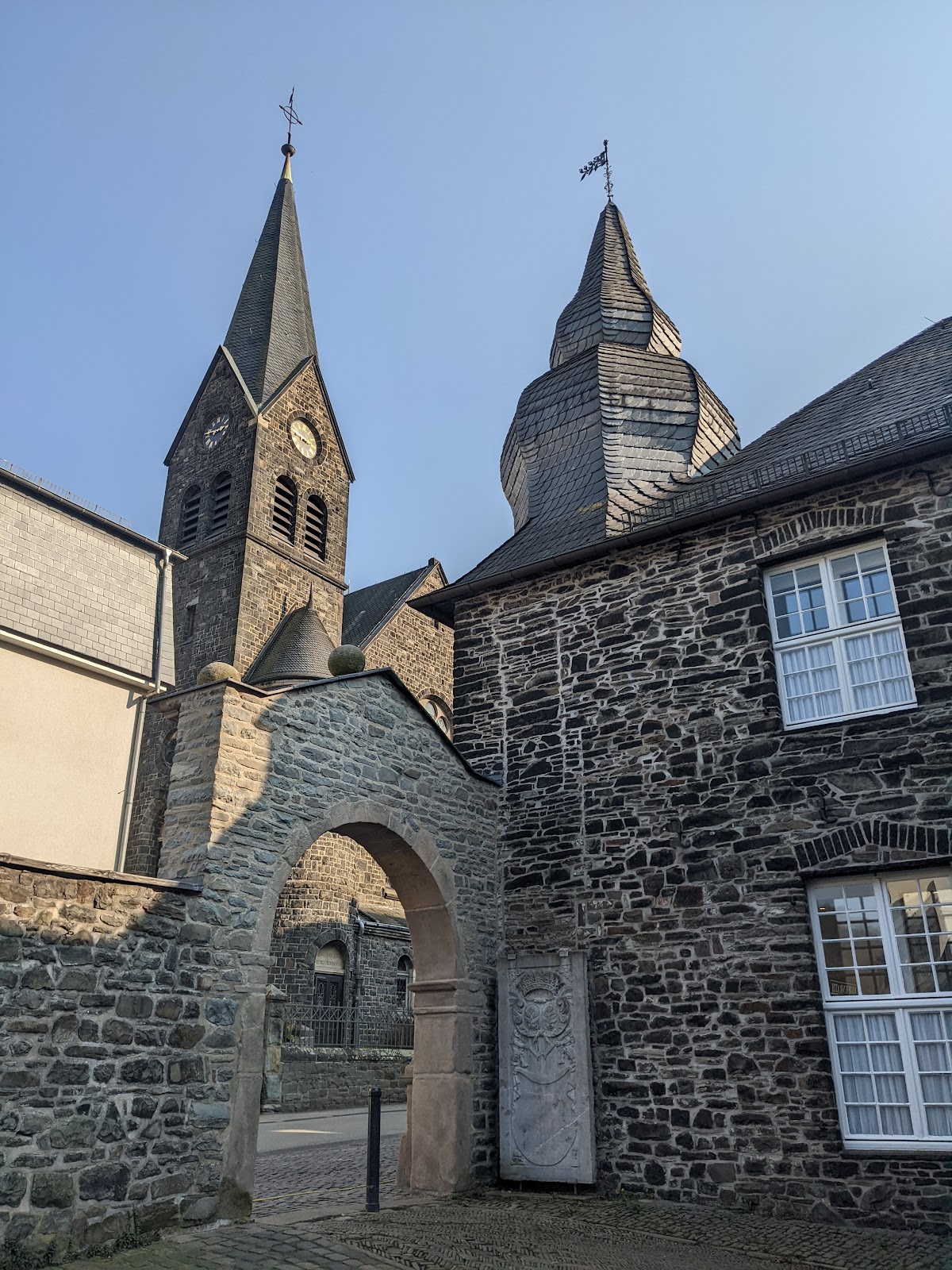
Burg Holtzbrinck is located in the city of Altena, Germany. This historic building traces its origins back to at least the 16th century, constructed during the late medieval or early modern period in the region. It was initially part of the civic landscape of Altena, serving as a prominent local residence.
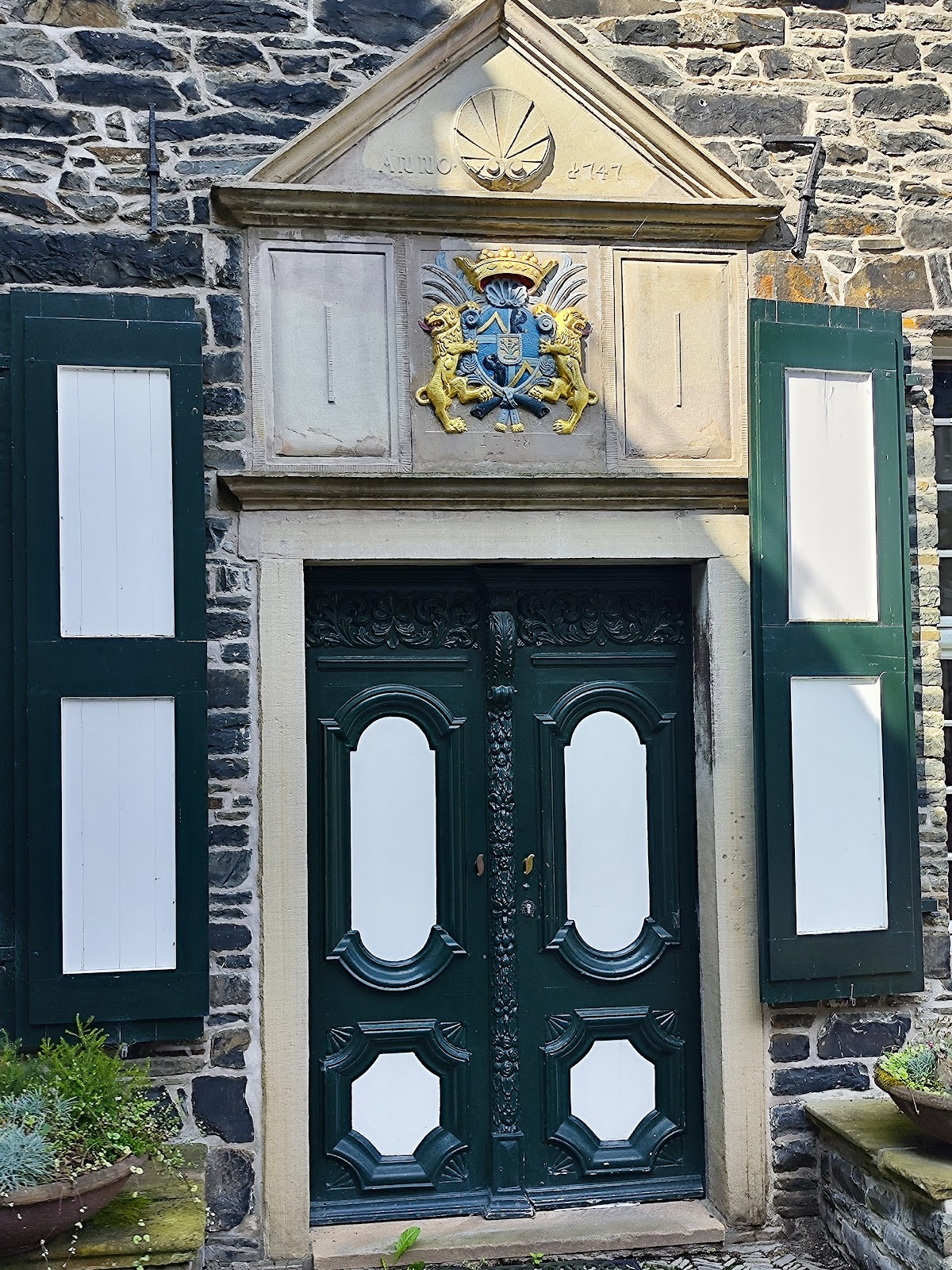
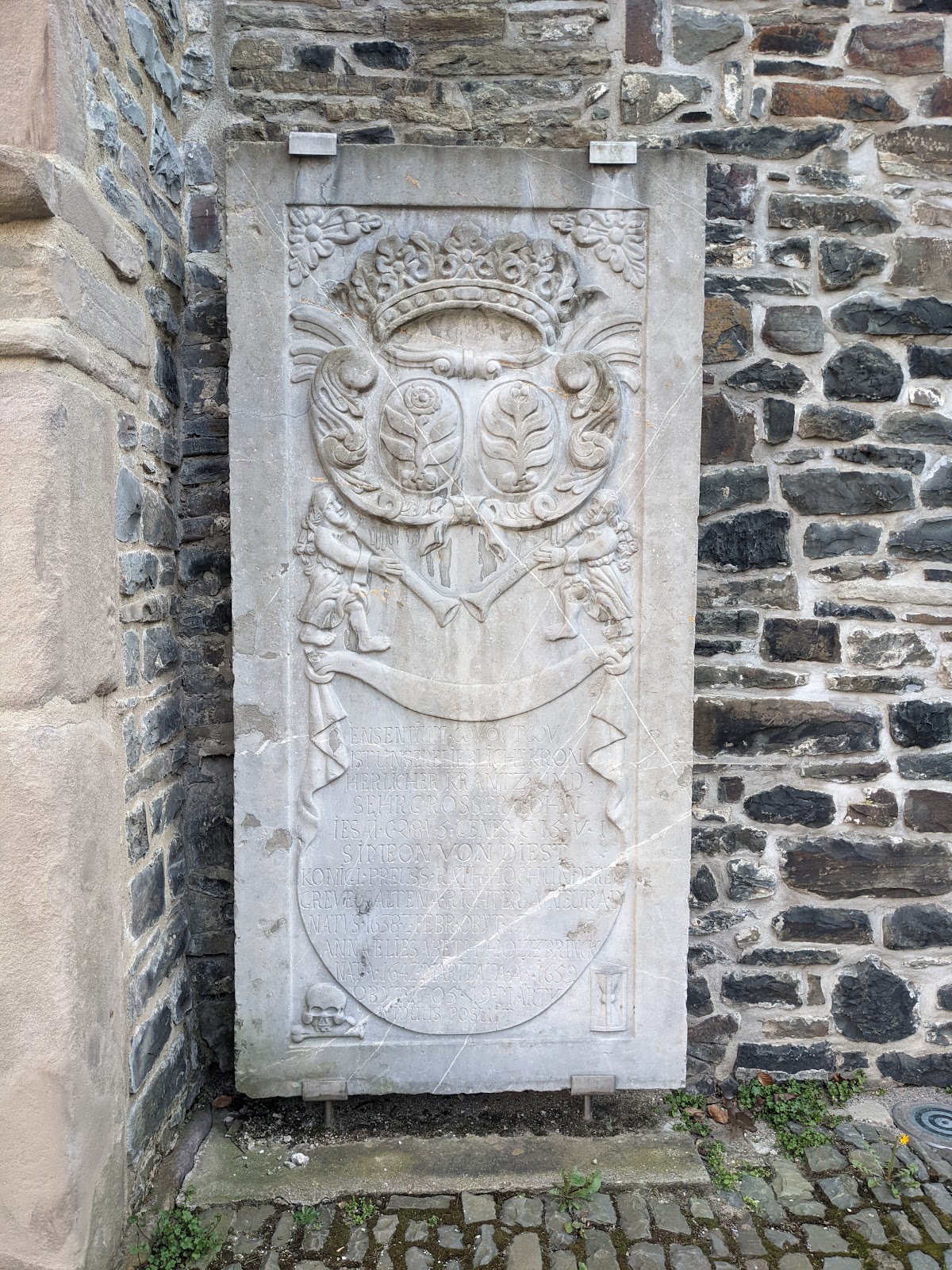
The first recorded mention of the building dates to 1643, when it was acquired by Georg Holtzbrinck, a city official with the titles Rentmeister and Freigraf. Following his death in 1664, ownership passed to his son, Stephan Johann Holtzbrinck. Between 1673 and 1689, Stephan Johann undertook extensive renovations and expansions that largely shaped the building’s present appearance.
Ownership remained within the Holtzbrinck family until the late 19th century. In 1894, through marriage to Louise Eva Anna von Holtzbrinck, Hans von Carlowitz became the new proprietor. Hans von Carlowitz’s second wife, Elfriede, later initiated restoration efforts and adapted parts of the estate, such as former stables and service areas, converting them into residential apartments.
In 1972, Elfriede von Carlowitz sold the estate to the city of Altena. The municipality embarked on a careful restoration project aimed at preserving the historical character of the building, completing the work in the mid-1970s. By 1976, Burg Holtzbrinck was officially designated as a civic center, providing a multifunctional public venue.
During the early 1980s, further urban development took place near the building. A subterranean parking garage was built directly in front of Burg Holtzbrinck, and above this underground structure, a garden fashioned in the Rococo style was created. The building’s residential apartments, originally converted from stables, were later noted in contemporary literature by Günter Wallraff, who highlighted the challenging living conditions experienced by some occupants.
Remains
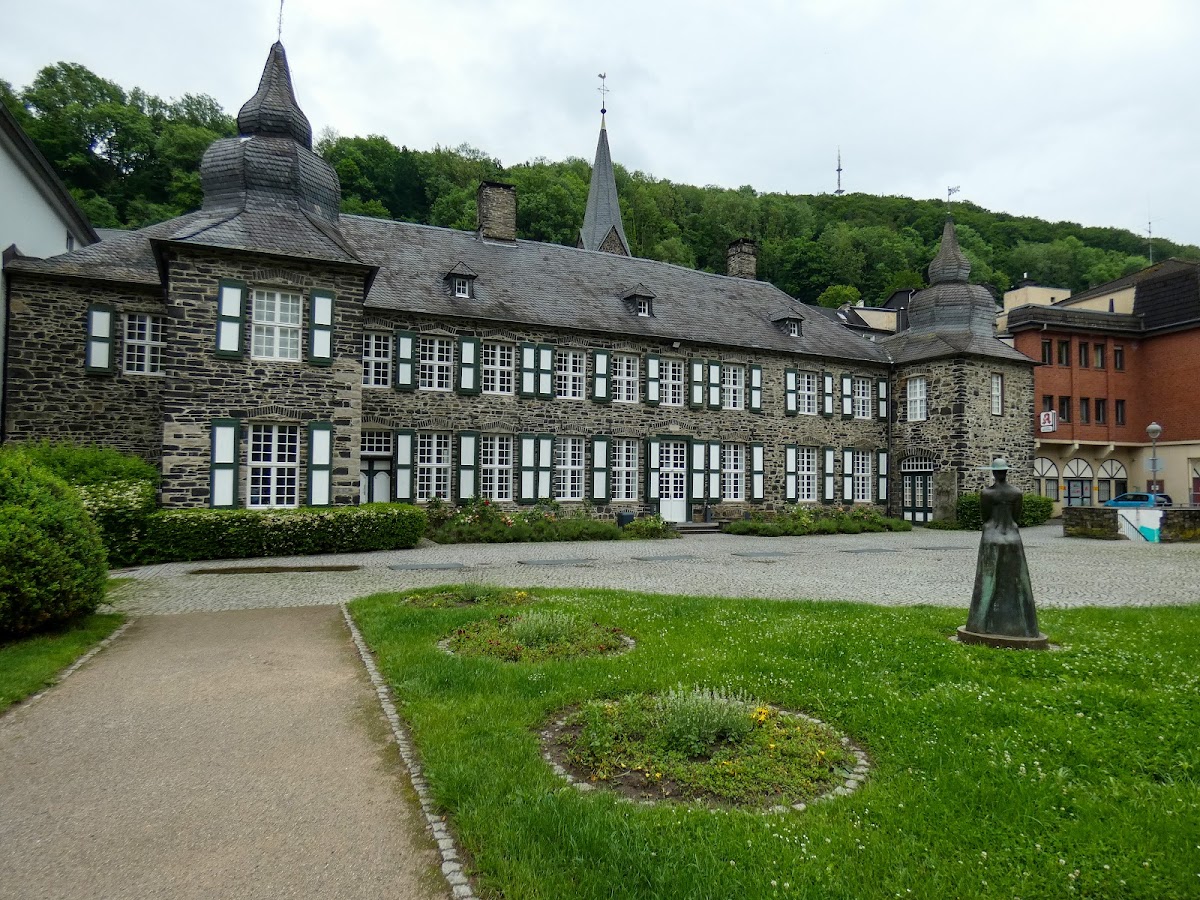
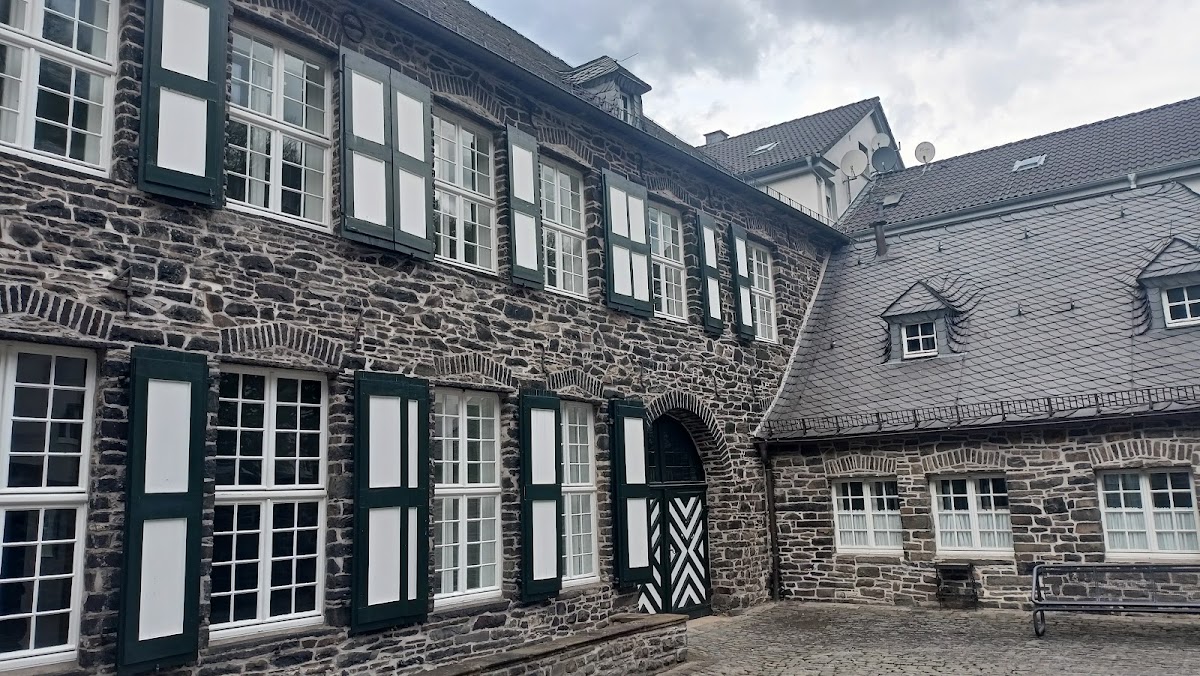
Burg Holtzbrinck presents a fortress-like design, reflective of its name which translates to “castle.” This architectural style emphasizes a strong and sturdy form, consistent with residences from the 16th century onwards that conveyed a sense of protection and status. The structure embodies alterations made over several centuries while maintaining its historical character.
Inside, the building contains a variety of rooms adapted for public and private functions. A main meeting area has been arranged to accommodate about 60 people and includes practical amenities such as a bar and a kitchen. This multifunctional space supports the building’s role as a civic center.
Additional notable rooms include the Blue Room, designated for wedding ceremonies and seating up to 10 guests, providing an intimate atmosphere. The Fireplace Room serves a mid-sized gathering, holding 30 people around a hearth that likely contributes warmth and ambiance. The largest interior space, the Georg-von-Holtzbrinck Hall, offers accommodation for up to 160 individuals, suitable for larger events.
The garden fronting the building is designed in the Rococo style, a decorative art movement characterized by elaborate ornamentation and elegance. This garden was established on the roof of an underground parking facility constructed between 1980 and 1981, integrating modern infrastructure discreetly beneath landscaped grounds.
Extensive restoration efforts by the city have preserved much of the building’s original form while allowing adaptations for contemporary civic use. Elements such as the residential apartments, originally converted from utility buildings by Elfriede von Carlowitz, remain part of the complex and have been subjects of social documentation, reflecting their unique history within the site.
Overall, Burg Holtzbrinck stands as a layered historic structure, combining its 16th-century origins with later architectural interventions and modern urban adaptations. Its combination of fortress-like preservation and versatile interior spaces demonstrates an ongoing commitment to maintaining both its heritage and functional relevance within Altena.
Nearby sites