Burg Dreieichenhain: A Medieval Castle in Dreieich, Germany
Visitor Information
Google Rating: 4.6
Popularity: Medium
Country: Germany
Civilization: Early Modern, Medieval European
Site type: Military
Remains: Castle
History
Burg Dreieichenhain is a medieval castle located in the town of Dreieich in modern-day Germany. It was originally established by the ruling Holy Roman Empire as an administrative center to oversee the nearby imperial forest known as the Wildbann Dreieich.
Although local legend attributes an earlier hunting lodge on the site to Charlemagne in the 9th century, historical records indicate that the castle itself was built during the first half of the 11th century, in the Salian dynasty period. The earliest known official connected to the castle was Eberhard von Hagen, who served as imperial reeve in 1076 and, around 1080, constructed a substantial five-story residential tower on a small island within the Hengstbach stream. This tower became the heart of the developing fortress.
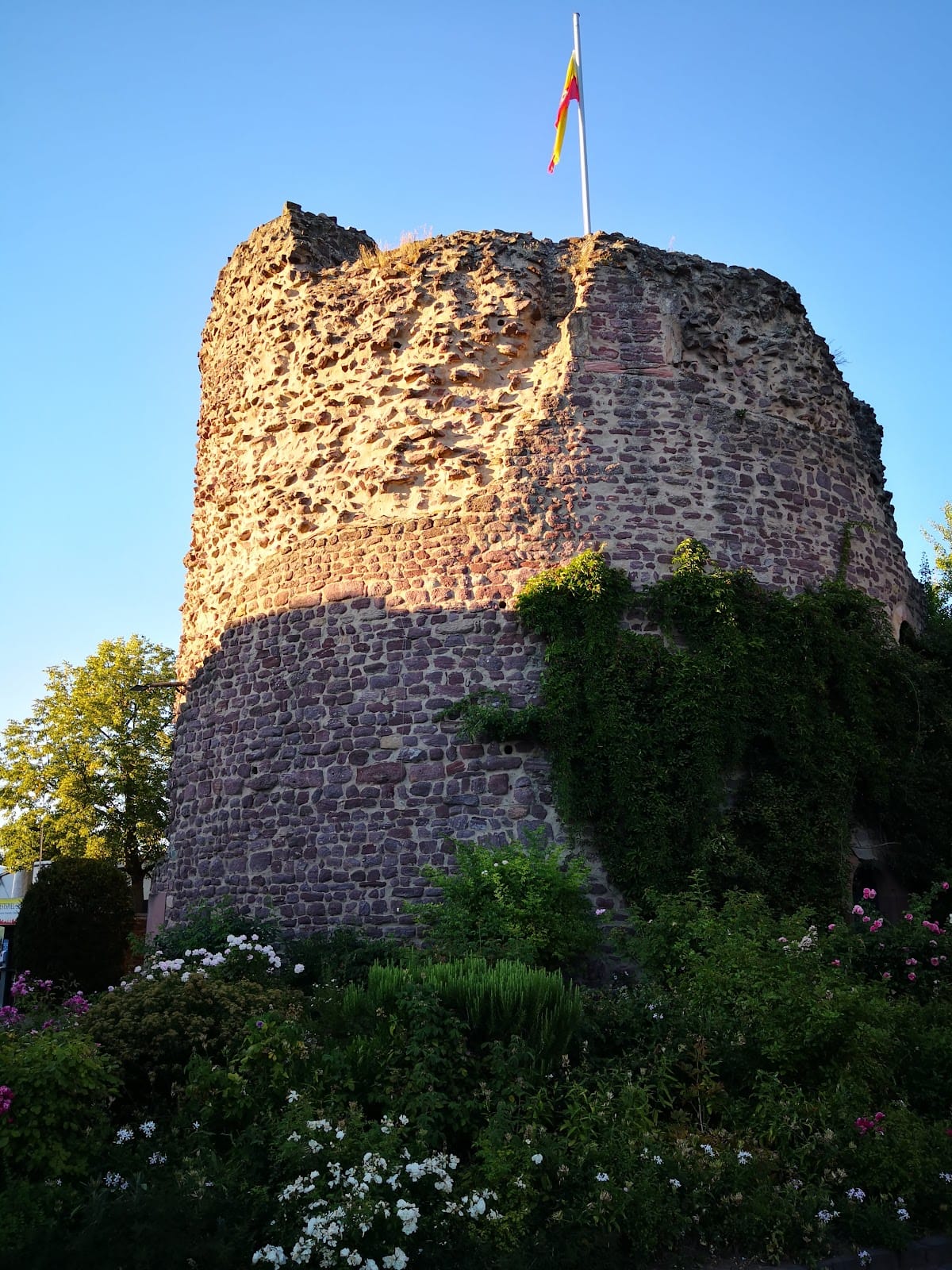
During the late 12th century, under the influence of the Staufer dynasty, the castle saw significant expansion. New defensive and residential structures were added, including a round bergfried (a tall tower used for defense), a Romanesque great hall called a palas, and a chapel dedicated to Saint Pancras. Around this time, the castle became the ancestral seat of the influential von Hagen-Münzenberg family.
After the death of the last von Hagen-Münzenberg heir in 1255, Burg Dreieichenhain transitioned into a Ganerbenburg, a type of castle jointly owned by multiple noble families. By 1286, the von Falkenstein family had become the dominant owners. They expanded the castle’s living spaces, improved the church, established a school nearby, and constructed a residence for the castle guards known as the Burgmannen.
The name Hayn, referring to the settlement around the castle, appears in records from 1256 onwards. This small community mainly housed officials who managed the imperial hunting grounds. In 1460, a fire destroyed the original Salian residential tower. Subsequently, control passed to the Counts of Isenburg, who completed their acquisition by 1701. They added late Gothic-style features before ceasing to use the castle as a residence.
Throughout the 18th century, the castle fell into disuse and was partially dismantled for its stone, which was repurposed for local construction projects such as roads. The main residential tower collapsed in 1750, leaving only a high wall standing. In the 20th century, ownership passed to a local history association that preserved the ruins, which now include a museum and host cultural events. Burg Dreieichenhain remains a protected heritage site and is considered one of the best-preserved secular castles from the Salian era in Germany.
Remains
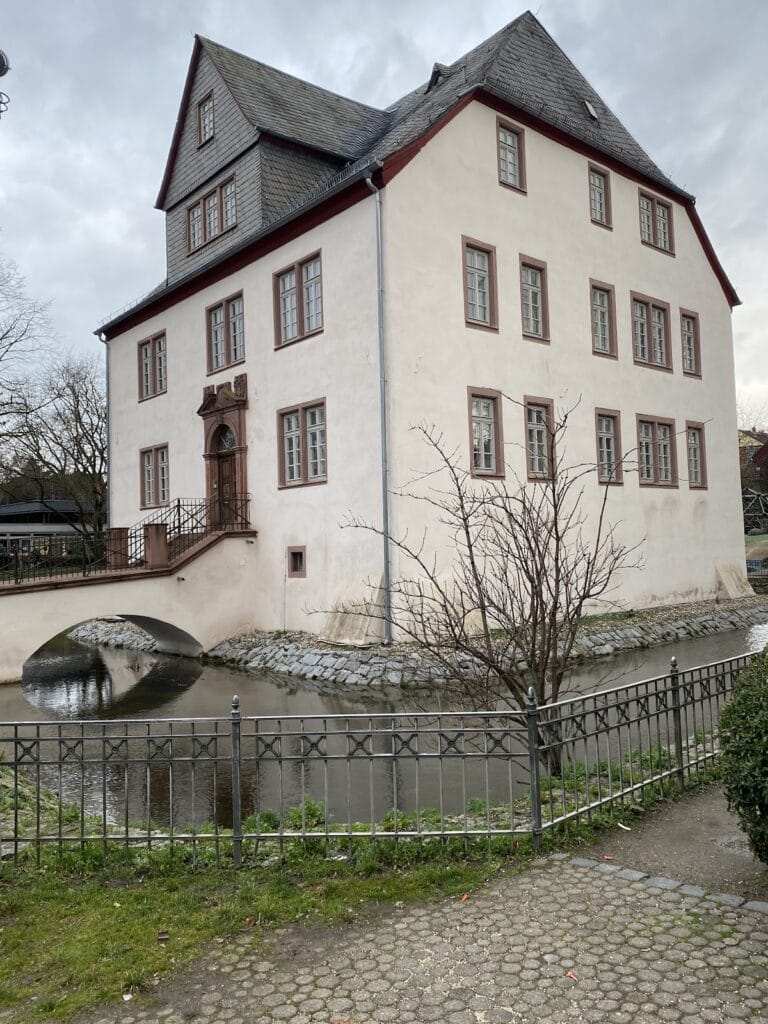
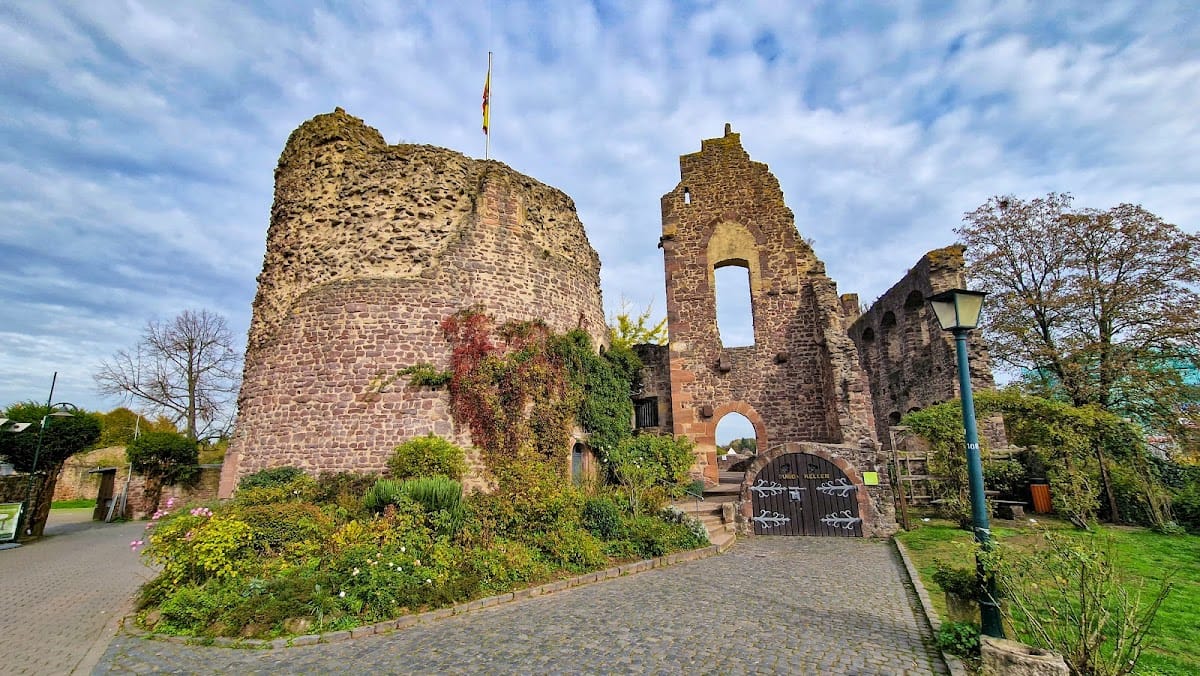
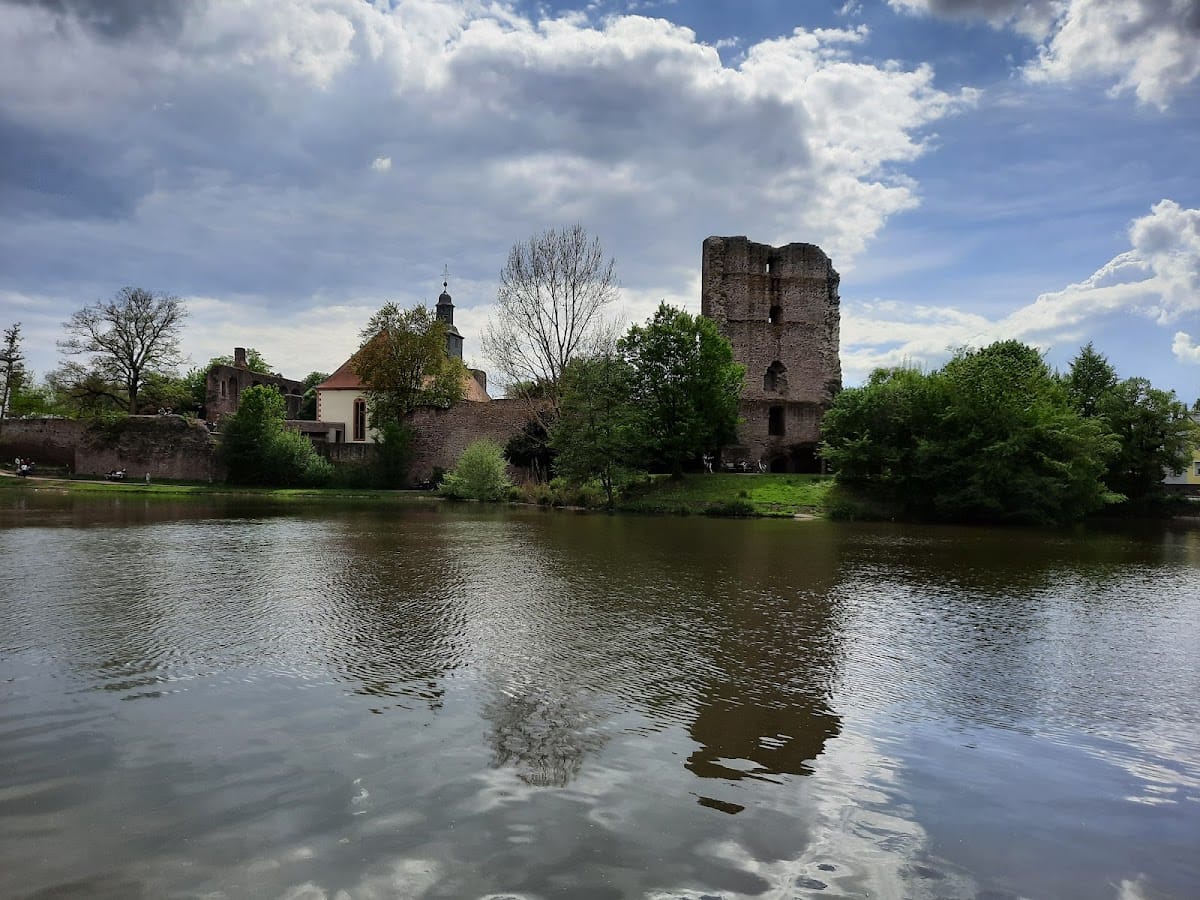
The ruins of Burg Dreieichenhain reveal a well-planned medieval fortress built primarily from stone and surrounded by a broad, water-filled moat. The castle’s layout originally centered on a small island in the Hengstbach stream, making use of the natural water barrier for defense. The fortress was enclosed by a high curtain wall, incorporating multiple buildings essential for daily life and governance.
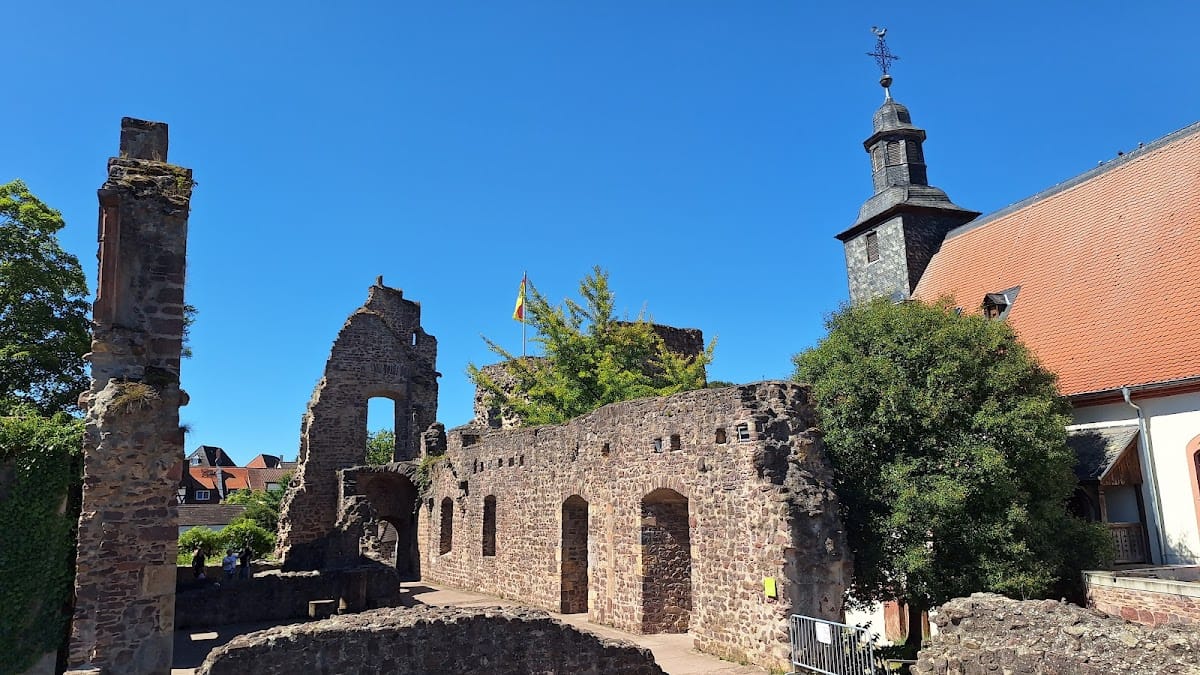
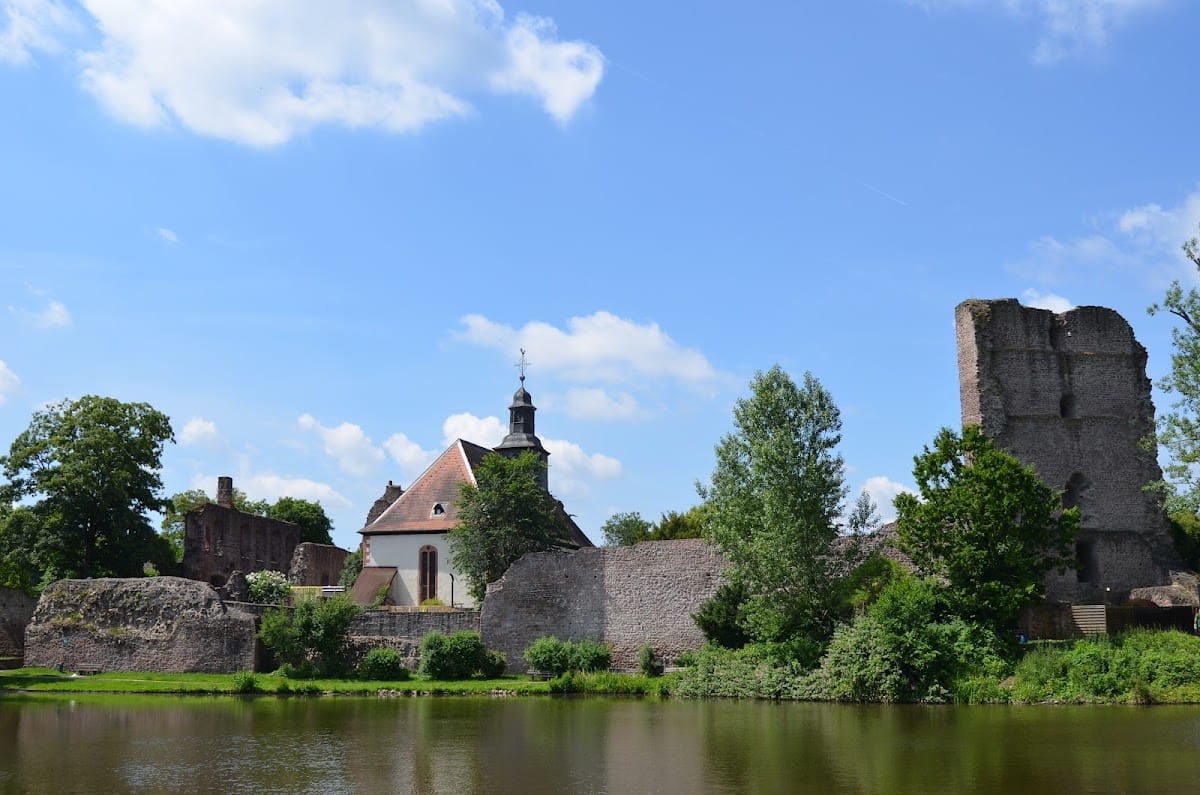
One of the earliest and most prominent features was the five-story residential tower constructed around 1080. This tower rested on a 30 by 40-meter island and rose approximately 25 meters high. Its walls were nearly three meters thick at the base, indicating its defensive purpose as well as its residential function. After the fire of 1460, this tower mostly collapsed by 1750, with only a 22-meter-long fragment of wall remaining today.
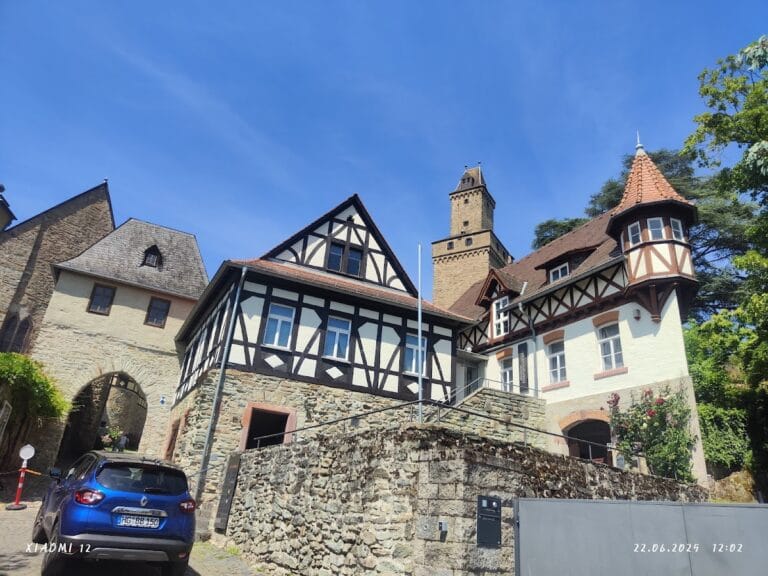
Expansions during the late 12th century added a round bergfried, which served as a fortified keep, and a Romanesque palas, or great hall, both constructed as stone buildings within the castle walls. The chapel dedicated to Saint Pancras, originally Romanesque in style, was an important religious feature of the complex. Later, around 1300, this chapel was replaced by a small hall church built in the early Gothic style. After a fire in 1669 destroyed this church, it was rebuilt and consecrated in 1718; it now includes later renovations such as a sacristy added for its 300th anniversary.
Beyond the main fortifications, additional structures supported the castle’s administrative and hunting functions. These included stables for horses and kennels for hunting dogs, as well as a manor estate known as a Fronhof where the castle’s officials and Burgmannen lived and worked. The Burgmannen’s house, expanded during the late medieval period particularly by the Bellersheim family, was part of this support network.
Today, the ruins of the palas and the round bergfried remain visible within the site, providing insight into the castle’s size and layout. The surviving western curtain wall and the adjacent historic garden serve as the atmospheric backdrop for ongoing cultural activities. The site also houses the Dreieich-Museum, which preserves and presents the local history connected to the castle and its surrounding settlement.
Nearby sites