Vilbel Castle: A Medieval Water Castle in Germany


Site at a Glance
- Rating
- 4.6
- Popularity
- Low
- Country
- Germany
- Primary era
- Medieval
- External website
- Open
- Eras represented
- Medieval, Early Modern
- Civilizations
- Holy Roman Empire
- Site type
- Military
- Remains
- Castle
On this page6 sections
History
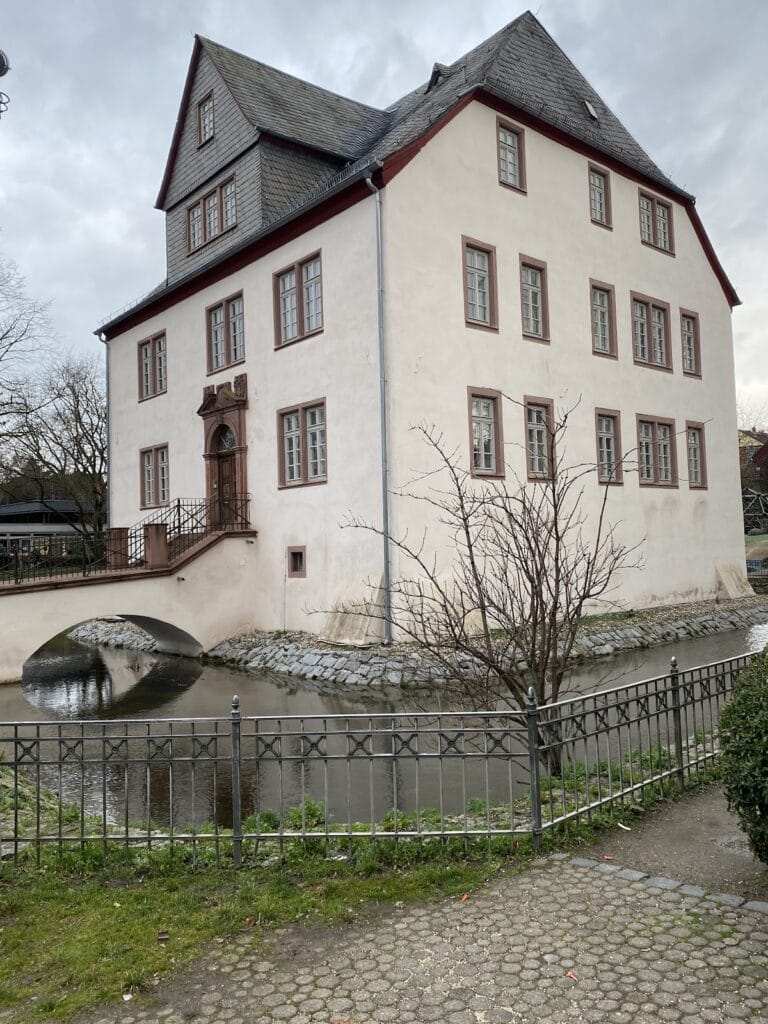
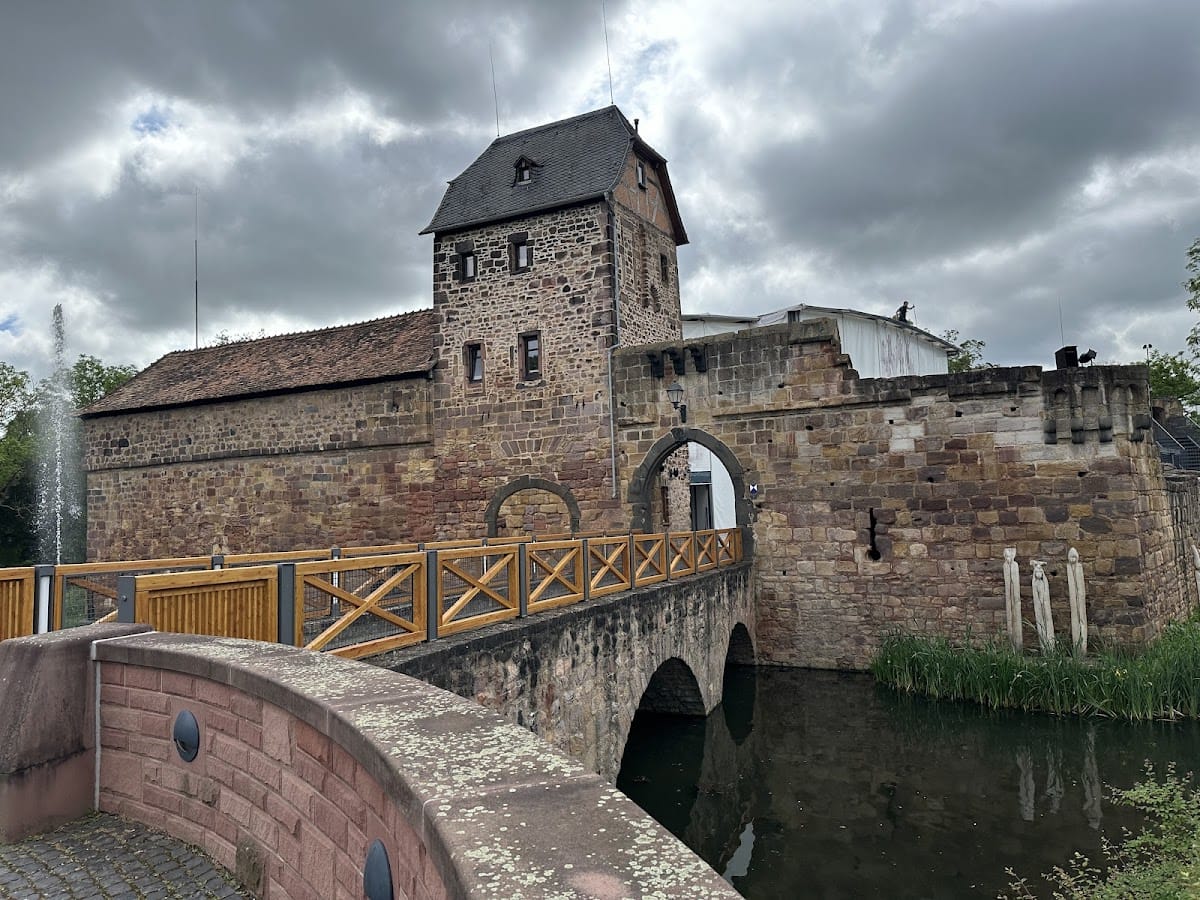
Vilbel Castle is a ruined lowland water castle in Bad Vilbel, Germany, built during the twelfth or thirteenth century as an aristocratic fortification. Its surviving fabric reflects medieval rebuilding and later early-modern strengthening. The settlement of Vilbel was first mentioned in 774, when a deed of donation recorded its transfer to Lorsch Abbey, a major medieval monastery in the Rhine and Main region.
Medieval origins and rebuilding
The present castle was constructed on the Nidda as a fortification protected by surrounding water. A raised-earth motte-and-bailey castle may have occupied the site earlier, although this possible predecessor is not certain. In 1399, Count Ulrich V of Hanau and Philipp of Falkenstein besieged and destroyed the castle after robberies attributed to its lord, Bechtram V of Vilbel. Bechtram was executed in 1420.
The damaged stronghold was renewed between 1409 and 1414. This rebuilding belongs to the period when the castle took its surviving fifteenth-century form, making it a rare example of a fifteenth-century water castle in Hesse.
Early-modern administration
In 1503, Vilbel Castle passed to the Eppstein family, a noble family that held lands and offices in the German territories. From 1590 to 1803, it served as an administrative seat of Electoral Mainz, the territory governed by the archbishops-electors of Mainz. During this period, the castle was renewed and strengthened in both the sixteenth and eighteenth centuries.
Destruction and later use
French Revolutionary troops under General Jean-Baptiste Kléber destroyed the castle in 1796 during events associated with the Battle of Friedberg. The site has remained a ruin since that destruction.
After the city of Bad Vilbel acquired the castle, the ruin housed a local history and well museum from 1955 to 2017. Performances of the annual Bad Vilbel Castle Festival have taken place in the castle courtyard since 1987. The ruin is protected as a Hessian cultural monument because of its historical value, particularly its rare surviving example of a fifteenth-century water castle in Hesse. On 10 July 2024, a corner of the castle wall on the side facing away from the public broke away.
Remains
Water setting and castle fabric
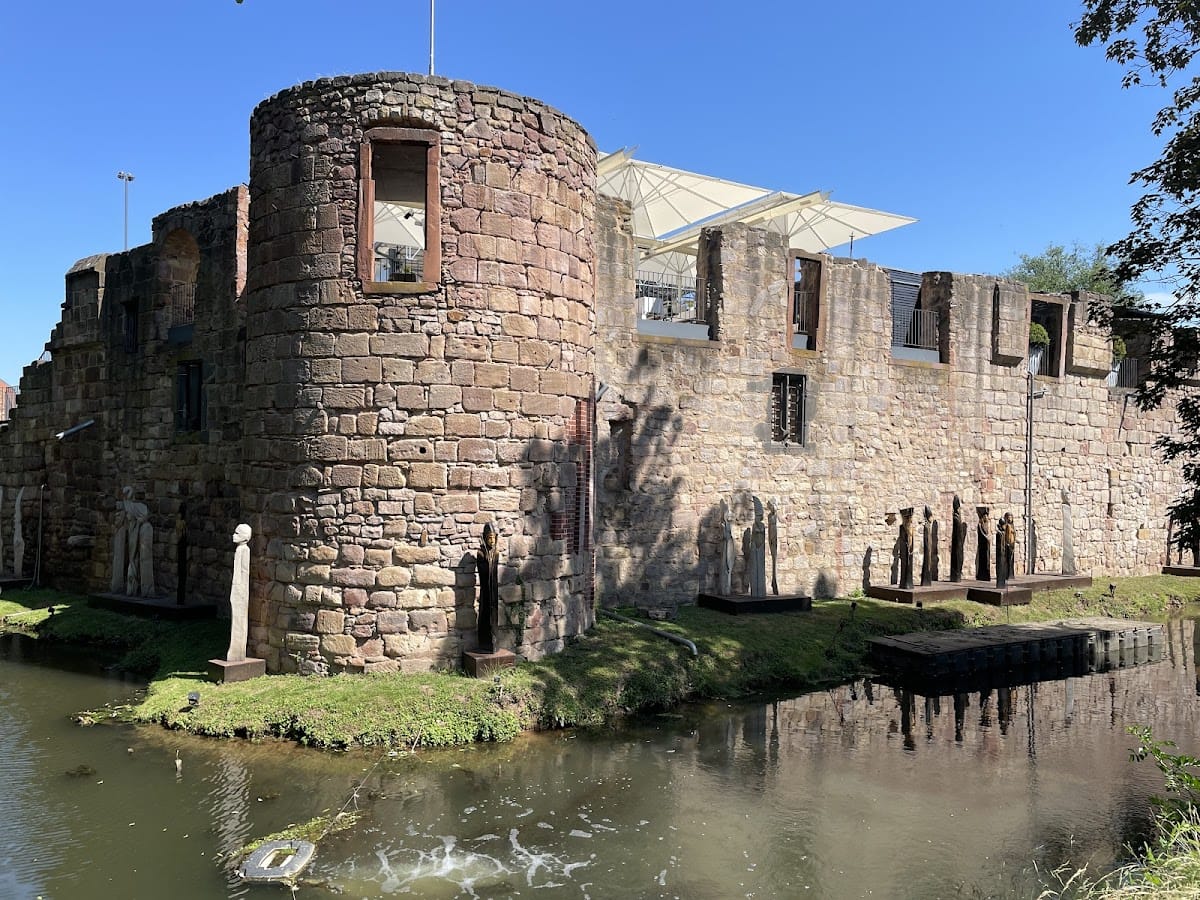
Vilbel Castle stands on the Nidda in Bad Vilbel, north of Frankfurt am Main, within the Wetterau district of Hesse. It is surrounded by a water-filled moat, giving the ruin its characteristic lowland water-castle setting. The surviving structure is an aristocratic fortification whose fabric incorporates successive medieval and early-modern rebuilding and strengthening phases.
The moat dates from the period when the city-owned ruin housed the local history and well museum. It was filled with water in 2006. Water from the moat caused substantial damage to the masonry and required extensive structural conservation. In 2024, this deterioration was reflected in the collapse of a corner of the castle wall on the side away from the audience.