Anraku-ji Temple: A Jodo Buddhist Memorial Temple in Kyoto


Site at a Glance
- Rating
- 4.3
- Popularity
- Low
- Country
- Japan
- Primary era
- Early Modern
- External website
- Open
- Eras represented
- Early Modern
- Civilizations
- Ashikaga shogunate
- Site type
- Religious
- Remains
- Monastery
On this page5 sections
History
Anraku-ji Temple is a Jodo Buddhist temple in Kyoto, Japan, whose origins reach back to the beginning of the Kamakura period. It was founded by disciples of Honen as a center for exclusive nenbutsu practice, the repeated recitation of Amitabha Buddha’s name, and its principal object of worship remains Amitabha Buddha, the Buddha of the Pure Land tradition. The temple is now independent, though it formerly belonged to the Jodo Sect’s Seizan Zenrin-ji Branch.
The Kashigatani Hermitage
Jurenbo and Anrakubo established the Kashigatani hermitage in the mountains about one kilometer east of the present temple. The foundation tradition relates that the two men were walking through the Higashiyama area when a white deer appeared and then vanished near the former mountain villa of Shunkan, a Buddhist monk associated with the Shishigatani conspiracy. They understood the event as a spiritual sign and established their hermitage there.
At Kashigatani, the two disciples taught Honen’s religious ideas and promoted exclusive nenbutsu devotion. They also practiced the Six-Time Praise Service, a cycle of Buddhist services held at intervals throughout the day and night. Their chanting and liturgical recitation were said to draw audiences because of their beauty.
Persecution and Memorial Revival
In 1207, during the Ken’ei persecution, the suppression of exclusive nenbutsu movements, Jurenbo and Anrakubo were executed. Their offense was connected with the ordination of Matsumushi and Suzumushi, court ladies of Retired Emperor Go-Toba, a former emperor who continued to wield influence in medieval court politics. The Kashigatani hermitage then declined.
After returning from exile, Honen rebuilt the hermitage as a memorial to his two disciples. The institution passed through repeated periods of decline and revival before it was relocated and re-established at its present site during the Tenmon era, from 1532 to 1555. The mountain name Juren-san comes from Jurenbo’s name, while Anraku-ji takes its name from Anrakubo. The temple is also known as Matsumushi-Suzumushi Temple, and objects connected with the two disciples and the two court ladies are among its treasures.
The Pumpkin Observance
Anraku-ji’s best-known religious observance takes place annually on July 25. About 180 years ago, the abbot of the time received, while practicing in the main hall, a spiritual message from Amitabha Buddha. The message linked the eating of Kashigatani pumpkins around the summer Doyo period with protection from stroke. The observance has continued, with Kashigatani pumpkins served on July 25.
Kashigatani pumpkins were widely cultivated until 1955, when newer varieties reduced their production. Small quantities are still grown, including by farmers in Ichihara, Shizuhara, Takamine, Gentaku, Kinugasa, and other areas near Kyoto, partly to supply the temple’s observance.
Remains
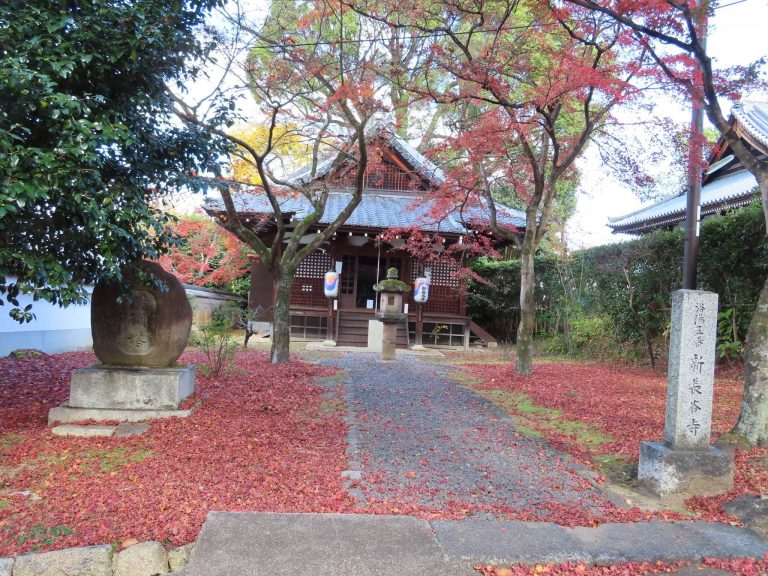
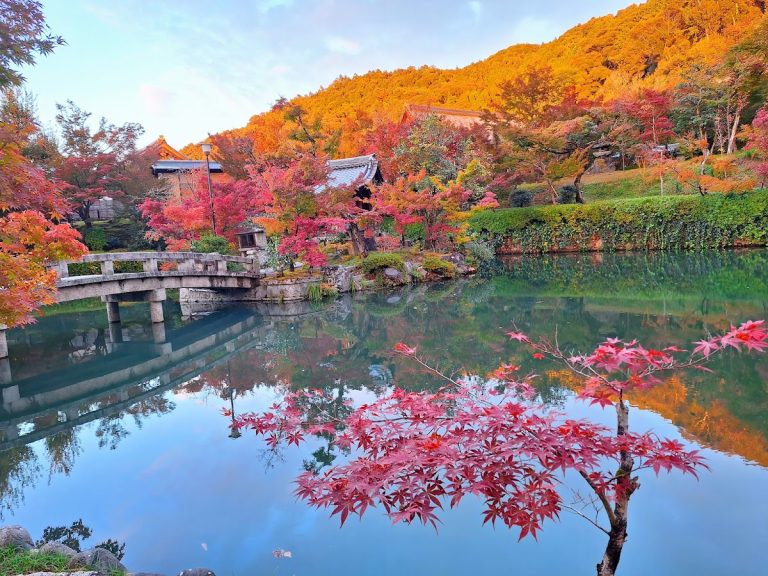
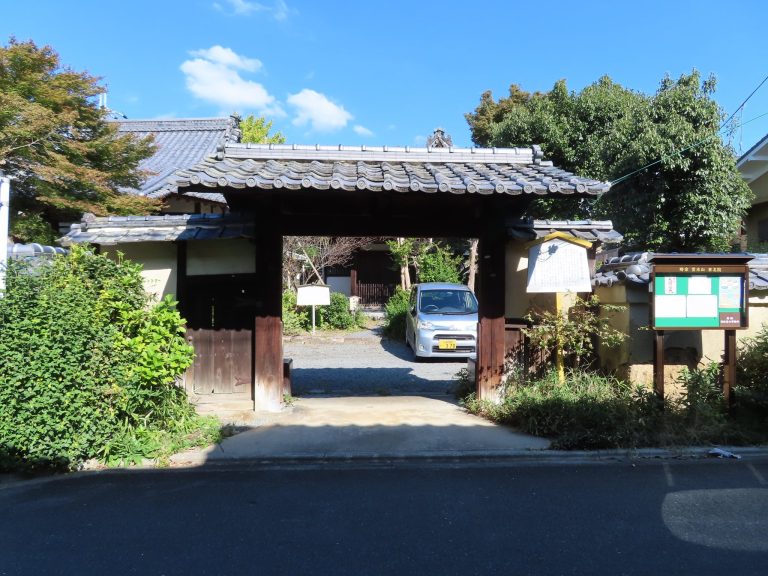
The present Anraku-ji complex occupies the later site established during the sixteenth-century Tenmon era, rather than the original Kashigatani hermitage in the mountains east of the temple. Its principal areas are a garden, a main hall, and a study hall. These spaces are opened for public viewing during designated seasonal periods and for the July 25 pumpkin observance.
The main hall contains the temple’s principal image of Amitabha Buddha and is also associated with the spiritual experience that, according to the temple’s religious tradition, led to the pumpkin observance. Wooden images are discussed during periods of public viewing, while the temple’s treasures preserve objects connected with Jurenbo, Anrakubo, Matsumushi, and Suzumushi.