Catel Manor: A Medieval Fortified Manor in Normandy, France
Site at a Glance
- Popularity
- Medium
- Country
- France
- Primary era
- Medieval
- Eras represented
- Medieval
- Civilizations
- French
- Site type
- Military
- Remains
- Castle
On this page8 sections
History
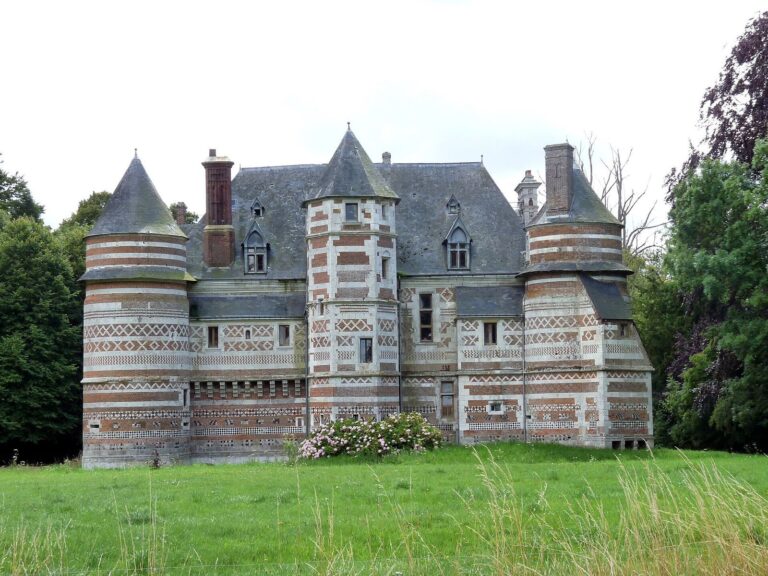
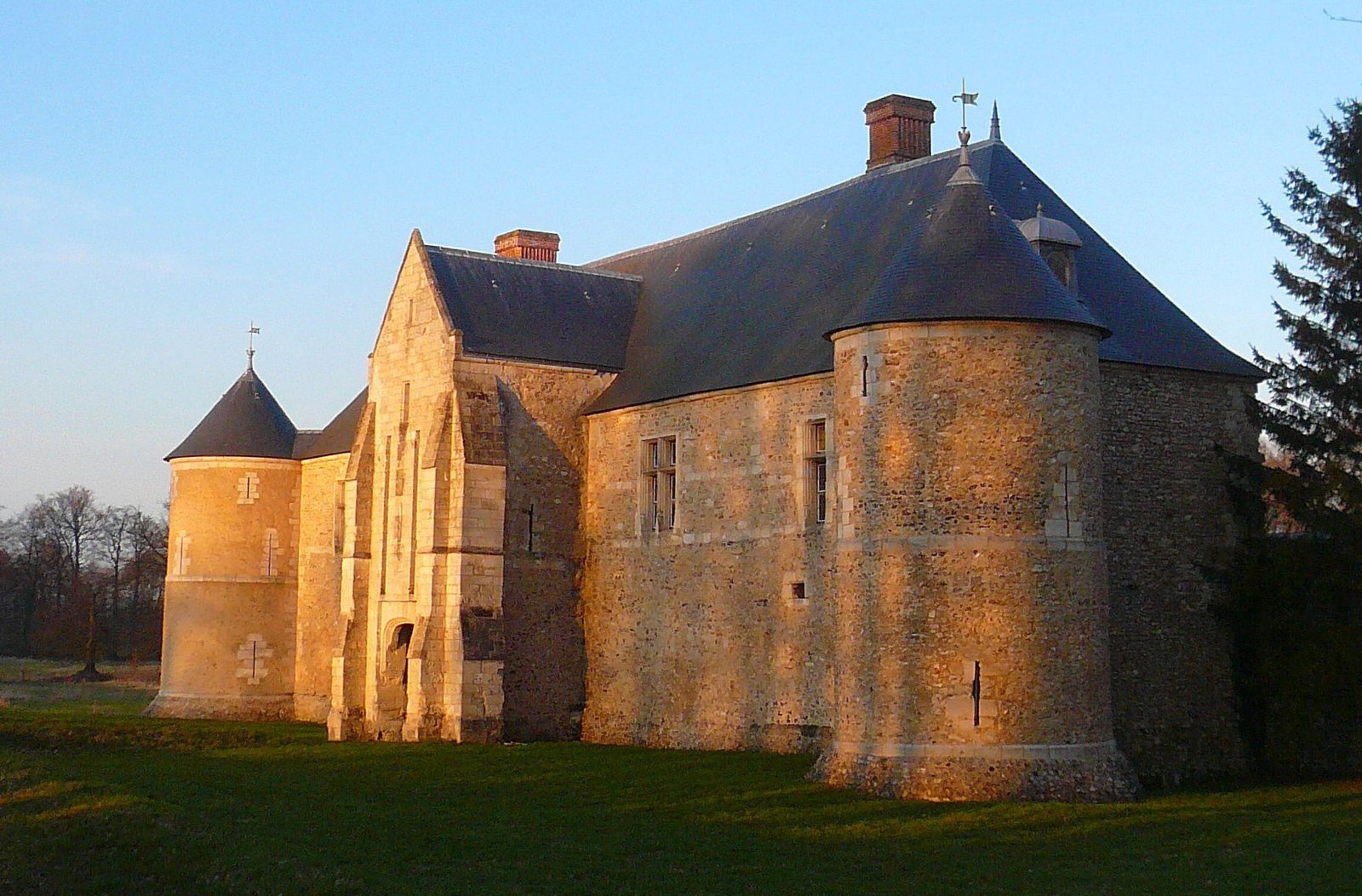
Catel Manor is a fortified medieval manor in Écretteville-lès-Baons, Normandy, France. Built from 1267 to 1270, during the reign of Louis IX, it was commissioned by the Abbey of the Trinity of Fécamp, a medieval monastic institution. The king had granted Richard de Treigots, the abbot, authority over high justice, the right to judge the most serious criminal cases. The manor expressed the abbots’ power in the region.
From abbey manor to farm
During the French Revolution, the manor was taken into state ownership as national property and then sold. It was converted into a farm. Frédéric Toussaint bought the property in 2000 and undertook its restoration, completed between June 2000 and 2005.
Protection and conservation
On 27 August 2010, the manor, its grounds and the layout of its ditches were classified together as a historic monument, replacing earlier protections issued in 1944 and 1977. In 2024, the manor was designated a heritage site at risk.
Remains
The manor’s defensive design was organized around a quadrangular enclosure and moats. Its position at the bottom of a valley allowed water to feed the ditches.
Fortified layout and interior features
Enclosure and towers
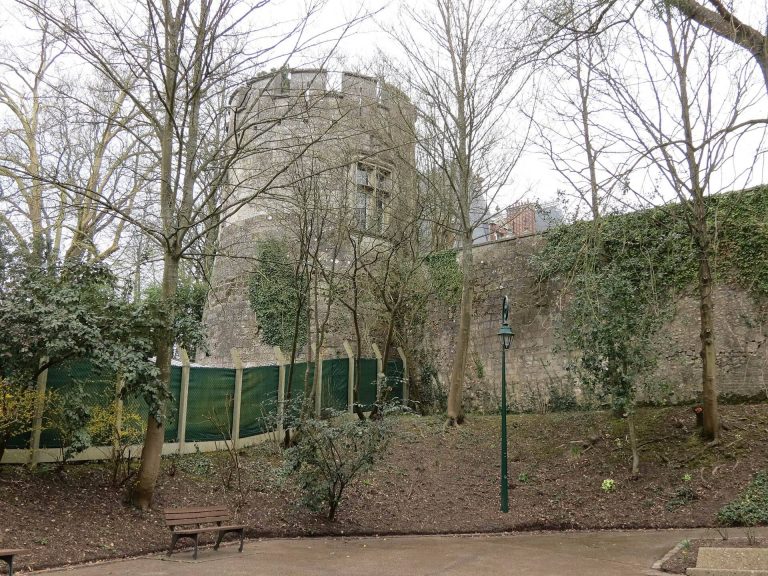
The original plan placed a cylindrical tower at each corner of the quadrangle. In 2024, the enclosure walls were described as crumbling, and several doors, including the carriage gate, were identified for repair.
Bridge and moat
An excavation in 2014 uncovered the 13th-century bridge that led to the fortified gate. The work also made it possible to reconstruct the outline of the moat.
Prisoners’ engravings
Numerous engravings inside the manor were made by prisoners awaiting judgment.