Sassanid Sites: Explore Persian Palaces, Fire Sanctuaries and Royal Reliefs
Sassanid sites include vaulted palaces, planned cities, fortified sanctuaries and royal scenes carved into cliffs. Most examples in this collection lie in Iran, with the great audience hall at Ctesiphon extending the range into Iraq. Brick vaults, stone domes and carefully arranged courts preserve the settings in which Sassanid rulers received visitors, defended their residences and supported religious institutions.
The dynasty is also commonly called Sasanian. Some of its sites contain earlier Achaemenid monuments or later Islamic buildings; the examples below identify the structures and alterations associated with each period.
Primary Function: All
Type: All
Country: All
Popularity: All
Rating: All
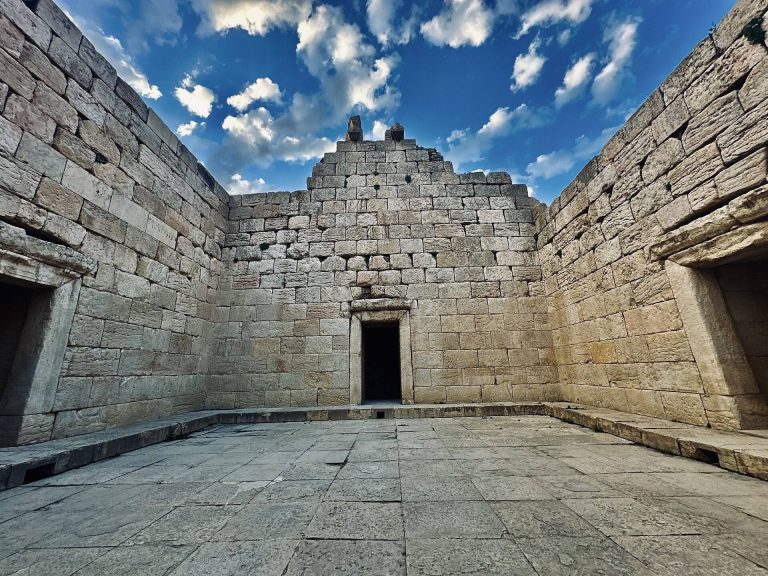
Bishapur Ancient City was founded by Shapur I in AD 266 as a Sasanian capital and monument to victories over Rome. Its grid-planned urban remains,…
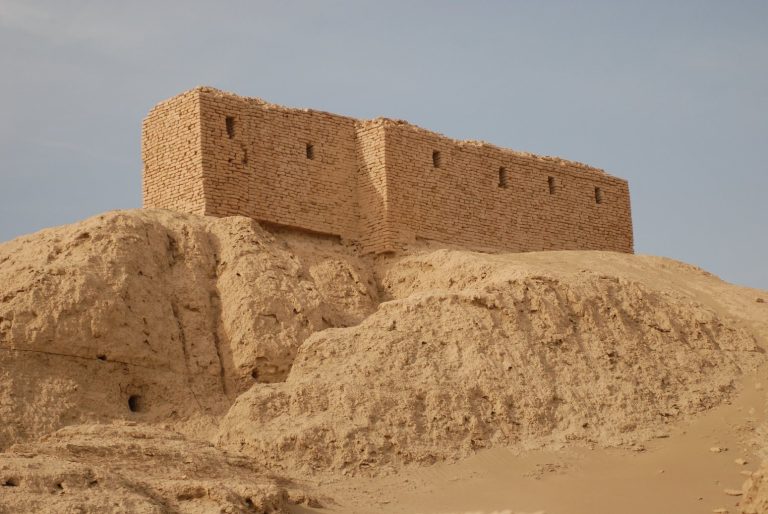
Nippur was the principal cult centre of Enlil and a major religious, administrative, and scribal centre of Mesopotamia. Its excavated temples,…
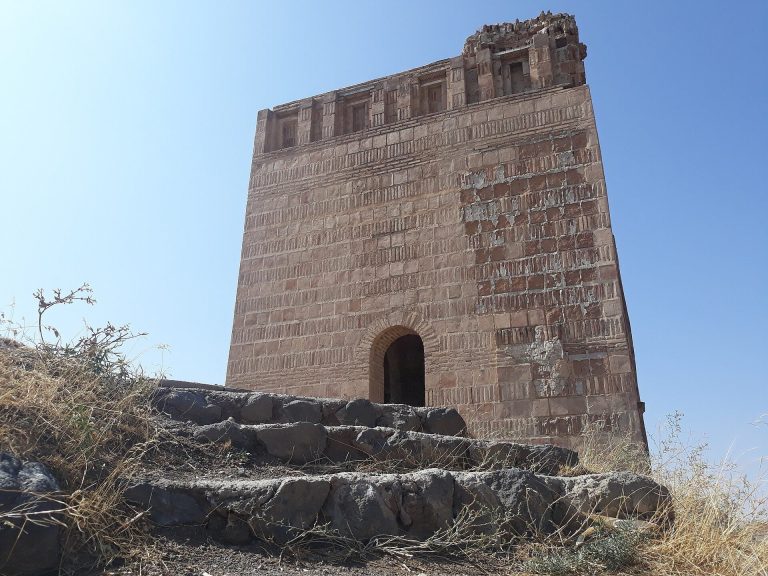
Zahhak Castle near Hashtrud in East Azerbaijan preserves remains from several Iranian historical periods, including Parthian and Sasanian…
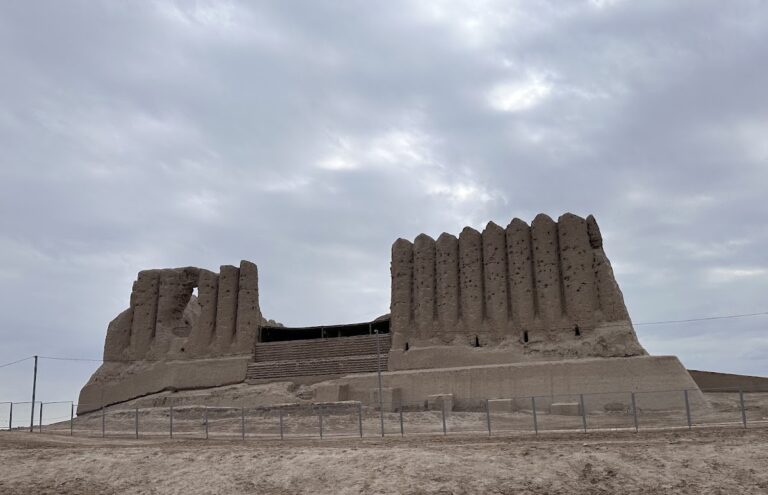
Great Kyz Kala is a large fortified earthen palace at ancient Merv in Turkmenistan, associated with uncertain Sasanian or early Islamic origins and…
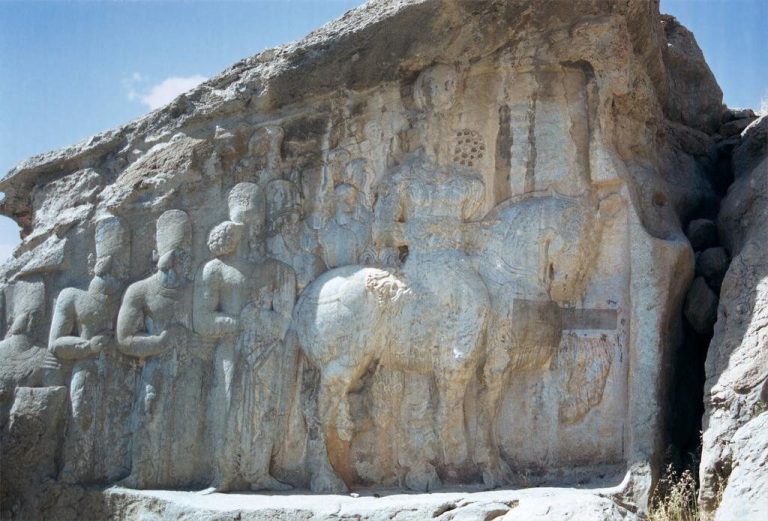
Naqsh-e Rajab in Fars Province preserves four third-century Sasanian rock reliefs associated with the royal investitures of Ardashir I and Shapur I,…
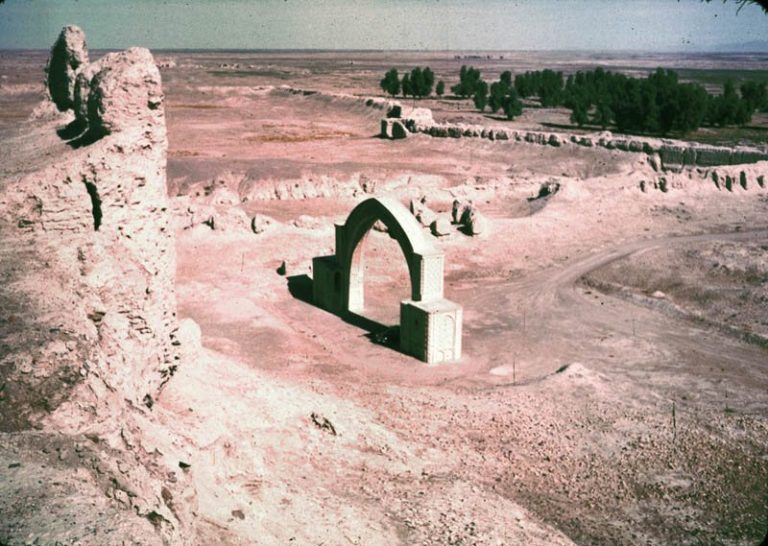
Qala-e-Bost near Lashkargah preserves a fort, Islamic-period structures, an eleventh-century decorative arch, and an ancient shaft at the confluence…
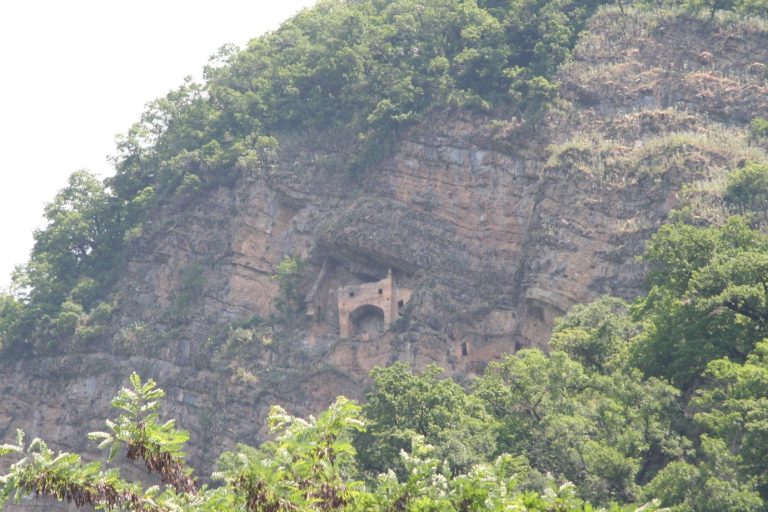
Parigala is a limestone fortress near Yuxarı Çardaxlar in Azerbaijan, associated with several possible historical periods and local traditions,…
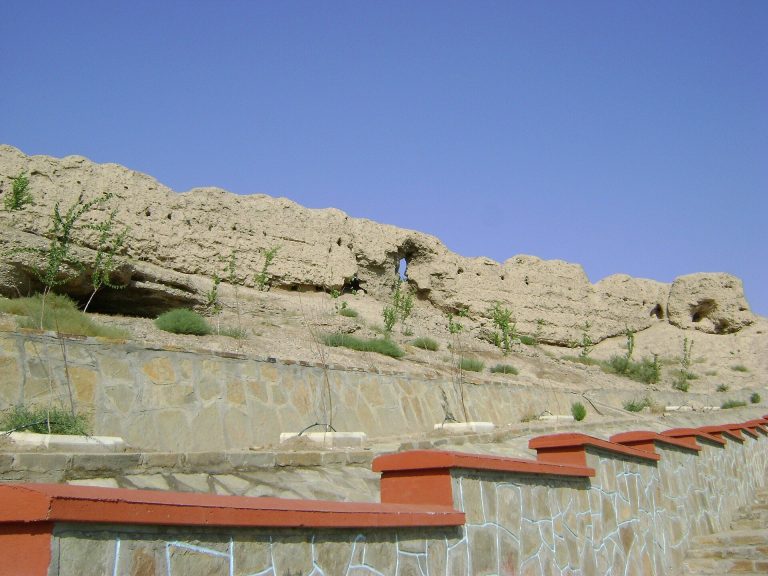
Yezidabad Castle, also called Old Castle and Nakhchivangala, is an early medieval fortress in Nakhchivan, Azerbaijan, associated with the Sasanian…
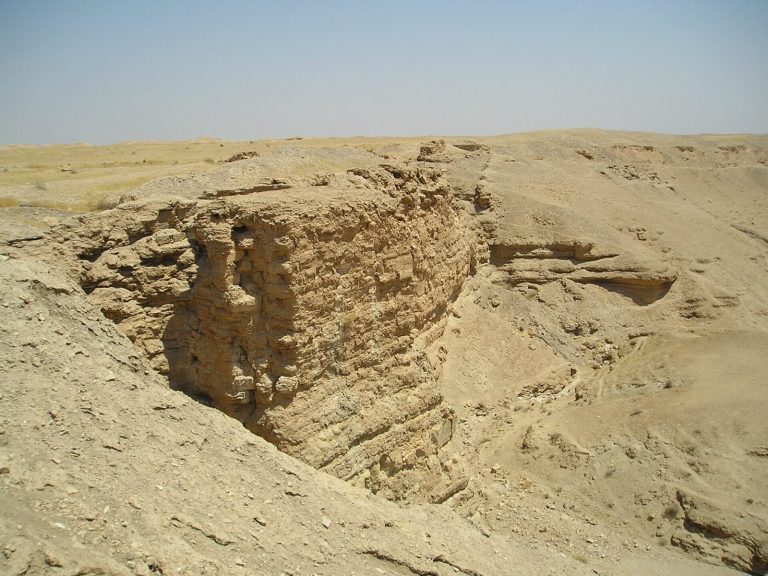
Dura Europos in Syria was founded around 300 BC as a Seleucid fortress and later became a multicultural Parthian administrative center and Roman…
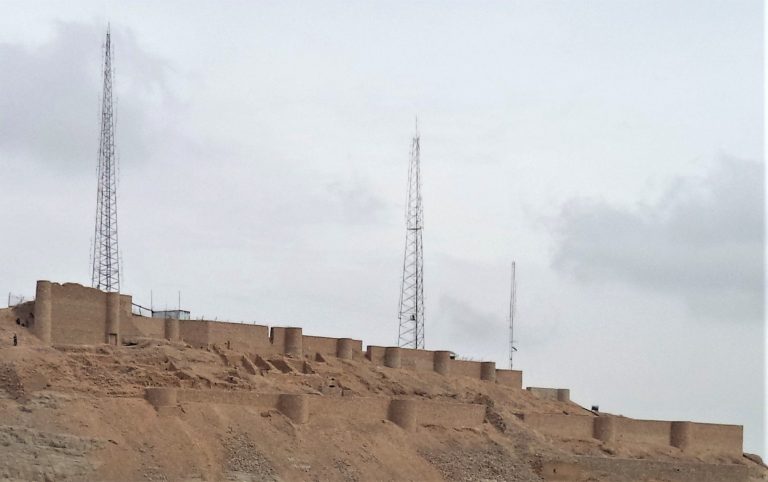
Shahdiz Castle was a fortress guarding the main route to Seljuq Isfahan. Occupied and refortified by the Nizari Ismailis, it was besieged and…
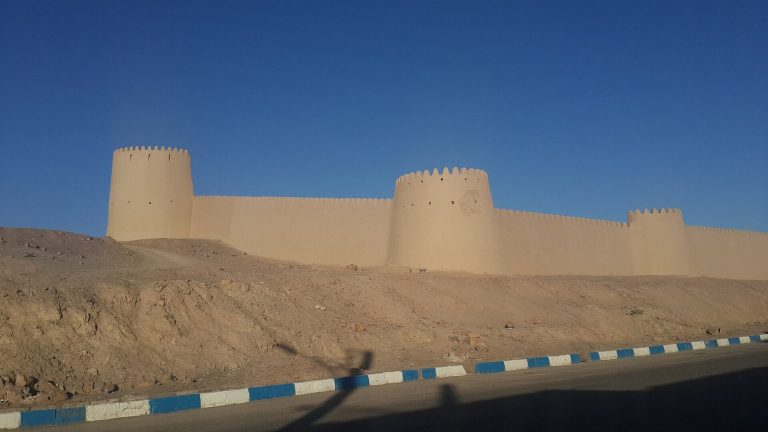
Anar Citadel in Kerman Province preserves evidence of a pre-Islamic Sasanian foundation, Safavid-period reuse, and later damage that transformed much…
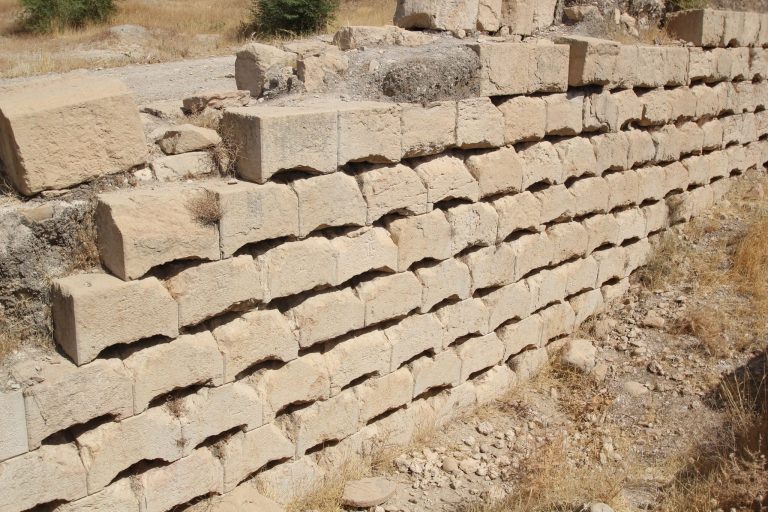
Valerian Palace at Bishapur was built in AD 266 for the captive Roman emperor Valerian after Shapur I’s victory at Edessa. Its ruins form part of the…
For details on how to use the maps, which sites are included, how popularity and ratings are determined, and how sites are classified, see the help page.
On this page5 sections
Palaces and vaulted audience halls
At Ctesiphon, south of Baghdad, Taq Kasra preserves the enormous open front of a royal audience hall. Its brick barrel vault rises above an uninterrupted interior, with the surviving façade extending to one side. Repeated shallow arches and columns decorate that façade, giving the broad wall a rhythm of horizontal tiers.
The hall is an iwan: a roofed space open across one end. Its vast arched mouth was the principal architectural feature of the palace frontage. The building is Sassanid, although its attribution to a particular king remains disputed; Ctesiphon’s earlier role as a Parthian capital does not date the surviving vault to that earlier dynasty.
Planned cities and hilltop royal fortresses
The ancient city of Gor at Firuzabad was laid out on a circular plan, with principal routes directed towards its centre. The surviving central tower, the Terbal, rises above the excavated urban area. Its original function is uncertain, but its position helps establish the centre around which the city was organised.
Nearby, Qal’eh Dokhtar occupies a steep hill above the approach through the mountains. Built for Ardashir I early in the third century, the fortress arranges rooms on successive levels. An entrance route climbs towards courts, vaulted chambers and the upper royal accommodation.
The upper hall used corner arches, or squinches, to carry a dome over a square room. This combination of defended approach, reception hall and domed chamber made the building both a stronghold and a royal residence. Its hilltop arrangement is separate from the circular city on the plain below.
Temples and fortified sanctuaries
Bishapur, founded under Shapur I in the third century, preserves a planned city with a royal precinct. Among its clearest structures is the sunken building conventionally identified as a temple of Anahita. Carefully fitted ashlar blocks form the walls of a square court, with passages and water channels arranged around it.
The court sits below the surrounding ground level, giving the stone enclosure a more complete three-dimensional form than many of the adjacent excavated rooms. Its hydraulic arrangements are central to the interpretation of its function, although the dedication to Anahita remains an archaeological attribution. The city’s other royal buildings used different combinations of courts, halls and decorated rooms.
At Takht-e Soleyman, an oval fortified enclosure surrounds a natural lake and the remains of a royal religious complex. The fire sanctuary of Adur Gushnasp was one of the principal institutions of Sassanid Zoroastrianism. Its excavated rooms and adjoining buildings occupy the platform beside the water.
The visible complex also includes substantial thirteenth-century Ilkhanid rebuilding. Palace structures and repaired vaults therefore need to be distinguished from the Sassanid sanctuary. The overall arrangement still makes the relationship between the lake, sacred buildings and fortified perimeter clear.
Rock reliefs and royal imagery
The Sassanid reliefs at Naqsh-e Rustam occupy the rock below much older Achaemenid royal tombs. One scene shows the mounted Ardashir I facing the deity Ahura Mazda. Another presents Shapur I on horseback with Roman figures standing or kneeling before him, commemorating victories over Rome.
The large figures retain details of dress, horse equipment and royal headgear. Their setting deliberately places Sassanid kingship alongside earlier Persian royal monuments, while the difference between carved narrative scenes and the high tomb façades makes the two periods easy to distinguish.
Explore the collection
Explore sites on the map or in the grid. Map icons reflect each site’s primary function, helping you identify different kinds of places at a glance. Narrow the results by country, primary function, site type or era, with additional filters for popularity and rating. Select a map marker to view the site’s details and open its article, or open the article from its grid entry.