Roman Sites in Israel: Explore Ancient Cities, Arenas and Mosaic Rooms
Roman sites in this collection include paved streets and mosaic rooms at Sepphoris, the arena of Beit Guvrin, a theatre at Tiberias and the water supply of Caesarea. Ancient synagogues add religious buildings with carved entrances and columned interiors. Several sites continued into the Byzantine period or were incorporated into later settlements.
Primary Function: All
Type: All
Popularity: All
Rating: All
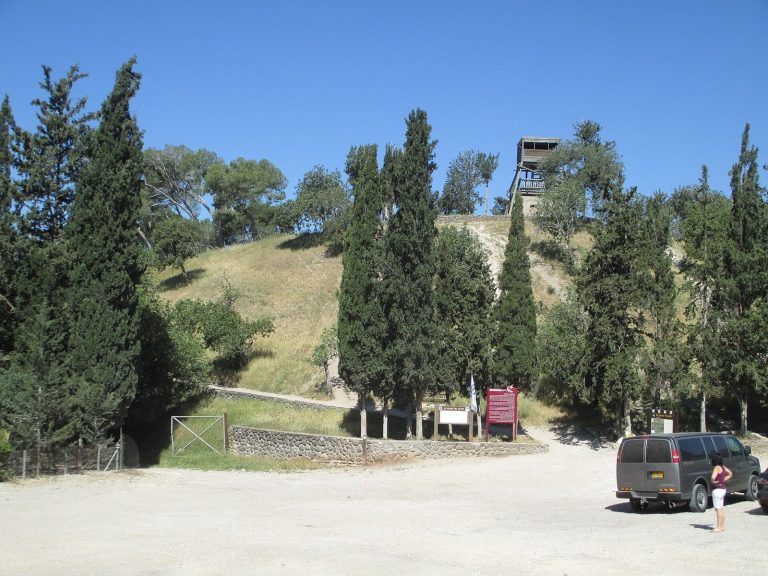
Shimron developed from an Early Bronze Age settlement into a fortified Middle Bronze Age city-state. Its remains trace settlement and changing use…
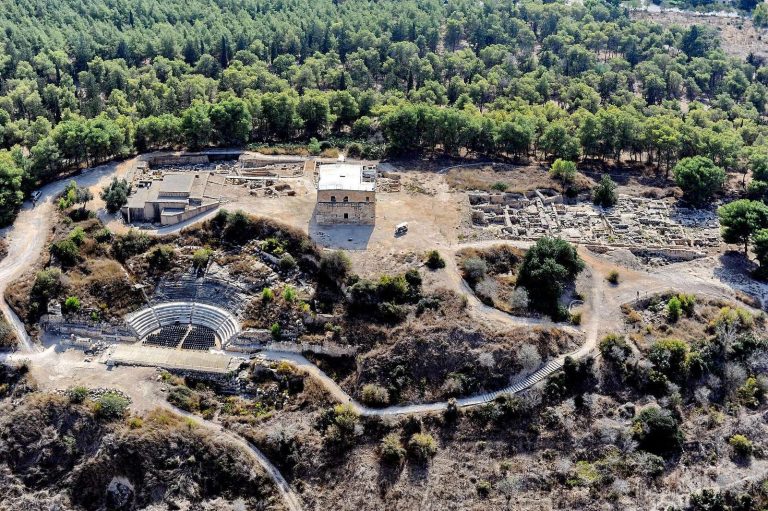
Built in the first half of the fifth century, Tzippori Synagogue preserves an extensive mosaic floor and reflects the long history of Jewish…
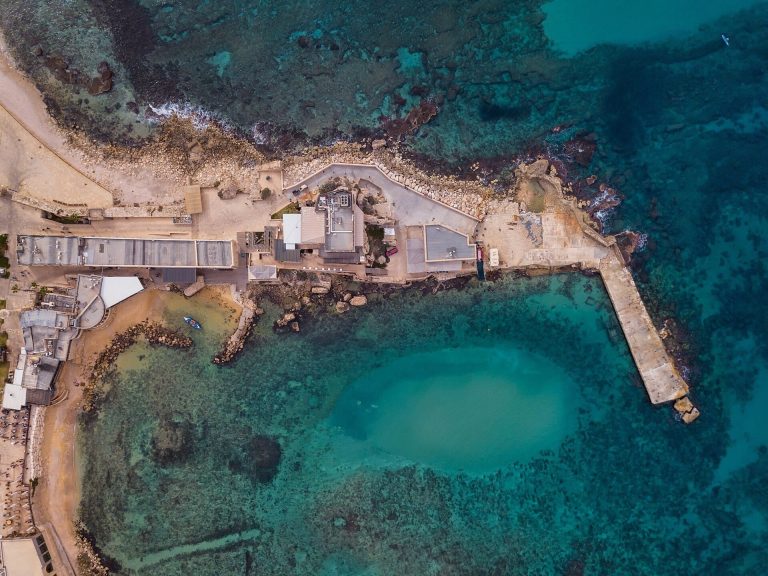
Built under Herod in the late first century BCE, Caesarea’s artificial harbor supported regional trade, projected royal power, and introduced…
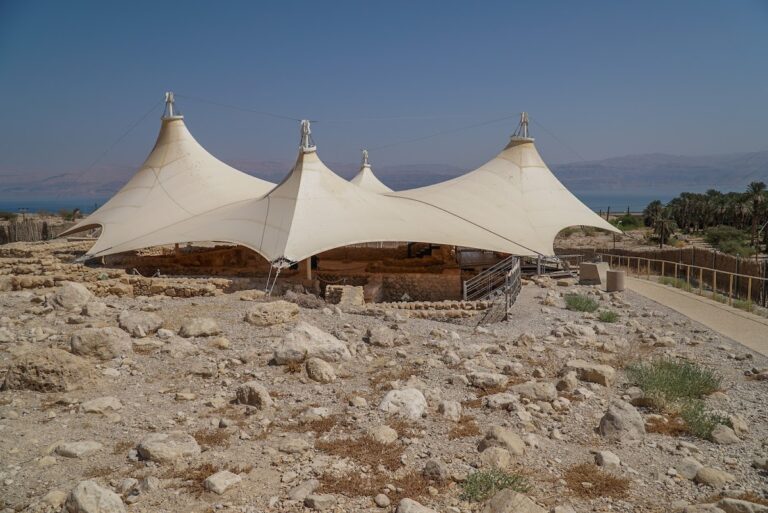
The Ein Gedi synagogue preserves evidence of a Jewish community that flourished for centuries, including layered mosaics, a rare Aramaic inscription,…
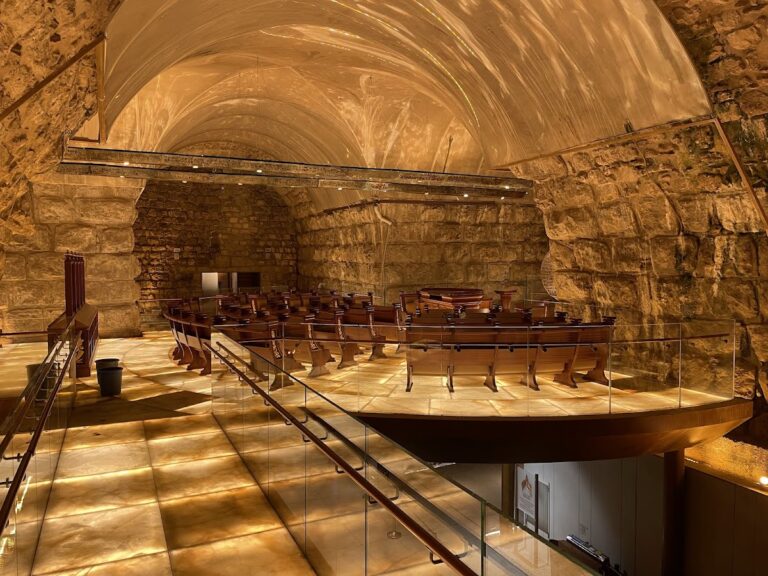
The Western Wall Tunnel is a 488-metre underground complex beneath Jerusalem’s Old City, revealing remains from the Second Temple period through the…
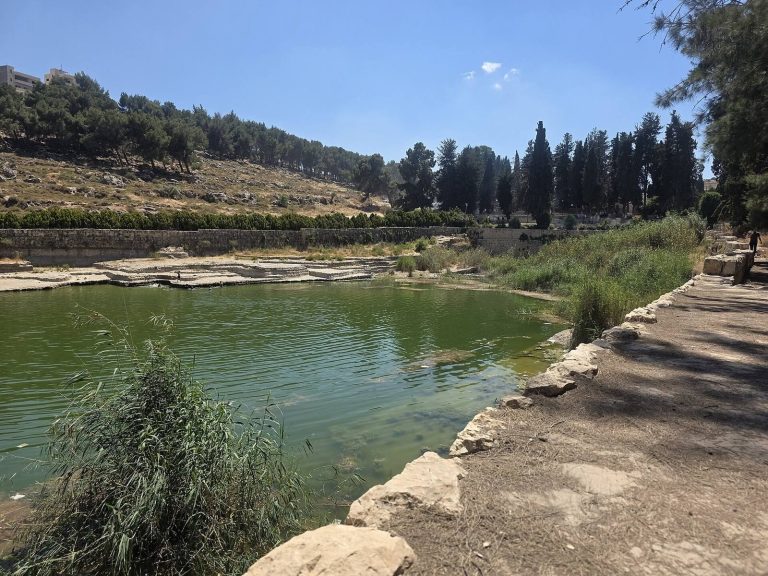
Solomon's Pools are three ancient reservoirs and an associated aqueduct network that supplied Jerusalem, the Herodium, Bethlehem, and nearby…
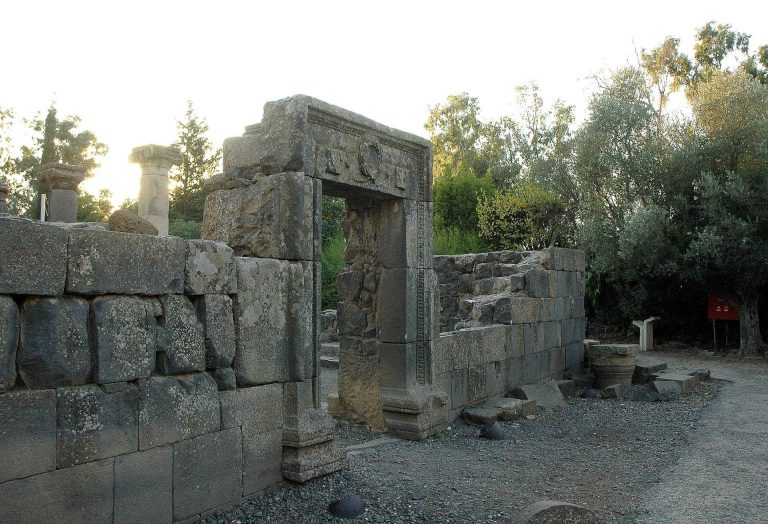
Katzrin ancient village and synagogue preserves a Jewish farming settlement in the Golan Heights, centered on a synagogue built and enlarged during…
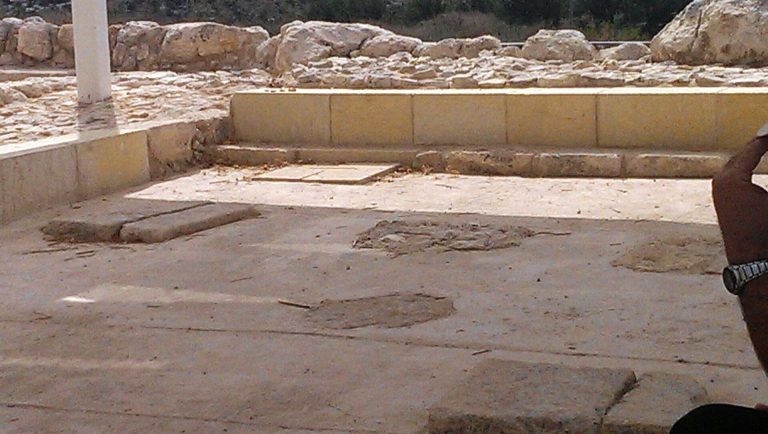
Um el Umdan is a Jewish archaeological site near Modi'in in Israel, with remains from the Persian, Hellenistic, Hasmonean, Roman, Byzantine, and…
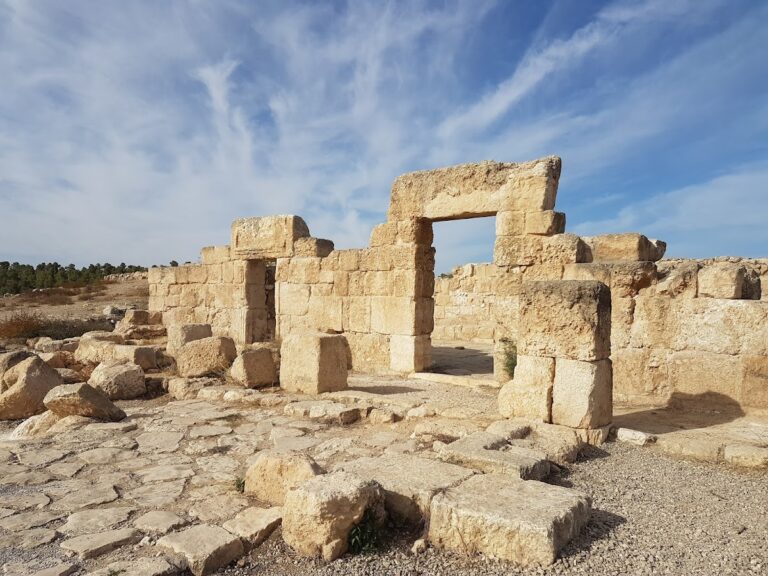
Hurvat Anim, identified with biblical Anim and the Late Antique Jewish settlement of Anaia, preserves an Iron Age fortress, rock-cut dwellings,…
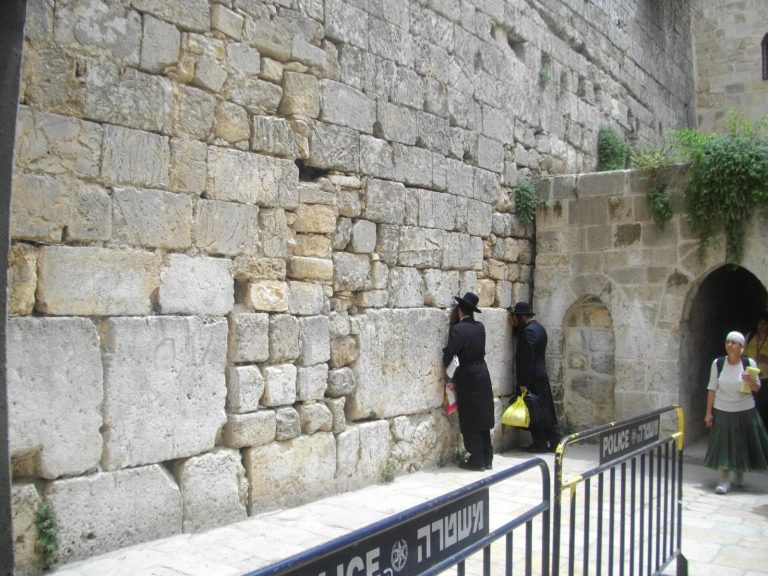
The Little Western Wall is a surviving section of the Western Wall of the Herodian Temple compound, located beside the Ribat Kurd complex in…
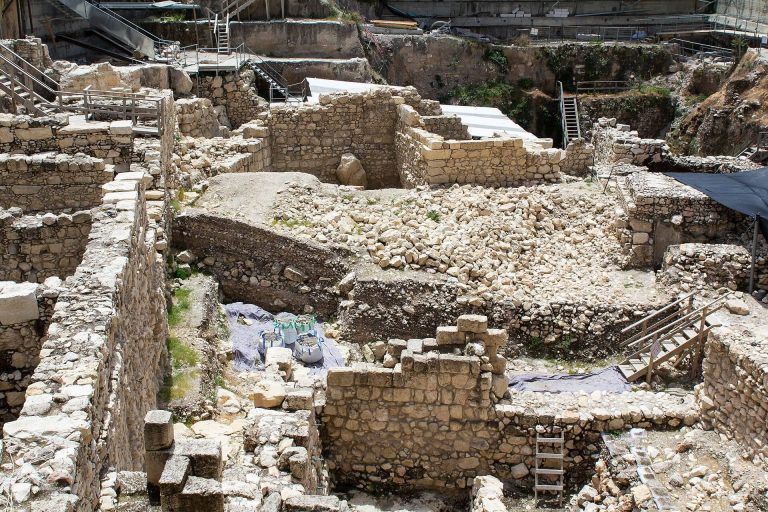
The Givati Parking Lot excavation in Jerusalem’s Silwan neighborhood has revealed remains spanning the Iron Age, Hellenistic, Roman, Byzantine, and…
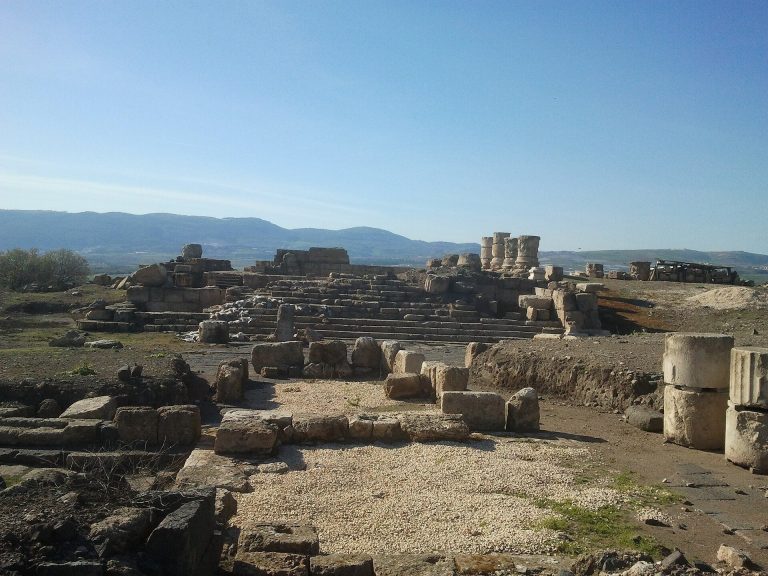
Omrit is a Roman temple complex near Banias and Mount Hermon, preserving several successive sanctuaries, a colonnaded approach, and evidence of later…
For details on how to use the maps, which sites are included, how popularity and ratings are determined, and how sites are classified, see the help page.
On this page6 sections
Sepphoris: paved streets and mosaic interiors
At Sepphoris, colonnaded streets cross the lower town, with shops, houses and public buildings beside them. Wheel ruts remain in the paving, while drainage channels and bathing installations record the services provided within the urban area. The theatre occupies the slope of the hill above.
A Roman residence built around AD 200 contains a figured pavement in a room interpreted as a dining space. Panels depict Dionysus, Hercules and other figures, including a wine-drinking contest. Small mosaic pieces create detailed shading in the faces. Later buildings add different floors, including a fifth-century synagogue with biblical scenes and a zodiac accompanied by Hebrew month names.
Beit Guvrin’s amphitheatre and vaulted passages
The Beit Guvrin–Maresha archaeological complex includes a Roman amphitheatre built for arena spectacles. Large limestone blocks form an elliptical enclosure, with connected barrel vaults supporting the seating and creating a corridor around the arena. Stairs led from the passages to the audience levels, and underground spaces served activities below.
The Roman amphitheatre and neighbouring baths belong to the Beit Guvrin section of this multi-period site. They are distinct from Maresha’s earlier underground installations and the later bell-shaped quarry caves. Medieval builders incorporated parts of the Roman masonry into a Crusader fortress, adding another phase above the entertainment and bathing structures.
Tiberias’s theatre and later courtyard houses
The Roman theatre at Tiberias was built into the lower slope of Mount Berenice. Its lowest seating rested on rock, while higher seating depended on covered passages. An ashlar stage-front wall survives from a rebuilding that followed subsidence, and later work altered the orchestra and stage area again.
After theatrical use ended, a residential quarter occupied the site. Basalt-built houses were arranged around courtyards, some with fountains, and reservoirs were inserted into the former theatre. The archaeological sequence therefore contains both the performance building and the later neighbourhood that occupied its space.
The synagogue façade at Bar’am
The larger synagogue at Kfar Bar’am preserves an elaborate entrance façade with three doorways facing towards Jerusalem. The central doorway is the largest, with carved architectural decoration around the openings. Columns in front supported a porch, while rows of columns inside divided the hall into aisles.
The building belongs to the late antique synagogue tradition, with its precise dating debated between late Roman and Byzantine contexts. Restoration contributes to the standing remains of this Jewish place of worship.
Caesarea’s channels and aqueduct arches
The water supply of Caesarea combined several channels constructed and modified over time. The High Aqueduct carried spring water on arches and through a tunnel across a coastal ridge, with shafts providing access for maintenance. Near the sea, covered sections helped keep wind-blown sand out of the channel.
Additional construction increased the supply, including work under Hadrian. The later Low Aqueduct brought water from a reservoir and belongs to the late antique development of the system. These successive routes supplied the city’s growing needs rather than forming a single aqueduct built in one campaign.
Explore the collection
Explore sites on the map or in the grid. Map icons reflect each site’s primary function, helping you identify different kinds of places at a glance. Narrow the results by primary function, site type or era, with additional filters for popularity and rating. Select a map marker to view the site’s details and open its article, or open the article from its grid entry.