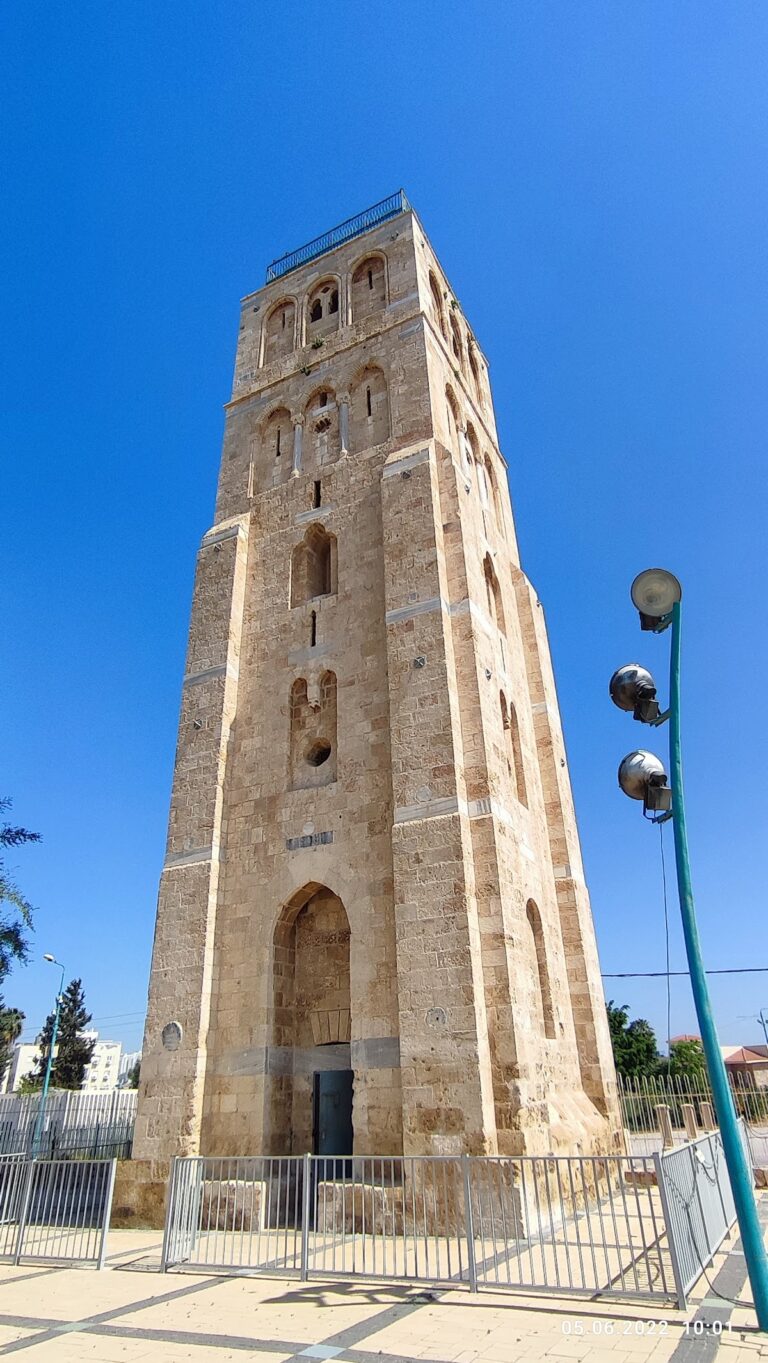
Um el Umdan: A Jewish Archaeological Village near Modi’in
Site at a Glance
- Rating
- 4.3
- Popularity
- Low
- Country
- Israel
- Primary era
- Classical
- External website
- Open
- Eras represented
- Classical
- Civilizations
- Achaemenid, Roman, Seleucid
- Site type
- City
On this page11 sections
History
Um el Umdan is a Jewish archaeological village within Modi’in-Maccabim-Re’ut in Israel, with major phases of activity from the Persian period in the fifth to fourth centuries BCE, the Hellenistic period in the third to second centuries BCE, and the late first to early second centuries CE. Its remains are also associated with the Late Roman, Byzantine, and Early Muslim periods. The Arabic name, meaning “Mother of Pillars,” refers to the visible column remains at the site.
Persian, Hellenistic, and Hasmonean phases
Um el Umdan developed as a village with residential, public, and religious facilities. Archaeological analysis identifies activity during the Persian period and renewed development during the Hellenistic period. Finds connected with the Hasmonean period, the era of the Jewish dynasty that emerged from the revolt against Seleucid rule in the second century BCE, have led some archaeologists to interpret the settlement as a Hasmonean village.
The excavators proposed Um el Umdan as a possible location of ancient Modi’in, the Jewish village associated with the Hasmoneans. This identification remains uncertain, and Tell er-Ras, Khirbet el-Hammam, and Giv’at Tittora have also been proposed as possible locations.
Roman-period transformations
A large public building at the site developed through four successive phases. Its earliest phase belongs to the Hellenistic or Hasmonean period, although its original function is uncertain. It may have become a synagogue only during a later phase. A synagogue was rebuilt during the Herodian period, the era associated with Herod the Great and his dynasty in the late first century BCE and early Roman period.
A synagogue of the late Roman period was destroyed during the Bar Kokhba revolt, the major Jewish uprising against Roman rule in Judaea conventionally dated to 132–135 CE. Coins from the Great Revolt of 66–70 CE, when Jews rebelled against Roman authority before the destruction of the Jerusalem Temple, and from the Bar Kokhba revolt connect the settlement with these periods of conflict.
Rediscovery and excavation
Charles Simon Clermont-Ganneau, a French archaeologist, visited the ruins in 1873 and interpreted them as the remains of a church. Rescue excavations took place from 2000 to 2003 before planned residential construction in Modi’in. Alexander Onn and Shlomit Weksler-Bdolah identified the principal public building as a synagogue in its later form.
The Second Temple period, the era from the rebuilding of the Jerusalem Temple in the late sixth century BCE until its destruction by Rome in 70 CE, is represented at Um el Umdan by important village remains. The site includes one of the earliest synagogues identified in Israel from this period.
Remains
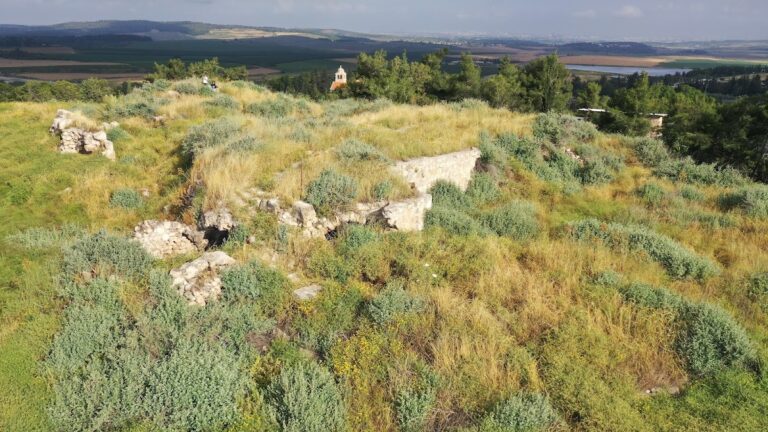
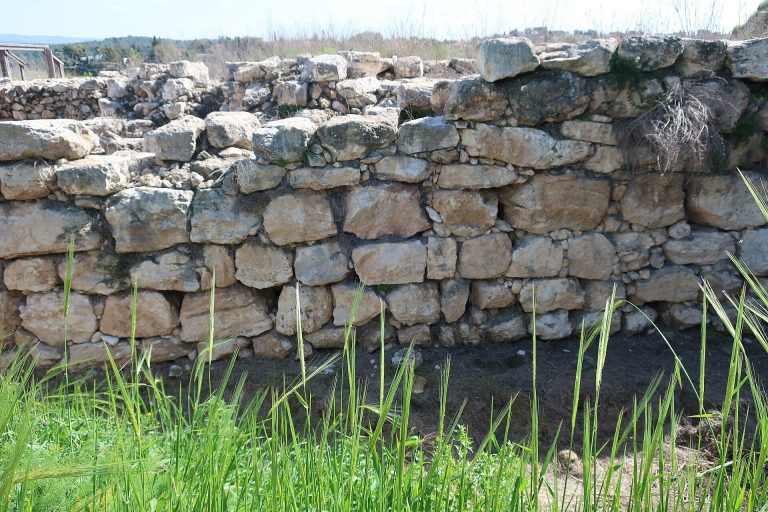
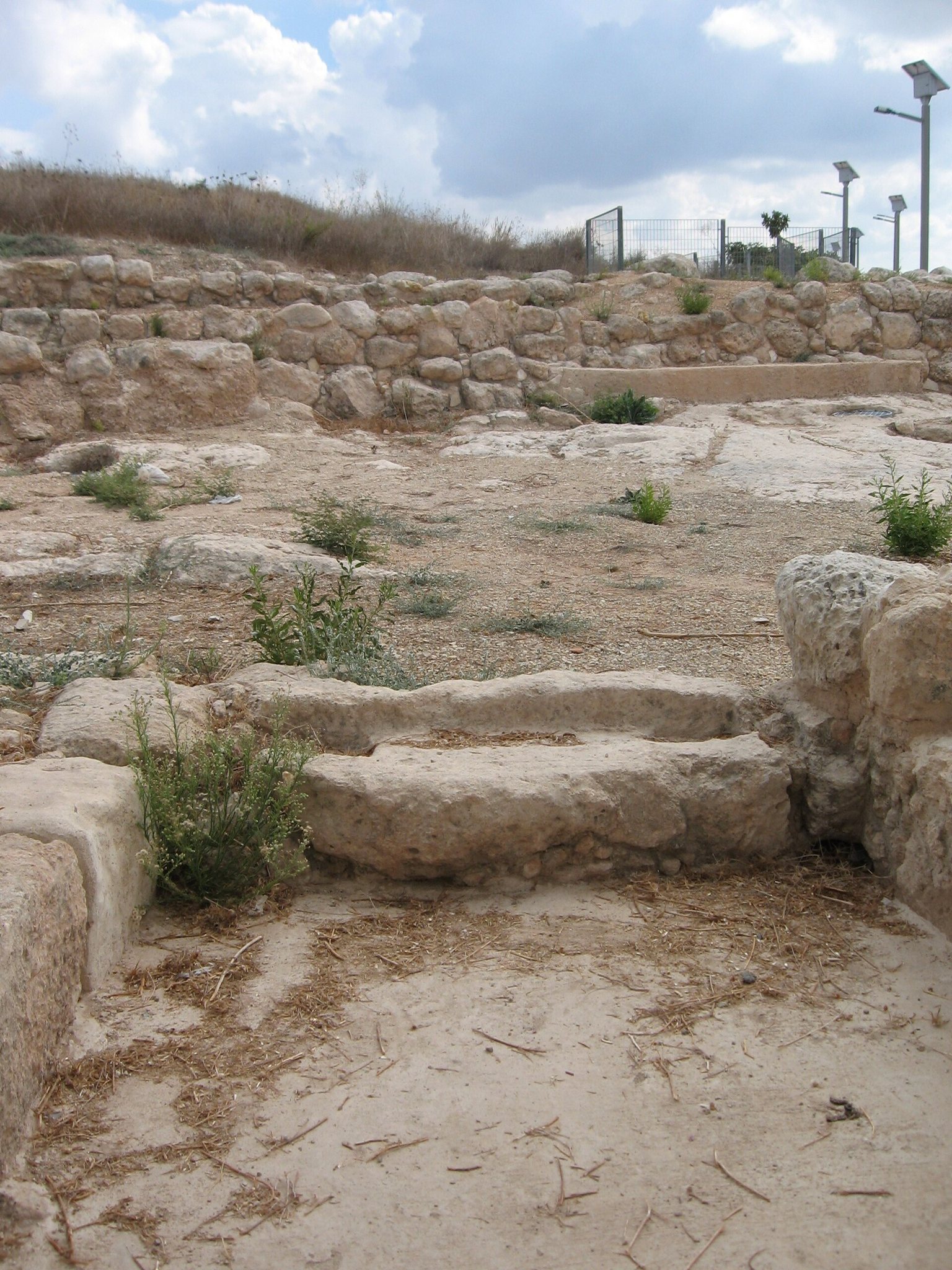
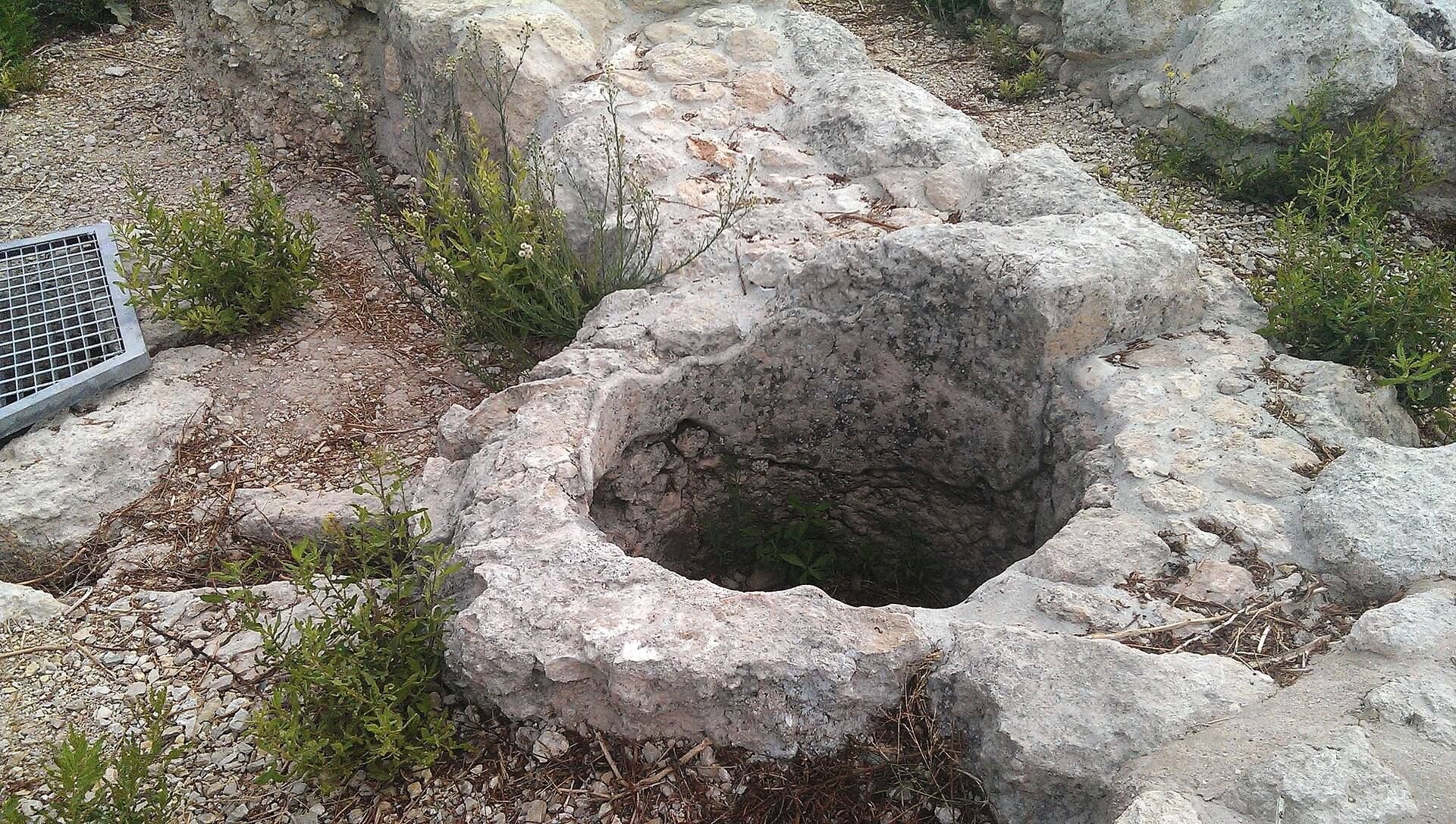
Um el Umdan preserves the remains of a village organized around a broad central alley, with narrower alleys crossing it at right angles. Residential buildings, public structures, courtyards, an orchard, and a winepress formed parts of this settlement. The surviving remains are in ruins, while the excavated layout shows a community with domestic, communal, agricultural, and religious spaces.
Public and ritual buildings
Columned public building
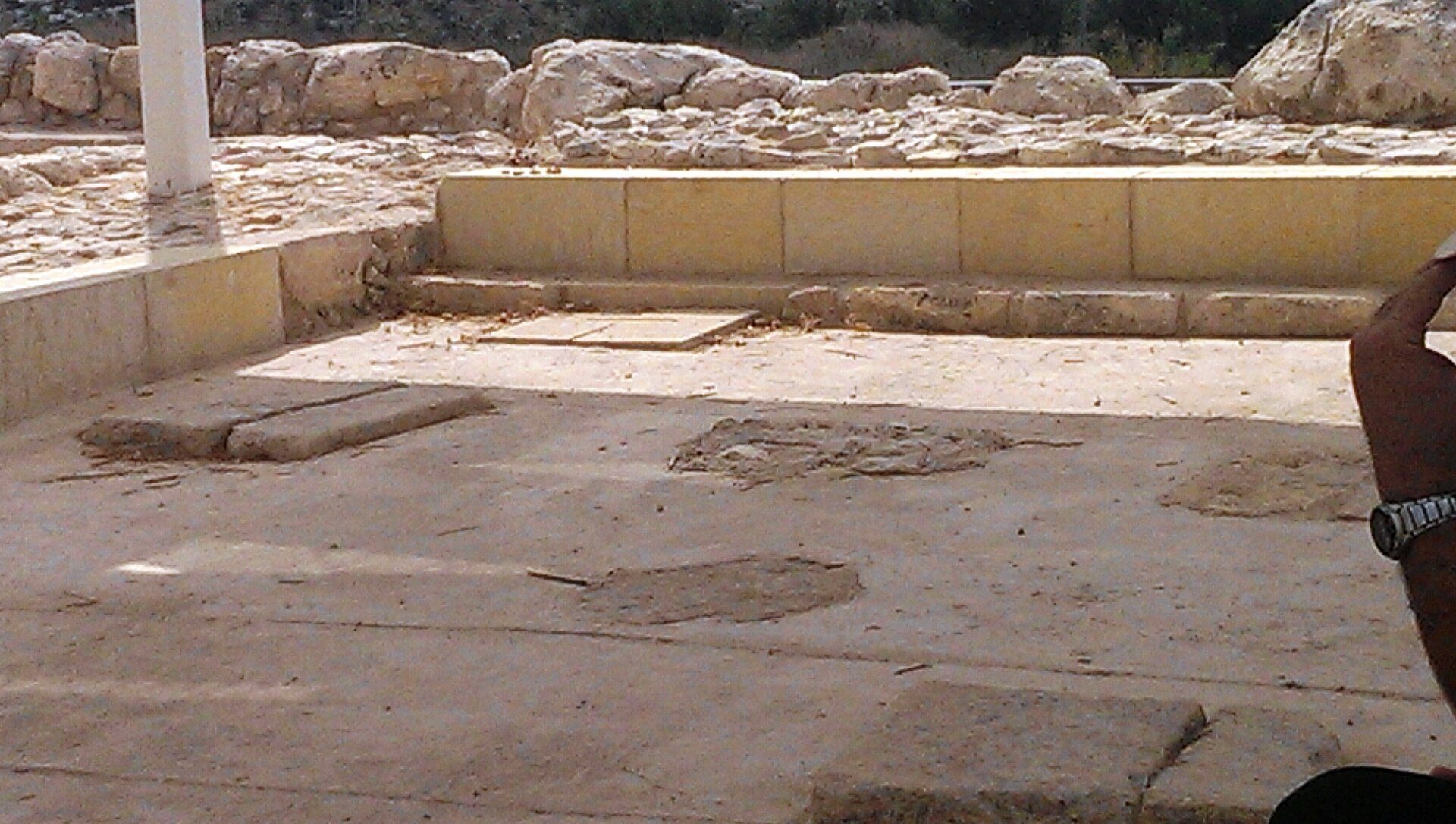
The principal structure is a large public building with two rows of four columns, eight columns in total. Stone benches lined the building, and in its later phase the two rows of columns divided the interior into three naves. The excavated column bases are the most visible remains associated with the name “Mother of Pillars.” The building’s earliest purpose is uncertain, while its later form was identified as a synagogue, a Jewish communal building used for prayer, instruction, and assembly that could also serve as a local public space during the Second Temple period.
Ritual baths and winepress
A mikveh, or Jewish ritual immersion bath used to maintain or restore ritual purity, stands west of the synagogue and dates to the Herodian period. The courtyard already contained a sitting bath during the Hasmonean phase. The site also preserves a paved winepress made with white mosaic stones, linking the settlement’s built remains with agricultural production.
Burials and excavated finds
Burial complexes
Three burial complexes dating to the Second Temple period were found east and south of the village. Their position outside the settlement forms part of the wider archaeological picture of Um el Umdan and its surrounding landscape.
Pottery, seal, and coins
Excavated objects include pottery from the Persian, Hellenistic, and early Roman periods. A stone seal bears an Aramaic inscription. Coins from the Great Revolt of 66–70 CE and from the Bar Kokhba revolt in the 130s CE provide evidence for the settlement’s connections with the Jewish communities and conflicts of the Roman period.