Minoan Sites: Explore the Palaces and Sanctuaries of Crete
Minoan remains on Crete include extensive palace plans, paved courts, storage rooms and smaller religious buildings. The collection follows these Bronze Age places through their surviving architecture. Knossos and Phaistos provide the largest examples here, while Archanes and Anemospilia preserve more restricted excavated areas.
Primary Function: All
Type: All
Country: All
Popularity: All
Rating: All
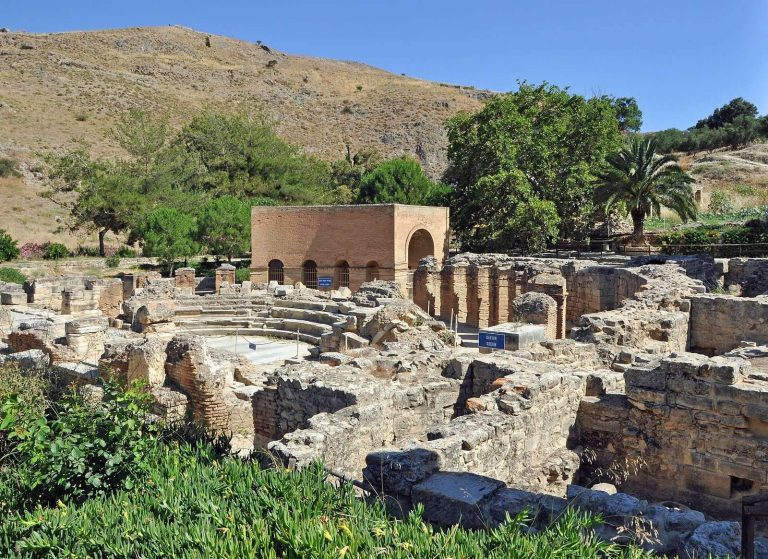
Gortyna Archaeological Site preserves the remains of a major Cretan city whose history spans the Neolithic, Minoan, Greek, Roman, and early Christian…
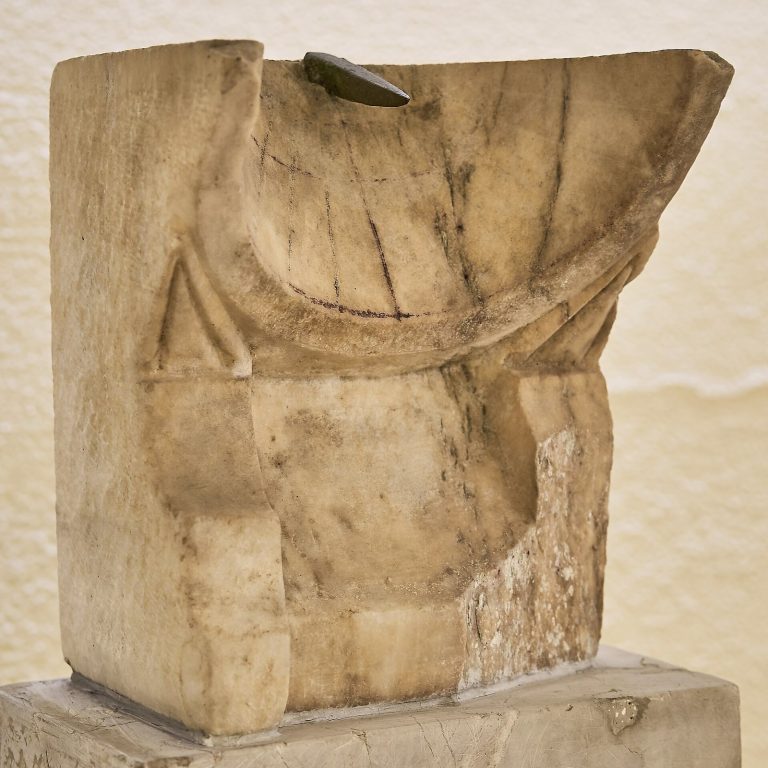
The Archaeological Museum of Piraeus traces the history of the ancient Athenian harbour from the Mycenaean era to Roman times through sculpture,…
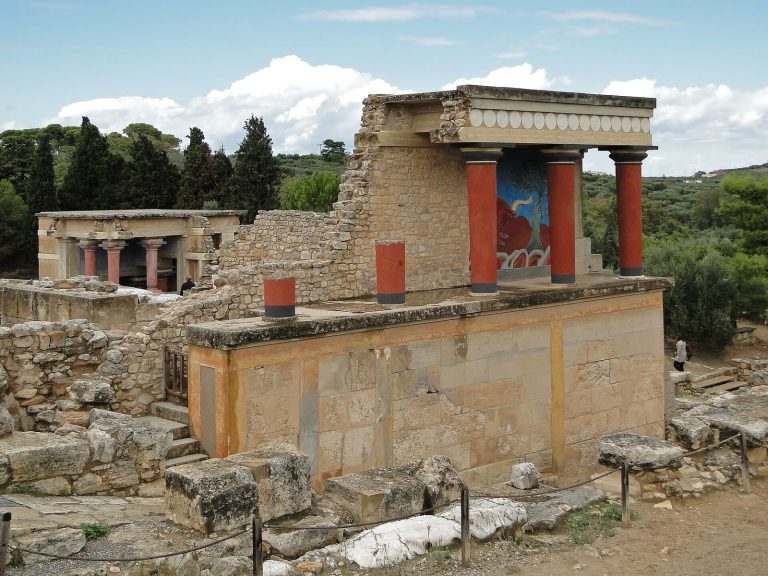
Knossos was a long-lived Cretan urban centre whose Minoan palace became an administrative, ritual and economic hub before later Mycenaean and Roman…
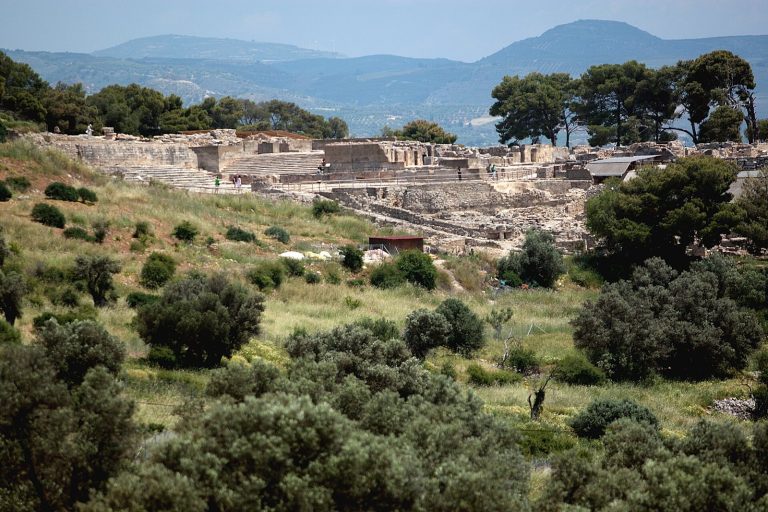
Phaistos is a major Bronze Age settlement in south-central Crete, shaped by Minoan palace culture and later Greek occupation. Its remains include a…
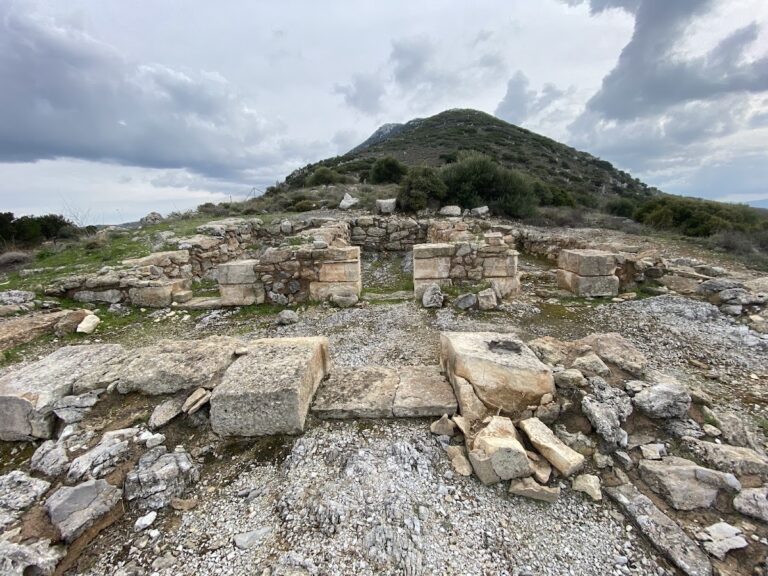
Anemospilia is a Minoan ritual building near Archanes in Crete, destroyed by an earthquake and fire around 1700 BC. Its excavated chambers and human…
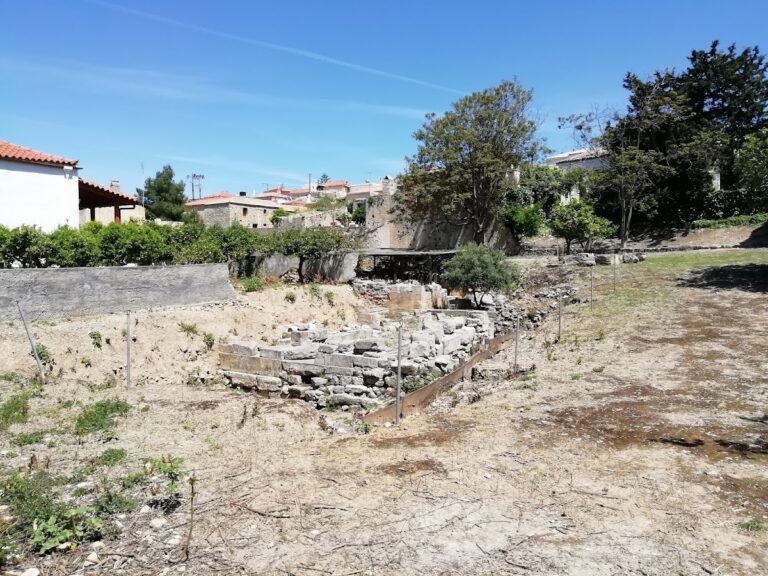
The Palace of Archanes was a major Minoan palace and settlement on Crete, built around 1900 BC and repeatedly rebuilt after earthquakes before its…
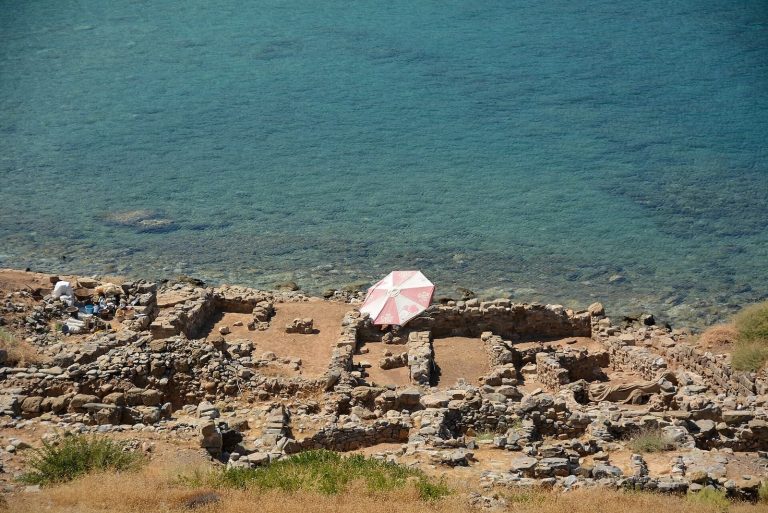
Mochlos was a harbor settlement in eastern Crete, occupied in intermittent phases from the Early Bronze Age into Byzantine times. Its remains on…
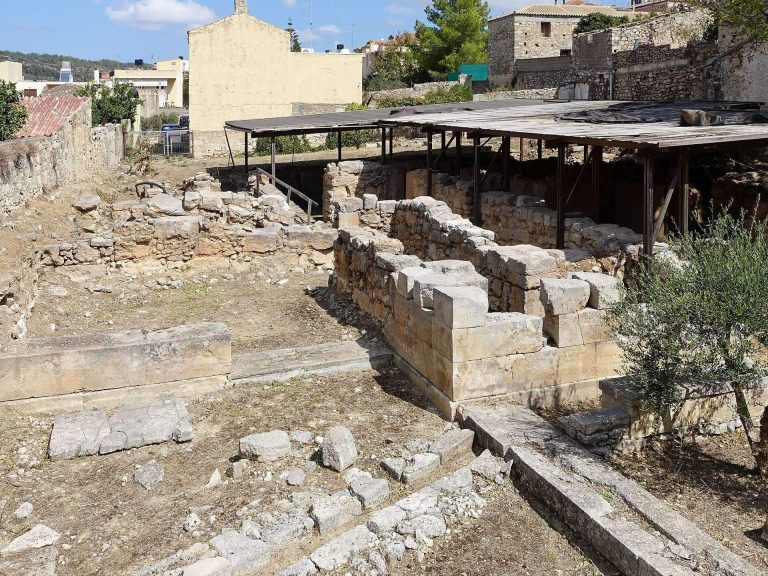
The Archaeological site of Archanes preserves part of a major Minoan palace complex in central-northern Crete, whose administrative, residential,…
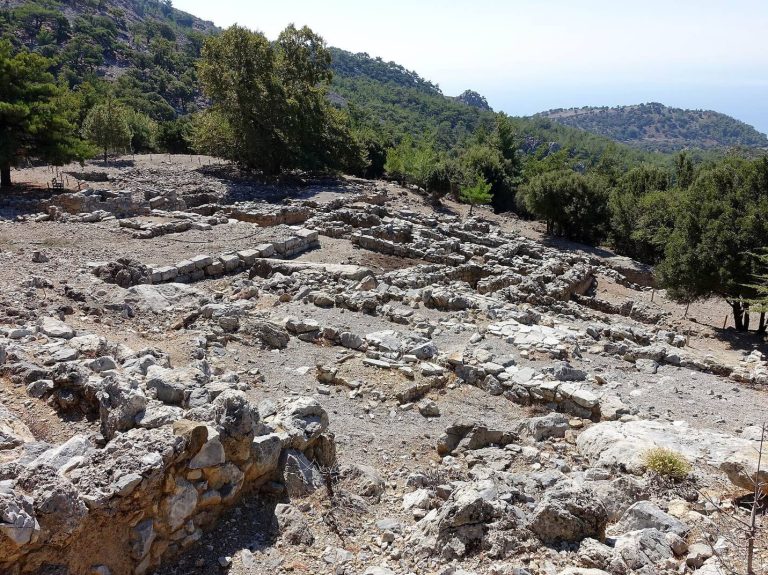
The Sanctuary of Kato Symi was used from the Minoan Bronze Age into the historical era. Its remains reveal changing rituals, buildings, and worship…
For details on how to use the maps, which sites are included, how popularity and ratings are determined, and how sites are classified, see the help page.
On this page5 sections
Courts and circulation at Knossos
The palace at Knossos was organized around a large rectangular central court. Corridors, stairs and entrances connected groups of rooms on different levels, while storage and ceremonial spaces formed parts of the same extensive complex. Repeated rebuilding changed its plan during the Bronze Age.
The site’s familiar colored columns and restored upper spaces owe much to Arthur Evans’s twentieth-century reconstruction. Ancient masonry and surviving foundations should therefore be distinguished from concrete additions and recreated decoration. The excavated layout remains central to understanding how movement, storage and gatherings were accommodated within the palace.
Terraces and approaches at Phaistos
Phaistos occupies a ridge above the Mesara Plain. Its palace developed across terraces, with courts, broad approaches, storage areas and residential spaces at different levels. Successive buildings shifted and enlarged the earlier complex rather than simply reproducing its first plan.
The surviving stairs, wall bases and paved areas allow the relationship between these levels to be followed. Carefully worked stone was combined with rubble, mudbrick and timber in the original buildings. Their excavated remains preserve the arrangement of spaces more fully than their former upper elevations.
Palace remains within Archanes
The Palace of Archanes lies beneath the modern town. Excavations have exposed parts of an entrance, rooms, stairs, storage spaces and a central court, with additional remains found at separate locations. This distribution gives a different archaeological setting from the broad open palace sites.
The standing town limits how much of the Bronze Age complex is exposed. The visible areas document individual components of the palace, while objects recovered during excavation supply further evidence for its decoration and use. Its total original arrangement remains less fully accessible than the excavated plans at Knossos and Phaistos.
A small sanctuary at Anemospilia
Anemospilia, on the slopes of Mount Juktas, preserves the low walls of a compact building with three rooms opening from a shared vestibule. Installations interpreted as altars and concentrations of vessels support its identification as a ritual place.
The building was destroyed during the Bronze Age, leaving evidence very different from a standing temple. Its surviving plan illustrates a smaller religious setting near the palatial centers. Debated interpretations of particular finds are considered in the site article rather than treated as certain features of Minoan worship.
Explore Minoan places
Open a map marker or grid entry for the site’s construction history and excavated remains. The articles distinguish the date of a settlement from the date of the particular palace or sanctuary visible within it.