Fatimid Sites: Explore Mosques, City Gates and Shrines
Fatimid architecture survives most visibly in the mosques and city gates of Cairo, with earlier foundations in North Africa. These buildings include broad congregational prayer halls, carved street façades and domed shrines. The map brings together sites with Fatimid remains, including monuments that were enlarged or restored under later rulers.
Primary Function: All
Type: All
Country: All
Popularity: All
Rating: All
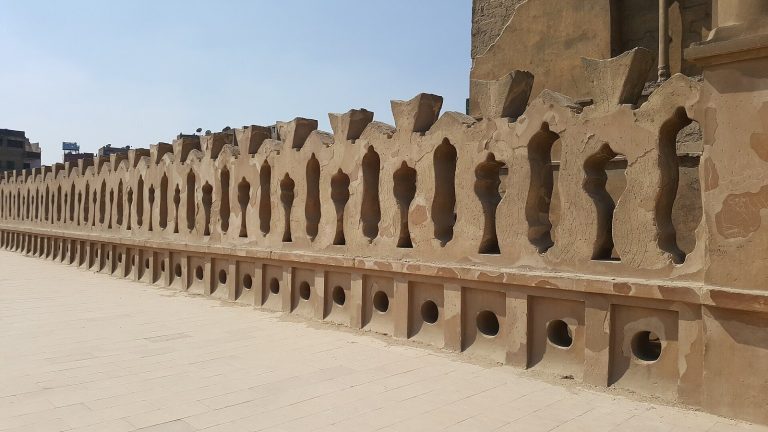
Built for Ahmad ibn Tulun’s new capital and completed in 879, the Mosque of Ibn Tulun is Egypt’s oldest substantially preserved mosque and a…

Founded in Cairo between 970 and 972, Al-Azhar Mosque developed from a Fatimid Isma'ili institution into one of the leading Sunni centers of learning…
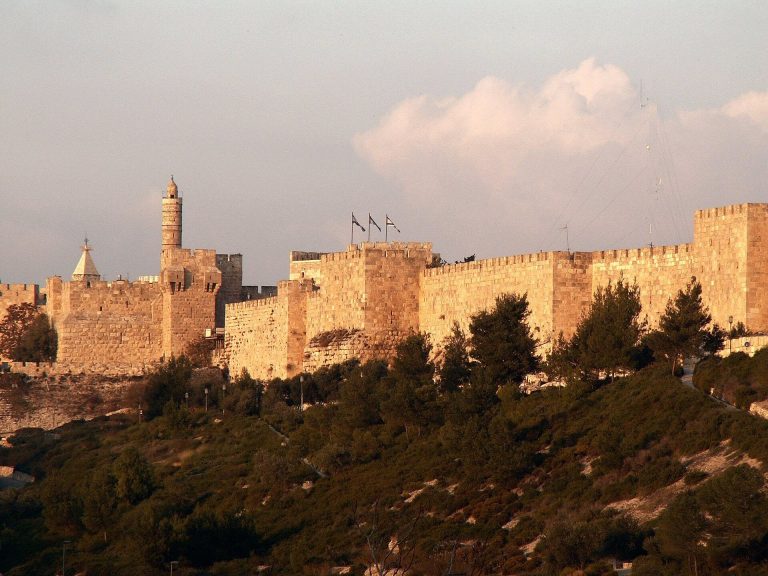
The Walls of Jerusalem preserve successive defensive systems built, altered, destroyed, and rebuilt over more than four millennia, from the Canaanite…
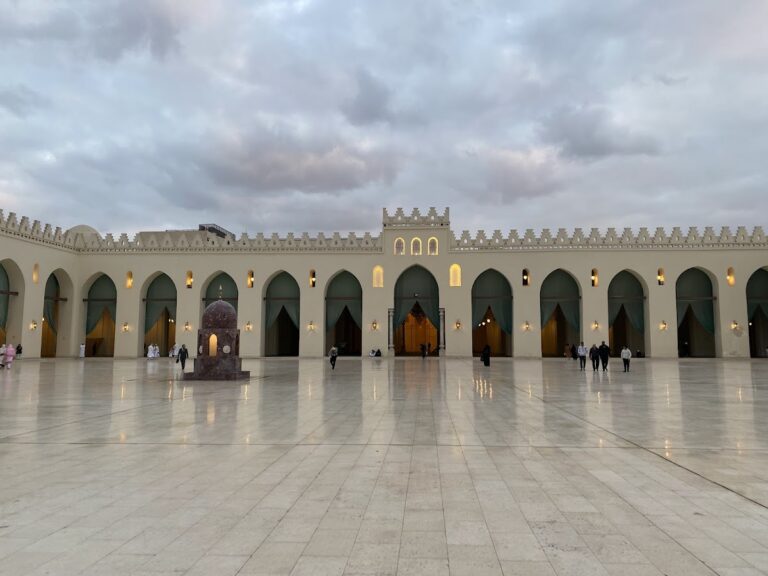
Al-Hakim Mosque is a major Fatimid religious monument in Cairo, begun in 990 and completed in 1013. Its surviving plan, fortified minarets,…

Al-Sayeda Nafeesah Mosque in Cairo incorporates the mausoleum of Sayyida Nafisa, a revered descendant of the Prophet Muhammad. Its history spans the…
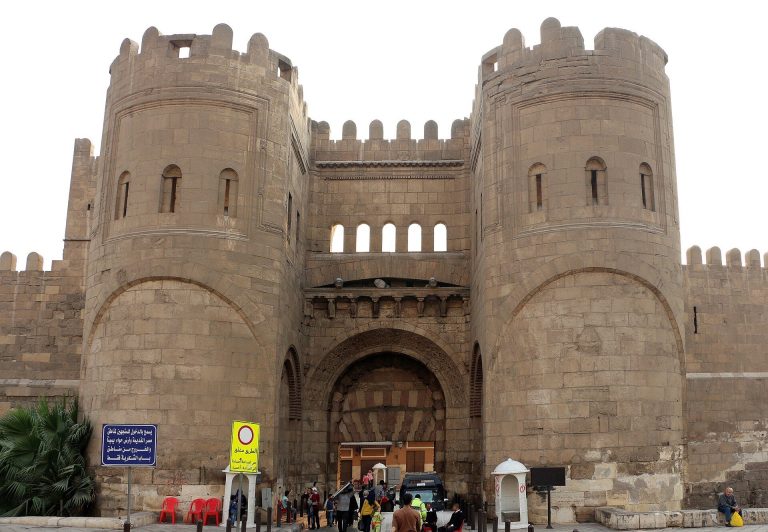
Bab al-Futuh is one of three surviving gates of historic Cairo. Built in stone and completed in 1087 during the Fatimid period, it preserves…
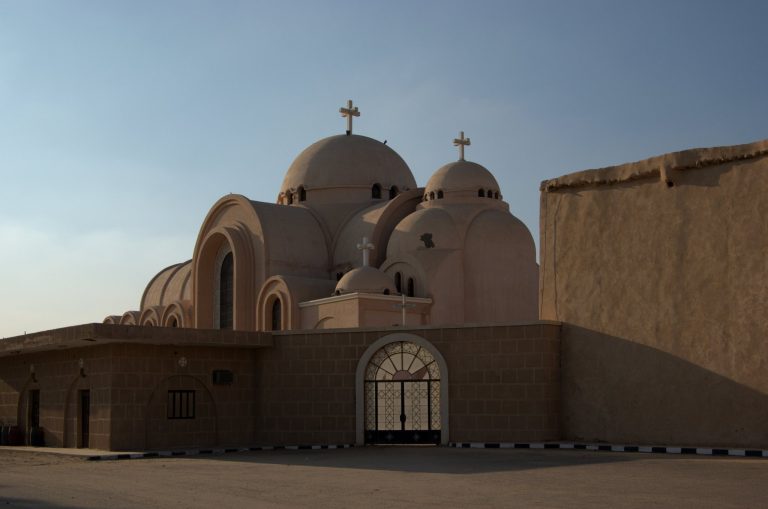
The Monastery of Saint Pishoy in Wadi El Natrun developed from a late fourth-century monastic settlement into a fortified Coptic Orthodox complex…
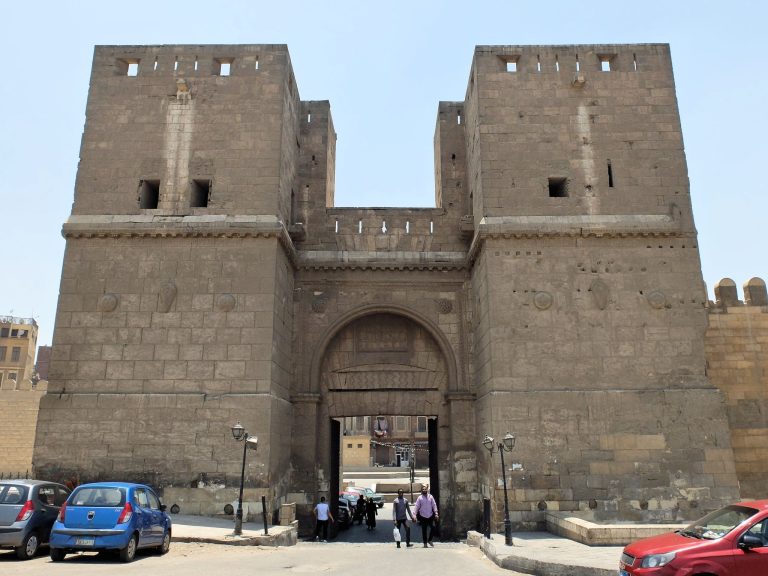
Bab al-Nasr is one of Cairo’s three surviving historic city gates. Built in 1087 under the Fatimid vizier Badr al-Jamali, it formed part of the…
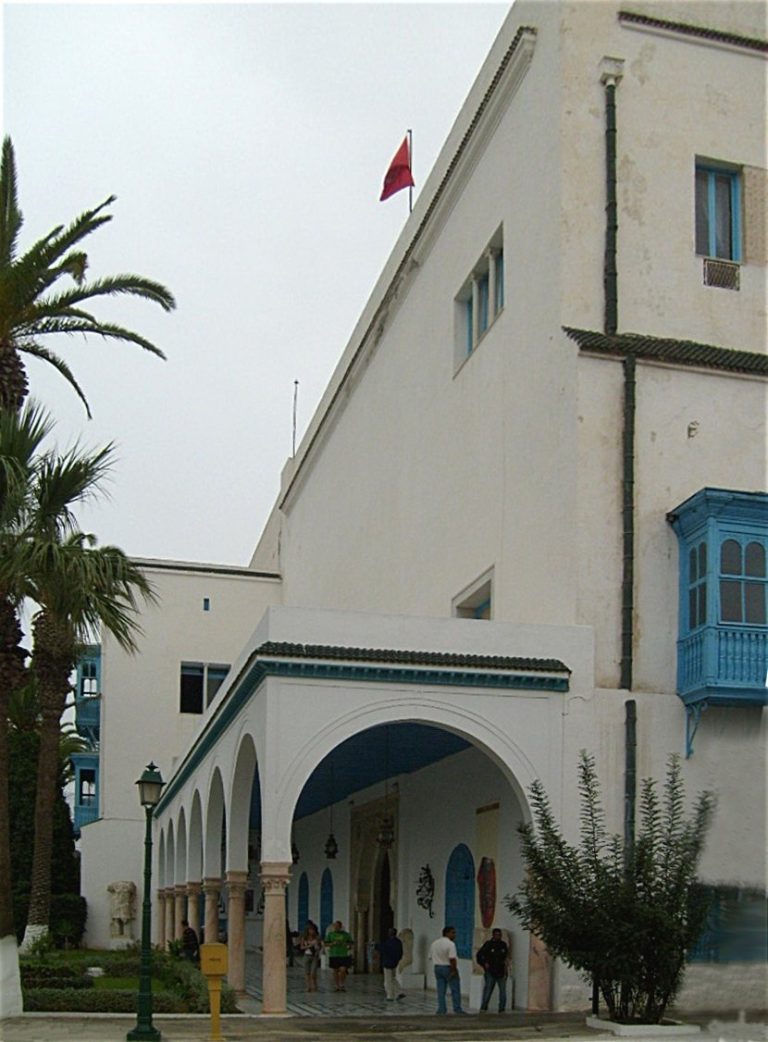
The National Museum of Bardo in Tunis occupies part of the former Bardo palace complex and presents Tunisia’s history from prehistoric times through…
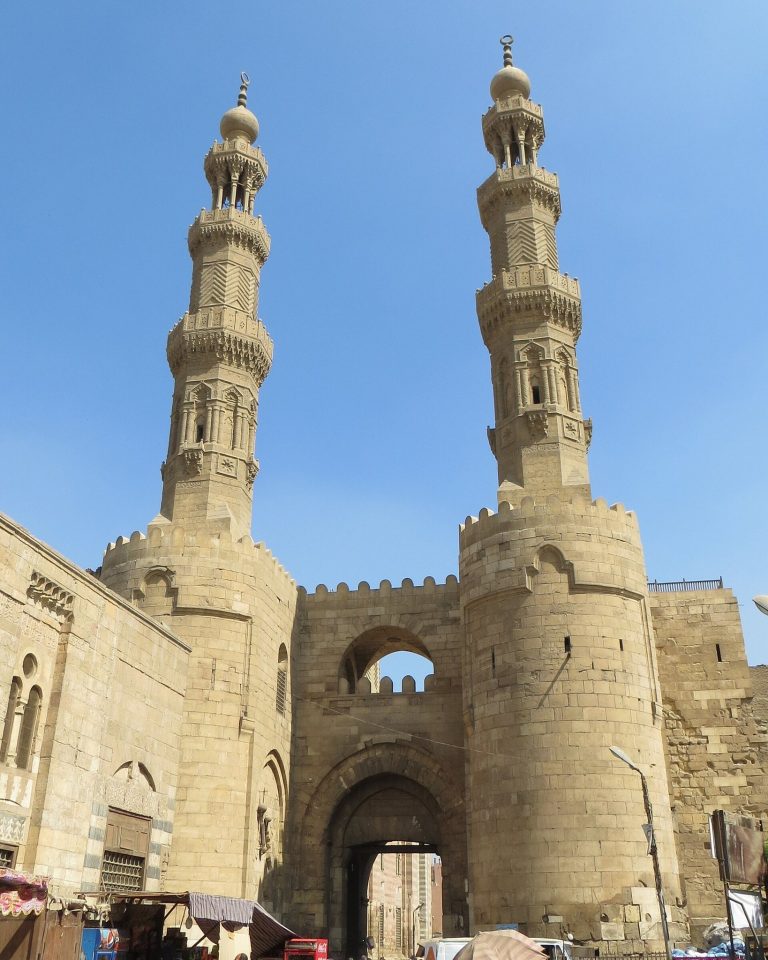
Bab Zuweila is one of Cairo’s three surviving medieval gates. Built in stone in 1092 during the Fatimid rebuilding of the city, it later became a…
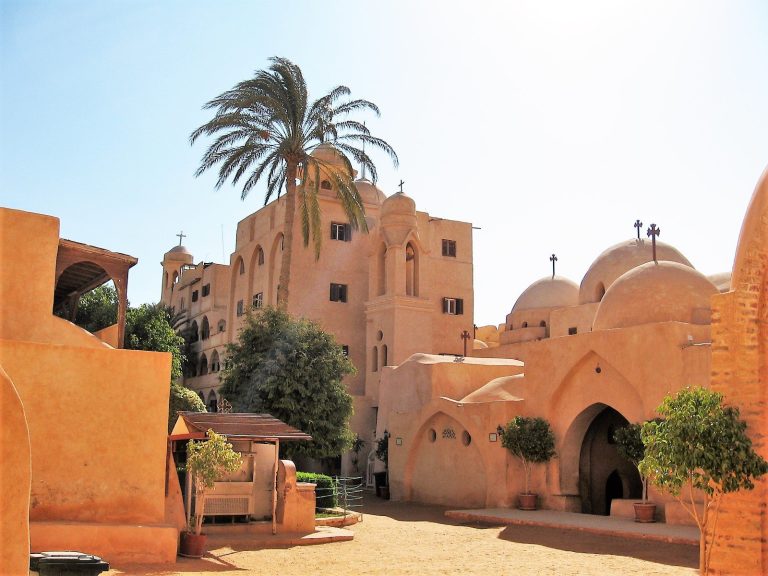
The Syrian Monastery in Wadi El Natrun developed from a sixth-century Coptic foundation into an important Syriac monastic and manuscript centre,…

Ashdod-Sea Fortress is a seventh-century coastal stronghold in Ashdod, Israel. Built under the Umayyad caliph Abd al-Malik, it later served Fatimid…
For details on how to use the maps, which sites are included, how popularity and ratings are determined, and how sites are classified, see the help page.
On this page5 sections
Congregational mosques in Mahdia and Cairo
The Great Mosque of Mahdia was founded in the early tenth century in the Fatimids’ new Tunisian capital. Its projecting entrance gives exceptional prominence to the approach from the city. A large arch and flanking niches articulate the stone façade, while the enclosure’s corner towers contained cisterns. Much of the mosque was reconstructed in the twentieth century; the historic entrance and retained northern fabric are particularly important for understanding its earlier phases.
Cairo’s Al-Hakim Mosque, begun in 990 and completed in 1013, has a large courtyard surrounded by arcades. A deeper prayer hall occupies the side facing Mecca. Its broad central aisle leads toward the prayer niche, organizing movement through the hall. Stone façades and minarets accompany a structure built largely in brick. The present marble finishes and principal mihrab belong to modern refurbishment, so the building’s medieval plan must be distinguished from the date of every visible surface.
Stone gates in Cairo’s northern wall
Bab al-Futuh and Bab al-Nasr belong to the rebuilding of Cairo’s defenses directed by the vizier Badr al-Jamali in the late eleventh century. Their contrasting towers make their defensive arrangements easy to compare: rounded projections flank Bab al-Futuh, while Bab al-Nasr uses rectangular towers.
The gates incorporated spaces for guards and connections with the surrounding walls. Projecting towers allowed defenders to cover the approaches beside the entrances. At Bab al-Nasr, carved shields and an Arabic inscription remain on the façade; the text names the caliph and the minister responsible for the building. Bab al-Futuh adds carved decoration around its arch and projecting stone brackets above the entrance.
Al-Aqmar’s façade and street alignment
The smaller Al-Aqmar Mosque stands along Cairo’s principal Fatimid avenue. Its early twelfth-century builders aligned the façade with the street while orienting the prayer space toward Mecca. Differences in wall thickness reconcile the two directions.
Carved panels, shell-shaped niches and inscriptions cover the façade. A medallion above the entrance includes the names of Muhammad and Ali, making the inscription part of the architectural composition. The mosque has undergone substantial later work: the southern portion of its façade was reconstructed in the 1990s, and its present principal prayer niche is modern. The surviving older carving and the reconstructed portions need to be read separately.
The domed shrine of Sayyida Ruqayya
The Mausoleum of Sayyida Ruqayya preserves a different kind of religious interior. A domed central chamber is flanked by smaller roofed spaces, each with a prayer niche. The principal mihrab combines a shell-like hood, radiating ribs, inscriptions and vegetal ornament in carved stucco. Corner niches carry the transition from the square room toward the dome’s octagonal base.
The shrine dates to the twelfth century and commemorates a member of Ali’s family. Her actual burial here is uncertain; the standing monument is evidence of Fatimid commemoration and devotion, independently of that attribution.
Explore Fatimid remains
The map and grid connect these buildings with the wider collection. Open individual entries for their construction history, surviving decoration and later changes, and use the country filter to compare the Egyptian and North African groups.