Historic Sites in the United States: Explore Ancient Settlements, Mounds and Forts
Explore more than 100 historic sites in the United States, including Indigenous settlements, monumental earthworks, colonial missions and coastal fortresses. The collection also includes sites in Puerto Rico. The articles explain the distinct communities and historical periods represented, with particular attention to surviving structures and reconstruction.
Primary Function: All
Type: All
Civilization: All
Popularity: All
Rating: All
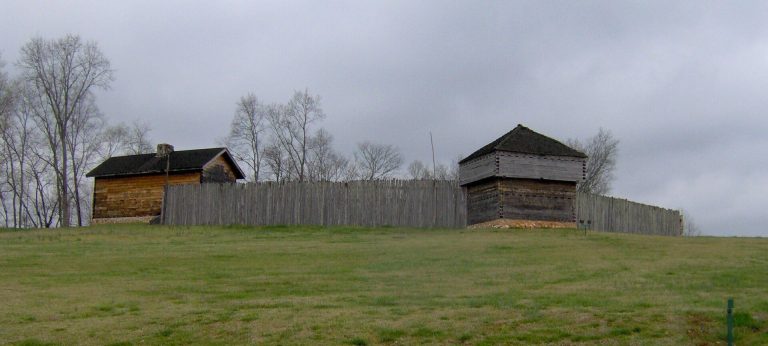
Fort Southwest Point was a federal frontier outpost at the meeting of the Tennessee and Clinch Rivers. Built in 1797, it served military, diplomatic,…
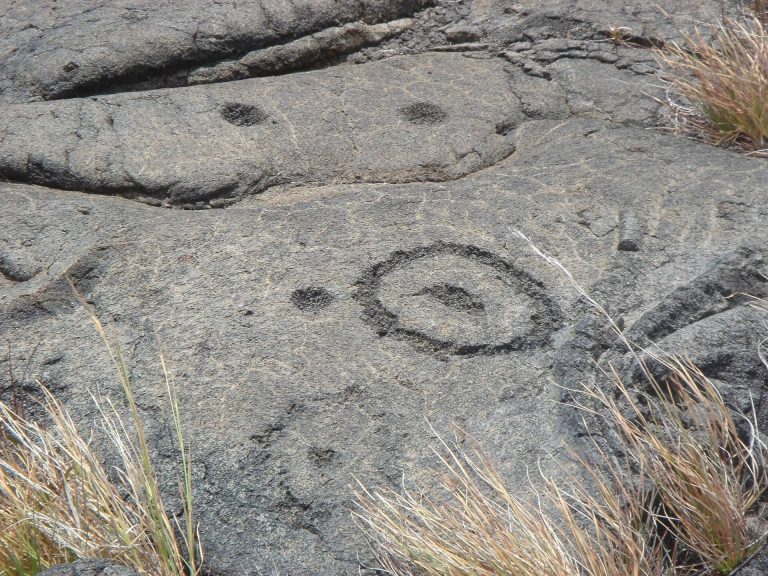
Puʻu Loa Petroglyphs is a major Hawaiian archaeological site on Kīlauea’s coastal lava field, where more than 23,000 carvings preserve evidence of…
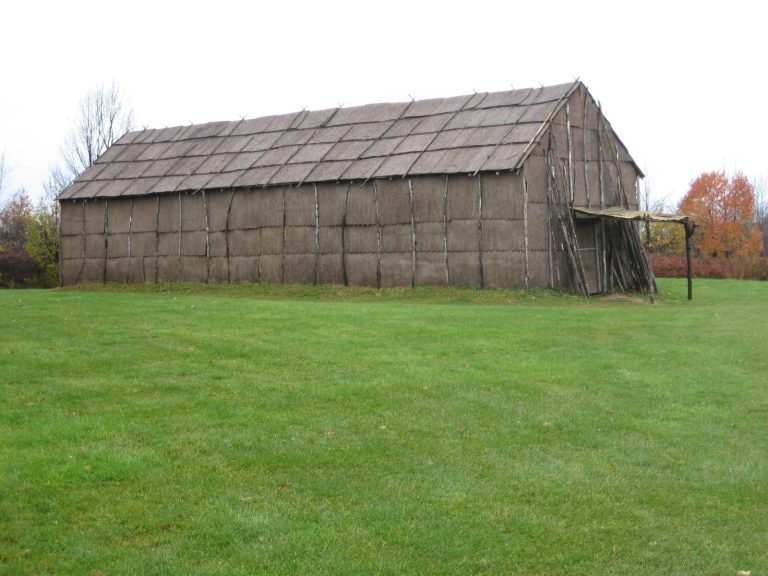
Ganondagan State Historic Site preserves the location of a major seventeenth-century Seneca town, its agricultural and storage landscape, burial…
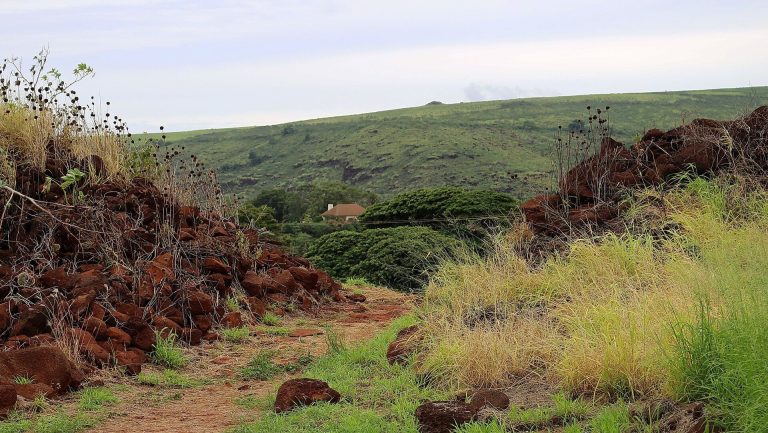
Russian Fort Elizabeth on Kauai was built in 1816–1817 as part of an unauthorized Russian effort to establish political and commercial influence in…
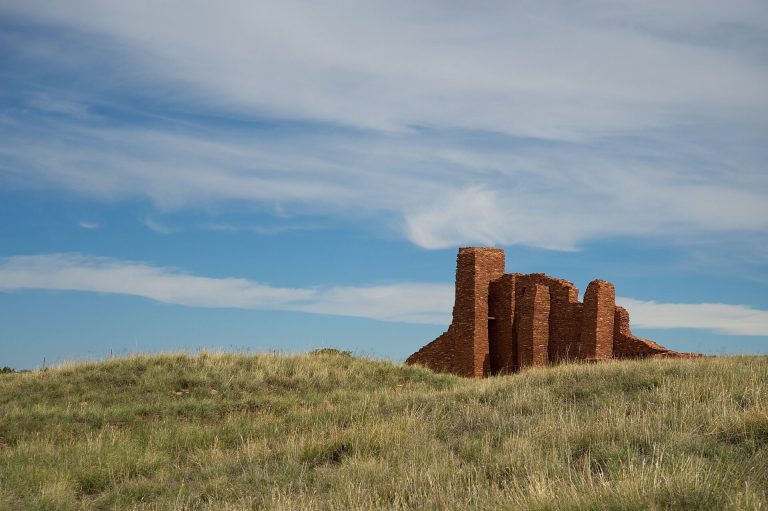
Salinas Pueblo Missions National Monument preserves the ruins of three Spanish mission churches, convents, and Pueblo settlements in central New…
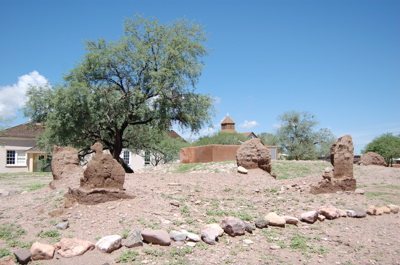
Tubac Presidio was established by the Spanish Army in 1752 as a frontier military settlement in the Santa Cruz River Valley. Its long history…
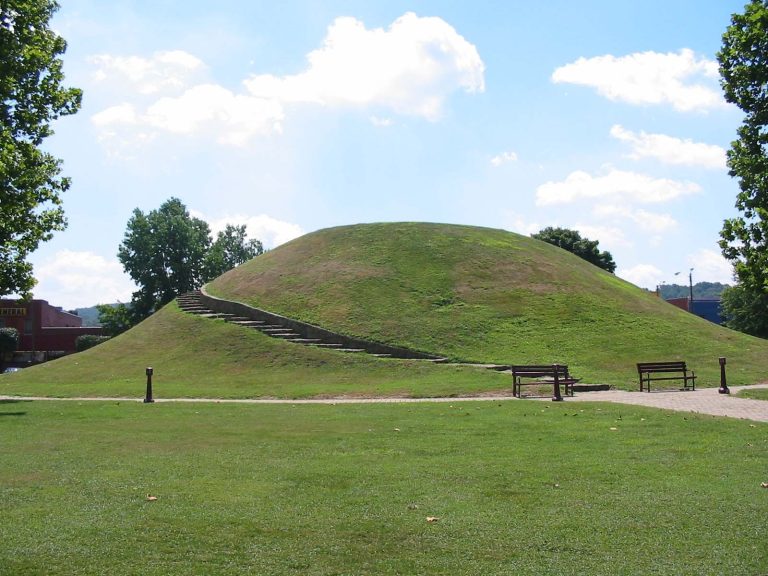
Criel Mound is an Adena burial mound in South Charleston, West Virginia, built around 250–150 BC and associated with the wider Woodland-period…
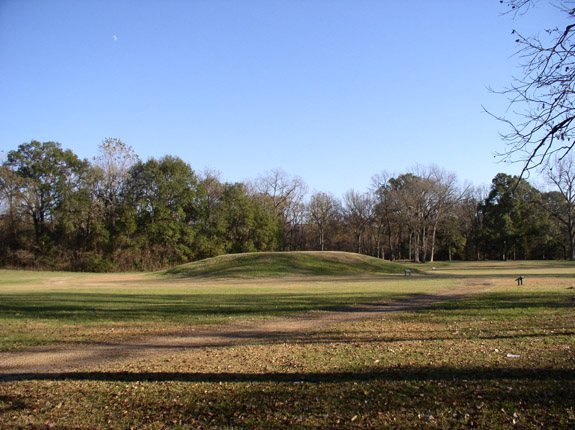
Grand Village of the Natchez was a Plaquemine and Natchez political and religious center built around three platform mounds. Its history spans…
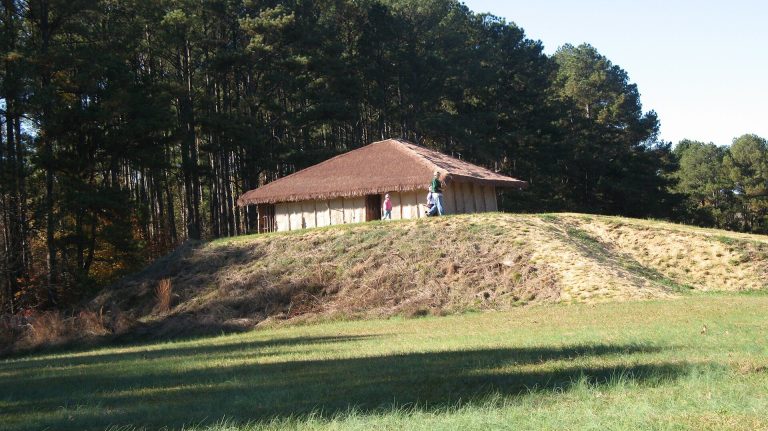
Town Creek Indian Mound was a Pee Dee ceremonial, residential, religious, and trading center occupied from about 1150 to 1400 CE. Its mound, plaza,…
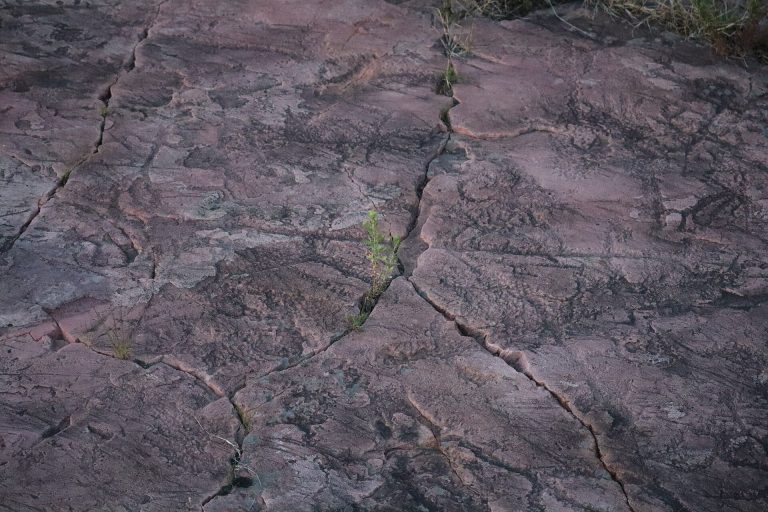
Jeffers Petroglyphs is a pre-contact Native American rock-art site in southwestern Minnesota, where more than 4,000 images were pecked into a…
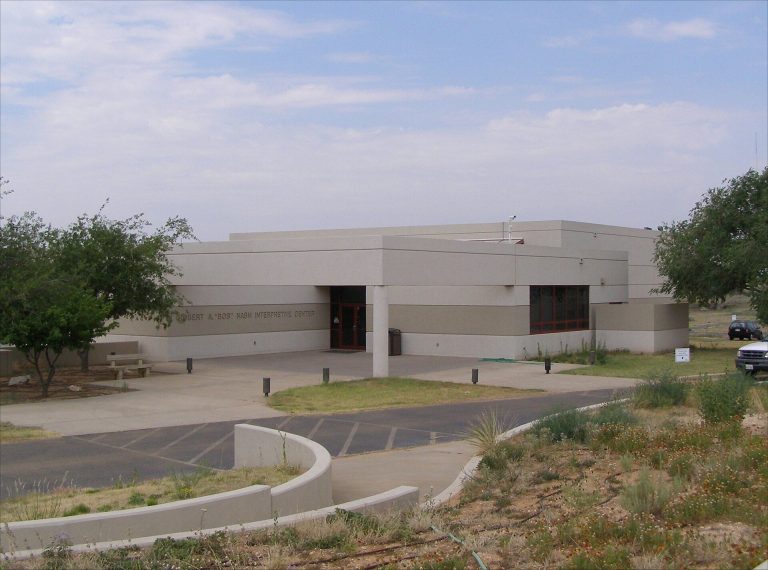
Lubbock Lake Landmark in Lubbock, Texas, preserves a nearly complete archaeological sequence from the Clovis period to historic times, along with…
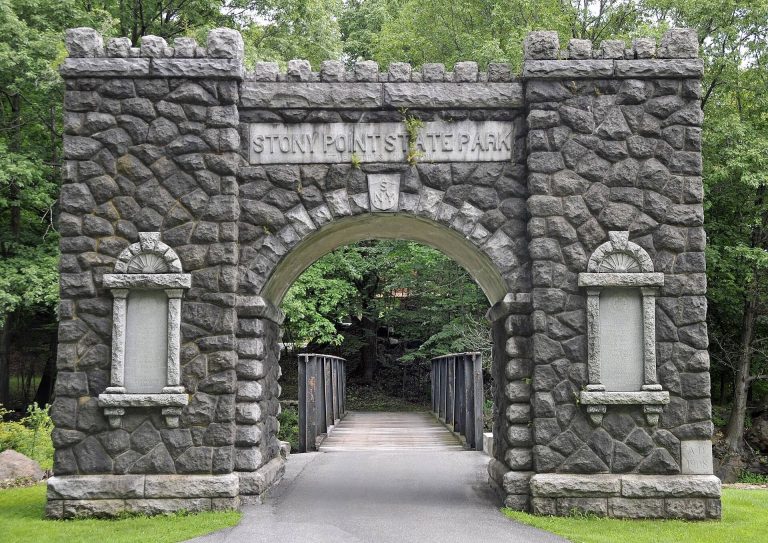
Stony Point Battlefield in New York preserves the setting of a 1779 American Revolutionary War engagement, along with a museum and the 1826 Stony…
For details on how to use the maps, which sites are included, how popularity and ratings are determined, and how sites are classified, see the help page.
On this page6 sections
Rooms and ceremonial spaces at Cliff Palace
Cliff Palace at Mesa Verde was built by Ancestral Puebloan communities during the late twelfth and thirteenth centuries. Sandstone rooms fit beneath a broad rock overhang, with timber beams and earthen mortar used in the construction. Traces of plaster and painted surfaces remain in parts of the complex.
Round, sunken rooms known as kivas occur among the rectangular rooms and open spaces. Their arrangements include hearths, ventilation features and supports for former roofs. The settlement’s plan makes the relationship between storage, living spaces and communal or ceremonial rooms more informative than its dramatic location alone.
Earthen monuments at Cahokia and Serpent Mound
Cahokia, near the Mississippi River in Illinois, was a major Mississippian urban center. Builders carried and placed soil to create large mounds around plazas and residential areas. Monks Mound occupies the central part of this landscape, while other earthworks differ in form and position.
The surviving mounds preserve only part of the larger city. Their arrangement with open spaces establishes a planned ceremonial and residential landscape, even where buildings once standing on or between them have disappeared.
Serpent Mound in Ohio follows a bluff as a long, curving earthen effigy. Its coiled body and tail form a very different design from Cahokia’s platform mounds. The monument’s dating and cultural attribution remain debated, so it should not be assigned confidently to one people or construction year. Its surviving shape is the most direct evidence for the earthwork’s design.
Mission buildings at San José
Mission San José in San Antonio developed as a Spanish colonial religious and agricultural community. Its limestone church has a richly carved façade and the decorated opening known as the Rose Window. Housing and service buildings occupied the surrounding enclosure, linking the church with the daily work of the mission’s Indigenous residents.
The present complex includes extensive twentieth-century restoration and reconstruction, particularly in the enclosure and residential ranges. The standing church and restored setting therefore need to be read together with that conservation history. The individual article explains both the colonial foundation and the later work that shaped its appearance.
Artillery defenses at San Juan
Castillo San Felipe del Morro guards the entrance to San Juan Bay in Puerto Rico. Successive Spanish building campaigns created batteries at several levels on the rocky headland. Landward defenses include bastioned works and a moat, while other gun positions face the harbor and sea.
The fortress developed as artillery and defensive requirements changed. Its relationship with the narrow harbor entrance explains the orientation of its batteries, while the different levels allowed guns to cover distinct approaches. The result is a complex built over centuries rather than a single construction campaign.
Government rooms at Independence Hall
Independence Hall in Philadelphia was built as Pennsylvania’s colonial state house. Its red-brick central block contained the Assembly Room in which the Declaration of Independence and the United States Constitution were debated and adopted.
The building also has a substantial restoration history. The central exterior retains original fabric, while the wings, steeple and much of the interior have undergone rebuilding. Its historical rooms belong to a colonial government building that acquired a new national role, with later conservation shaping how that history is presented.
Explore sites by place and period
Use the map and grid to locate sites around a destination or compare particular structures. Open individual entries for their historical context, surviving remains and reconstruction history.