Mission San José: A Spanish Colonial Mission in San Antonio
Site at a Glance
- Rating
- 4.8
- Popularity
- Medium
- Country
- United States
- Primary era
- Classical
- External website
- Open
- Eras represented
- Classical
- Civilizations
- Spanish
- Site type
- Religious
- Remains
- Church
On this page12 sections
History
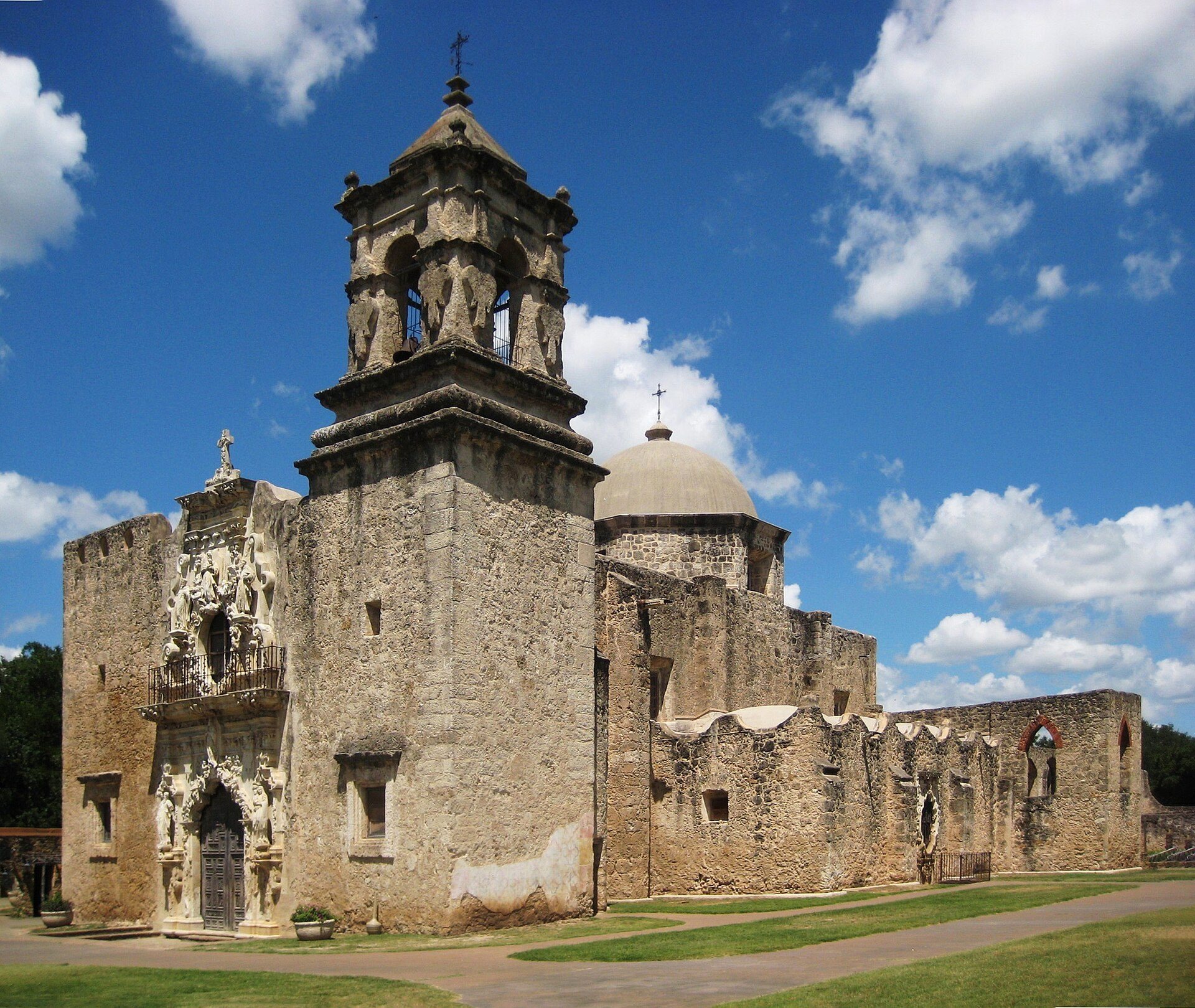
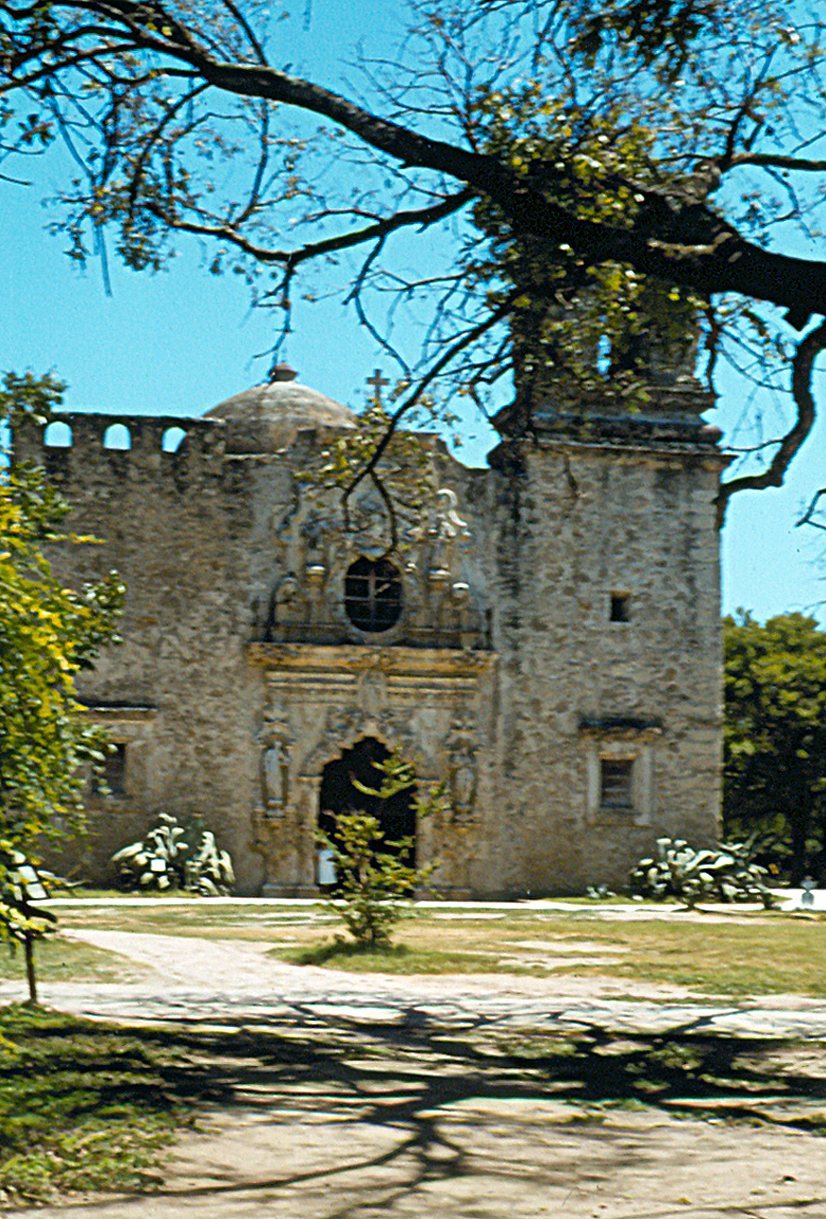
Mission San José is a Roman Catholic Spanish Colonial mission in San Antonio, Texas, United States, founded on February 23, 1720, by the Cana people. Known fully as Mission San José y San Miguel de Aguayo, it was established during the Spanish colonial period to serve Coahuiltecan Indigenous communities and to relieve overcrowding at Mission San Antonio de Valero, the earlier mission later known as the Alamo.
Foundation and development
Father Antonio Margil received permission from José de Azlor y Virto de Vera, Marquis of San Miguel de Aguayo and governor of Coahuila and Texas, to establish the mission about 5 miles, or 8 kilometers, south of San Antonio de Valero. The first buildings were soon replaced by more substantial stone structures as the mission expanded its religious, residential, agricultural, and administrative functions.
Construction of the present church began in 1768, and the wider complex was completed in 1782. Mission lands were distributed to the Native residents in 1794. Mission activities officially ended in 1824, after which the buildings were used by soldiers, homeless people, and bandits.
Restoration and continuing use
Rebuilding and restoration began in 1933, when the Civil Works Administration and later the Works Progress Administration provided labor for work on the grounds. Funding also came partly from United States allocations connected with the Texas Centennial Exposition in Dallas in 1936. The mission walls and Native living quarters were rebuilt, while the granary was restored.
Mission San José forms part of San Antonio Missions National Historical Park, a United States national park unit preserving and interpreting the Spanish colonial missions around San Antonio. In 2015, it joined the Alamo, Mission Concepción, and two other missions within the San Antonio Missions UNESCO World Heritage Site. The mission remains an active parish served by the Order of Friars Minor, the Franciscan religious order.
Remains
Mission San José follows a Spanish Colonial plan enclosed by a substantial outer wall. The complex combined worship with residential, administrative, and food-storage spaces, creating a fortified mission community whose surviving elements include the limestone church, living quarters, and restored granary.
Enclosure and community buildings
Outer wall and living quarters
Rooms for approximately 350 Native residents were incorporated into the enclosing walls. Guest rooms, offices, a dining room, a pantry, and other mission buildings were arranged within the same complex. The walls and Native living quarters were rebuilt during twentieth-century restoration, preserving the form of the mission settlement.
Granary
The granary, a building used to store grain, is one of the restored mission structures. Its function reflects the agricultural and residential work carried out within the Spanish Colonial mission.
Church and carved decoration
Church building
The present church was built from local limestone beginning in 1768 and remains standing. Its construction belongs to the major stone-building phase that shaped the completed mission complex.
Facade sculpture
The church facade presents a vertical sequence of religious figures. At the top is a cross representing Jesus Christ, followed by Saint Joseph holding the infant Jesus. Saint Dominic and Saint Francis appear below, with Our Lady of Guadalupe beneath them. Saint Joachim and Saint Anne, holding the infant Mary, complete the lower part of the arrangement.
Rose Window
The Rose Window, a large circular ornamental window, is set in the south wall of the church sacristy, the room where clergy prepare for worship and liturgical items are kept. Sculpted in 1775, it is an example of Baroque architecture in the Americas. Its sculptor and original significance remain uncertain.
Folklore attributes the window to Pedro Huizar, described as a Spanish master craftsman and artist, and says that he dedicated it to his sweetheart, Rosa, who died at sea while traveling from Spain to meet him. This attribution has not been verified.
Later architectural influence
Architectural elements from Mission San José have been borrowed by many buildings on the campus of Texas Tech University in Lubbock, Texas.