Historic Sites in Russia: Explore Fortresses, Imperial Palaces and Monasteries
Explore more than 200 historic sites in Russia, including island castles, bastioned fortresses, imperial palaces, fortified monasteries and cathedrals. Religious buildings form the largest group in the collection. Examples from Vyborg, Saint Petersburg, Zvenigorod, Suzdal and Kaliningrad show defensive towers, royal state rooms, monastic enclosures and church interiors shaped by successive building campaigns.
Primary Function: All
Type: All
Civilization: All
Popularity: All
Rating: All
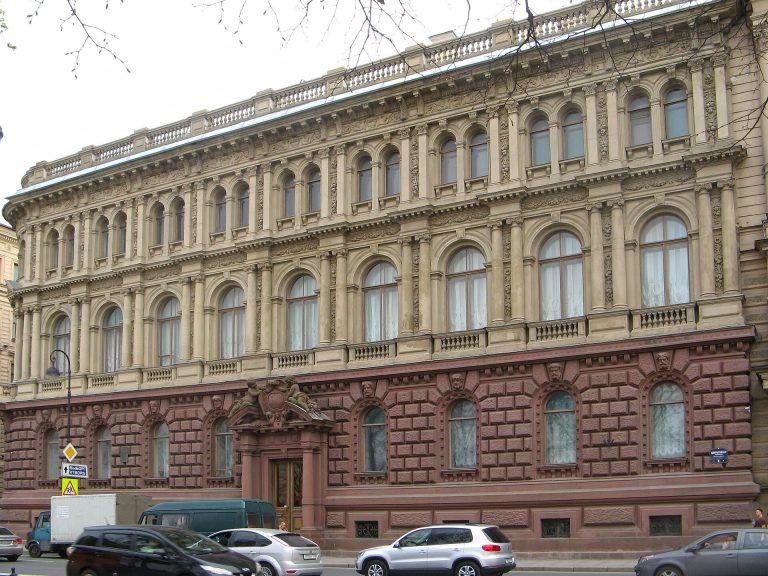
Built between 1885 and 1891 for Grand Duke Mikhail Mikhailovich, this Saint Petersburg palace later housed railway, maritime, industrial, and…
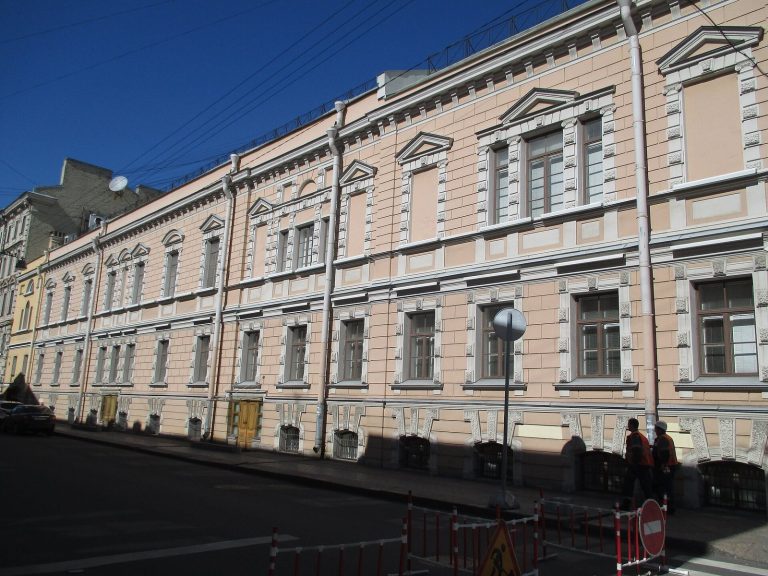
Bezborodko Palace developed from two eighteenth-century houses into a grand residence, later serving postal administrations and the Museum of…
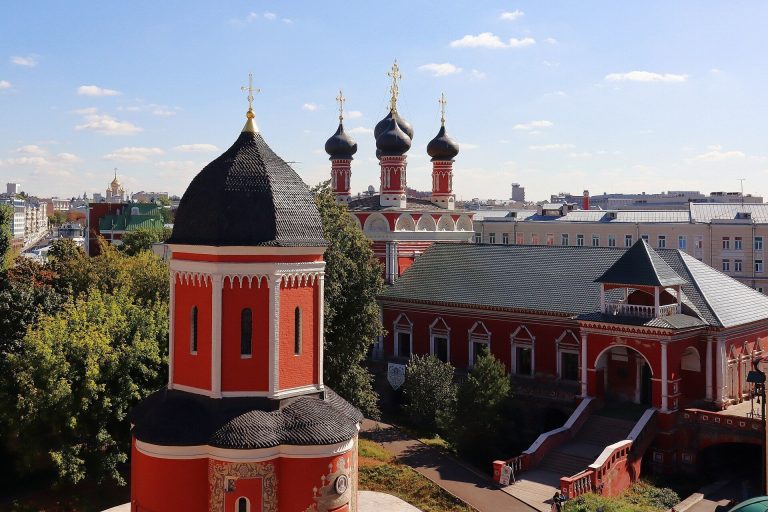
The cathedral of Vysoko-Petrovskiy Monastery in Moscow developed from a wooden church into an early sixteenth-century Renaissance building, later…
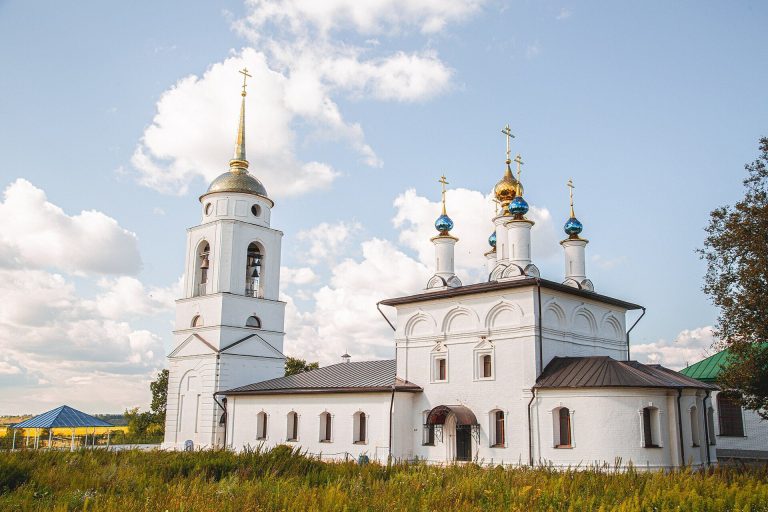
Likhvinsky Pokrovsky Monastery in Dobroe, Tula Oblast, traces its origins to the medieval period and was rebuilt in stone after wartime destruction…
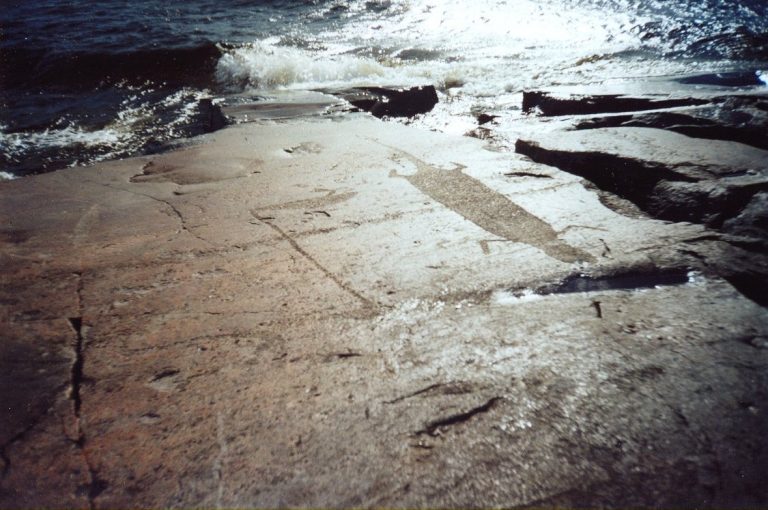
The Onega petroglyphs are prehistoric rock carvings in Karelia, Russia, created mainly during the fourth and third millennia BC. Their many images of…
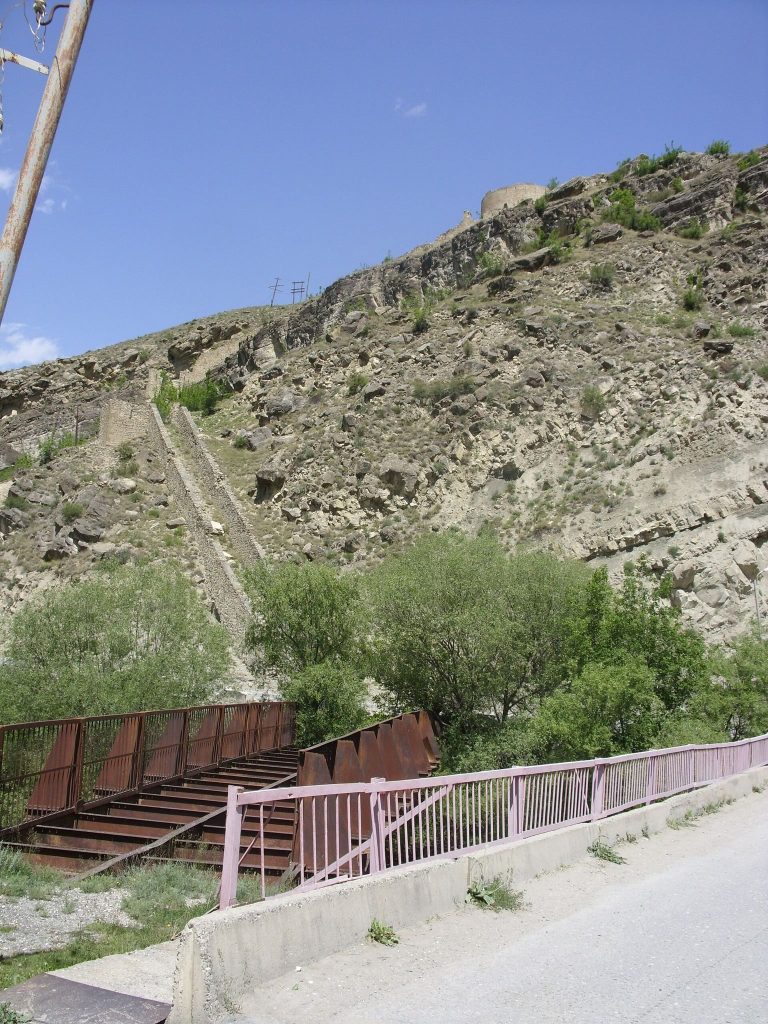
Preobragenskaya Fortress was founded in 1859 to control the road through the Andiyskoye Koysu valley. Later moved because of harsh conditions and…
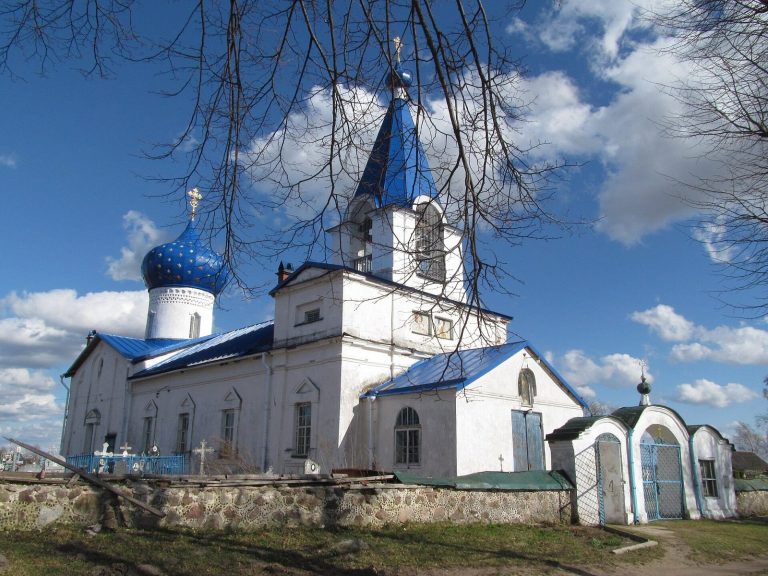
The Church of Michael the Archangel at Kobylje Gorodische is an Orthodox monument associated with the medieval Kobyla fortress and noted for…
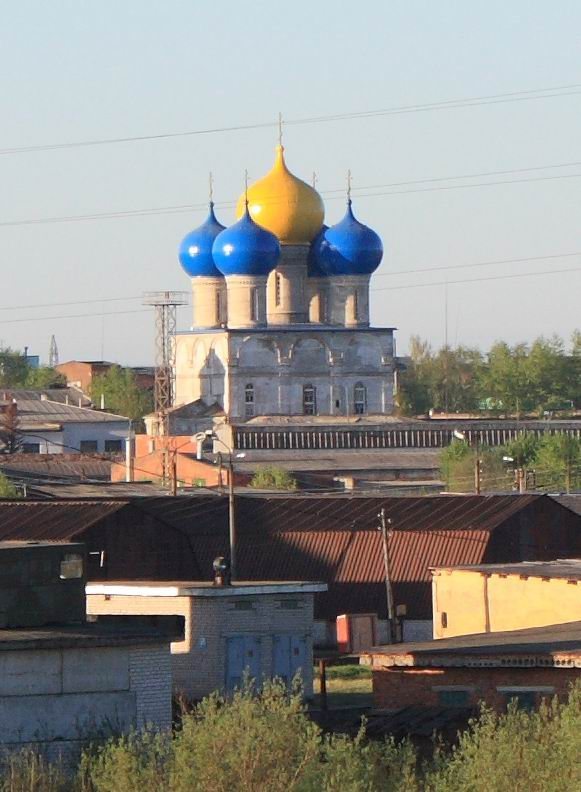
Nikolo-Korelsky Monastery on the Northern Dvina developed from a medieval Orthodox foundation into a major maritime gateway, trading center, prison,…
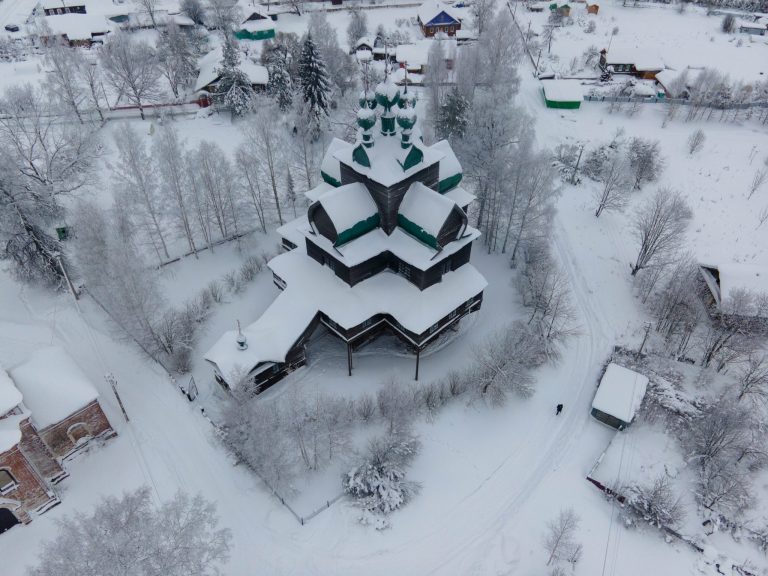
Built in 1694 in Nelazskoye, the Church of the Dormition of the Theotokos is a major example of northern Russian wooden church architecture, shaped…
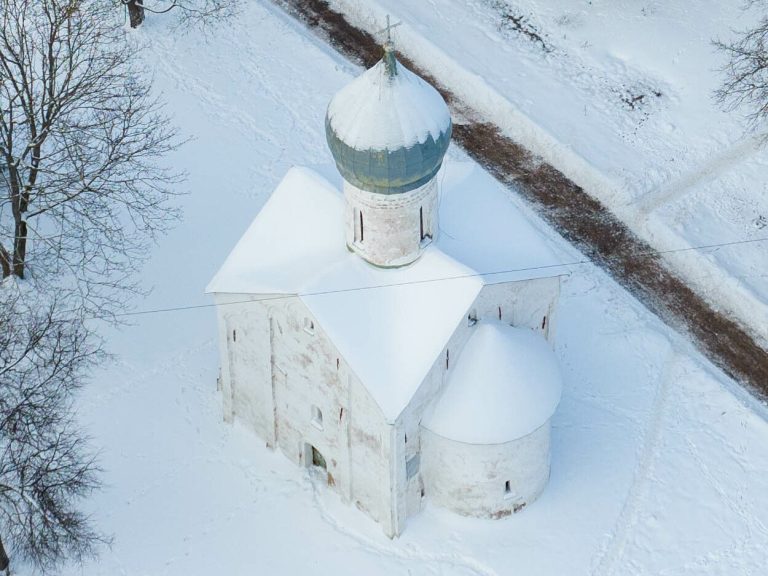
Saint Blaise Church on Volosova Street in Veliky Novgorod was built in 1407 and preserves the history of a site associated with medieval Novgorod,…
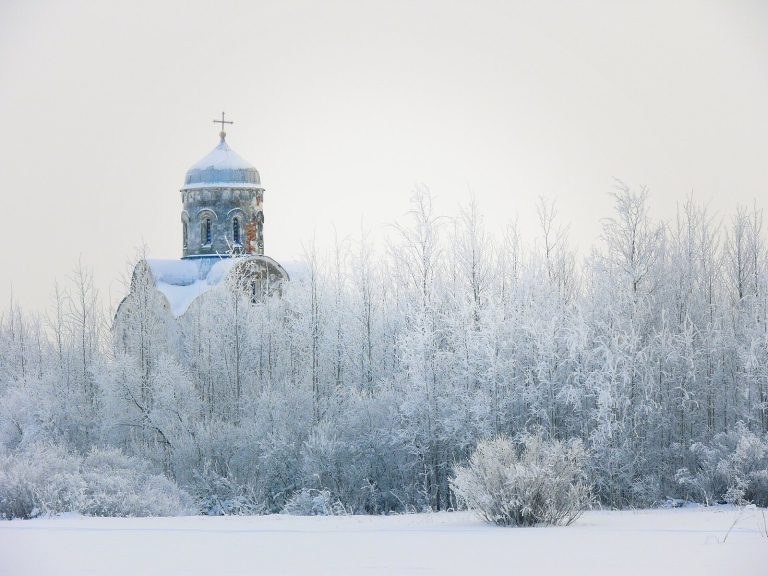
Saint Nicholas Church on Lipno Island is a late-thirteenth-century Novgorodian church with surviving medieval frescoes, distinctive masonry, and a…
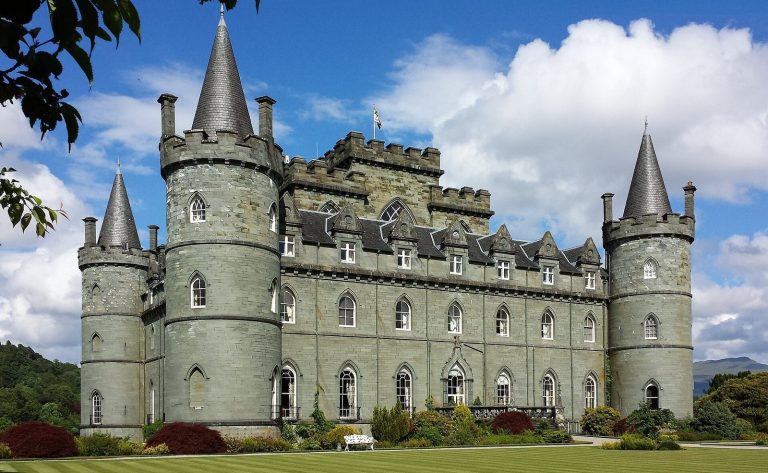
Chesme Palace is an eighteenth-century imperial travel palace in Saint Petersburg, built for Catherine II beside Chesme Church in an early Russian…
For details on how to use the maps, which sites are included, how popularity and ratings are determined, and how sites are classified, see the help page.
On this page5 sections
Castles and bastioned fortresses
Vyborg Castle was founded by the Swedes in 1293 on a small island controlling routes through Vyborg Bay. Its walls follow the island, with the main enclosure occupying the higher ground. The Tower of Saint Olaf rises above it: a square lower structure carries an octagonal upper section added during sixteenth-century rebuilding. Gun embrasures in that upper section adapted the tower for firing in several directions.
The Peter and Paul Fortress in Saint Petersburg was founded in 1703. Its stone defences form an irregular hexagon with six bastions connected by curtain walls. Enclosed chambers within the walls accommodated stores, workshops, barracks and later prison cells. The low, spreading arrangement of bastions belongs to a different defensive design from Vyborg’s dominant central tower, while both complexes use islands as part of their protected setting.
Imperial palaces and state rooms
The Winter Palace occupies a large urban block between the Neva and Palace Square. Four wings surround an internal courtyard, with principal façades facing the river and the city’s ceremonial spaces. The exterior follows the Elizabethan Baroque composition associated with Francesco Bartolomeo Rastrelli, while the interiors include later decorative styles.
Large state rooms rise through more than one floor, giving the reception spaces a scale different from the smaller rooms and intermediate levels elsewhere in the building. The fire of 1837 destroyed much of the interior and led to extensive reconstruction. Its rooms therefore need to be understood through both the eighteenth-century palace plan and the nineteenth-century rebuilding, rather than treated as an entirely surviving original scheme.
Fortified monasteries and royal accommodation
Savvino-Storozhevsky Monastery stands on a hill above the Moskva near Zvenigorod. Its compact Nativity Cathedral has a high drum beneath its dome and bands of ornament across the façade. Interior painting includes medieval work and a much larger seventeenth-century campaign, alongside a tall icon screen. A gate church places a tent-roofed religious building above the entrance passage.
The complex also incorporated a palace for Tsar Alexis, with royal apartments, kitchens and rooms for attendants. Its construction and later enlargement added secular accommodation to the monastic enclosure. These rooms help explain how royal patronage affected the buildings as well as the church decoration.
At the Monastery of Saint Euthymius in Suzdal, a long circuit of seventeenth-century walls surrounds the religious buildings. Twelve towers punctuate the enclosure. The rectangular entrance tower carries elaborate ornamental brickwork around its passages and upper windows, while the other towers are circular. Within the walls, an earlier church over the founder’s grave was incorporated into the later Transfiguration Cathedral as a chapel.
Cathedrals and Gothic churches
Königsberg Cathedral, now in Kaliningrad, adds a brick Gothic building on an island site. Its medieval plan developed from a single-nave church into a longer structure with a three-aisled western body. Different sections once accommodated the Teutonic knights and the wider congregation.
The cathedral lost its roof and almost all its furnishings in the 1944 fire. Its present roof, tower structures and much of the interior result from postwar reconstruction. The rebuilt volume preserves the scale and outline of the cathedral, while surviving masonry and stone monuments record parts of the earlier building.
Explore the collection
Explore sites on the map or in the grid. Map icons indicate each site’s primary function, helping you identify different kinds of places at a glance. Narrow the results by primary function, site type, civilization or era, with additional filters for popularity and rating. Select a map marker to view the site’s details and open its article, or open the article from its grid entry.