Historic Sites in India: Explore Temples, Forts and Palaces
Explore more than 200 historic sites in India, including rock-cut temples, Buddhist monasteries, hill forts and royal palaces. The collection ranges from prehistoric rock shelters to early modern coastal defenses. Its articles explain what survives at each place and distinguish original construction from later rebuilding.
Primary Function: All
Type: All
Civilization: All
Popularity: All
Rating: All
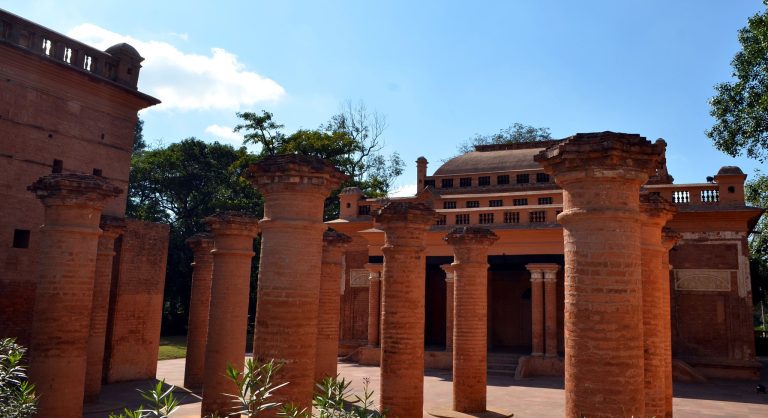
Kangla Fort in Imphal was the ancient capital and administrative seat of the Meitei rulers of the Ningthouja dynasty. Its surviving western ruins,…
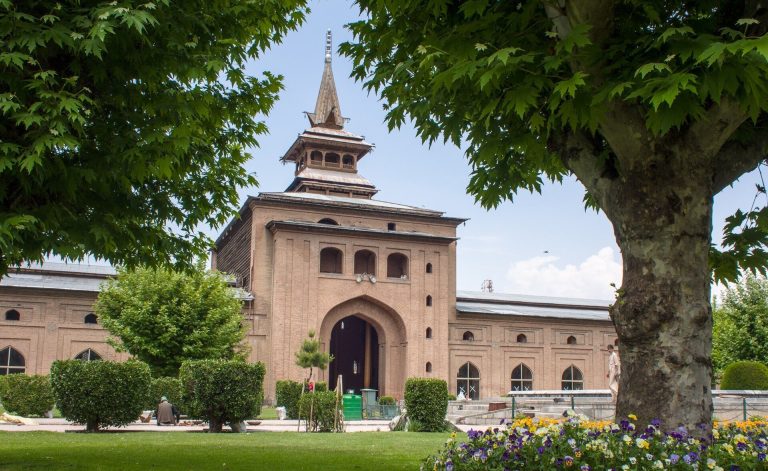
Jamia Masjid in Nowhatta, Srinagar, was founded in 1394 and completed in 1402. It has served as a major religious, educational, and political…
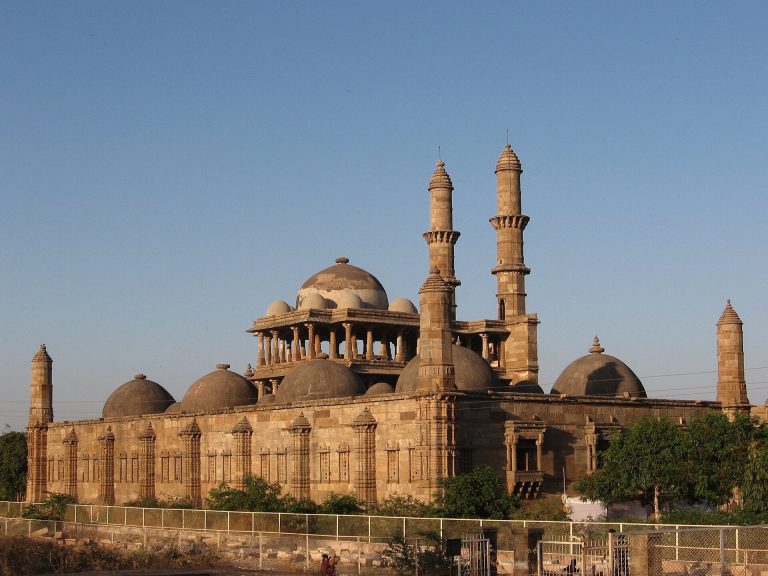
Champaner-Pavagadh Archaeological Park preserves the former capital of Gujarat, fortified hill settlements, Hindu and Jain shrines, mosques, tombs,…
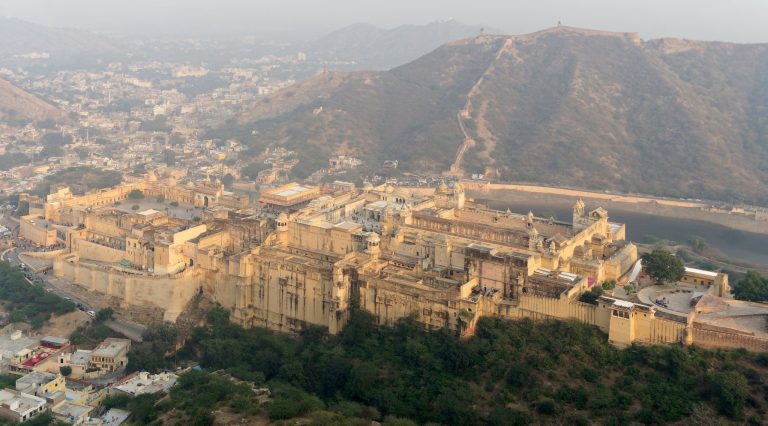
Amber Fort is a late-sixteenth-century Kachwaha Rajput fort and palace complex at Amer in Rajasthan. Its courtyards, temples, audience halls,…
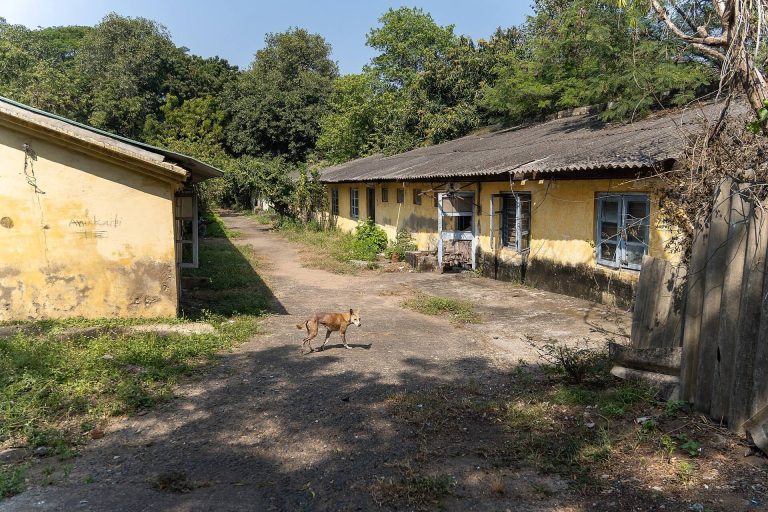
Fort St. George in Chennai was founded by the English East India Company in 1639 and became a centre of British military, commercial, and political…
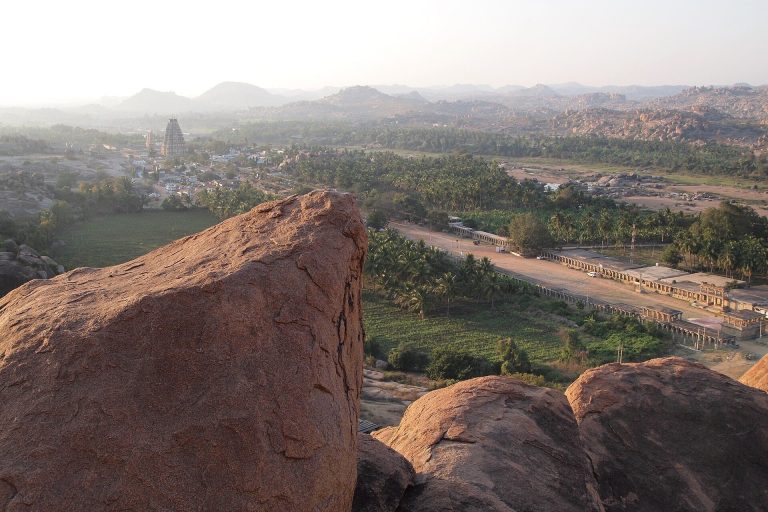
Hampi preserves the remains of Vijayanagara, a major South Indian imperial capital founded in 1336. Its temples, markets, waterworks, royal…
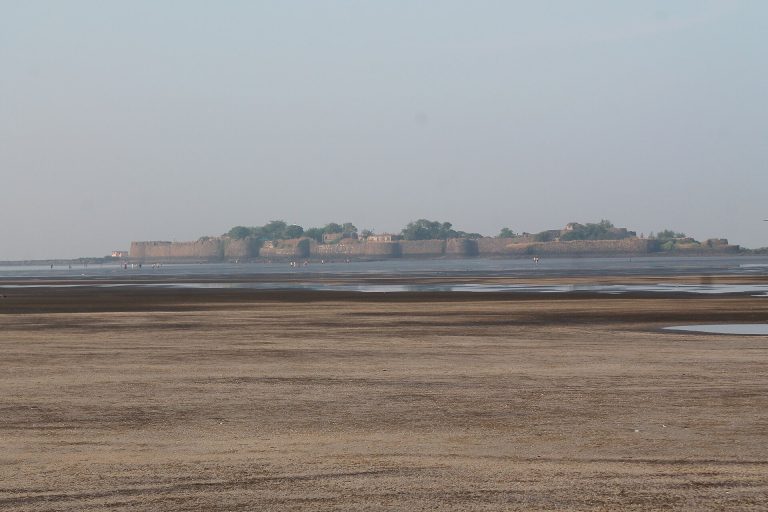
Kolaba Fort is a seventeenth-century fortified maritime base off Alibag, strengthened by Chhatrapati Shivaji Maharaj and completed under Chhatrapati…
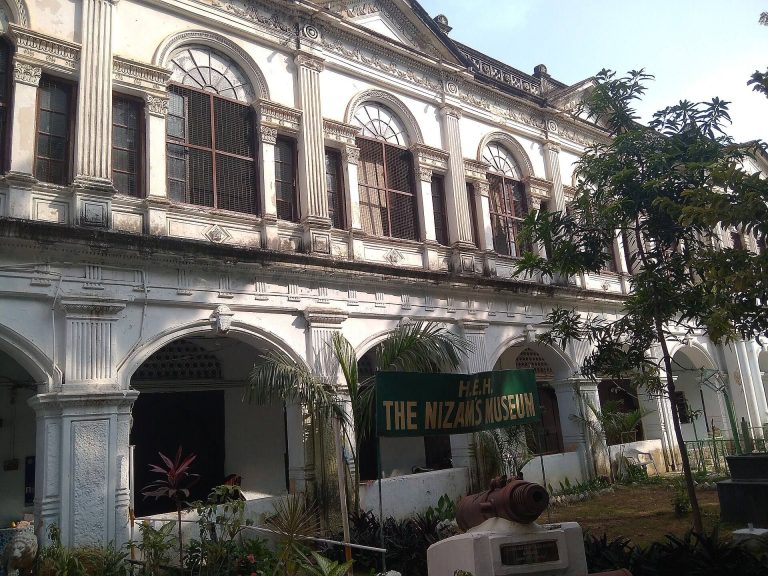
Purani Haveli, also known as Masarrat Mahal, was an official residence of the Nizams of Hyderabad and now contains the Nizam’s Museum, educational…
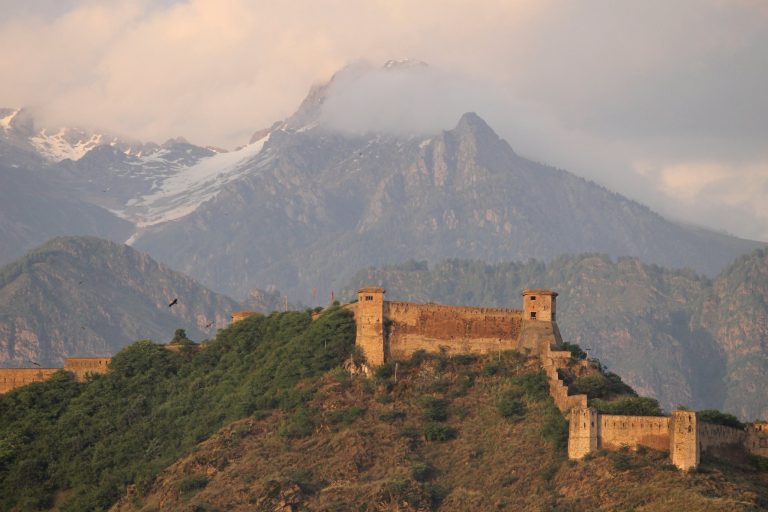
Hari Parbat Fort in Srinagar developed from Akbar’s late-sixteenth-century Mughal enclosure into a later fortification built under Afghan Durrani…
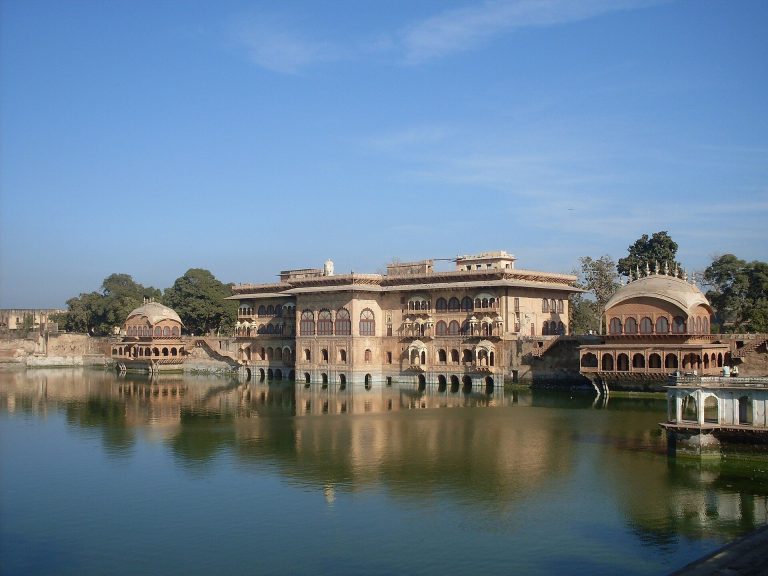
Deeg Palace in Rajasthan was built by the rulers of the Bharatpur State as a fortified summer retreat and administrative centre, combining Mughal and…
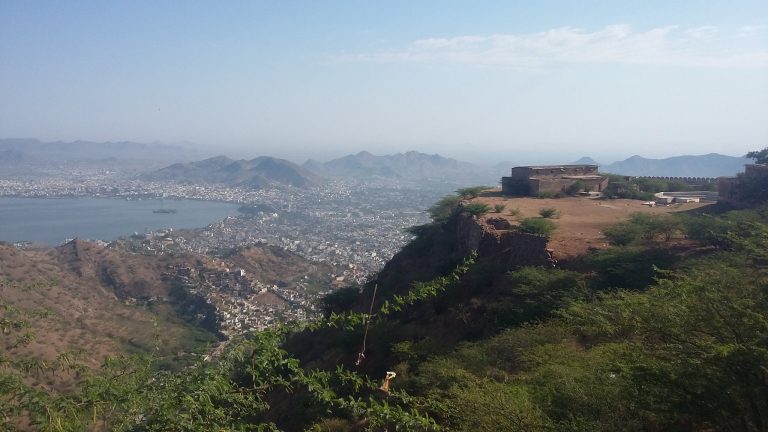
Taragarh Fort in Ajmer developed from a Rajput stronghold into a Mughal military and administrative center. Its remains include ruined gateways,…
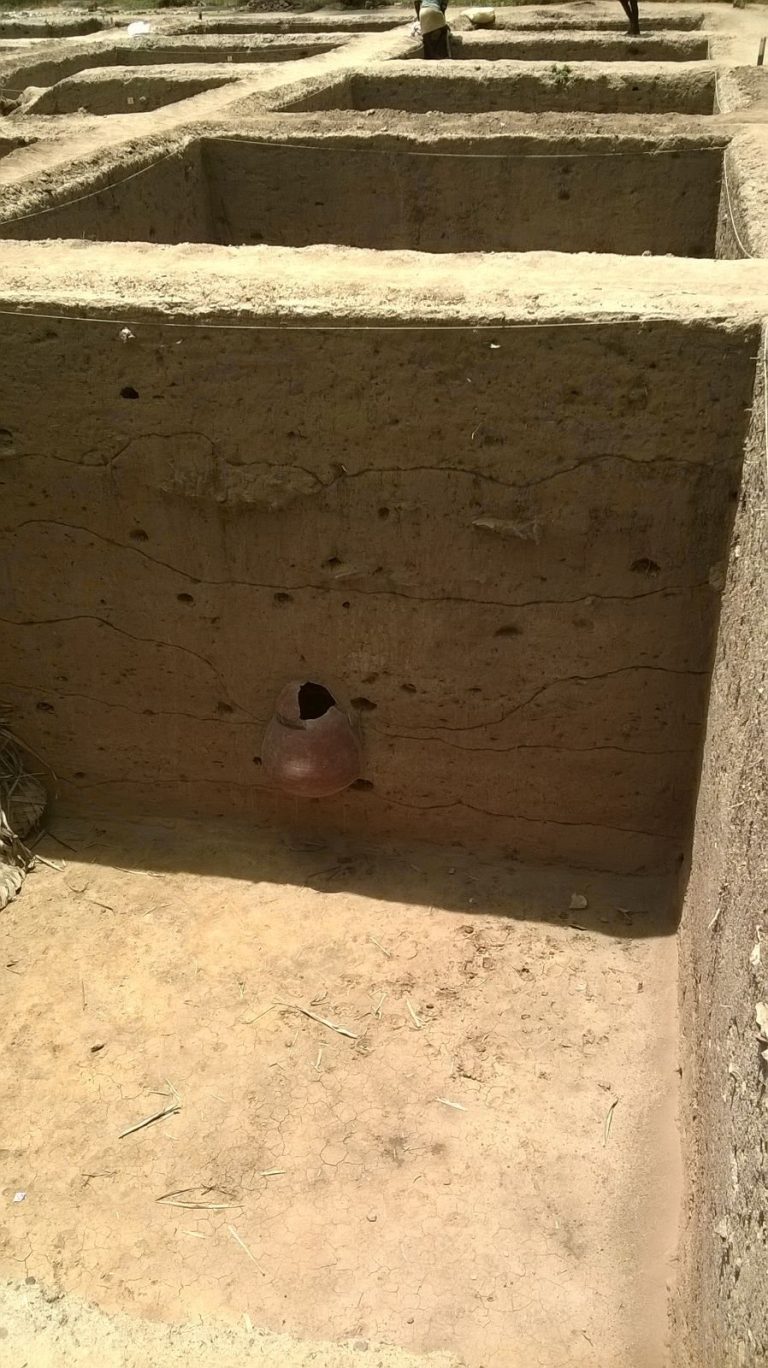
The Keezhadi excavation site near Madurai reveals a substantial Sangam-period settlement, with brick architecture, drainage systems, pottery,…
For details on how to use the maps, which sites are included, how popularity and ratings are determined, and how sites are classified, see the help page.
On this page7 sections
Temples carved from rock and assembled in stone
The Kailasa Temple at Ellora was excavated from a single mass of basalt. Workers cut downward into the cliff to create a freestanding temple within a surrounding court. Carved galleries and large relief panels occupy the rock around it, while the central shrine is dedicated to Shiva. Its walls and columns are the material left behind by excavation, rather than blocks brought together on a building site.
The Sun Temple at Konark, in Odisha, uses assembled stone to represent the chariot of Surya. Carved wheels and horses accompany the surviving temple platform and great assembly hall. The principal sanctuary tower has collapsed, so the standing hall should not be mistaken for the complete original temple. Thirteenth-century sculpture covers the remaining surfaces with figures, ornament and scenes of activity.
Monastic courts and teaching spaces at Nalanda
Nalanda Mahavihara in Bihar preserves an extensive Buddhist monastic and learning center. Brick monasteries stand on one side of a broad passage, with major temples on the other. Individual monasteries enclose courts lined by verandas and cells; a shrine chamber commonly faces the entrance.
Repeated construction placed later buildings above earlier ones, producing several phases within the excavated plan. The remains explain how residence, religious practice and study occupied adjoining spaces. They also distinguish a large institutional settlement from an isolated stupa or temple.
Hill defenses and palace rooms at Mehrangarh
Mehrangarh Fort rises above Jodhpur, where Rao Jodha founded a new capital in the fifteenth century. Successive gateways control the approach to its defended hilltop. Within the walls, palace courts and decorated halls record the residence of the Rathore rulers over later centuries.
The fort’s architectural interest extends from the approach to the interiors. Carved and ornamented rooms such as the Moti Mahal and Phool Mahal served a different purpose from the gates and ramparts protecting them. Their changing decoration belongs to the continuing history of the court, rather than all dating to the original foundation.
Travancore’s royal spaces at Padmanabhapuram
Padmanabhapuram Palace contains council, residential and ceremonial buildings developed under the rulers of Venad and Travancore. The complex includes a council chamber, performance hall and multistory royal building, with different levels assigned to treasury, accommodation and worship.
Its rooms, courtyards and timber details give a different impression from the stone enclosure at Mehrangarh. Surviving murals and furnishings add evidence for the use of particular interiors. The buildings developed over several periods, with major eighteenth-century rebuilding shaping the palace that remains.
Coastal defenses and water storage at Aguada
Fort Aguada was completed by the Portuguese in the early seventeenth century to protect the maritime approach to Goa. Its upper and lower works combined artillery defenses with facilities for ships. Springs and a large storage system supplied freshwater, giving the fort a role in provisioning as well as protection.
Bastions, walls and the reservoir explain these connected functions. Later additions, including the lighthouse, belong to a longer history of coastal use and should be distinguished from the first defensive works.
Painted rock shelters at Bhimbetka
The Bhimbetka rock shelters preserve occupation and painting from widely separated periods. Images of animals, people and activities occupy natural rock surfaces, with later paintings sometimes overlapping earlier ones. The shelters place the collection’s earliest material within a lived landscape, where excavation also recovered tools and occupation deposits.
Explore India’s collection
Use the map and grid to find places within a region or compare building types and historical periods. Each marker and grid entry links to an article explaining the site’s particular remains and chronology.