Kangla Fort: The Ancient Fortified Palace of Manipur
Site at a Glance
- Rating
- 4.3
- Popularity
- Medium
- Country
- India
- Primary era
- Classical
- Eras represented
- Classical, Medieval
- Civilizations
- Unclassified
- Site type
- Military
- Remains
- Castle
On this page12 sections
History
Meitei royal seat
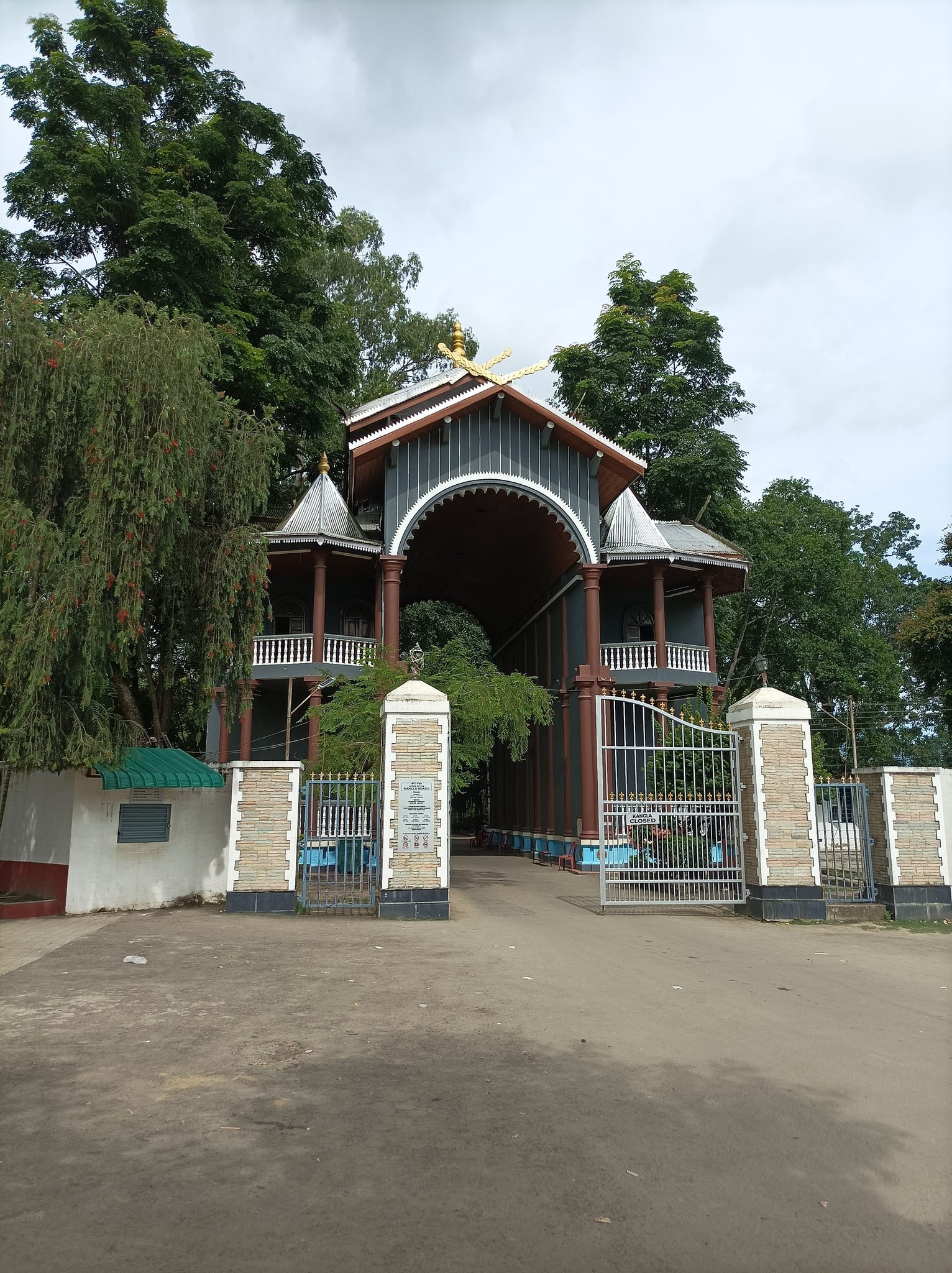
Kangla Fort is an ancient fortified palace in Imphal, India, built in the Meitei architectural tradition and associated with the Ningthouja dynasty’s rule from AD 33 to 1891. The Ningthouja were the ruling house traditionally linked with the Kingdom of Manipur. Kangla served as the ancient capital and traditional administrative seat of the Meitei rulers, and it remains a revered place associated with Manipur’s period of independence.
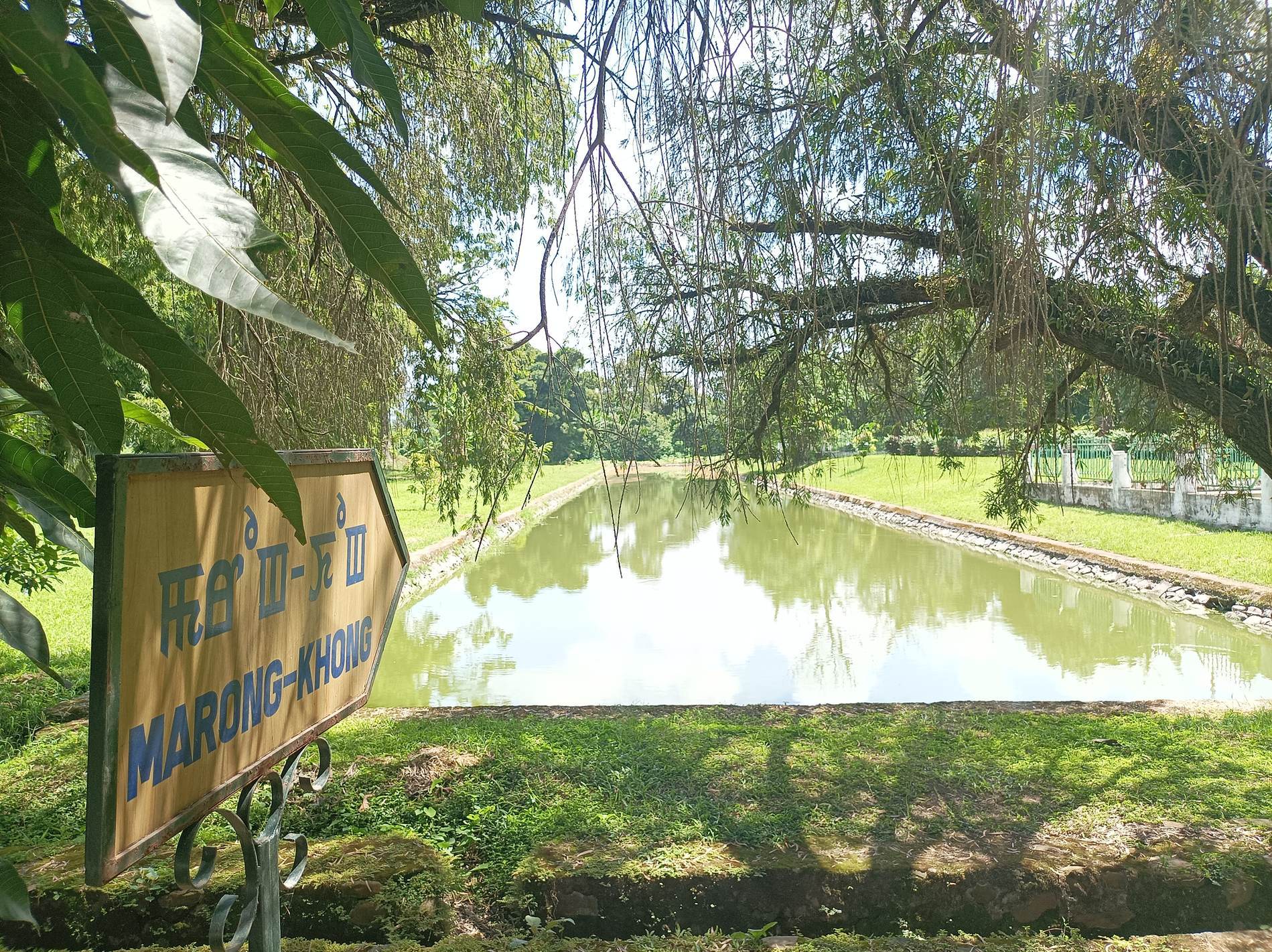
Manipur’s historical tradition associates the foundation of Kangla with Naophangba, a ruler dated to AD 428–518. He is credited with laying the foundation stone at a place called Namthak Sarongpung, regarded in the tradition as the holiest place in Manipur. The name Kangla means “the prominent part of the dry land” in Old Meetei, linking the site’s identity to its setting beside the Imphal River.
War, survival, and protection
Kangla is also connected with the Anglo-Manipur War, the 1891 conflict between the Kingdom of Manipur and the British Indian government. In its historical form, the fortified palace extended across both banks of the Imphal River. The eastern side was later lost, while the western area survived as a ruined part of the former royal complex.
Kangla is owned by the Government of Manipur and managed by the Kangla Fort Board. Its protection reflects its continuing historical and cultural importance, and a proposal to declare the site a UNESCO World Heritage Site has been discussed in the Indian Parliament.
Gardens and landscape projects
The Kangla Fort Board established the Kangla Herbal Garden in 2009. In 2010, a botanical-development project carried out by the Lamphel-based sub-branch of the North East Institute of Science and Technology at Jorhat established about 131 plant species, including approximately 20 medicinal species, across 3.5 acres allocated by the Government of Manipur.
Further planting projects expanded the site’s cultivated landscape. In June 2019, about 700 indigenous fruit-bearing saplings were planted in Nura Heikol, formerly known as the Kangla Biodiversity Park, under the Green Manipur Mission. Around 120 trees were planted inside Kangla in September 2019 to mark the twentieth anniversary of The Sangai Express, followed by about 50 fruit-bearing plants planted by the Institute of Bioresources and Sustainable Development in May 2022.
Remains
Fortified palace and surviving grounds
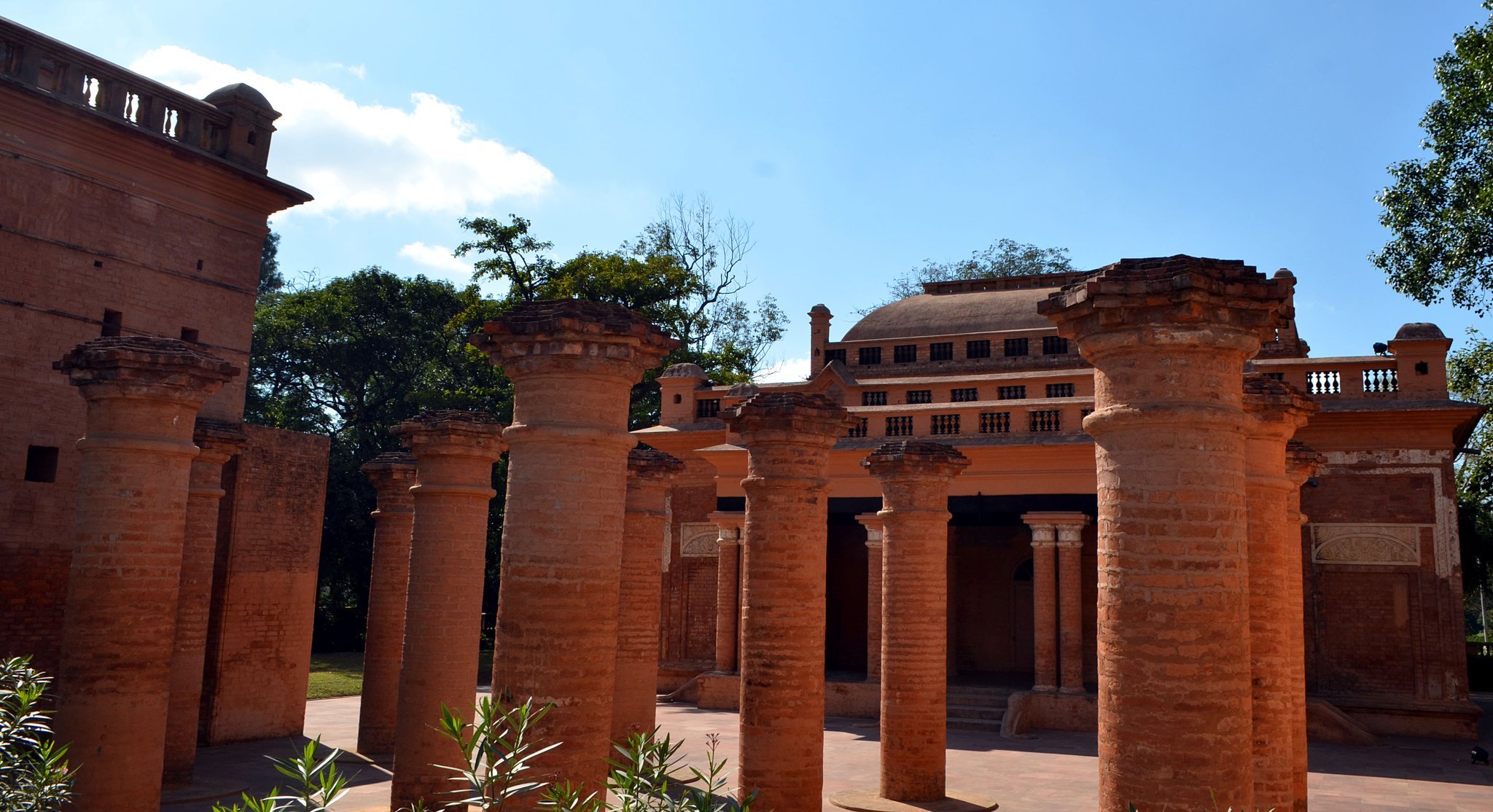
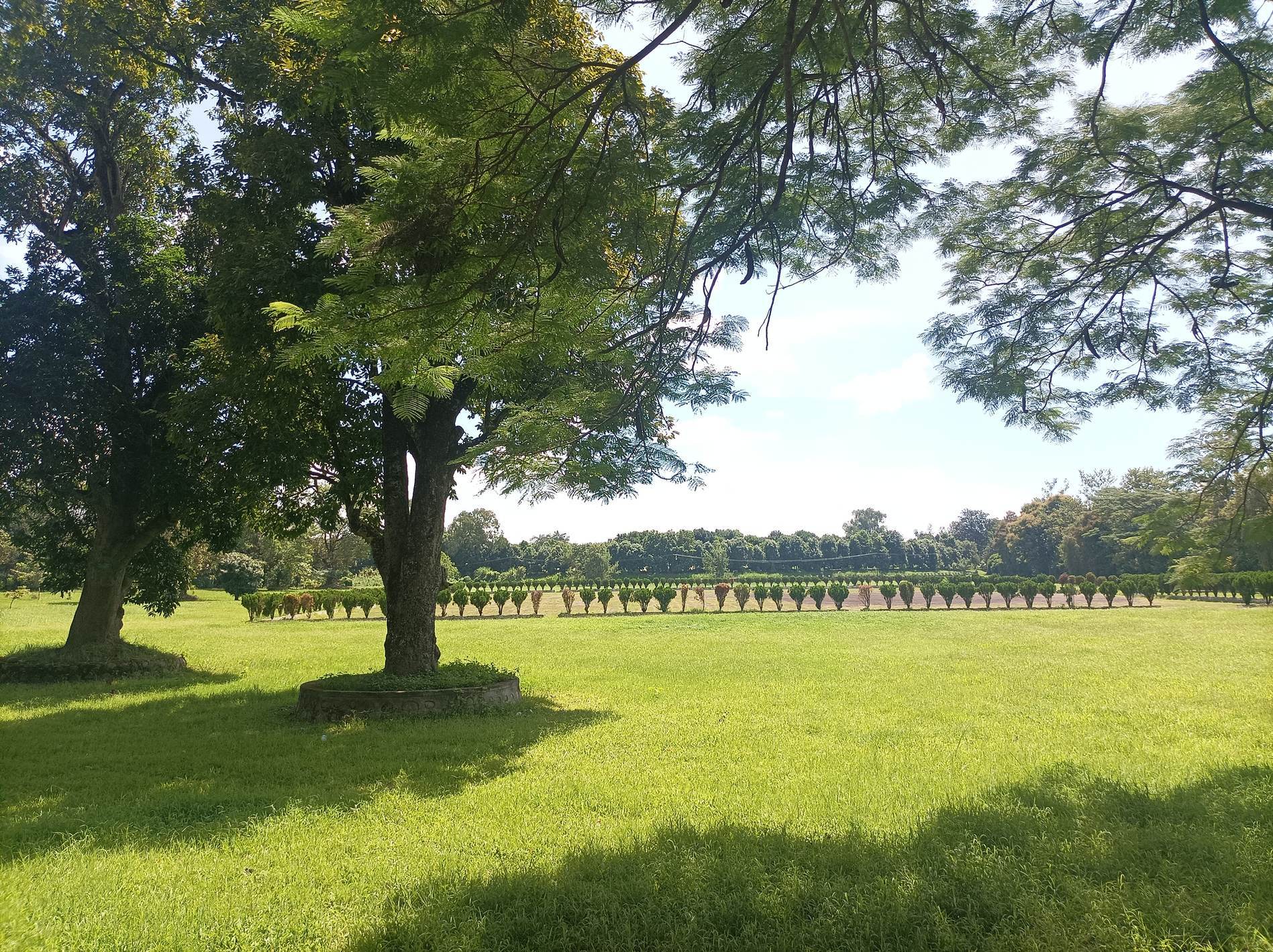
The surviving western area of Kangla consists of the ruined remains of an old fortified palace in the Meitei architectural tradition. The historical complex occupied land on both sides of the Imphal River, giving the site a broad layout shaped by the river’s course. Kangla is heavily forested and has been described as the “Lungs of Imphal.” Development construction has caused some deforestation within the grounds in recent years.
Gardens and planted areas
Kangla Herbal Garden
The Kangla Herbal Garden contains approximately 131 planted species. These include heigru, kihori, agar, neem, tera, singairei, and leihao, with about 20 species identified as medicinal plants. Other fruit-bearing and cultivated trees across the gardens and planting areas include mayokfa, agar, uningthou, teak, chahui, and samba.
Nura Heikol and Engellei Leikol
Nura Heikol means “Women’s fruit garden” in Meitei and occupies the area formerly known as the Biodiversity Park. Engellei Leikol, formerly called the Rock Garden, lies in the southern part of Kangla.
Sacred and royal features
Pakhangba and Kangla Sanathong
The site contains sacred images of Pakhangba, a central Meitei divine and royal figure, and his consort, the Kangla Sanathong. The Pakhangba Temple is also located within the grounds, alongside the Hiyang Hirens inside the Hijagang.
Royal statues and dragon imagery
Other surviving features include a statue of Meidingu Nara Singh, the Sanggai Yumpham, and paired statues of the Kangla Shā dragon. The dragon is also represented in the emblem of Manipur, linking the imagery of the fortified palace with the wider identity of the state.