Taragarh Fort: A Rajput and Mughal Stronghold in Ajmer
Site at a Glance
- Rating
- 4.3
- Popularity
- Medium
- Country
- India
- Primary era
- Medieval
- Eras represented
- Medieval, Early Modern
- Civilizations
- Rajput
- Site type
- Military
- Remains
- Fort
On this page6 sections
History
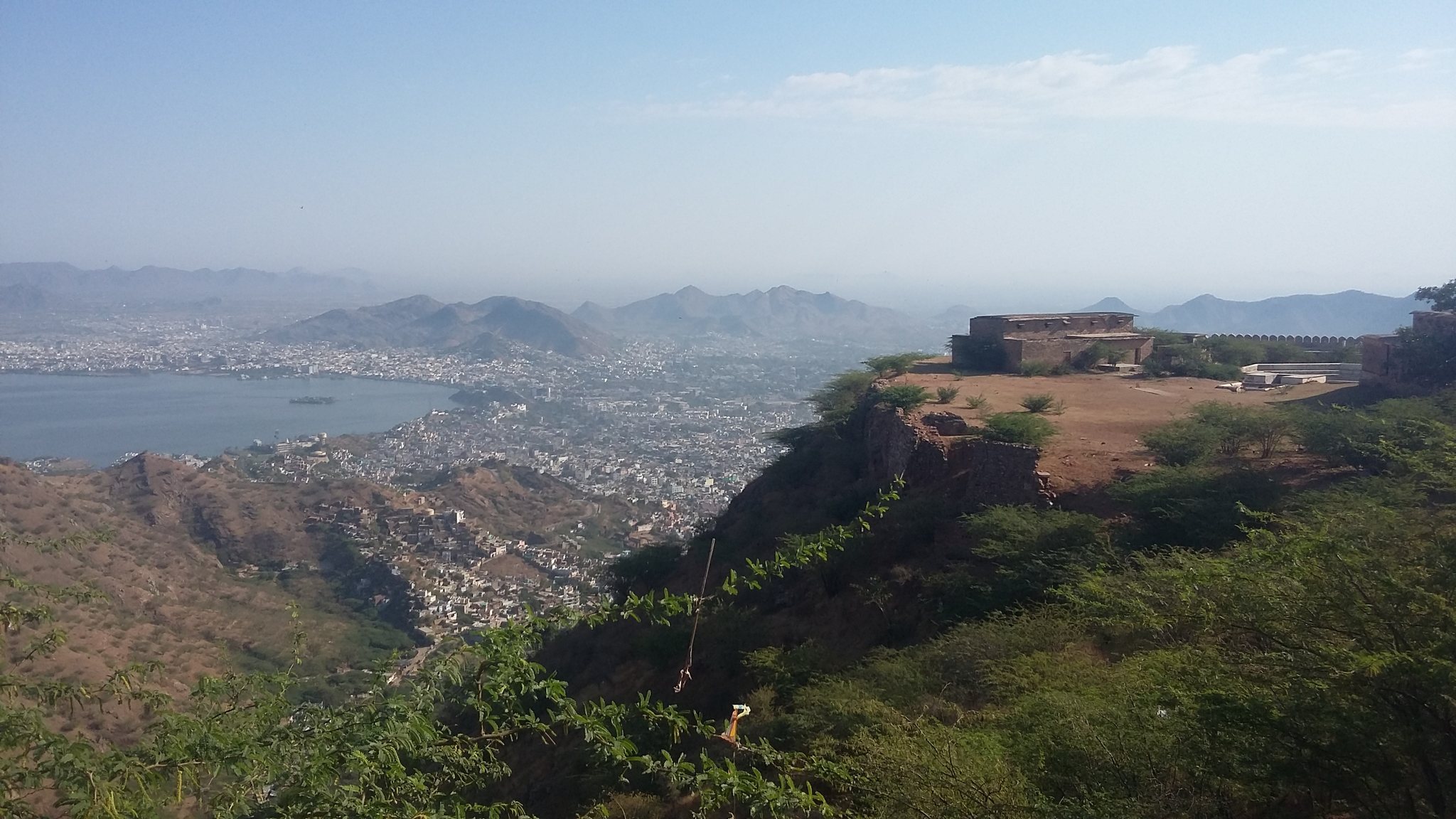
Taragarh Fort is a hilltop fortification in Ajmer, India, built by the Parmar Rajputs and repaired by Ajayaraja I, also known as Ajayaraja Chauhan. Its original name was Ajaymeru Durg. Local tradition links early defensive engagements at the site with the Chahamana, or Chauhan, rulers, while the fort’s documented structural administration becomes clearer in the late medieval period.
Rajput Rule and the Name Taragarh
Parmar Rajputs assisted in capturing the fort. In the late fifteenth century, Prince Prithviraj Sisodia of Mewar, the elder brother of Rana Sanga, took it after defeating the regional governor Mallu Khan. Mewar was a major Rajput kingdom in southern Rajasthan. Under its rule, the fort received the name Taragarh in honor of Prithviraj’s wife, Tarabai.
Rana Sanga later assigned the fort’s revenue and custody to the noble Karamchand Panwar. His confederacy was defeated by Babur, founder of the Mughal Empire, at the Battle of Khanwa, a major sixteenth-century conflict. After that defeat, Taragarh Fort was incorporated into the Mughal Empire.
Mughal Administration and Decline
Under Mughal rule, the fort served as a military foothold for the subjugation and consolidation of Rajputana. It also became the administrative center of the subah of Ajmer, a province governed on behalf of the Mughal imperial government. In the later Mughal period, nominal sovereignty remained with the imperial court, while practical control was often exercised by the Kachwaha Rajputs of Amber, a ruling house based near present-day Jaipur.
As imperial boundaries changed, the fort lost its primary geopolitical importance. It then entered a period of administrative disuse and structural decline. The fort also contains the shrine of Miran Saheb, a Muslim religious figure. He was killed in 1202 during a Rajput attack while he and his men were performing the Islamic ritual prayer.
After conquering Kandahar, Emperor Jahangir built a Marble Cage, also called Kathera, in 1615 at the dargah, or Muslim shrine, of Meera Syed Hussain. This religious monument forms part of the fort’s later Mughal associations.
Remains
Walls, Gates, and Bastions
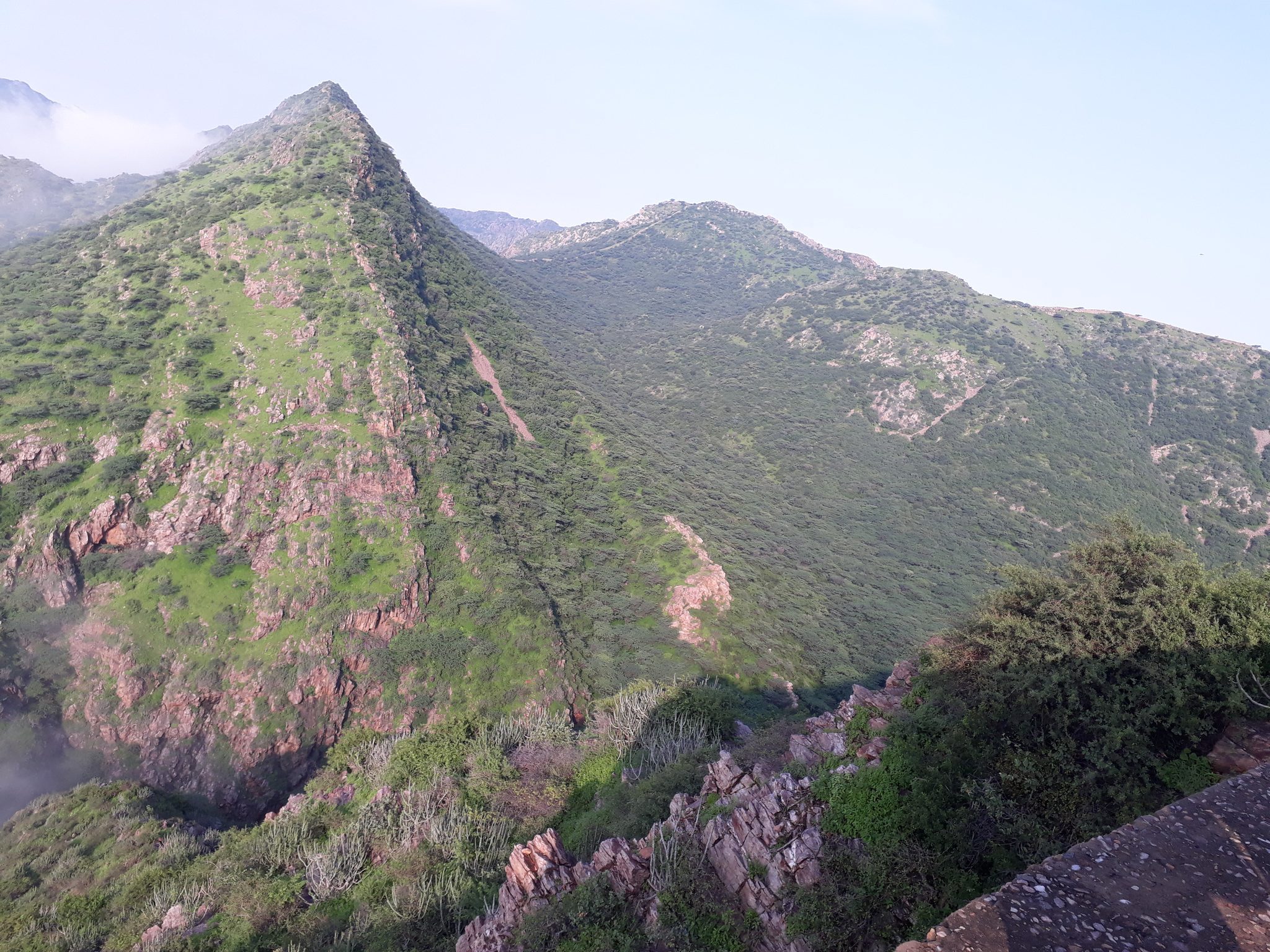
The fort occupies a steep hillside and is arranged around defensive walls with three gateways: Lakshmi Pol, Phuta Darwaza, and Gagudi ki Phatak. Most parts of these gateways are now ruined. The walls included 14 bastions, projecting fortified structures that strengthened the defensive line. The largest, Bhim Burj, dates to the sixteenth century and once carried the large cannon Garbh Gunjam, whose name means “Thunder from the Womb.” Water reservoirs are located within the fort.
Shrines and the Marble Cage
Miran Saheb ki Dargah is a shrine associated with Miran Saheb. The fort also contains the dargah of Meera Syed Hussain, where Emperor Jahangir commissioned the Marble Cage, or Kathera, in 1615. Together, these religious features preserve the site’s associations with Muslim devotional traditions alongside its defensive architecture.