Historic Sites in Finland: Explore Medieval Castles, Stone Churches and Sea Fortresses
Explore historic sites in Finland, including medieval castles, island fortresses, stone churches and cathedrals. Defensive buildings and religious sites form the largest groups. The examples below range from the residential wings of Turku and Häme to Olavinlinna’s round towers and the naval buildings and bastions of Suomenlinna.
Primary Function: All
Type: All
Civilization: All
Popularity: All
Rating: All
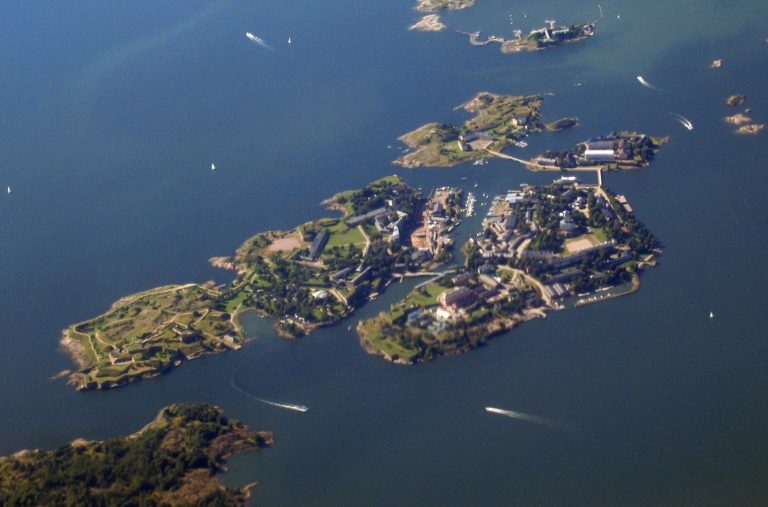
Suomenlinna is an eighteenth-century sea fortress and naval base built by Sweden across islands southeast of Helsinki. Russian, Finnish, and military…
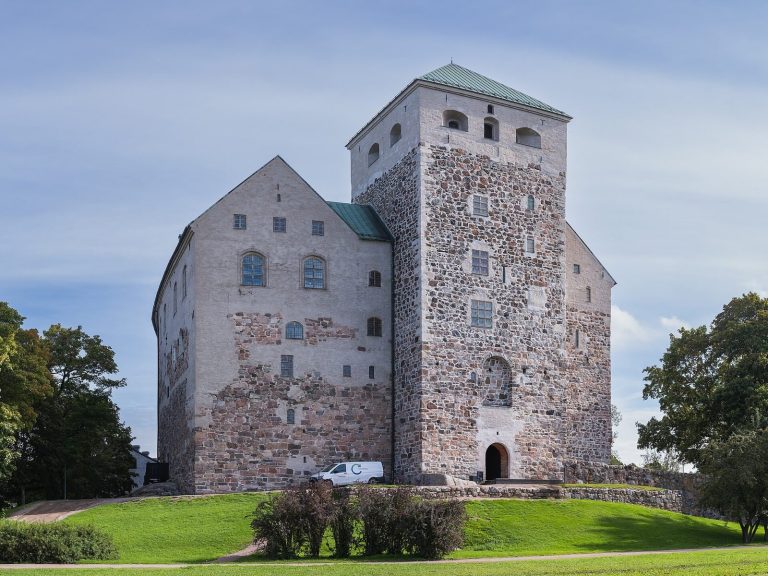
Turku Castle began as a Swedish fortified camp in the 1280s and developed into a military, administrative, royal, and museum complex. Its medieval…
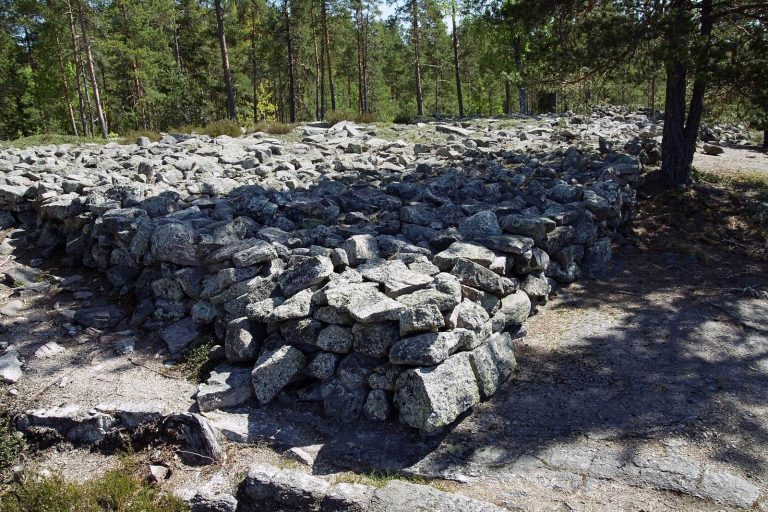
Sammallahdenmäki preserves a cemetery used from the Bronze Age into the Early Iron Age, with stone cairns that illuminate burial customs and society…
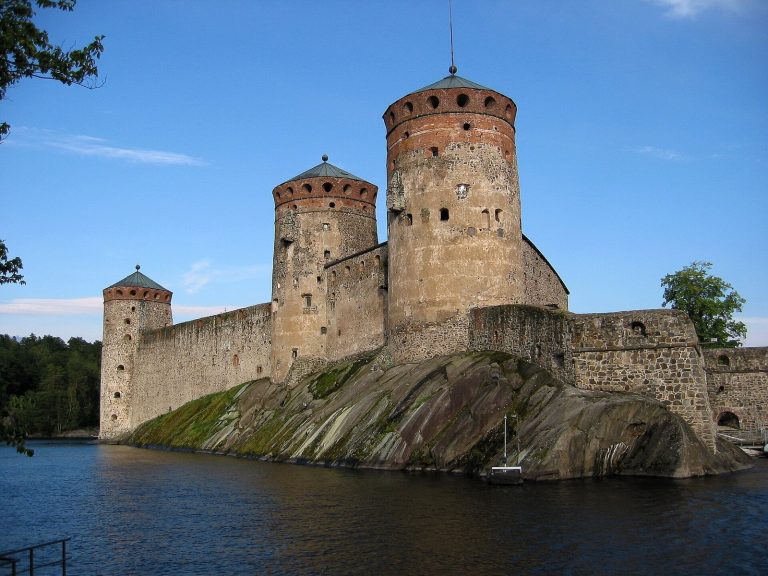
Olavinlinna Castle was founded in 1475 to defend Sweden’s eastern frontier and control important waterways. Expanded under Swedish and Russian rule,…
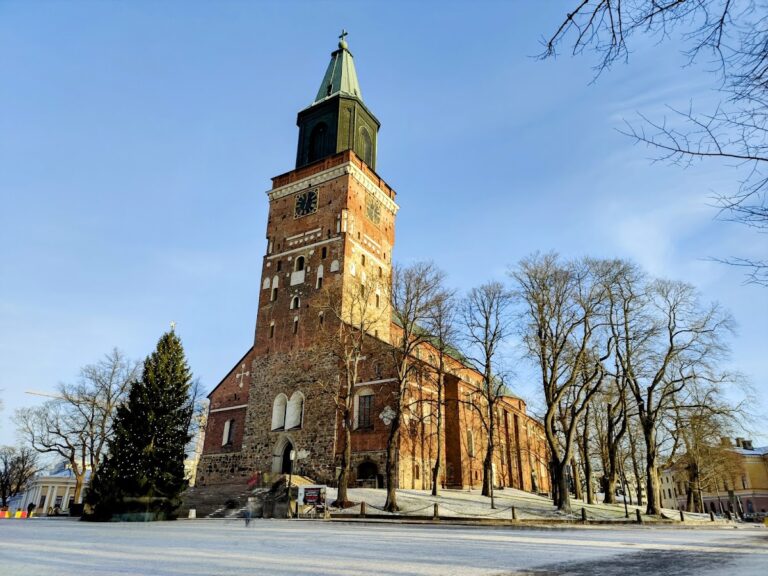
Turku Cathedral in Finland developed from a thirteenth-century church into the country’s medieval cathedral and the central church of the Lutheran…
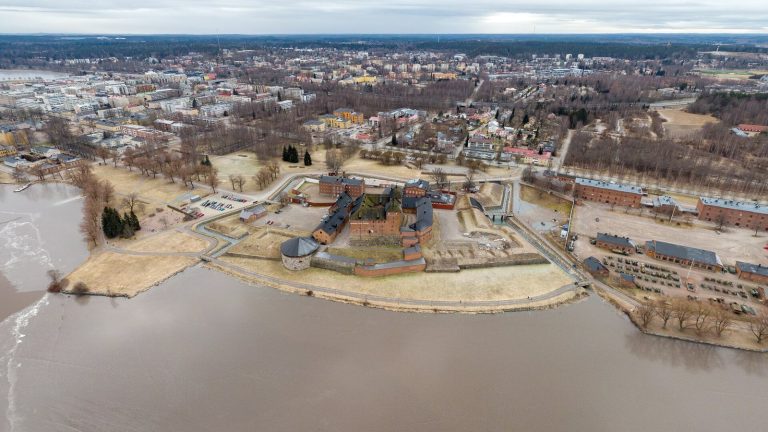
Häme Castle in Hämeenlinna developed from a medieval Swedish border fortress into an administrative center, military depot, prison, and restored…
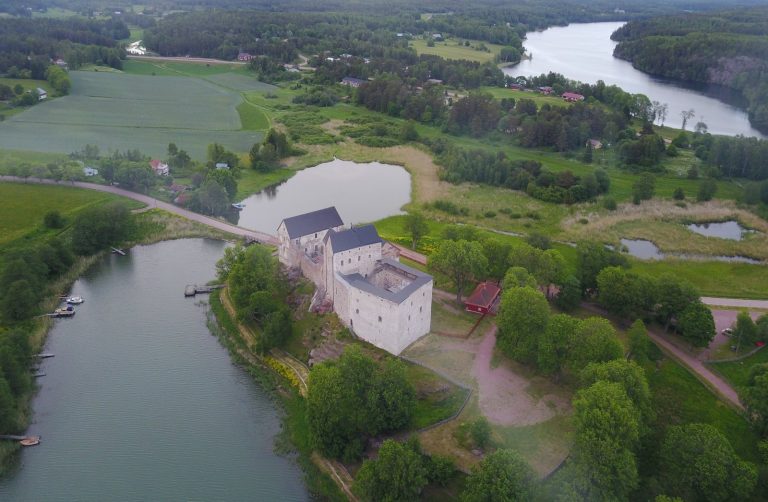
Kastelholm Castle is a medieval Swedish fortress on Åland that served as an administrative, military, residential, and prison center before becoming…
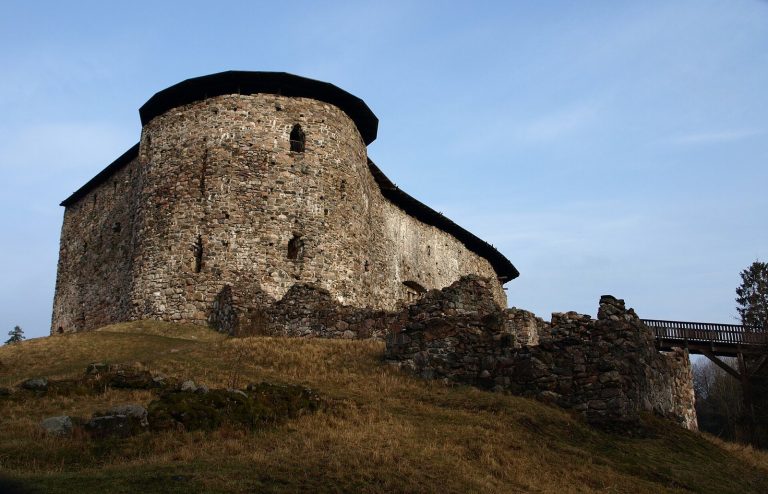
Raseborg Castle is a medieval Swedish fortress in southern Finland, built in the 1370s and used until the 1550s. Its ruins preserve evidence of a…
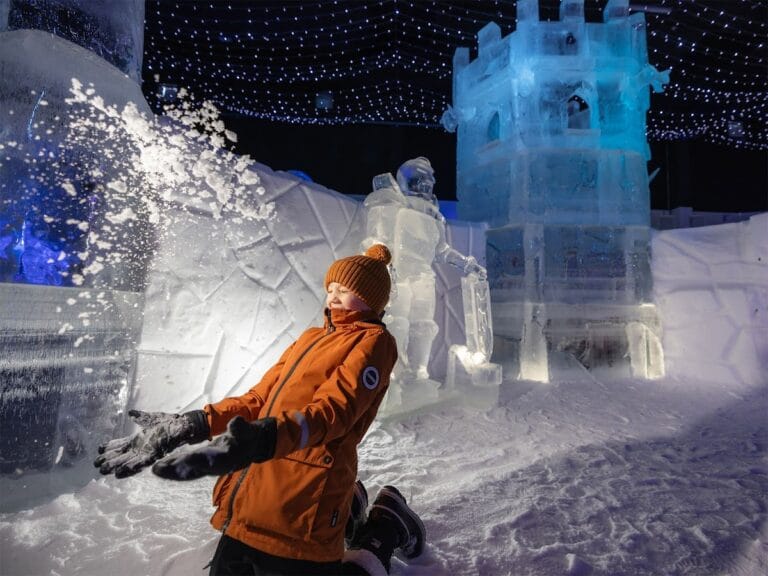
The SnowCastle of Kemi is a seasonal snow-and-ice complex rebuilt each year since 1996, incorporating a chapel, restaurant, hotel, and, in some…

The Fortress of Lappeenranta developed from a Swedish border settlement into a Russian frontier stronghold and later became a protected…
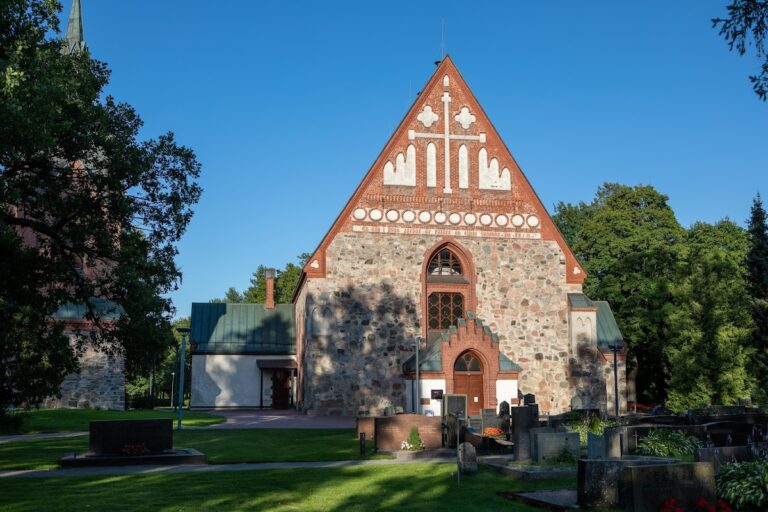
Helsinge Church developed from the medieval center of Helsinki Parish and preserves a fifteenth-century stone structure altered after a major fire in…
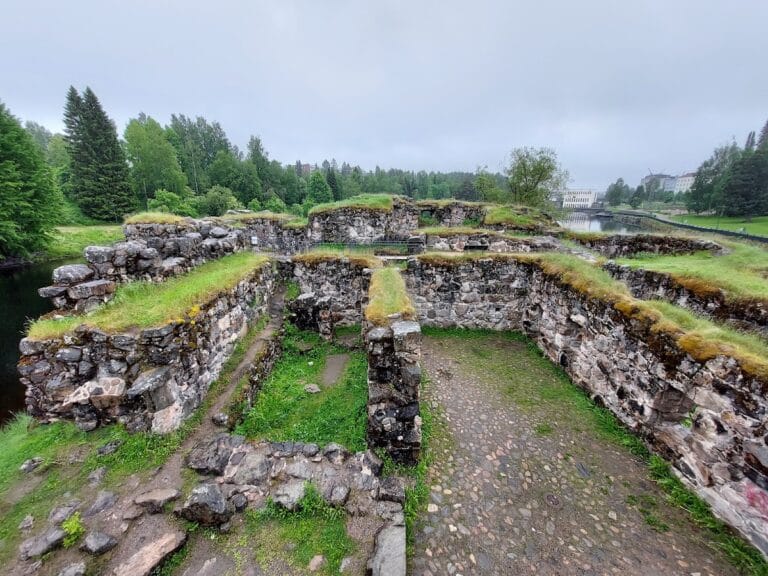
Kajaani Castle was a Swedish fortress founded in the early seventeenth century on an island in the Kajaaninjoki. It served as a military strongpoint,…
For details on how to use the maps, which sites are included, how popularity and ratings are determined, and how sites are classified, see the help page.
On this page5 sections
Castles and royal residences
Turku Castle began in the thirteenth century as a fortified camp near the mouth of the Aura River. Repeated enlargement produced a main castle with square towers and residential wings around a narrow courtyard. Rooms in the north wing included storage below, a great hall on the middle floor and accommodation above. A separate outer castle developed beside this compact medieval core.
The movement of entrances and blocking of earlier gates changed how the castle could be entered and defended. Inside, kitchens, chapels, halls and administrative rooms occupied different parts of the complex. The building therefore preserves the working spaces of a royal household and governor as well as its enclosing walls.
Häme Castle developed from a grey-stone enclosure into a substantial brick castle beside Lake Vanajavesi. Brick construction allowed more elaborate vaulting and Gothic decoration, especially around the courtyard. Upper accommodation served the governor and court, with shared and service spaces below. Later round artillery towers and earth ramparts added new defences around a core whose masonry records successive building phases.
Island castles and frontier defences
Olavinlinna Castle was founded in 1475 on a rocky island in the Kyrönsalmi strait. Its main castle has a roughly triangular plan with three surviving towers, adjoining a larger outer enclosure. A three-storey residential building contains storage rooms, a castle hall and an upper ceremonial hall.
The Church Tower includes a small chapel, placing religious space within the defensive structure. Later military works added bastions and changed the outer enclosure, while other towers were lost or replaced. The remaining round towers, high walls and covered firing passage preserve much of the castle’s vertical defensive arrangement above the water.
Sea fortresses and naval buildings
Suomenlinna was established in the eighteenth century as a sea fortress and naval base outside Helsinki. Its bastions and gun positions follow the contours of rocky islands, with bridges and causeways linking principal parts of the complex. Separate fortified positions were arranged to support one another across the intervening water.
The fortress also contains a dockyard, barracks, officers’ accommodation and service buildings. Russian-period work enlarged and strengthened the installation after its Swedish foundation. The resulting site is an extensive military settlement, with residential streets and naval infrastructure occupying the spaces behind the sea-facing defences.
Churches and cathedrals
Turku Cathedral combines stone and brick construction with Gothic pillars, high vaults and chapels added around the nave. The medieval building grew upwards and outwards as its side chapels multiplied. Rebuilding after the 1827 fire introduced the present tower form and significant interior furnishings, including the pulpit and painted altarpiece. Its enclosed spaces thus contain both medieval structure and nineteenth-century design.
Hollola Church was built around the turn of the sixteenth century. Wooden saint figures from its Catholic furnishings survive inside, now placed separately from the altar cupboards that originally held them. Later repairs enlarged the windows, while coats of arms and a family tomb record subsequent use of the church. Its detached neoclassical bell tower was built in the nineteenth century, adding a clearly later component to the medieval stone building.
Explore the collection
Explore sites on the map or in the grid. Map icons indicate each site’s primary function, helping you identify different kinds of places at a glance. Narrow the results by primary function, site type, civilization or era, with additional filters for popularity and rating. Select a map marker to view the site’s details and open its article, or open the article from its grid entry.